
Reviewed · NASHVILLE TOURS
Civil War Tour with Lotz House, Carter House & Carnton Admission from Nashville
History here still has teeth. This seven-hour Civil War tour from Nashville brings you to Franklin, where the Battle of Franklin raged on November 30, 1864. I like the way the day links three preserved homes to the people who lived, fought, and suffered there. I also like the excellent local storytelling, with guides such as Roger, Julie, and Jeff praised for making the drive and battle easier to understand.
The main drawback is pacing. You get only a short break, about 75 minutes, for lunch and exploring Franklin, and the house tours require plenty of standing and walking. Still, at $101.90 per person, the package includes round-trip transport and admission to Lotz House, Carter House, and Carnton, making it a solid choice for serious history fans.
In This Review
- Key details that shape the day
- Starting in Nashville at 9 a.m.
- Understanding the Battle of Franklin
- Carter House and the Union line
- Lotz House and the marks of violence
- Free time in Franklin, about 75 minutes
- Carnton Plantation and the Confederate cemetery
- Why the guides matter so much
- Is the $101.90 price fair?
- Who should book this Franklin tour?
- Should you book it?
- FAQ
- Where does the tour begin?
- How long does the tour last?
- Which historic sites are included?
- Is lunch included?
- Is transportation provided?
- Can the tour accommodate wheelchair users?
Key details that shape the day
- Three historic homes in one tour: Lotz House, Carter House, and Carnton each show a different side of the Battle of Franklin.
- Franklin’s battlefield story: You learn about the attack of November 30, 1864, often called the five bloodiest hours of the Civil War.
- Battle scars remain visible: Bullet holes, cannonball damage, and bloodstained surfaces still appear at the homes.
- A useful break in downtown Franklin: You have time to eat, shop, and see the town on your own, though some people may want longer.
- Small-group transport: The air-conditioned shuttle carries a maximum of 24 people from downtown Nashville and back.
- A strong guide team: The driver and house guides provide much of the tour’s value, with several guides praised for their warmth and command of the subject.
Starting in Nashville at 9 a.m.
Your day begins at Gray Line Tours, at the Riverfront Train Station at 108 1st Avenue South in downtown Nashville. You should arrive 15 minutes before the 9 a.m. departure. The tour ends back at the same meeting point, so you do not need to arrange a separate ride home.
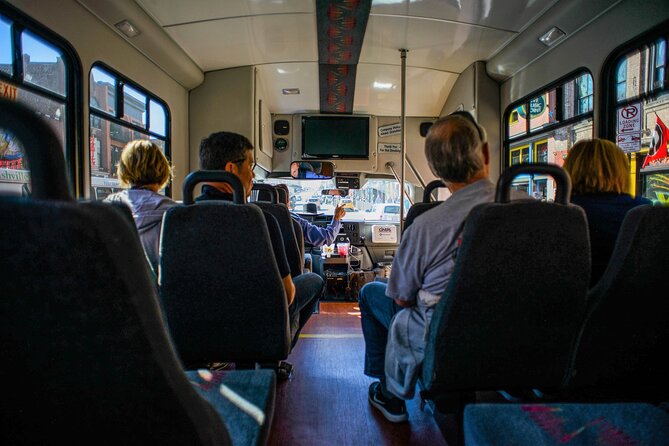
The shuttle is air-conditioned and the group size is capped at 24 people. That is a useful middle ground. You get the ease of organized transport without being placed in a giant motor coach crowd. The ride also gives the driver a chance to introduce Nashville and the Civil War setting before you reach Franklin.
This part can be more valuable than it first sounds. Several guides and drivers, including Julie, Roger, Nick, and Jeff, have been praised for sharing local facts during the drive. If you arrive in Nashville with little knowledge of the city’s wartime role, the ride helps set the stage.
The tour is offered in English. A mobile ticket is accepted, and confirmation is provided when you book. Service animals are allowed, and the operator says ADA-compliant vehicles can be arranged for most tours with 48 hours’ notice. Contact the dispatch office after booking if you need that option.
A few more US trips worth a look
- Nashville Hop On Hop Off Trolley Tour
★ 4.5 · 5,643 reviews - Nashville: Food Tour with 5+ Tastings of Local Delicacies
★ 5.0 · 2,704 reviews - Best of Nashville City Sightseeing Tour on Double Decker Bus
★ 4.5 · 2,601 reviews
Understanding the Battle of Franklin
Franklin is not simply a stop with a few old houses. The town was caught in one of the Civil War’s most destructive battles. The fighting on November 30, 1864, lasted roughly five hours and produced more than 9,500 casualties.
That number becomes easier to grasp once you see where the fighting took place. The homes were not distant museum pieces. They were occupied residences, headquarters, hospitals, and gathering places during and after the battle.
The tour focuses on that human scale. Instead of hearing only about generals and troop movements, you see how families and household workers were pulled into the crisis. Floors and walls carry physical reminders of the violence, while the guides explain what happened around each building.
This is also why the day can feel heavy. The tour does not treat the battle as a tidy military puzzle. You hear about wounded soldiers, improvised medical care, damaged homes, and the long work of caring for the dead.
If you know little about the Civil War, the amount of information can sometimes feel like a lot. One useful tip is to keep the basic sequence in mind: Carter House was at the center of the Union position, Lotz House became a hospital, and Carnton became a Confederate field hospital and cemetery site.
Carter House and the Union line
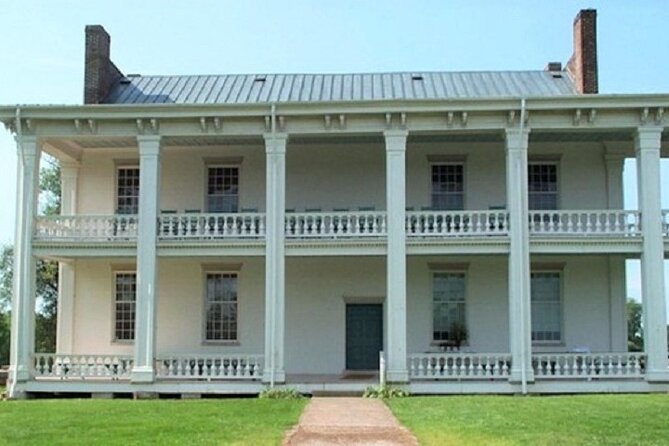
Carter House gives you the clearest sense of how close the battle came to ordinary residents. The house served as Federal headquarters and sat at the center of the Union position.
The property and its outer buildings still show hundreds of bullet holes. That detail changes the way you look at the rooms. You are not just inspecting old woodwork. You are seeing a home caught directly in the line of fire.
The guided visit explains how the house fit into the battle and how the Carter family experienced the fighting. The building helps connect battlefield movements with the people sheltering inside it.
I find this stop particularly useful early in the day because it gives you a firm reference point. Once you understand Carter House’s position, the later visits to Lotz House and Carnton make more sense.
Expect to stand during parts of the visit and walk around the grounds. Wear comfortable shoes, especially if you are not accustomed to spending several hours on historic properties. The tour is accessible to most people, but it is not a ride where you remain seated from start to finish.
Lotz House and the marks of violence
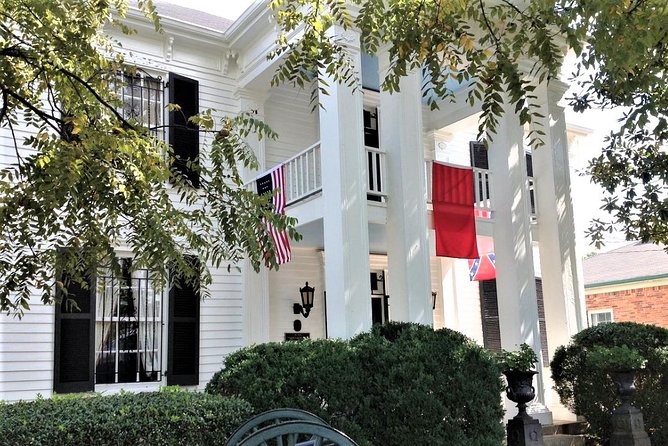
Lotz House offers another angle on the battle. It became a makeshift field hospital after the fighting, and its damage remains visible.
You can see cannonball holes, bullet damage, and bloodstains on floors and walls. These marks are difficult to treat as decoration. They show how a private home was turned into a place for treating wounded men after the battle.
The guides use the house to explain the experience of civilians and soldiers caught in the aftermath. This is one of the places where the tour’s family-centered approach works best. You are encouraged to picture the morning after the fighting, when residents emerged to face destruction and thousands of casualties.
The Lotz House visit can feel especially vivid because the evidence is so direct. It also requires careful listening. One guide may offer detailed stories and small anecdotes that bring the rooms to life, but the amount of information can be dense if you are trying to remember every name and military movement.
The practical lesson is simple: focus on the people and the building first. You do not need to memorize the entire battle order to appreciate what happened here.
A completely different kind of day out in Nashville:
- Explore the City of Nashville Sightseeing Tour by Golf Cart
★ 5.0 · 2,544 reviews - Grand Ole Opry Show Admission Ticket
★ 4.5 · 2,518 reviews - Downtown Nashville Public Party Tractor 21+ Only
★ 4.5 · 2,480 reviews - Discover Nashville City Tour with Entry to Ryman & Country Music Hall of Fame
★ 4.5 · 2,412 reviews
Free time in Franklin, about 75 minutes
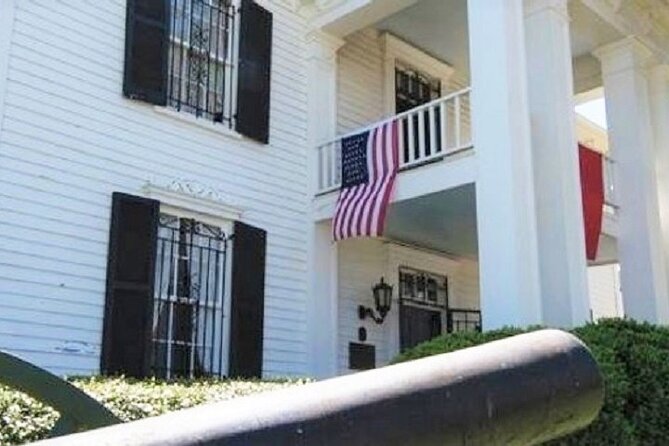
After visiting the houses, you get free time in downtown Franklin. Lunch is not included, so you pay for your own meal. You can also walk around, shop, and see other historic sites in the town.
About 75 minutes gives you time for a meal and a quick look around, but you will need to watch the clock. If you want a long restaurant lunch, extended shopping, and a leisurely walk, this break may feel rushed.
Franklin itself adds welcome variety to the day. The historic center has restaurants, shops, and other old-town sights, so the pause is not just a practical meal stop. It gives you a chance to reset after two emotionally intense house visits.
Plan your priorities before the break begins. If food matters most, choose lunch first. If you want to walk around, keep the meal simple. Several people have found the time useful but wished for a little longer in town, so I would not count on covering every corner.
Bring water. One useful tip from the day is that the tour does not provide a bottle, and the walking and standing add up.
Carnton Plantation and the Confederate cemetery
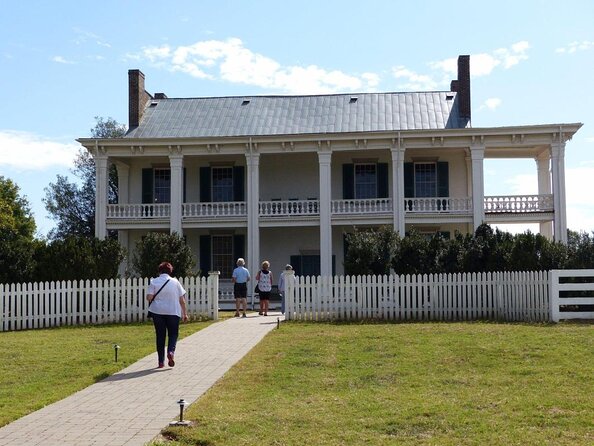
Carnton Plantation brings the day to its largest site. The 48-acre farm was ordered into service as a Confederate field hospital after the Battle of Franklin.
The plantation also became a memorial site in the years after the war. The property contains the largest private Confederate cemetery in the United States, where Confederate soldiers who died in the battle were buried.
The visit covers both the battle and its aftermath. You hear how the plantation functioned as a medical site, then how the house and its mistress became tied to preserving the memory of the dead.
Carnton gives the tour a broader setting than the two town homes. You have more grounds to consider, and the cemetery adds a solemn final chapter. The focus shifts from bullets striking walls to the organized care of the wounded and the difficult task of burying the dead.
The site also calls for context. The cemetery reflects Confederate memory, and the guide’s job is to explain its place in the story rather than reduce the day to a simple heroic tale. The most useful parts of the visit connect the plantation’s wartime role with the lives of the families and soldiers affected by it.
After the Carnton visit, the shuttle returns you to Nashville. The full day leaves little room for unrelated sightseeing, but that focus is exactly what makes the tour worthwhile for someone who wants Franklin’s Civil War sites in one organized outing.
Why the guides matter so much

The strongest part of this experience is the human delivery. The three historic homes have their own guides, and the Nashville-to-Franklin shuttle also has a driver-guide role.
Names praised during the tour include Roger, Julie, Jeff, and Nick. Julie is described as friendly and outgoing, while Roger is noted for his local stories and command of Franklin’s past. Nick also added useful information about Nashville during the drive.
At the houses, the guides are passionate and well prepared. Their storytelling helps you connect the battle to real rooms, families, and decisions. That matters because the subject can otherwise become a confusing list of troop movements and dates.
The approach is not identical at every stop, which can be a benefit. One guide may focus on household anecdotes, another on military positioning, and another on the battle’s aftermath. The tradeoff is that the day can feel information-heavy.
If you prefer a quiet, self-guided visit, this tour may be too talkative. If you want someone to explain what you are seeing, the guided format is a major advantage.
Is the $101.90 price fair?
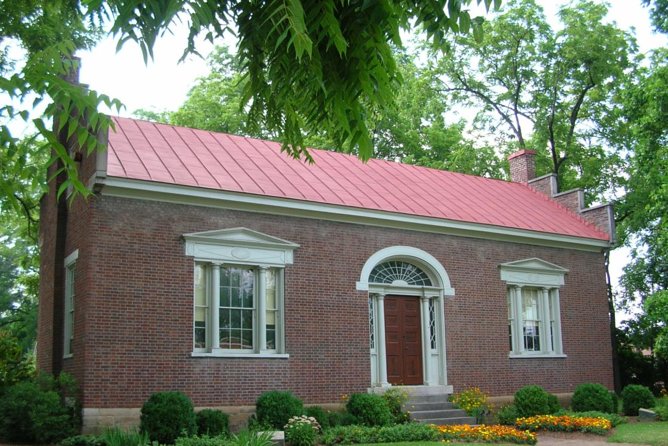
At $101.90, this is not a cheap add-on to a Nashville trip. But the price covers seven hours, round-trip transportation from downtown, and admission to all three sites.
Buying each admission and arranging transport independently could take more planning. You would also need to understand the order of the sites and drive between Nashville and Franklin yourself. The shuttle removes that work and lets you focus on the history.
The value is strongest if you plan to visit all three properties. If you only want to see one historic house, a separate visit may make more sense. If you want a full day centered on the Battle of Franklin, the bundled price is reasonable.
The small group limit of 24 also helps. You should not expect a private tour, but the group is limited enough for the day to feel organized rather than anonymous.
Who should book this Franklin tour?
I would choose this tour if you have a real interest in the Civil War, local history, historic homes, or stories about civilians living through wartime violence. It is also a good choice if you are staying in Nashville and want to see more of Middle Tennessee without renting a car.
Families can enjoy it, though younger children may struggle with the serious subject and long periods of standing. Couples and solo visitors fit the format well, especially if you prefer a structured day with a guide.
You should think twice if you want lots of free time, casual sightseeing, or a relaxed lunch. The schedule is full, and the three house visits are the main event. Comfortable shoes are essential, and water is worth carrying.
The tour requires good weather and a minimum number of participants. If poor weather or low enrollment forces cancellation, you receive the option of another date or a full refund. You can cancel for a full refund up to 24 hours before the start time.
Should you book it?
Book this tour if you want the Battle of Franklin explained through real homes, visible battle damage, and strong personal storytelling. Carter House shows the Union position, Lotz House reveals the human cost of a field hospital, and Carnton connects the battle to Confederate medical care and burial.
I would skip it only if you dislike guided history or need a slow, flexible day. For everyone else, the combination of transport, admissions, Franklin free time, and multiple guides makes this one of the more useful history outings from Nashville. Just bring water, wear good shoes, and save your appetite for a quick but worthwhile Franklin lunch.
FAQ
Where does the tour begin?
It begins at the Riverfront Train Station, 108 1st Avenue South in downtown Nashville. You should arrive 15 minutes before the 9 a.m. start.
How long does the tour last?
The experience lasts about seven hours and ends back at the Nashville meeting point.
Which historic sites are included?
Admission is included at Lotz House, Carter House, and Carnton Plantation.
Is lunch included?
No. Lunch is on your own in downtown Franklin during the free-time portion of the tour.
Is transportation provided?
Yes. Round-trip transportation from Nashville is provided in an air-conditioned shuttle.
Can the tour accommodate wheelchair users?
ADA-compliant vehicles are available for most tours if requested with 48 hours’ notice. After booking, contact the dispatch office to confirm availability.
Recently added around Nashville
- Nashville: Music City Nighttime Trolley Tour★ 4.6 · 490 reviews
- Nashville to Memphis Daytrip with Graceland VIP Tour and Sun Studio Admission★ 5.0 · 503 reviews
- Nashville: Homes of the Stars Narrated Bus Tour★ 4.6 · 531 reviews
- Nashville VIP Style Private Tour with Local Singer-Songwriter★ 5.0 · 543 reviews
- Nashville 12South District Authentic Food Tour with 7 Tastings★ 5.0 · 556 reviews
- Open-Air Minibus Sightseeing Tour of Nashville★ 5.0 · 594 reviews
- Downtown Nashville Helicopter Tour★ 5.0 · 634 reviews
- Nashville Combo Tour: Sightseeing, Murals & Brewery/Distillery★ 5.0 · 641 reviews
Nashville Tours, compared.


Food Tour with 5+ Tastings of Local Delicacies
Read our review →
Best of Nashville City Sightseeing Tour on Double Decker Bus
Read our review →
Explore the City of Nashville Sightseeing Tour by Golf Cart
Read our review →

Downtown Nashville Public Party Tractor 21+ Only
Read our review →
Discover Nashville City Tour with Entry to Ryman & Country Music Hall of Fame
Read our review →
Grand Ole Opry House Guided Backstage Tour in Nashville
Read our review →Browse the lists this tour appears in