
Reviewed · SEDONA TOURS
Sedona Stargazing Tours LLC
The desert sky puts on a free show. Sedona Stargazing Tours makes it easier to understand, bringing you outside town to Oak Creek for a guided night beneath the stars. I like the use of powerful GPS-guided telescopes, and I like that you get binoculars and a chair instead of standing around in the dark. The main caution is simple: at $89 per person for about 75 minutes, the experience depends heavily on clear skies and a favorable moon.
You meet near Verde Valley School, then walk a short distance to the observing area. Guides use a laser pointer to explain constellations before directing the telescopes toward planets, galaxies, nebulae, star clusters, and other targets. Winter nights can be cold, although blankets and parkas have been provided when temperatures drop. Arrival times may also shift from the default booking time, so check your afternoon messages carefully.
In This Review
- Key things to know before booking
- Meeting the night near Verde Valley School
- A laser pointer turns the sky into a map
- Taking turns at the GPS-guided telescopes
- Binoculars and chairs make the waiting easier
- What the price means at $89 per person
- Weather, moonlight, and the risk of cancellation
- Guide style can make or break the evening
- Who should book this Sedona night tour
- Should you book Sedona Stargazing Tours?
- FAQ
- Where does the stargazing tour meet?
- Where does the activity end?
- How long does the experience last?
- How much does the tour cost?
- Is this a private tour?
- What can you see through the telescopes?
- Are binoculars and chairs provided?
- What happens if the weather is poor?
- What is the cancellation policy?
Key things to know before booking
- Saturn can be the night’s star: Clear views of Saturn, its rings, and sometimes a moon have been a major highlight.
- You get more than telescope time: Wide-view binoculars, a comfortable chair, and blankets help fill the waiting periods.
- Guides shape the experience: Wes, Dave, Richard, and Mr. Sanders have all been singled out for clear explanations, storytelling, and humor.
- Moonlight changes the show: A full or near-full moon can make lunar viewing excellent but reduces the number of faint stars and galaxies you can see.
- Weather can cancel the tour: Cloud cover may lead to a full refund or a change of date, even when some stars remain visible.
- This is a short, focused outing: The advertised length is about one hour and 15 minutes, making it easy to fit into a Sedona evening.
Meeting the night near Verde Valley School

The tour begins at 3511 Verde Valley School Road, near Oak Creek outside Sedona. This location matters because getting away from Sedona’s brighter streets gives the sky a better chance to show its smaller stars and faint details.
The activity ends back at the same meeting point. You do not need to plan a second pickup location, and the basic arrangement is straightforward: arrive at the designated time, meet the astronomer guide, and walk to the observing area.
The exact meeting instructions are sent after booking by email. Read them closely. One issue that can catch you off guard is timing. The booking may show an evening start such as 8 p.m., while an afternoon message may ask you to arrive earlier because of sunset, the moon, or the best viewing conditions. I would treat the latest arrival message as the important one and allow extra time for the drive.
The observing area has been described as a soccer field with chairs set out for the program. That is not a polished observatory with a roof and exhibits. It is an open, practical setting, which is exactly what you want for a broad view of the sky. It also means you should dress for the temperature, not for the daytime Sedona forecast.
A few more US trips worth a look
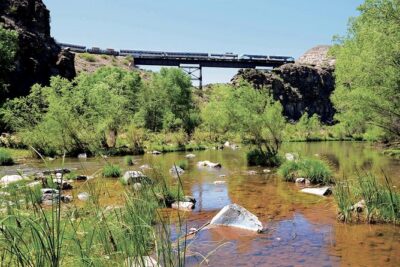
- Verde Canyon Railroad Adventure Package
★ 4.5 · 2,821 reviews - Small-Group Grand Canyon Complete Tour from Sedona or Flagstaff
★ 5.0 · 1,928 reviews - Explore Sedona’s Vortexes: 2.5 Hour Jeep Tour of Mysticism
★ 5.0 · 1,834 reviews
A laser pointer turns the sky into a map
The first part of the program gives you a basic map of the heavens. The guide points out constellations with a laser, explains their positions, and connects them with zodiac names and familiar stories.
This opening is useful because the night sky can look like a wall of unrelated lights. A good guide gives you a few reference points, so you can understand where the telescope is aimed and why a particular object matters. Wes has been praised for storytelling, while other guides, including Dave, Richard, and Mr. Sanders, have been recognized for clear explanations and a strong grasp of astronomy.
You can ask questions during the program and request certain kinds of targets. The tour is described as fully customizable, so you have more say than you would on a rigid lecture. If planets matter most to you, say so. If you want to learn constellations or see a distant galaxy, ask. The number of visible objects will depend on the season, clouds, and moonlight, but the ability to guide the discussion toward your interests is a real plus.
One practical concern is sound. At least one account noted that the guide was sometimes hard to hear or that it was not always clear when the explanation had begun. If you are in a larger setup or standing farther from the guide, stay close enough to hear the instructions. The astronomy content appears to be a strength, but the presentation may not always feel perfectly polished.
Taking turns at the GPS-guided telescopes
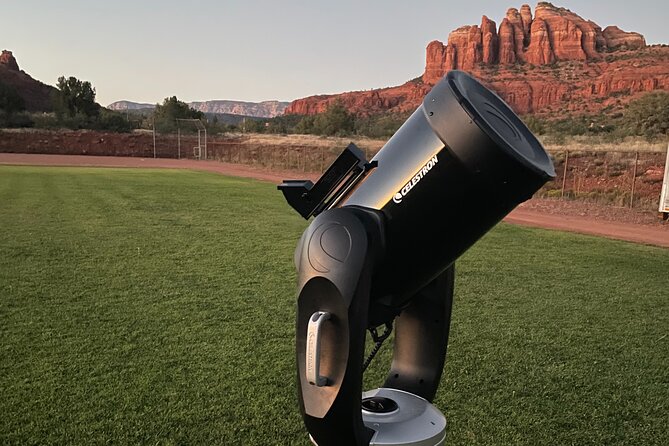
The central part of the evening is the telescope viewing. The equipment includes large telescopes with automatic GPS positioning. That means the guide can locate selected objects with precision rather than spending most of the hour manually searching the sky.
You take turns looking through the instruments. Depending on the night, the targets may include planets, stars, galaxies, nebulae, and star clusters. The telescope views are the reason to book this rather than simply stepping outside your hotel. With the right focus and clear conditions, a planet becomes a distinct object instead of a bright pinprick.
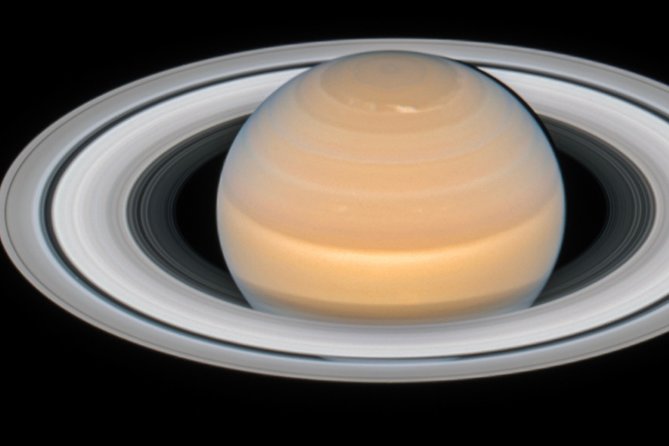
Saturn is the clear crowd favorite. Several accounts describe seeing its rings sharply, and one particularly memorable sight included a moon beside the planet. That kind of view can make the price feel reasonable, especially for children fascinated by space. The Moon can also look impressive through the equipment, with its surface features enlarged far beyond what you see with the naked eye.
The telescopes do not guarantee a perfect view every night. Clouds, haze, and moonlight can limit what the guide can show. A near-full moon may give you excellent lunar detail while washing out faint stars. A cloudy night may offer only brief openings, or none at all. Keep this in mind before booking: the equipment is advanced, but it cannot defeat the weather.
Binoculars and chairs make the waiting easier
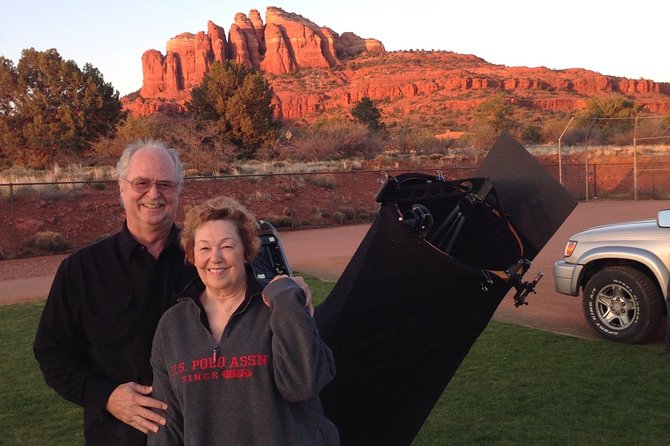
Telescope viewing involves pauses. While one person or one part of the group is looking through a telescope, you can use a pair of wide-view binoculars from a comfortable chair.
That small detail improves the rhythm of the evening. You are not simply waiting for your turn while standing on cold ground. The binoculars give you a wider view of the sky, while the telescope provides close-up detail. These tools serve different purposes, and using both helps you understand the difference between looking at a broad star field and examining one specific object.
Blankets are available, and parkas have been provided during cold winter programs. Still, bring warm layers. December and January nights can be very cold, even when Sedona felt mild during the day. A coat, hat, and gloves are sensible. The blankets are helpful, but I would see them as backup rather than a substitute for proper clothing.
The setup has also worked well for families. Children interested in planets and space have enjoyed seeing Saturn and learning about the sky. The short duration helps, since 75 minutes is long enough to feel substantial without becoming an all-night commitment. Very young children may still find the late hour or cold conditions difficult, so think about your child’s patience and bedtime before reserving.
A completely different kind of day out in Sedona:
- Guided ATV Tour of Western Sedona
★ 5.0 · 1,767 reviews - Half-day Sedona Sightseeing Tour
★ 4.5 · 1,688 reviews - Sedona Outlaw Trail: 3-Hr 4×4 Tour of Western Canyons & Wildlife
★ 5.0 · 1,335 reviews - Sightseeing Highlights Tour of Sedona
★ 4.5 · 1,279 reviews
What the price means at $89 per person
At $89 per person, this is not a casual add-on like walking outside after dinner. You are paying for a professional guide, organized use of large telescopes, astronomy instruction, binoculars, seating, and the chance to view objects that are difficult to find on your own.
I think the price is fair when the sky is clear and you care about astronomy. The equipment and guide turn a dark field into an active lesson, not just a pretty view. The value is strongest for couples who want an unusual evening, families with space-loving children, and anyone who has never looked through a serious telescope.
The value is weaker if you mainly want a romantic view of a starry sky. You can see many stars around Sedona without booking a tour, and a bright moon or cloud cover may reduce the range of objects available. One account found the hour-long format expensive, and that is a reasonable concern.
The private format deserves careful attention. The activity is described as private, with only your group participating. That should appeal to people who want to ask questions freely and tailor the viewing. At the same time, arrival instructions may be adjusted to coordinate the evening, so do not assume your default booking time is the final word.
The tour is often booked well ahead, with an average booking lead time of 23 days. If your Sedona schedule is fixed, I would reserve early, then keep your phone and email available for weather or arrival updates.
Weather, moonlight, and the risk of cancellation
Stargazing is at the mercy of the sky. The operator may cancel when clouds block the view, even if you can still see a few stars from the meeting point. That policy can feel frustrating if you have driven out and the sky looks partly open, but it protects you from paying for a telescope program that cannot deliver its main feature.
Poor weather can result in a different date or a full refund. One cancellation after several cloudy nights was refunded, which is the right result when the conditions fail. You should keep some flexibility in your Sedona itinerary if stargazing is important to you.
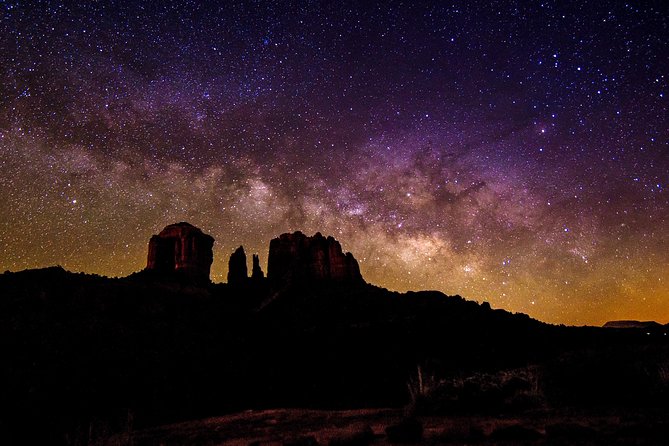
Moon phase is different from cloud cover. A full moon does not necessarily cancel the experience. It can make the Moon itself a superb target and still allow views of planets and brighter stars. But it reduces the contrast of the sky, so do not expect the same Milky Way effect you would get during a darker lunar phase.
If you want faint galaxies, nebulae, and a dense field of stars, check the moon phase before choosing your date if that information is available to you. If you mainly want to see the Moon or a bright planet, moonlight is less of a problem.
Guide style can make or break the evening
The guides are a major part of the value. Wes has been praised as a strong storyteller, especially when explaining constellations and planets. Dave has also received credit for clear explanations, while Richard has been described as personable and skilled with photography. Mr. Sanders was singled out for his astronomy knowledge and enthusiasm.
The best guides do more than name objects. They explain what you are seeing, answer questions, and help you connect the bright point in the telescope with the larger story of the solar system. That is especially useful for children, who may remember Saturn’s rings more clearly when they understand what makes them unusual.
The tone is not purely academic. The program has been described as educational, funny at times, and friendly. You can ask questions rather than simply listen to a script. Guides also make a point of helping people find the correct view through the telescope, which matters when a small adjustment can mean the difference between seeing a sharp planet and a blurry glow.
Presentation can vary. If you have trouble hearing, move closer and speak up. The experience depends on both the equipment and the person using it, so a guide who explains patiently adds real value.
Who should book this Sedona night tour
I would recommend it most strongly to:
- Families with children who are curious about planets and space
- Couples seeking a quiet activity after Sedona’s daytime hikes
- First-time telescope users
- Amateur astronomy fans who want guidance and better equipment
- Anyone willing to dress warmly and accept weather uncertainty
It is less suitable if you need a guaranteed view, dislike sitting outdoors at night, or want a long astronomy session. The program lasts about 75 minutes, not several hours, and conditions may limit the menu of objects.
The activity is offered in English. Most people can participate, and one account praised the staff for assisting a husband with a disability. Still, the supplied information does not spell out detailed accessibility features, so contact the operator before booking if you have specific mobility needs.
Cancellation is free up to 24 hours before the start time for a full refund. Inside that window, changes and cancellations are not accepted, except when the operator cancels for poor weather or because the minimum number is not met.
Should you book Sedona Stargazing Tours?
Book it if you want a guided explanation of the sky and the chance to see planets through serious telescopes. The equipment, laser constellation tour, binoculars, chairs, and friendly astronomy guides make this more useful than simply finding a dark pullout and looking upward.
I would reserve it as an early or middle evening activity, dress warmly, and keep the next day or another evening flexible in case clouds interfere. Check the latest arrival message, ask about the moon phase if faint stars matter to you, and set your expectations around nature rather than a guaranteed celestial menu.
At $89, it is a worthwhile splurge on a clear night, especially if Saturn or the Moon is visible. On a cloudy or very bright night, the value drops sharply. The operator’s willingness to cancel and refund in poor conditions is reassuring, but you should still be ready for plans to change.
FAQ
Where does the stargazing tour meet?
The meeting point is 3511 Verde Valley School Road, Sedona, Arizona 86351, near Oak Creek.
Where does the activity end?
The tour ends back at the meeting point.
How long does the experience last?
The experience lasts approximately one hour and 15 minutes.
How much does the tour cost?
The listed price is $89 per person.
Is this a private tour?
Yes. The activity is described as private, with only your group participating.
What can you see through the telescopes?
Depending on the conditions, you may see planets, stars, galaxies, nebulae, and star clusters. The Moon and Saturn have also been featured.
Are binoculars and chairs provided?
Yes. You receive wide-view binoculars and can rest in a comfortable chair while waiting for telescope viewing.
What happens if the weather is poor?
If the tour is canceled because of poor weather, you will be offered another date or a full refund.
What is the cancellation policy?
You can cancel at least 24 hours before the start time for a full refund. Cancellations or changes made less than 24 hours before the start time are not refunded or accepted.
Recently added around Sedona
- PRIVATE Sedona Jeep Tour 2-hour Lil’ Rattler Off-Road★ 5.0 · 450 reviews
- Introduction to Glassblowing Workshop in Sedona★ 5.0 · 454 reviews
- Sedona Magical Sightseeing Highlight Tour- 5 Stars★ 5.0 · 486 reviews
- Scenic Sedona Tour★ 4.5 · 498 reviews
- Grand Canyon Deluxe Day Trip from Sedona★ 5.0 · 506 reviews
- The Ultimate Ebike Tour of Sedona.The best of Sedona EZRider.★ 5.0 · 538 reviews
- Grand Canyon Complete Day Tour from Sedona or Flagstaff★ 5.0 · 549 reviews
- Bliss – Sedona’s Most Luxurious Wine Tour – Lunch Included!★ 4.5 · 552 reviews
Sedona Tours, compared.
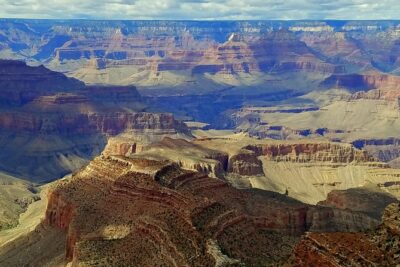
Small-Group Grand Canyon Complete Tour from Sedona or Flagstaff
Read our review →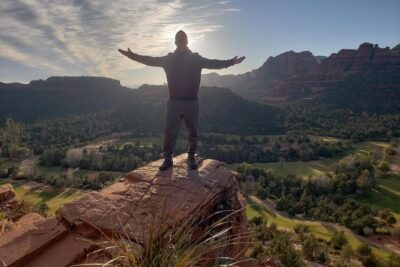
Explore Sedona’s Vortexes: 2.5 Hour Jeep Tour of Mysticism
Read our review →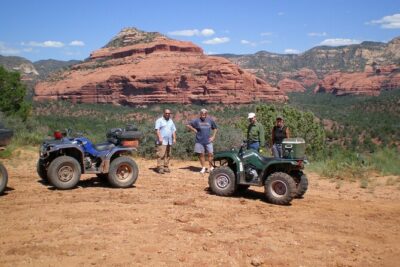
Sedona Outlaw Trail: 3-Hr 4×4 Tour of Western Canyons & Wildlife
Read our review →
Sedona Red Rocks Outback Tour: Scenic with mild off-roading
Read our review →Browse the lists this tour appears in