
Reviewed · HORSES
Gettysburg: Horse-Drawn Carriage Battlefield Tour
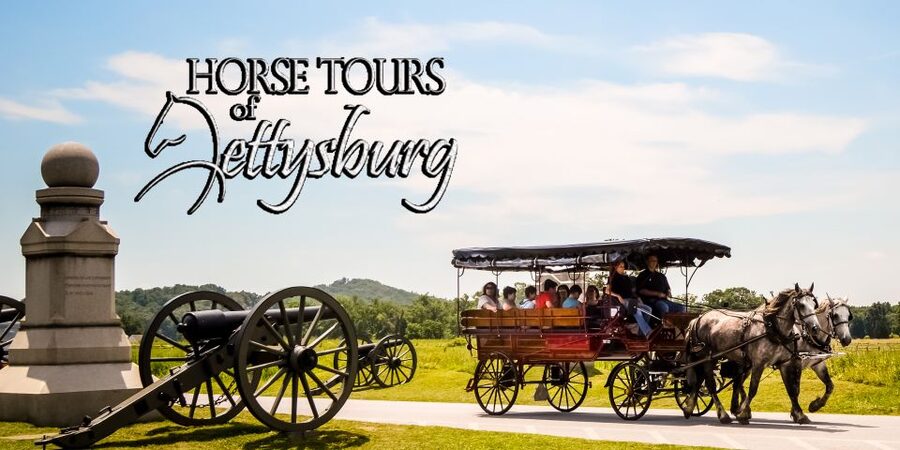
History sounds different from a carriage. Gettysburg’s $74 horse-drawn carriage tour gives you a calm, open-air way to see the battlefield while an official guide explains the fighting, the commanders, and the civilians caught in it. I like the small group of up to 10 and the chance to ask questions instead of listening to a fixed script. I also like the slow pace, which lets you take in the broad fields without walking for two hours.
The main drawback is that this is an outdoor ride, rain or shine. You are exposed to heat, wind, cold, and rain, and one important limitation is that the route may not cover every part of the three-day battle. One rider found the tour focused largely on Day Two, so you may want an auto tour or museum visit as a follow-up if you want the full story.
- Two hours in an open carriage: See the battlefield at a relaxed pace, with the sound of hooves adding a memorable touch.
- A guide at your service: Ask questions throughout the ride, with guides such as Jim, Dale, Truman, Chris, and Jeff praised for clear stories and an engaging style.
- Small-group setting: The carriage holds no more than 10 participants, making conversation easier than on a large bus.
- Time with the horses: Depending on the tour, you may have a short break and a chance to pet the gentle horses and take photos.
- A weather-dependent outing: Bring suitable clothing. The tour runs in rain or shine, and blankets may be available in colder weather.
- A partial battlefield view: It is a fine introduction, but it may not explain all three days of fighting in equal detail.
In This Review
- Why a carriage works at Gettysburg
- Meeting the horses and settling into the carriage
- The opening ride across Gettysburg’s fields
- Understanding the July 1863 battle
- The view from the open carriage
- Is $74 a fair price?
- Who will enjoy this tour most?
- Small details that improve the ride
- Should you book the Gettysburg carriage tour?
- FAQ
- How long is the horse-drawn carriage tour?
- How much does the tour cost?
- Is parking included?
- How many people are in the group?
- What language is the tour conducted in?
- Does the tour operate in bad weather?
- Can wheelchair users join the tour?
- Can I cancel and receive a refund?
Why a carriage works at Gettysburg
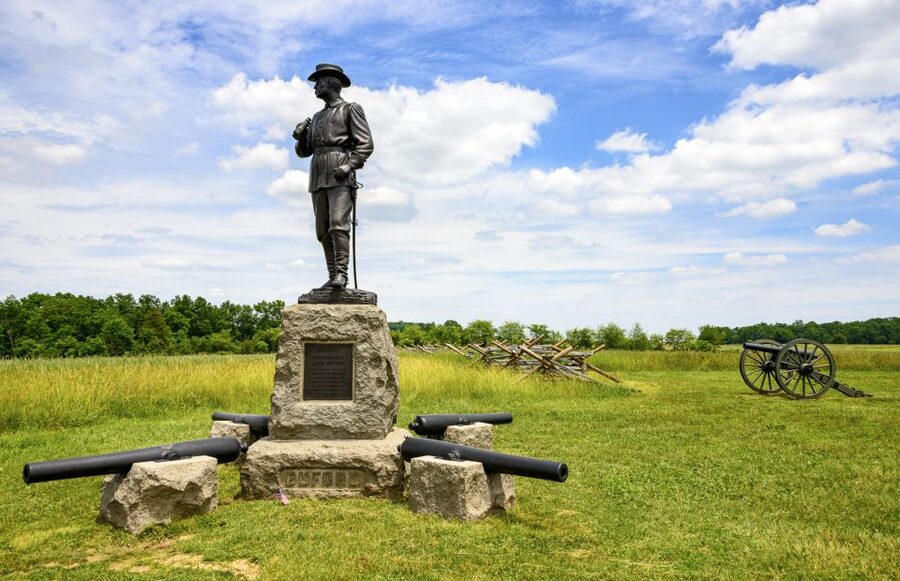
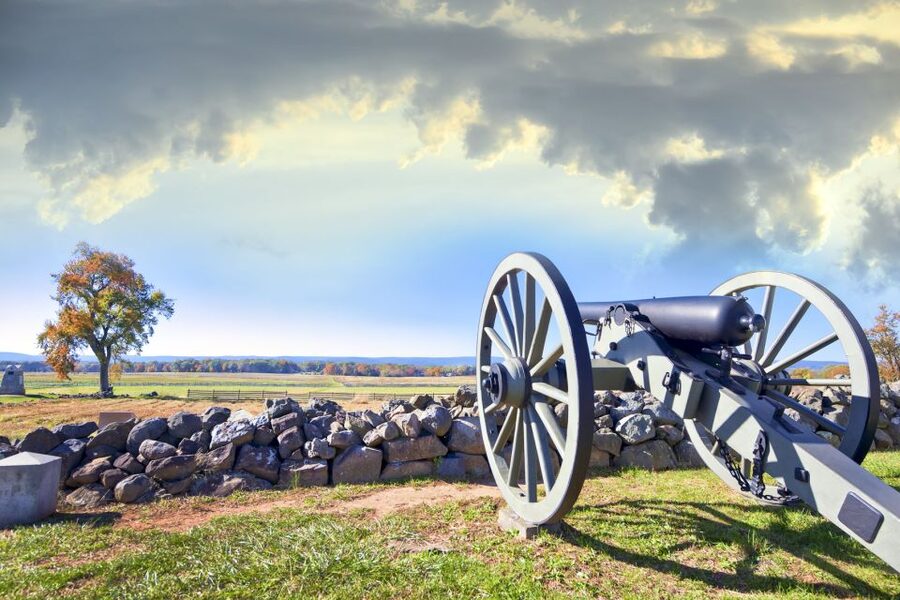
Gettysburg is spread across open fields, roads, ridges, farms, monuments, and memorials. On foot, you can study a small section closely, but covering much ground takes time and energy. In a car, you see more, yet the experience can feel detached from the place.
The carriage offers a useful middle ground. You move slowly enough to notice the fields and monuments, but you are not spending the whole visit walking between points. The clip-clop of the horses gives the ride a gentle rhythm, while the guide connects the scenery to the battle fought here in July 1863.
I especially like this format for a first look at Gettysburg. The battlefield can be hard to understand when you first arrive because the fighting unfolded over a large area and changed from day to day. A guide can point out where events took place and explain how terrain affected decisions.
The pace is also a good match for families. One guide, Truman, kept a morning tour moving slowly enough for children to absorb the information without losing interest. Another guide, Irene’s, used a cannon-firing exercise to help the group picture the force and noise of battle. These small moments keep the history from becoming a long list of names.
Meeting the horses and settling into the carriage
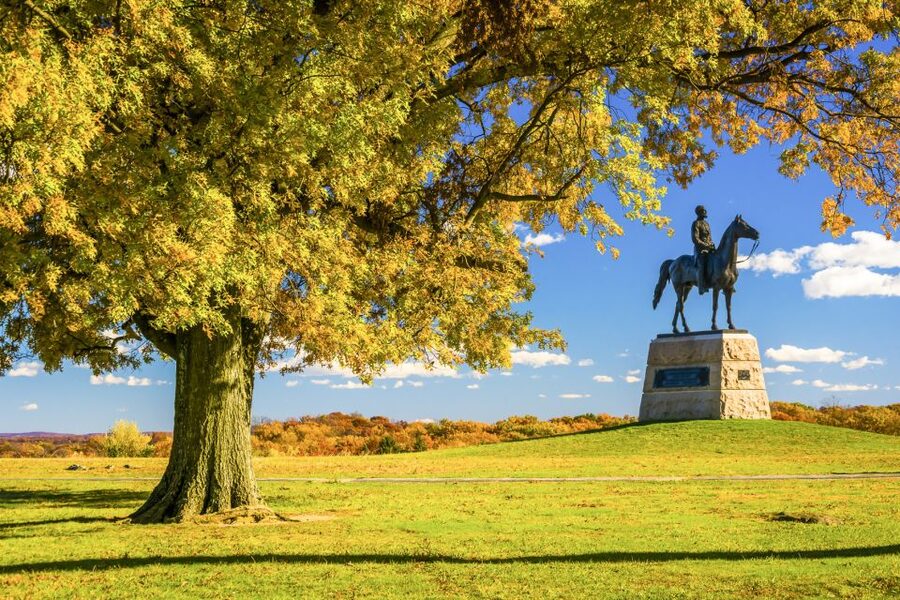
The experience begins at the designated meeting point, where a staff member directs you to parking. Do not park on the grass. Parking is included, which is useful because you do not have to search for a separate lot before the ride.
The carriage is described as antique in style but modern in use. It is open on top, so you get fresh air and broad views in every direction. The seats are functional rather than luxurious. One rider suggested bringing a cushion if you want extra padding for the two-hour ride, though the carriage was considered comfortable overall.
Before departure, the team handling the horses may offer water and explain where you will sit. The horses are a large part of the charm. Different rides have featured pairs with names such as Fred and George, Nash and Trina, Hank and Hunter, and Spencer and Rosie. The horses are described as calm, friendly, and well cared for.
You may get time to pet them during a short break or after returning. That pause is a welcome change from listening continuously, especially for children. It also gives you a chance to take photos with the team.
The horse handlers are not the battlefield guide, so you receive two kinds of attention: practical care from the carriage team and historical interpretation from the guide. The staff has been praised for being friendly, polite, and careful with the horses.
More horseback rides:
- Charleston’s Old South Carriage Historic Horse & Carriage Tour
★ 5.0 · 10,023 reviews - Haunted Evening Horse and Carriage Tour of Charleston
★ 4.5 · 3,678 reviews - Charleston Horse-Drawn Carriage Tour: Explore Historic Charleston
★ 5.0 · 3,561 reviews
The opening ride across Gettysburg’s fields
Once the carriage gets moving, the first stretch is intentionally slow. This is not a quick shuttle to the battlefield. The horses set the pace, and that can take a little patience.
One rider found the journey to the battlefield slower than expected. That is fair criticism if you want nonstop information from the first minute. I would treat the opening section differently: use it to settle in, watch the changing views, and prepare for the scale of the site.
The open carriage lets you see far beyond the road. Green fields extend around you, and the quiet setting can make the events of 1863 feel more immediate. Of course, modern traffic can interrupt the mood. One ride included motorcycles roaring past, a reminder that this is a working public area rather than a sealed historic park.
Your guide begins building the story as the carriage moves. You will hear about the forces involved, the leaders on both sides, and the ordinary residents trapped in the fighting. The strongest guides avoid treating Gettysburg as a memorization test. They explain what people could see, what choices they faced, and why a particular position mattered.
Guides named Jim, Dale, Truman, Chris, Don, John, and Jeff have been singled out for their personal style. Dale has been described as funny and well informed. Don welcomed constant questions rather than following a rigid script. Jeff used an interactive approach, while Chris connected the battle to the wider Civil War.
That variety matters. A fixed narration can work for some people, but a live guide can adjust the level of detail. If you already know Civil War history, you can ask about other battles or commanders. If Gettysburg is new to you, you can stop and ask for the basic sequence again.
Understanding the July 1863 battle
The tour’s greatest value is the guide’s ability to give shape to a complicated event. Gettysburg was not one isolated clash. It developed over several days, with changing positions, attacks, retreats, and decisions made under pressure.
You will learn about the main events of the battle and the leaders involved. The guide also places the fighting in the wider Civil War, which helps explain why Gettysburg mattered beyond the fields directly around the town.
The setting keeps the human cost in view. Tens of thousands of soldiers died, were wounded, or suffered the effects of the fighting. Townspeople were caught between armies, and the town later committed itself to preserving this past for future generations.
That balance is important. A good battlefield tour should explain tactics without turning war into entertainment. The interactive touches, such as imagining a cannon blast, are useful when they help you grasp the experience of the soldiers. The stories remain tied to the people and consequences behind the military movements.
You should also know what the tour may not do. One rider found that the two-hour route concentrated on Day Two rather than giving a full account of all three days. The supplied description does not promise a complete day-by-day circuit, so ask your guide about the route if full coverage is your priority.
I would use this ride as an introduction, not as your only source if you want a detailed study of every phase. It gives you orientation, context, and a strong sense of place. You can then use the auto tour, cemetery, museum, or additional walking stops to fill in the gaps.
The view from the open carriage
The carriage’s biggest sensory advantage is the open air. You feel the breeze, hear the horses, and see across the fields without glass or a bus roof blocking your view. In fall, the cooler air and changing leaves should make the ride especially appealing, while summer offers long daylight and bright views.
That openness is also the main practical risk. The tour operates in all weather, so a pleasant forecast matters. Wear layers, bring rain protection when needed, and do not assume a warm day in town will feel warm in a moving carriage.
A chilly October ride included blankets, which may help in cooler conditions. Still, blanket availability should not replace proper clothing. The tour specifically advises weather-appropriate dress, and that is the right approach.
Heat can be just as important as cold. The carriage is outdoors, and you may have limited shade. Bring what you need for the conditions, though the tour information only specifically confirms that suitable clothing is required and that water may be offered by the staff.
The views are peaceful, but this is a solemn place. The carriage gives you time to look around and remember those who fought here. That slower rhythm can be more affecting than rushing from monument to monument.
A few more US trips worth a look
- 2-Hour Gettysburg Battlefield Guided History Bus Tour with a National Park Guide
★ 4.5 · 2,201 reviews - Civil War Ghosts: Echoes of the Fallen Gettysburg Ghost Tour
★ 4.5 · 913 reviews - Gettysburg Battlefield Self-Guided Driving Audio Tour
★ 4.5 · 910 reviews - Echoes of War All Ages Ghost Tour
★ 5.0 · 658 reviews
Is $74 a fair price?
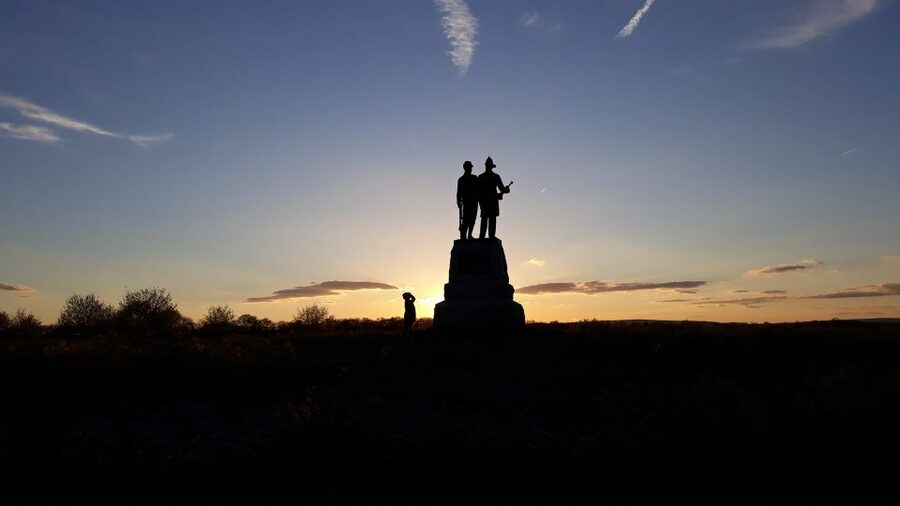
At $74 per person, this is not the cheapest way to see Gettysburg. You are paying for a two-hour carriage ride, parking, a licensed battlefield guide, and a small group limited to 10 people.
The value depends on what you want. If you mainly need transportation around the battlefield, an auto tour may cost less and give you more control over stops. If you want a guide who can answer questions and adjust the conversation, the carriage offers something a self-guided visit cannot.
The small group improves the value. You are not one voice in a crowded coach. You can ask about a monument, a commander, or a detail you do not understand, and the guide can respond directly.
The carriage itself is also part of the experience. You are not simply hearing a talk while moving between locations. The horses, open air, slow pace, and chance to meet the animals create a distinct memory, especially for families and first-time visitors.
I would consider the price reasonable for people who value personal interpretation and a relaxed ride. I would be less enthusiastic if you are focused on covering every battlefield position or want a highly detailed military study. In that case, combine this tour with another way of seeing Gettysburg.
Who will enjoy this tour most?
This ride suits couples, families, small groups, and anyone who wants battlefield context without a long walk. Teenagers can stay engaged because the carriage keeps moving and the guides use stories, questions, and visual examples rather than only formal speeches.
It can also work well for older adults who find extended walking tiring. However, the activity is formally listed as unsuitable for people with mobility impairments and wheelchair users. One person using a cane found the wagon manageable, but that individual experience should not override the stated restriction. Contact the operator before booking if you have mobility concerns.
History fans will appreciate the chance to ask about other Civil War battles. Beginners will benefit from the guide’s ability to explain the basic sequence and point out why the ground mattered.
This is less suited to anyone who dislikes outdoor activities, needs a guaranteed dry setting, or wants a quick tour. The horses move at a measured pace, and rain or shine means exactly that.
Small details that improve the ride
Arrive ready for the weather rather than dressed only for town. An open carriage feels different from standing on a sidewalk, and wind can make a mild day seem cold.
Bring a cushion if carriage seats usually bother you. Two hours is not an extreme length, but a little extra padding can make the ride easier.
Ask questions early. Guides such as Don and Jim have welcomed a steady flow of questions, and the small group format makes this one of the tour’s best advantages.
Give yourself time around the horses. Petting them and taking photos can be one of the most enjoyable parts for children, and adults often find it a pleasant break from the seriousness of the subject.
Think of this as part one of your Gettysburg visit. If you want all three days explained in detail, plan a second activity. One rider specifically wished the tour had included more of the full battle and a visit to the cemetery.
Should you book the Gettysburg carriage tour?
I would book it if you want a personal, relaxed introduction to Gettysburg with a live guide, open views, and a memorable horse-drawn ride. The consistently strong praise for the guides, horses, and small-group setting is justified by what the experience offers.
I would not make it your only battlefield activity if you want a full account of every day and position. Pair it with the auto tour or another history stop, and you will get both the broad orientation and the finer detail.
For families, couples, and first-time visitors, the $74 price can be worthwhile. Just dress for the forecast, expect a slow ride, and remember that the carriage is outdoors in all conditions.
FAQ
How long is the horse-drawn carriage tour?
The tour lasts two hours.
How much does the tour cost?
The listed price is $74 per person.
Is parking included?
Yes. Parking is included, and a staff member will show you where to park when you arrive. Do not park on the grass.
How many people are in the group?
The tour is limited to 10 participants.
What language is the tour conducted in?
The live tour guide speaks English.
Does the tour operate in bad weather?
Yes. This is an outdoor activity that runs rain or shine. You should bring weather-appropriate clothing.
Can wheelchair users join the tour?
No. The activity is listed as unsuitable for wheelchair users and people with mobility impairments.
Can I cancel and receive a refund?
Yes. You can cancel up to 24 hours in advance for a full refund. You can also reserve now and pay later.
Recently added around USA
- Philadelphia: Revolution and The Founders History Tour★ 4.6 · 450 reviews
- South Maui: Molokini Snorkeling Adventure★ 4.6 · 450 reviews
- DC Monuments & History Guided E-Cart Tour-Blankets★ 4.5 · 450 reviews
- From Manhattan: 5-Hour Bronx, Queens, and Brooklyn Bus Tour★ 4.7 · 451 reviews
- PRIVATE Sedona Jeep Tour 2-hour Lil’ Rattler Off-Road★ 5.0 · 450 reviews
- All-Inclusive Sandbar Safari with Dolphin Playground Encounter★ 4.5 · 451 reviews
- Hoover Dam Inside Tour from Las Vegas, WiFi★ 4.5 · 451 reviews
- Private Guided New York City Tour by SUV★ 5.0 · 451 reviews
Horses, compared.
Charleston’s Old South Carriage Historic Horse & Carriage Tour
Read our review →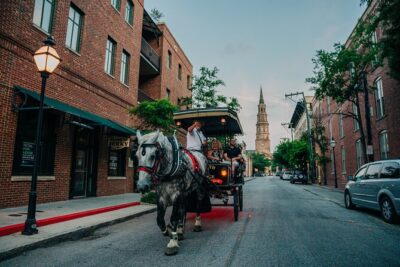
Haunted Evening Horse and Carriage Tour of Charleston
Read our review →
Charleston Horse-Drawn Carriage Tour: Explore Historic Charleston
Read our review →
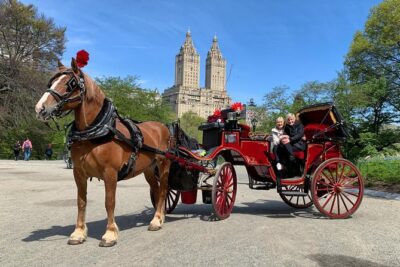
Official NYC Horse Carriage Rides in Central Park since 1979 ™
Read our review →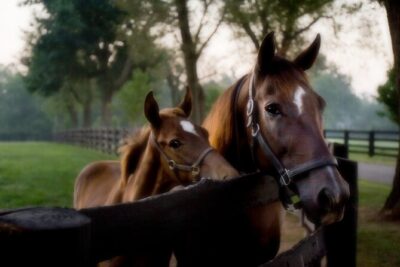
Half-Day Thoroughbred Horse Farm Tour in Kentucky
Read our review →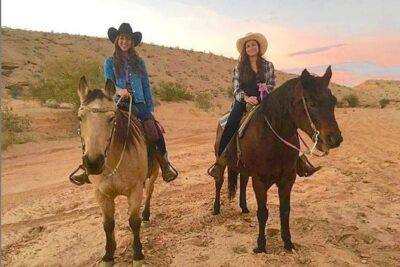
Morning Horseback Ride with Breakfast from Las Vegas
Read our review →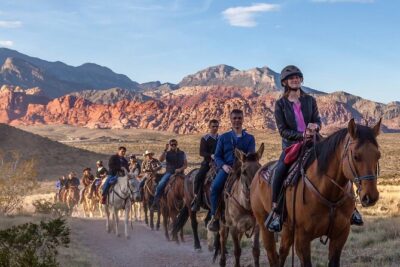
Red Rock Canyon Sunset Horseback Ride and Barbeque Dinner
Read our review →Browse the lists this tour appears in