
Reviewed · FRENCH QUARTER TOURS
New Orleans: Voodoo Queen Tour of French Quarter
New Orleans keeps its secrets in plain sight. This 90-minute walk connects Marie Laveau’s life with the French Quarter, Congo Square, jazz, the Code Noir, and Voodoo as a living spiritual practice. I like the way it treats Voodoo as part of New Orleans culture rather than a bundle of spooky stories. I also like the chance to enter an authentic Voodoo store and see a temple.
The strongest guides, including Orion, Gomez, Wes, Scott, and Carlos, bring humor and real care to a difficult subject. The main drawback is simple: 90 minutes on foot can feel short, especially when the stories get going, and there is no planned coffee or rest stop.
In This Review
- Key points before you book
- Why Marie Laveau gives the walk its focus
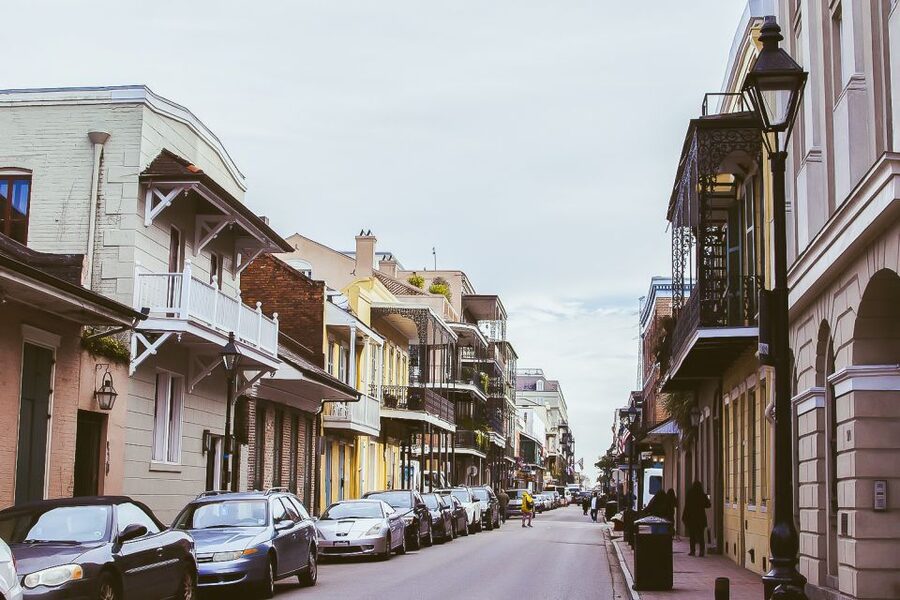
- Walking through the French Quarter
- Congo Square and the roots of New Orleans culture
- Learning what Voodoo is, and what it is not
- Inside the Voodoo store and near the temple
- The cemetery and Marie Laveau’s final resting place
- The guides make the biggest difference
- Walking comfort, pace, and accessibility
- Is $25 a good value?
- Who should book this French Quarter walk?
- FAQ
- How long is the Voodoo Queen Tour?
- What language is the tour conducted in?
- What does the price include?
- Is hotel pickup included?
- Is the tour wheelchair accessible?
- Can I cancel for a refund?
- Should you book it?
Key points before you book
- Marie Laveau is the central figure: Follow the story of New Orleans’s most famous Voodoo practitioner, including her childhood home and final resting place.
- This is more history walk than ghost tour: The guide explains Voodoo practice and corrects popular myths instead of relying only on scares.
- The French Quarter supplies the setting: See landmarks tied to the city’s music, religion, slavery-era laws, and Creole culture.
- Congo Square adds important context: The tour connects African traditions and public gathering spaces with the development of New Orleans culture and jazz.
- You enter an authentic Voodoo store: This gives the subject a present-day setting, not just a look backward at Marie Laveau.
- The $25 price is fair: A licensed guide, a focused walking route, and store entry make this a good-value introduction, provided you are comfortable walking for 90 minutes.
Why Marie Laveau gives the walk its focus
Marie Laveau is not treated as a footnote here. She is the thread that ties the route together, giving you a person to follow through the city’s complicated religious and social past.
The tour looks at her childhood, her home, her reputation, and the place associated with her final resting place. That personal angle matters. It keeps the experience from becoming a vague talk about old New Orleans and gives the guide a clear way to explain how one woman became such a lasting figure.
You should expect some care around the difference between historical record, local tradition, and later legend. Marie Laveau’s public image has grown over time, and the tour is designed to separate popular ideas about her from the wider practice of Voodoo.
That approach is one of the experience’s best features. If you arrive expecting nonstop tales of curses and ghosts, you may find the tone more serious and educational than expected. If you want the real history behind the legends, that is precisely the point.
More French Quarter tours:
- New Orleans Food Walking Tour of the French Quarter with Small-Group Option
★ 5.0 · 6,118 reviews - New Orleans French Quarter, Voodoo and Culture Walking Tour
★ 4.5 · 2,961 reviews - French Quarter Historical Sights and Stories Walking Tour
★ 5.0 · 2,724 reviews
Walking through the French Quarter
The French Quarter is the stage for the entire tour. You move through streets associated with Marie Laveau and with the wider forces that shaped New Orleans.
The route includes the location of her childhood home, a useful stop because it places her within the ordinary life of the city rather than turning her into a distant supernatural character. From there, the guide can connect her story to the people, customs, and laws around her.
You also learn about the Code Noir. This set of French colonial laws regulated the lives of enslaved people and shaped religious and social life in Louisiana. It is an essential piece of context because Voodoo in New Orleans did not develop in isolation. African beliefs, Catholic traditions, colonial rule, and local customs met in the same city.
The guide also points out the birthplace of jazz. The supplied details do not promise a music performance, so do not book this expecting one. Instead, think of the stop as part of a larger explanation of how New Orleans traditions grew from overlapping African, Caribbean, European, and local influences.
This is where the walk earns its $25 fee. You could pass these streets alone, but the buildings would not explain themselves. A good guide turns a normal-looking corner into a clue.
Congo Square and the roots of New Orleans culture
Congo Square is one of the most useful stops mentioned in the tour experience. It connects the story of Voodoo with African cultural memory and with the public life of New Orleans.
The guide discusses Congo Square as a place tied to gathering, music, and cultural expression. That helps you understand the city as more than French architecture and party streets. It also gives the jazz reference a wider frame.
For many people, this may be the first time the city’s spiritual traditions are explained alongside its music and social history. That connection is valuable, but the subject deserves attention rather than a quick photo stop. Since the whole walk lasts 90 minutes, the amount of time spent here can depend on the group and the guide.
Several guides receive especially strong praise for making complicated subjects easy to absorb. Orion is repeatedly described as passionate about New Orleans history and its effects on the present. Wes is praised for clear storytelling and for adding small cultural details, such as the custom of pinning a dollar to your shirt on your birthday.
Those touches make the walk feel less like a lecture. You get major historical themes, but also the small customs that help a city feel like a place where people live.
Learning what Voodoo is, and what it is not
The tour’s clearest purpose is to correct the usual picture of Voodoo. The guide explains that Voodoo is still practiced today and is not simply a collection of horror-movie props, spells, or frightening tales.
That correction is important in New Orleans, where commercial tours and souvenir shops can reduce serious religious traditions to entertainment. This experience aims for a more respectful explanation of the beliefs and practices connected with Voodoo.
You may hear how Voodoo developed within New Orleans’s mix of African, Caribbean, Catholic, and colonial influences. The exact balance of topics will depend on the guide, but the advertised route puts religious practice at its center.
Scott is praised for explaining Voodoo clearly and correcting old misinformation. Carlos is praised for showing respect toward the spiritual side of the subject while keeping the tour lively. Orion receives similar praise for presenting the culture without folding it into a standard ghost walk.
That combination of respect and humor is hard to manage. Too much solemnity can make a walking tour heavy going. Too much comedy can make a religion feel like a costume. The best accounts of this experience suggest the guides generally find the right line.
A few more US trips worth a look
- New Orleans Premier Ghost, Voodoo and Vampire Walking Tour
★ 4.5 · 12,856 reviews - New Orleans Steamboat Natchez Jazz Cruise with Dinner Option
★ 4.0 · 7,533 reviews - Adults-Only New Orleans Ghost, Crime, Voodoo, and Vampire Tour
★ 5.0 · 6,545 reviews - New Orleans Swamp and Bayou Boat Tour with Transportation
★ 5.0 · 5,399 reviews
Inside the Voodoo store and near the temple
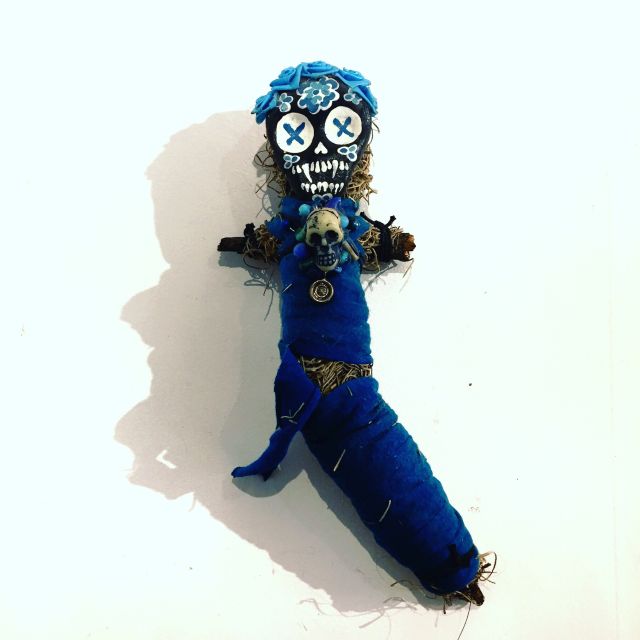
Entry to an authentic Voodoo store is included. This is not just a shopping bonus. It gives you a chance to see how Voodoo is represented in a place connected to its modern practice.
The stop may be especially useful after the guide has explained the difference between religious objects, popular symbols, and commercial souvenirs. It lets you look at the subject in a real setting rather than only hearing about it on the sidewalk.
The tour also includes a Voodoo temple. The supplied details do not promise a ceremony or a chance to participate in worship, so you should expect to see the location and learn about its role, not take part in a ritual.
That distinction is worth keeping in mind. The tour is educational and observational. It is not marketed as a private spiritual session, a supernatural encounter, or a fortune-telling appointment.
For anyone uneasy about the word Voodoo because of old stereotypes, this part of the route can be a useful reset. You are given a chance to see the tradition as something practiced by real people today.
The cemetery and Marie Laveau’s final resting place
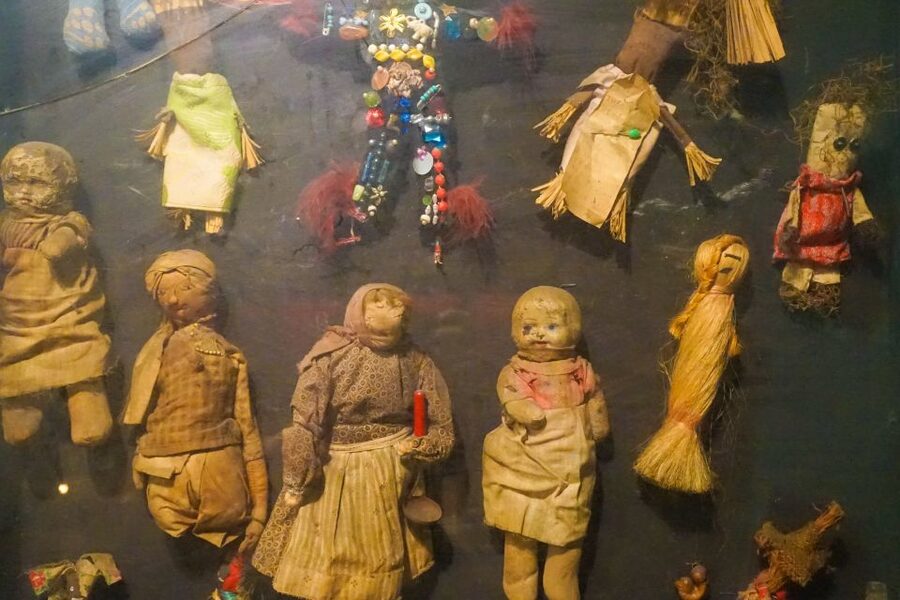
Marie Laveau’s final resting place is one of the main highlights. Cemetery stops are a natural part of New Orleans history, but they can also be the most logistically uncertain part of a walking tour.
Past conditions have affected access. During the COVID period, cemetery interiors were closed, and the guide adapted by taking the group to the gates and explaining the history from outside. That example shows why you should listen to the current meeting instructions and understand that access may change.
You may see the cemetery associated with Marie Laveau, but the supplied information does not guarantee a particular amount of time inside or a specific tomb visit. The value of the stop comes from the guide’s explanation, not just from standing near a grave.
This is another reason to choose this tour instead of simply wandering to a cemetery alone. The guide can explain the stories attached to the people buried there and place Marie Laveau within the city’s religious and social past.
Do not expect a quiet, lengthy cemetery visit. The full activity is only 90 minutes and includes several subjects. Some people may wish it lasted longer, while others will appreciate the compact format.
The guides make the biggest difference
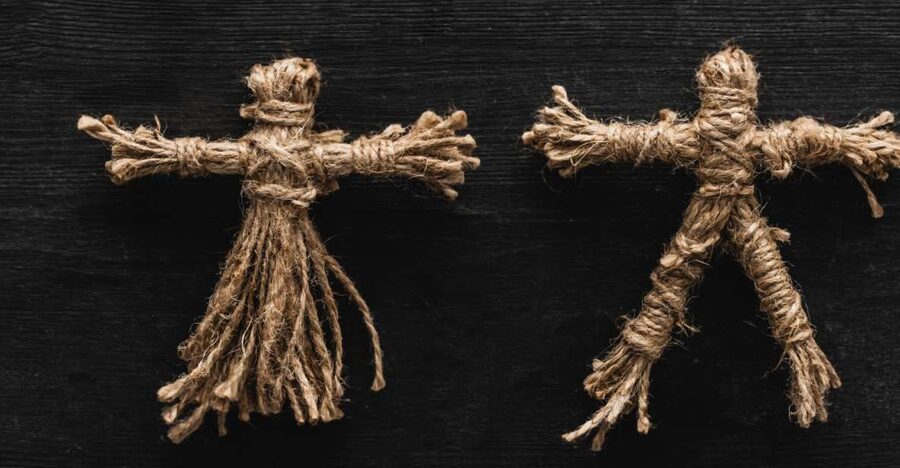
The most consistent strength is the guide. The tour uses an English-speaking licensed guide, but the actual personality and emphasis can vary by departure.
Orion is singled out for passion, accuracy, and a respectful explanation of Voodoo. Gomez is praised for being lively, funny, generous with local tips, and able to keep a group interested from beginning to end. Wes is described as personable, professional, and strong on both New Orleans and Marie Laveau.
Scott receives credit for correcting misinformation and explaining the subject in a natural way. Carlos is praised for being engaging, considerate, and attentive to people who needed more time to keep up. Earlier tours also mention guides named DJ, Matt, Tim, and Eva.
You may not be able to choose your guide, so I would not book on the assumption that one particular person will lead your walk. Still, the range of positive comments suggests that the company has several guides who can handle the subject well.
A good guide matters more here than on a simple sightseeing loop. Voodoo requires context, and the history includes slavery, colonial law, race, religion, and folklore. You want someone who can answer questions without turning every detail into a shock story.
Walking comfort, pace, and accessibility
The tour lasts 90 minutes and is wheelchair accessible. That is useful, but accessible does not mean effortless. You are still taking a walking tour through the French Quarter, so ask at the start if you need the group to slow down or wait.
Carlos is specifically praised for waiting for a wheelchair user to catch up before continuing his explanation. Orion is also praised for paying attention to different accessibility needs. Those details suggest a considerate approach, though individual conditions and group sizes can affect the pace.
Wear good walking shoes and bring water. A past participant gave exactly that practical advice, and it makes sense in New Orleans weather.
There is no included hotel pickup or drop-off. You need to reach the meeting point on your own and arrive 15 minutes before the scheduled start. Since the walk begins at a set time, leave room for finding the meeting point in the French Quarter.
The 90-minute length is a mixed blessing. It is short enough to fit into a busy New Orleans day, but long enough to cover several stops without feeling like a five-minute introduction. On the other hand, you will be on your feet for the full outing, and there is no scheduled coffee or bar break.
Is $25 a good value?
At $25 per person, this is a strong-value introduction to a difficult subject. The price includes the walking tour, a licensed guide, and entry to an authentic Voodoo store.
You are paying mainly for interpretation. The French Quarter itself is free to walk through, but the guide supplies the links between Marie Laveau, the Code Noir, Congo Square, jazz, the cemetery, and modern Voodoo practice.
The value rises if this is your first visit to New Orleans or your first time studying Voodoo beyond popular myths. It also works well as an orientation walk before visiting other historic sites, because it gives you context for the city’s streets and traditions.
The value is less clear if you want a theatrical ghost tour, a long cemetery visit, or a fully private experience. This is a shared walking tour, and the guide needs to balance questions and explanations for the whole group.
Flexible booking also helps. You can reserve now and pay later, and cancellation is free up to 24 hours before the scheduled start for a full refund. Those terms are useful if weather or your New Orleans plans are uncertain.
Who should book this French Quarter walk?
I would recommend it to anyone who wants a thoughtful introduction to New Orleans Voodoo and Marie Laveau. It suits curious first-time visitors, history fans, and people who want to understand how religion, music, slavery-era law, and local identity connect.
It also suits families with older children who can handle historical subjects and a walking pace. One family described enjoying the story of Marie Laveau and New Orleans together, even though they initially expected something much scarier.
You should think twice if your priority is horror entertainment. The tour can be spooky in places, but its goal is to explain rather than frighten.
I would also avoid packing this into a day when you are already scheduled for several long walks. The route may be accessible, but your feet still know the difference between a 90-minute stroll and a carriage ride.
FAQ
How long is the Voodoo Queen Tour?
The tour lasts 90 minutes. Check the available start times when booking.
What language is the tour conducted in?
The live tour guide speaks English, and the listed tour language is English.
What does the price include?
The $25 price includes the walking tour, an expert licensed guide, and entry to an authentic Voodoo store.
Is hotel pickup included?
No. Hotel pickup and drop-off are not included, so you must make your own way to the meeting point.
Is the tour wheelchair accessible?
Yes, the activity is listed as wheelchair accessible. Guides have also been praised for waiting for wheelchair users and making room for accessibility needs.
Can I cancel for a refund?
Yes. You can cancel up to 24 hours before the scheduled activity for a full refund. You can also reserve now and pay later.
Should you book it?
Book this tour if you want the story behind the symbols. At $25, it gives you a focused route through the French Quarter, a clear introduction to Marie Laveau, and a more respectful explanation of Voodoo than the usual spooky sales pitch.
The strongest reason to go is the guide. Orion, Gomez, Wes, Scott, and Carlos are all praised for combining clear history with warmth and humor. Bring water, wear good shoes, arrive 15 minutes early, and expect a serious cultural walk with entertaining moments.
Skip it only if you want a purely theatrical ghost experience or dislike walking for 90 minutes. For everyone else, this is a practical, fairly priced way to see a side of New Orleans that is easy to miss when you only follow the music and nightlife.
Recently added around New Orleans
- New Orleans French Quarter Photo Shoot★ 5.0 · 462 reviews
- New Orleans: 2-Hour Ghosts & Vampires Walking Tour★ 4.5 · 465 reviews
- New Orleans: Sunday Steamboat Jazz Cruise + Optional Brunch★ 4.3 · 470 reviews
- Garden District Home and History Walking Tour★ 5.0 · 470 reviews
- New Orleans Jazz History and Music Walking Tour★ 4.5 · 477 reviews
- New Orleans: Garden District Tour★ 4.8 · 480 reviews
- Small-Group Manchac Swamp Kayak Tour with Local Guide★ 5.0 · 480 reviews
- New Orleans Highlights of the Garden District Walking Tour★ 5.0 · 492 reviews
French Quarter Tours, compared.

New Orleans Food Walking Tour of the French Quarter with Small-Group Option
Read our review →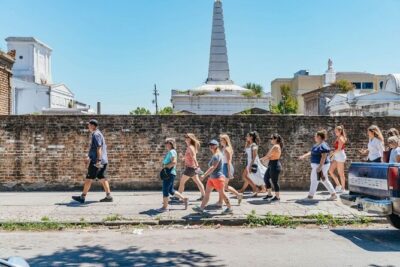
New Orleans French Quarter, Voodoo and Culture Walking Tour
Read our review →
French Quarter Historical Sights and Stories Walking Tour
Read our review →
Ghost and Vampire Walking Tour Of The French Quarter
Read our review →
New Orleans City Tour: French Quarter, Garden District & Cemetery
Read our review →
Charleston French Quarter or Brunch Food Tour with 7+ Tastings
Read our review →
New Orleans French Quarter Food Tour: Cajun, Creole and Culture
Read our review →Browse the lists this tour appears in