
Reviewed · MANTA RAY NIGHT SNORKELS
Night Manta Ray Experience
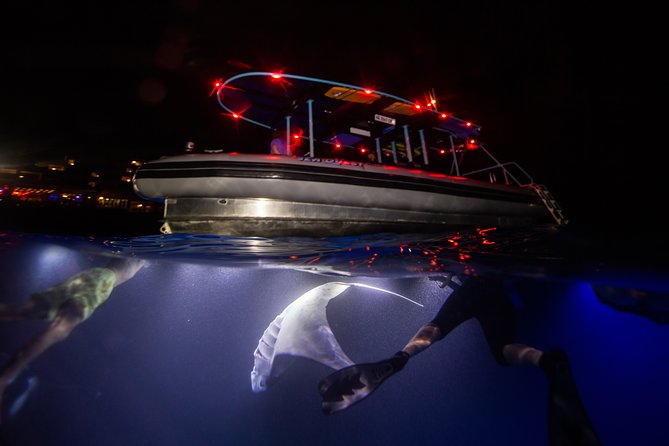
The ocean comes alive after sunset. In Kona, Sea Quest Hawaii takes you into warm nighttime waters where giant manta rays circle a lighted float and feed on plankton. These gentle animals can reach 16 feet across, yet they may glide within inches of your face.
I especially like the short boat ride to the manta site and the thoughtful equipment package, which includes snorkel gear, wetsuits, flotation devices, and hot chocolate afterward. The crew also earns high marks for calm safety instruction and helpful in-water guidance. The main catch is simple: you need to swim, handle a snorkel, and climb a short boat ladder. Rough water and seasickness can also affect the night.
With a 4.9 rating from 752 reviews and 97 percent of visitors recommending it, this is one of Kona’s strongest choices for a manta encounter. The $146.41 price is not small, but the close viewing, trained crew, and included gear make it a fair value for a rare Big Island activity.
In This Review
- Key Details Before You Book
- FAQ
- Where does the Night Manta Ray Experience meet?
- Is transportation provided?
- How long does the experience last?
- What equipment is included?
- Do I need snorkeling experience?
- What happens if no manta rays are seen?
- Can I cancel for a full refund?
- What happens if bad weather cancels the tour?
Key Details Before You Book
- The manta rays feed just below the surface: Lights attract plankton, and the rays make graceful passes beneath the floating viewing board.
- Sea Quest keeps the outing compact: The full activity lasts about 1 hour and 30 minutes, with the tour beginning and ending at 78-7138 Kaleiopapa Street in Kailua-Kona.
- All core water gear is included: You receive snorkel equipment, a wetsuit, and flotation support. Bring your own towel and dry clothes.
- You must be comfortable in the water: Everyone in your group should be able to swim, snorkel, manage a wavy setting, and climb a short ladder back onto the boat.
- The manta guarantee means another outing, not a refund: If no manta rays appear, Sea Quest offers a free return during the same vacation, based on availability.
Many wildlife outings ask you to sit back and watch. This one puts you in the water, face down at the surface, with a lit viewing board nearby and manta rays passing below. The darkness changes the mood completely. You see the animals when they enter the light, almost as if they are appearing from nowhere.
The rays come to feed on plankton gathered by the lights. Their broad fins make slow, graceful turns, and their mouths open as they sweep through the water. You may see one animal, or several making repeated passes. Recent outings described groups of four, seven, eight, ten, and even more than ten manta rays.
That range matters. No wildlife encounter can promise a particular number of animals, and the manta guarantee only applies when zero rays are seen. Still, the company reports that mantas are seen almost every night, and the supplied experiences show how varied the action can be.
The close distance is the unforgettable part. A manta may pass just inches from your mask, roll beneath the board, or brush against someone by chance. You should never reach out or try to touch one, but the animals can come remarkably close on their own.
This is not a standard daytime snorkel. The dark sea, the focused lights, and the quiet movement of the mantas create a very different setting. It has the feel of a natural show, but the animals are wild and free to come and go.
You meet at Sea Quest Hawaii’s base at 78-7138 Kaleiopapa Street in Kailua-Kona. The activity returns to this same meeting point, and no transportation is provided, so you need to arrange your own ride.
Give yourself extra time to find the facility and park. Parking has been described as tight, and arriving a little early is sensible. The meeting area has a staging facility near the dock, which makes changing and preparing easier than joining a boat from a bare roadside spot.
Complete the required confirmation and waiver steps before the start time whenever possible. One late-arriving group received help from the staff and still made it onto the boat, but you should not count on a delayed arrival being manageable. A punctual start keeps the whole outing running smoothly.
Bring a towel. That sounds obvious, but it is not supplied, and you will appreciate having one after a nighttime swim. A warm change of clothes for the ride home is also practical, particularly if you tend to feel cold after being in the water.
The boat ride to the viewing location is short, which is one of the tour’s biggest practical advantages. You spend less time bouncing around offshore and more time near the manta area. The short ride also helps if you are nervous about boats or prone to motion sickness, though it does not remove that risk.
Once at the site, the crew provides the snorkel gear, wetsuit, and flotation equipment. Wetsuits help preserve body warmth, but the water can still feel cool after you have been floating for a while. Hot chocolate at the end is a welcome touch, and some outings have also included cookies, according to the supplied details.
The water can be rough. Even strong swimmers may find it tiring to hold position in waves, especially at night when you cannot use the shore or a nearby reef for visual reference. The viewing boards give you something to hold, reducing the effort needed to stay in place.
The crew’s role is important here. Guides explain how the encounter works, share facts about manta rays, and help people feel secure in the water. Specific guides named in the feedback include Kim, Rick, Em, and Sage, with Skyler and Captain John also praised for their work. The names may change with the schedule, but the pattern is clear: the in-water staff are central to the outing.
The main viewing takes place from the surface. You hold onto a float or viewing board while looking down into the illuminated water. The light draws plankton, and the mantas arrive to feed.
The phrase manta ray ballet is not just promotional fluff. The animals make barrel rolls, loop through the light, and turn with surprising control for creatures that can weigh up to 1,000 pounds and measure up to 16 feet across. Their movement is slow enough to follow, yet close enough to make you instinctively pull your face back from the mask.
You might see a manta immediately, or you may wait for the first appearance. The encounter is not timed like a stage performance, and no particular number is assured. Some nights produce nonstop action. Other nights may be quieter. That uncertainty is part of choosing a wild-animal activity.
The guides add real value by talking you through what is happening. You may learn about the animals while watching them feed, rather than trying to understand the behavior later from a brochure. The best approach is to listen, keep your body calm, and let the mantas set the pace.
Stay aware of your surroundings. A large group can mean more viewing positions and more lights, but it can also mean less personal space. The maximum group size is 27 people. One group of 25 felt that the extra light board improved the viewing, while a smaller group may feel less crowded.
At $146.41 per person, this is a substantial addition to a Big Island holiday. You are paying for boat access, staff, equipment, wetsuits, flotation devices, and a highly unusual wildlife setting. You also avoid the cost and hassle of buying or renting separate snorkel equipment.
I consider the price reasonable if seeing manta rays is high on your list. This is not a casual beach activity that you can easily replace with a free shoreline swim. The nighttime setting and close viewing make it a distinctive Kona experience.
Value depends on how well you prepare. If you are uneasy in open water, prone to seasickness, or unable to climb a ladder, the money may not feel well spent. You should be honest about your swimming ability before booking. The activity requires everyone in your group to have snorkeling experience and to manage a moderate level of physical effort.
The free return policy provides some reassurance if absolutely no mantas appear. You can come back during the same vacation, subject to availability, or take a confirmed afternoon snorkeling adventure at no added charge. This is not a partial refund or an open-ended future voucher. If you see even one manta, the guarantee does not apply, and no refunds are available for a disappointing number of animals.
The most common practical warning is motion sickness. Several people still rated the outing highly after becoming seasick, but that does not mean you should ignore the risk. If boat motion usually affects you, speak with a medical professional about suitable medication and take it before the trip as directed.
Rough water can make the outing harder than the calm photographs suggest. You need to keep your mask in place, hold the board, watch the water, and climb back aboard at the end. One family felt their children managed well in wavy conditions but believed an older relative might have struggled with the ladder and waves.
Cold is another small but real issue. The wetsuit helps, and Kona’s water is warm by many standards, but nighttime conditions can still leave you chilled. Bring a towel, dry clothes, and something warmer for the journey back.
There is also no transportation from hotels. You must reach the meeting point yourself, and the parking area may feel cramped. These are minor problems, but they can turn into major ones if you arrive late, leave your towel behind, or underestimate the drive.
This tour suits confident swimmers who already know how to use a snorkel. You do not need to be an expert athlete, but you should be comfortable floating in wavy water and following instructions in the dark.
Families can enjoy it, provided every child meets the swimming and ladder requirements. The supplied experiences include families with teenagers and children who managed the conditions well. Still, a parent should think carefully about each child’s comfort level rather than assuming that a strong swimmer will enjoy nighttime ocean conditions.
Couples will find it especially memorable, but the experience is not only for romantic occasions. It also works well for friends, older children, and anyone who wants a wildlife encounter that feels genuinely different from a normal snorkel.
I would skip it if you cannot swim, have no snorkeling experience, cannot climb a short ladder, or feel very uneasy in open water. A good attitude cannot replace those basic physical requirements.
Arrive early, especially because parking is tight. Wear clothing that is easy to change out of and bring a towel, dry clothes, and a warm layer.
If you use glasses, ask about available mask options. One outing had a prescription mask available, which can make a major difference for clear viewing. Do not assume every prescription strength is on hand, so ask before departure.
Take seasickness seriously. Eat and hydrate sensibly, follow medical advice, and tell the crew if you start feeling unwell. You can still appreciate the mantas, but the night is much harder if you spend it fighting nausea.
For photos, ask about a GoPro rental before you arrive. The supplied information specifically recommends this option for saving images of the mantas. Do not expect the standard outing to automatically include photographs.
Finally, listen to the in-water guides. Their instructions help keep the group safe and protect the animals. The best views come when you hold still and allow the manta rays to pass naturally.
Yes, if you can swim confidently, handle a snorkel, and accept the chance of waves or seasickness. The combination of short boat travel, included equipment, attentive crew, and close manta encounters makes this one of the Big Island’s most memorable paid activities.
I would book it well ahead, since it is often reserved about 26 days in advance. Pick a time that fits your sleep schedule, and remember that the outing ends at night, not at your hotel.
Skip it only if the physical requirements do not suit you. For everyone else, the $146.41 cost buys a rare chance to watch huge, gentle animals feed at arm’s reach. That is a strong use of one evening in Kona.
FAQ
More manta ray night snorkels:
- Big Island Manta Ray Night Snorkel
★ 5.0 · 5,656 reviews - Big Island: Kona Manta Ray Snorkel Tour in Keauhou Harbor
★ 4.5 · 2,465 reviews - KONA Manta Ray Night Snorkel – FREE re-ride if no Sightings
★ 5.0 · 2,212 reviews
Where does the Night Manta Ray Experience meet?
The tour meets at Sea Quest Hawaii, 78-7138 Kaleiopapa St, Kailua-Kona, Hawaii 96740. The activity ends back at the same meeting point.
Is transportation provided?
No. You must arrange your own transportation to and from the Sea Quest Hawaii meeting point.
How long does the experience last?
The activity lasts approximately 1 hour and 30 minutes.
A few more US trips worth a look
- Manta Ray Night Snorkel at Kona, Big Island
★ 5.0 · 1,758 reviews - Big Island GOAT Experience: Mauna Kea Summit, Sunset & Stars
★ 5.0 · 1,706 reviews - Big Island: Mauna Kea Summit Tour with Free Night Star Photo
★ 5.0 · 1,449 reviews - Glow of the Deep: Night Snorkeling with Manta Rays
★ 4.5 · 1,254 reviews
What equipment is included?
Snorkel gear, wetsuits, and flotation devices are included. Towels are not provided, so bring one with you.
Do I need snorkeling experience?
Yes. Everyone in your group must have snorkeling experience, be able to swim, and be comfortable in the water.
What happens if no manta rays are seen?
If zero manta rays are seen, Sea Quest allows you to return during the same vacation at no additional charge, based on availability. You may also take a confirmed afternoon snorkeling adventure at no added cost. The policy does not provide refunds.
Can I cancel for a full refund?
Yes. You can cancel at least 24 hours before the experience start time for a full refund. Cancellations within 24 hours are nonrefundable, and changes within 24 hours are not accepted.
What happens if bad weather cancels the tour?
If poor weather forces cancellation, you will be offered a different date or a full refund.
Recently added around Big Island of Hawaii
- Zodiac Raft Whale Watching Adventure★ 5.0 · 456 reviews
- Deluxe Sail & Snorkel to the Captain Cook Monument★ 5.0 · 472 reviews
- Award Winning Farm Tour: Coffee, Chocolate and Unique Gifts★ 5.0 · 484 reviews
- Kailua-Kona: Manta Ray Watching Nighttime Boat Trip★ 4.8 · 488 reviews
- Manta Ray Night Snorkel Experience of a Lifetime★ 4.5 · 505 reviews
- Glass-Bottom Boat Reef Tour★ 4.5 · 506 reviews
- Kealakekua Bay Snorkeling Tour – 4 hour Kona Zodiac Adventure★ 5.0 · 508 reviews
- Big Island Waterfalls Tour with Swimming and Botanical Garden★ 5.0 · 513 reviews
Manta Ray Night Snorkels, compared.
Big Island: Kona Manta Ray Snorkel Tour in Keauhou Harbor
Read our review →
KONA Manta Ray Night Snorkel – FREE re-ride if no Sightings
Read our review →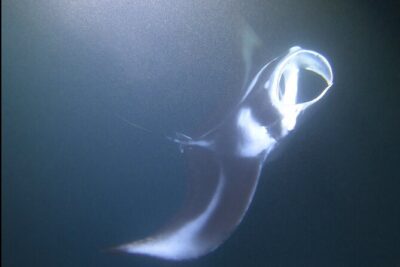
Glow of the Deep: Night Snorkeling with Manta Rays
Read our review →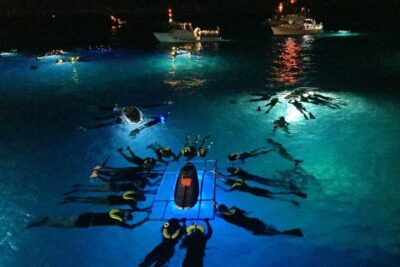
Kailua Kona: Night Manta Ray Adventure on the Big Island
Read our review →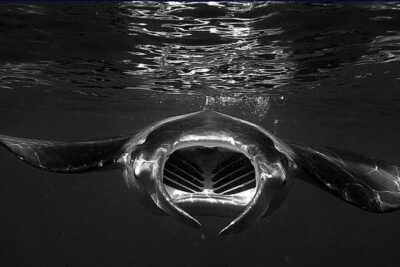
Manta Magic: Small-Group Manta Ray Night Snorkel in Kailua Kona
Read our review →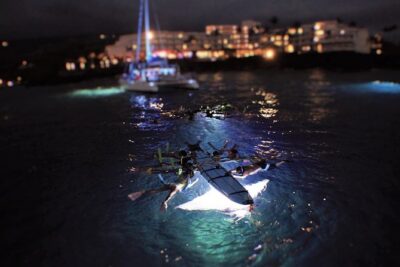
Browse the lists this tour appears in