
Reviewed · WHALE WATCHING
Zodiac Raft Whale Watching Adventure
Whales can turn a morning into a story.
Captain Zodiac’s three-hour raft trip gives you two experiences at once: a fast, lively ride along the Kona coast and a focused search for humpback whales. I especially like the 16-passenger limit, which keeps the outing personal, and the chance to hear whale song through a hydrophone, a rare treat that adds sound to the usual spouts and splashes.
I also like the crew’s clear passion for marine life. Captains such as Shelby, Ashley, Rick, Marco, Sam, Colin, and Alex are praised for spotting whales, explaining behavior, and keeping the mood upbeat. The main drawback is the boat itself: this is a bouncy Zodiac, not a cushy sightseeing cruise. Anyone who is pregnant or has back or neck problems should choose another boat style.
In This Review
- Key points to know before booking
- What the three-hour Kona trip is really like
- Humpback season and the search for a spout
- The hydrophone changes the experience
- More than whales: dolphins, turtles, rays, and coastal geology
- The captains make a major difference
- Why the small group matters
- Price and overall value at $113.82
- Who should book this raft adventure
- Timing, weather, and cancellation rules
- How to make the most of the outing
- Should you book Captain Zodiac?
- FAQ
- Where does the Zodiac whale-watching tour meet?
- Where does the tour end?
- How long does the tour last?
- How many people can ride on the Zodiac?
- What animals might I see?
- Can I hear whales underwater?
- Is hotel pickup included?
- Is the tour suitable for children?
- What happens if bad weather cancels the tour?
Key points to know before booking
- A 16-passenger Zodiac keeps the group small, so you get open views and a more personal guide experience.
- The ride is part of the attraction, with a quick, rollercoaster-like feel over the Kona Coast waves.
- The hydrophone lets you hear whales underwater, including haunting calls that can make a quiet moment feel almost unreal.
- Winter brings the main humpback season, though sightings are never guaranteed and the trip runs at the mercy of the ocean.
- Wildlife may include more than whales, including spinner dolphins, bottlenose dolphins, green sea turtles, manta rays, flying fish, and other whales.
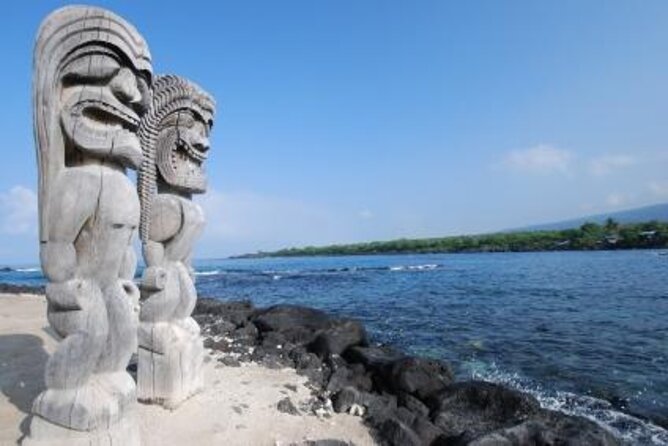
- The boat can reach a whale sighting quickly, while also offering views of lava tubes, sea caves, and volcanic rock along the coast.
What the three-hour Kona trip is really like
You meet at Captain Zodiac, 74-425 Kealakehe Parkway, number 16, in the Kaiminani area. The tour returns to the same place, and hotel transportation is not included, so plan your own way to the meeting point.
The outing heads from the Kailua-Kona area toward Waikoloa. From the start, you are watching the cobalt-colored water and the distant coast for a telltale blow. The captain scans for activity while sharing stories about Hawaiian history, island geology, and marine life.
That combination matters. You are not simply waiting for a whale to appear. The coastline itself becomes part of the lesson, with volcanic formations, sea caves, and small lava tubes appearing along the way when the route and whale locations allow. You may also hear how Hawaii continues to grow through volcanic activity.
The Zodiac is a 24-foot raft with room for up to 16 people. It is built for speed and maneuverability, so the captain can move efficiently toward a safe viewing position after spotting a spout. That does not mean the boat races recklessly toward whales. The crew’s role is to find wildlife while keeping a respectful distance and maintaining control.
Expect motion. The raft rises and drops over the waves, and some people describe it as a marine rollercoaster. That is a big part of the fun for active passengers, but it can be tiring or uncomfortable for anyone who prefers a smooth boat. Hold on firmly and dress for spray.
More whale watching:
- Whale Watching On The Big Island
★ 5.0 · 573 reviews - Big Island: Pelagic Whale Watch Tour
★ 5.0 · 557 reviews - Juneau Wildlife Whale Watching
★ 5.0 · 7,379 reviews
Humpback season and the search for a spout
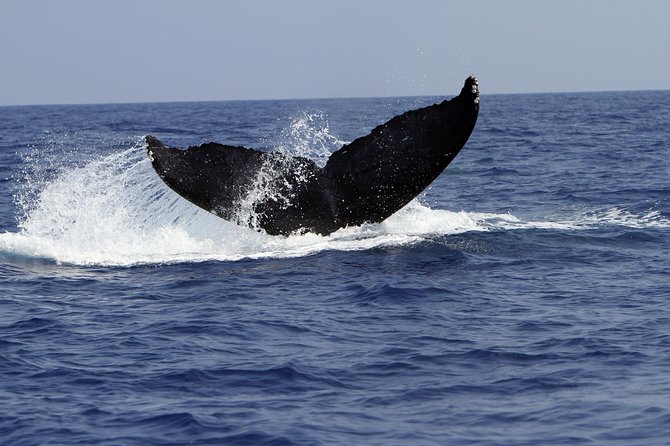
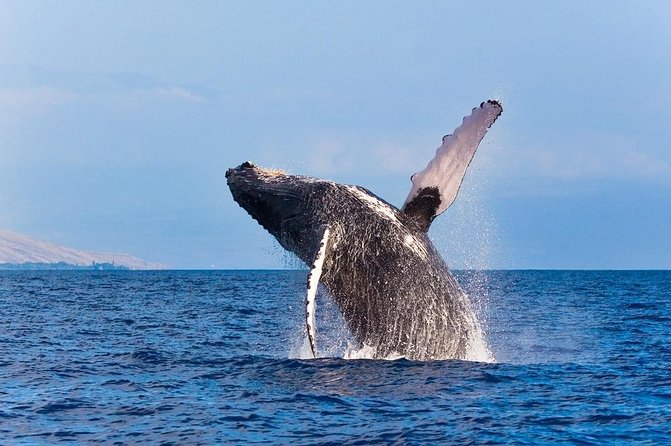
Humpback whales come to Hawaiian waters in winter to mate and give birth. This makes the season especially appealing if seeing mothers and calves is high on your list. Several outings have included mother and baby pairs, newborn calves, tail slaps, fin slaps, breaches, and repeated flukes.
Of course, a wild animal does not follow a schedule. One outing in January produced no whales despite a determined search, an uncommon result for that time of year. The crew responded by arranging another trip for the next morning, when the group saw five whales, including a new calf.
That story captures the right attitude for this kind of excursion. The crew works hard, but nobody can promise a breach or a close encounter. You are buying a well-run search on the ocean, not a staged performance.
When conditions cooperate, the sightings can be extraordinary. Reports from recent trips include roughly 13 to 22 whales, several breaches, repeated tail slaps, groups of five humpbacks, and whales swimming under the raft. A whale coming beneath the boat, sometimes called a mugging, can be thrilling, but it is not a standard part of the trip and should never be expected.
The hydrophone changes the experience
The most unusual feature is the onboard hydrophone. When the captain stops the engine and lowers the microphone into the water, you may hear whales calling below the surface.
This is one of the strongest reasons to choose this tour over a simple coastal ride. Sightings are visual and often brief. Whale song gives you another way to understand that the animals remain active even when they are not breaching or surfacing nearby.
The sound can be haunting and surprisingly detailed. One outing allowed passengers to distinguish different whales by their calls. The quiet pause, with the engine off and the microphone in the water, also gives the trip a useful change of pace after the fast raft ride.
The hydrophone may also pick up other marine sounds, including porpoise according to one report. The exact experience will depend on conditions and animal activity, but it is a meaningful feature rather than a throwaway extra.
More than whales: dolphins, turtles, rays, and coastal geology
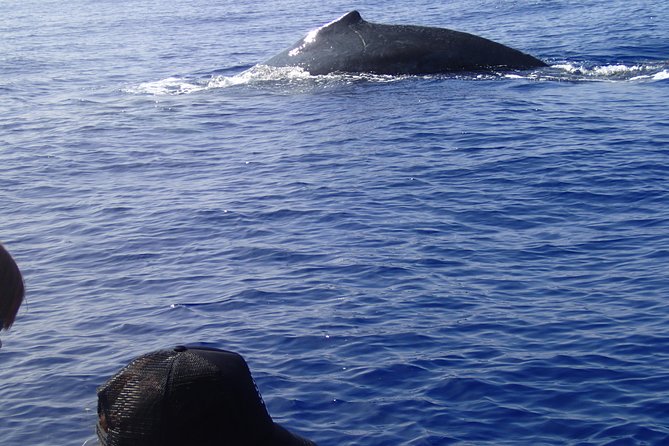
Humpbacks are the main reason to book, but the Kona Coast can provide a wider wildlife show. Keep watch for spinner dolphins and bottlenose dolphins, both of which have appeared in large pods. Dolphins may travel alongside the boat or play in its wake.
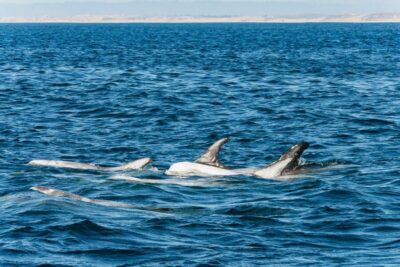
Green sea turtles, manta rays, flying fish, schools of fish, and less familiar whale species are also possible. A Hawaiian monk seal was seen on one outing, though that is clearly a lucky bonus rather than something to count on.
The captain also helps you read the water. A splash, a fin, a distant blow, or a flock of seabirds may point to activity. You will want to keep your eyes moving instead of staring in just one direction.
The coast adds a second layer. Depending on where the whales are found, you may pass sea caves and small volcanic lava tubes. The views are especially rewarding because the raft stays close enough to give you a clear look at the rugged shoreline while still ranging out in search of marine life.
A few more US trips worth a look
- Big Island in a Day: Volcanoes Waterfalls Sightseeing and History
★ 5.0 · 6,569 reviews - Big Island Manta Ray Night Snorkel
★ 5.0 · 5,656 reviews - Big Island: Kona Manta Ray Snorkel Tour in Keauhou Harbor
★ 4.5 · 2,465 reviews - Hilo Shore Excursion: Volcanoes National Park & Black Sand Beach
★ 4.5 · 2,338 reviews
The captains make a major difference
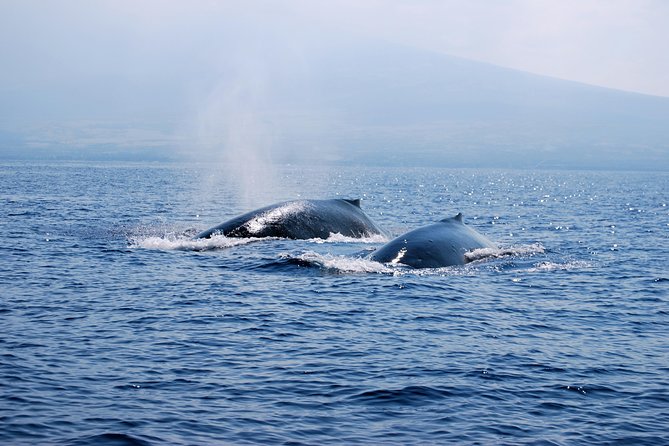
The crew receives unusually strong praise for both whale spotting and personal warmth. Shelby is singled out for sharing facts while guiding the boat and showing genuine excitement each time a whale appeared. Ashley is praised for explaining marine life, while Rick is remembered for making extra effort to create a memorable encounter.
Marco, Sam, Colin, Alex, Sandy, Cameron, Alec, Liz, Jason, Davonte, and Kalea are also named in particularly positive accounts. The names matter because they point to a consistent strength: the crew does not treat guiding as simply steering the boat and pointing at animals.
Several captains work in whale rescue or conservation, and that background shapes the tone. You get explanations of behavior, reminders about respectful viewing, and a sense that the animals matter beyond the morning’s entertainment.
The best guides also know when to let the ocean take over. Their excitement feels genuine rather than forced. When a whale breaches, the captain is often as thrilled as the people sitting behind them.
Why the small group matters
A maximum of 16 people is a real advantage on a wildlife trip. You have fewer heads blocking the view, fewer competing voices, and more room to follow the captain’s instructions. The small group also makes it easier to ask questions about whales, lava formations, or Hawaiian history.
This is especially useful for families. One family outing included grandparents and children, with the kids comparing the raft ride to a rollercoaster. The crew was also praised for working well with children.
Still, small does not mean quiet or gentle. The boat’s movement is shared by everyone onboard. A child who loves speed may have a wonderful time, while a child who dislikes bouncing could find the ride overwhelming. The minimum age is four, but age alone does not determine comfort.
Price and overall value at $113.82
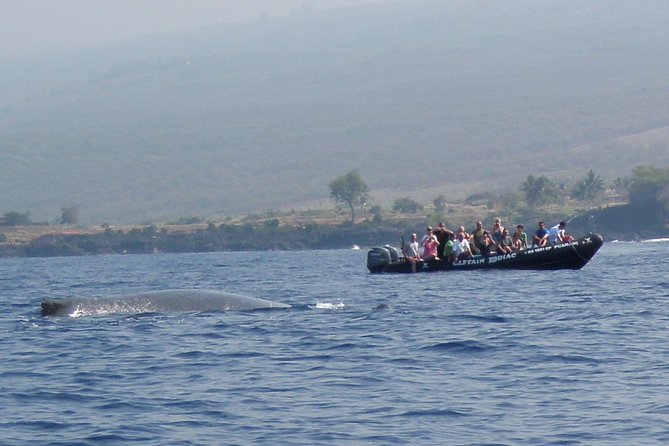
At $113.82 per person, this is not the cheapest way to look for whales, but the price covers more than a basic boat transfer. You are paying for about three hours on the water, a small group, the Zodiac ride, captain-led natural history, whale listening through a hydrophone, drinks, juice, soda, bottled water, snacks, and local taxes.
The value is strongest if you want an active outing. A larger boat may suit you better if your priority is a stable viewing platform or the ability to move around freely. The Zodiac makes more sense if you want to get around quickly, stay close to the water, and feel each wave.
The crew’s ability to spot whales also affects the value. On a strong day, seeing a dozen or more whales, dolphins, and perhaps a breach can make the price feel easy to justify. On a quiet wildlife day, you are still receiving the coastal ride and interpretation, but you should remember that nature does not provide refunds for a shy whale.
Beverages and snacks are included, which is convenient, though the information does not specify the exact snack choices. Hotel pickup is not included, so add transportation planning to your budget.
Who should book this raft adventure
I would recommend this tour to you if you:
- Like fast, active boat rides
- Want a small group rather than a crowded vessel
- Enjoy learning about wildlife and geology while sightseeing
- Are visiting during winter humpback season
- Want the chance to hear whale song underwater
- Can comfortably handle a bouncy ride
- Prefer a close-to-the-water experience over a luxury cruise
It is a less suitable choice if you are pregnant, have back or neck problems, or strongly dislike rough water. The description specifically warns against the tour for those conditions. You should also think carefully about the ride if you need a calm, gentle outing.
The trip may suit a multigenerational family, but only if everyone is comfortable with motion. The minimum age is four, and most people can participate, but the raft experience is not the same as sitting in a protected cabin.
Timing, weather, and cancellation rules
The activity lasts approximately three hours and operates in conditions that must be safe. Poor weather can lead to cancellation, in which case you are offered another date or a full refund.
You can cancel for a full refund up to 24 hours before the start time. Inside that 24-hour window, the amount paid is not refunded, and changes are not accepted. Cutoff times use local Hawaii time, so check the clock carefully if you are making last-minute plans.
The excursion is commonly reserved well ahead of time, with an average booking lead of about 24 days. That is useful planning information for a winter visit, especially if your schedule has little flexibility. The ticket is mobile, confirmation arrives at booking, and the activity is offered in English.
How to make the most of the outing
Arrive ready for both sightseeing and motion. You will want to keep your hands available for holding on, especially when the raft picks up speed or crosses rougher water.
Stay alert between whale sightings. Spinner dolphins, flying fish, turtles, and sea caves can appear when you are expecting only a humpback. Listen when the captain explains what to watch for, because a distant blow may be easy to miss if you are focused only on the horizon.
Most important, let the crew set the pace around wildlife. The thrill comes from seeing natural behavior, not from forcing a close approach. A mother and calf, a tail slap, or a whale under the raft is special precisely because it happens on the animal’s terms.
Should you book Captain Zodiac?
Book it if you want whale watching with a pulse. The small group, quick raft, enthusiastic captains, coastal geology, and hydrophone create a fuller experience than simply sitting on a large boat and waiting for a blow.
I would choose it during winter, particularly if you are comfortable accepting the uncertainty of wild animals. The strongest outings can deliver breaches, calves, dolphins, and whale song in a single morning, while even a quieter trip still offers a lively ride and a close look at the Kona Coast.
Skip it if comfort and stability matter more than excitement. For everyone else, the $113.82 price is fair for a compact, active ocean adventure with a crew that clearly cares about both the whales and your time on the water.
FAQ
Where does the Zodiac whale-watching tour meet?
It meets at Captain Zodiac, 74-425 Kealakehe Parkway, number 16, Kaiminani, Hawaii 96740.
Where does the tour end?
The activity ends back at the same meeting point.
How long does the tour last?
The excursion lasts approximately three hours.
How many people can ride on the Zodiac?
The boat holds a maximum of 16 travelers.
What animals might I see?
Possible wildlife includes humpback whales, spinner dolphins, bottlenose dolphins, green sea turtles, manta rays, flying fish, schools of fish, other whale species, and occasionally a Hawaiian monk seal.
Can I hear whales underwater?
Yes. The captain carries a hydrophone that can let you hear whale song beneath the boat.
Is hotel pickup included?
No. Hotel pickup and drop-off are not included, so you need to arrange transportation to and from the meeting point.
Is the tour suitable for children?
The minimum age is four, and most people can participate. The Zodiac is bouncy, so children and adults should be comfortable with an active ride.
What happens if bad weather cancels the tour?
You will be offered a different date or a full refund if poor weather causes the cancellation. You may also cancel for a full refund up to 24 hours before the start time.
Recently added around Big Island of Hawaii
- Deluxe Sail & Snorkel to the Captain Cook Monument★ 5.0 · 472 reviews
- Award Winning Farm Tour: Coffee, Chocolate and Unique Gifts★ 5.0 · 484 reviews
- Kailua-Kona: Manta Ray Watching Nighttime Boat Trip★ 4.8 · 488 reviews
- Manta Ray Night Snorkel Experience of a Lifetime★ 4.5 · 505 reviews
- Glass-Bottom Boat Reef Tour★ 4.5 · 506 reviews
- Kealakekua Bay Snorkeling Tour – 4 hour Kona Zodiac Adventure★ 5.0 · 508 reviews
- Big Island Waterfalls Tour with Swimming and Botanical Garden★ 5.0 · 513 reviews
- Deluxe Sail & Snorkel to the Captain Cook Monument★ 5.0 · 535 reviews
Whale Watching, compared.
Juneau Wildlife Whale Watching & Mendenhall Glacier
Read our review →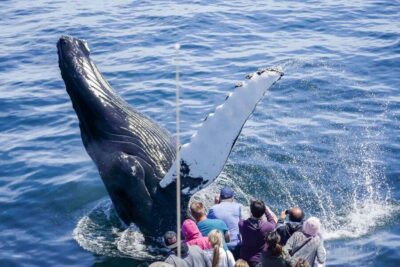
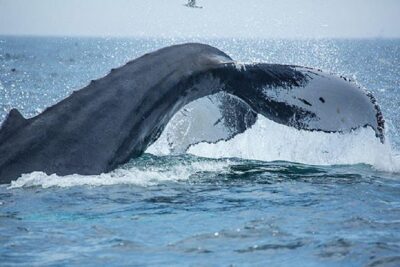
City Cruises Boston Whale Watching Cruise by High-Speed Boat
Read our review →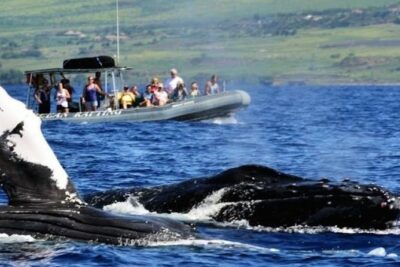
Maui Eco-Raft Tour: Eye-Level Whale or Dolphin Watching – Lahaina
Read our review →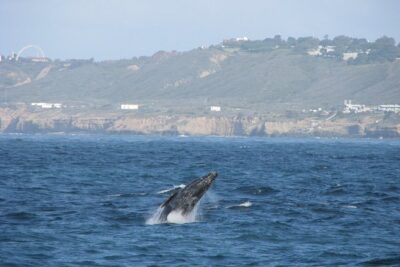
Browse the lists this tour appears in