
Reviewed · MANTA RAY NIGHT SNORKELS
Snorkel with Manta Rays Guaranteed
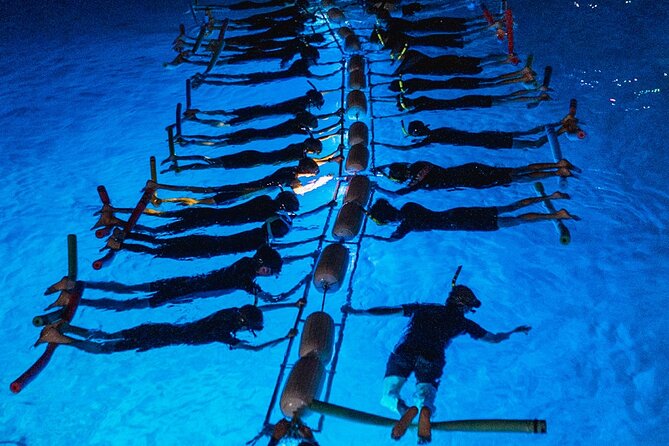
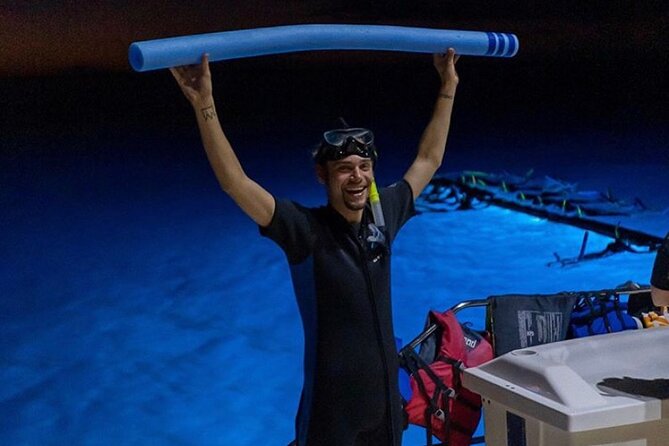
Manta rays turn a night swim into theater. Sea Paradise takes you from Keauhou Bay on the trimaran Hokulani to Manta Ray Village, where you float at the surface beneath a lighted platform and watch these graceful animals sweep upward for plankton. The rays can pass within inches of your face, so this is less a traditional snorkel swim and more a carefully managed front-row seat in the ocean.
I especially like the short boat ride, which matters if you are prone to seasickness, and the sturdy flotation setup, which means you do not need fins or strong swimming skills. The crew also puts real attention on safety and on keeping feet out of the rays’ path. The main drawback is that holding the light raft for roughly 45 minutes can tire your shoulders, and choppy water can make the experience physically demanding.
In This Review
- Key details before you book
- Why Big Island’s manta ray night is so unusual
- Leaving Keauhou Bay aboard the Hokulani
- The safety briefing and flotation system
- Forty-five minutes with the manta rays
- Rough water, seasickness, and the real physical demands
- How the crew and boat affect the experience
- Is $141.57 a fair price?
- Who should choose this evening snorkel?
- Final verdict: should you book Sea Paradise?
- FAQ
- Where does the manta ray tour begin?
- How long does the experience last?
- How many people can join the tour?
- What equipment is provided?
- Do I need to be a strong swimmer?
- Are food and drinks included?
- What happens if poor weather cancels the tour?
Key details before you book
- The manta viewing lasts about 45 minutes: The full outing takes roughly 1 hour 30 minutes, with the main event happening in the water.
- You float rather than freely swim: You hold a lighted flotation device at the surface while the rays feed below.
- The trimaran Hokulani keeps the ride brief: The boat reaches the viewing area in about five minutes, according to detailed trip feedback.
- No fins are needed: Wetsuits, masks, and snorkels are supplied, and the flotation system supports you.
- The rays come extremely close: Seeing them within a foot, and sometimes only inches away, is normal.
- The group can be large: The maximum is 49 people, so this is not a private wildlife outing.
- Book ahead: The experience is often reserved about 38 days in advance.
Why Big Island’s manta ray night is so unusual
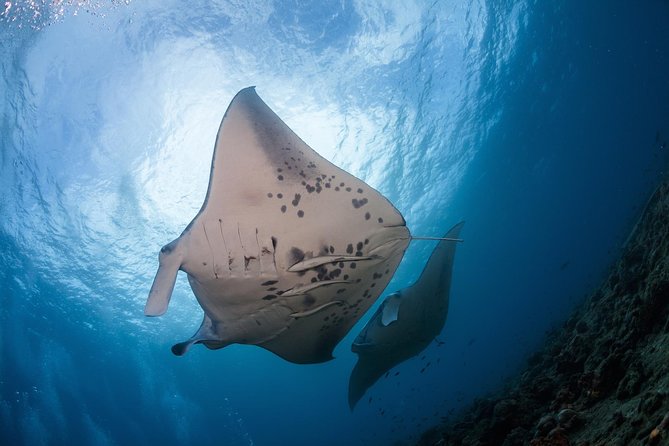
Hawaii’s manta ray experience works because the animals come to a fixed light source after dark. Microscopic plankton rises from the ocean floor, and the light draws plankton into the area. The mantas then make repeated passes through the illuminated water, often rolling and turning as they feed.
That setup gives you an unusual kind of wildlife encounter. You are not chasing the animals or trying to spot them from a moving boat. You remain in one place, looking down through the water as the rays glide beneath the platform and curve upward toward the plankton.
The scale can be startling. The rays are large, but their movement is smooth and quiet. Several accounts describe them passing just inches from a face, sometimes rolling directly in front of the light. That closeness is the magic of the trip, but it also explains the strict rule: do not touch the manta rays.
Mantas are wild animals, not trained performers. Their behavior and numbers can change from night to night. One outing may bring one or two rays, while another can produce six, eight, or even more. You should book this for the quality of the encounter, not a guaranteed count.
More Snorkeling Trips in Big Island of Hawaii
- Big Island Manta Ray Night Snorkel
★ 5.0 · 5,656 reviews - Big Island: Kona Manta Ray Snorkel Tour in Keauhou Harbor
★ 4.5 · 2,465 reviews - Big Island: Captain Cook Snorkel On A Power Catamaran With Lunch
★ 5.0 · 2,232 reviews
Leaving Keauhou Bay aboard the Hokulani
You meet at Keauhou Bay in Kahaluu-Keauhou, on the Kona side of the Big Island. The activity ends at the same place, which keeps the transportation simple. Check the exact meeting directions carefully, since several ocean tours use the same general area and the loading point is around the building on the right, not at the boat ramp.
The Hokulani is a trimaran with room to move around, steps that make getting in and out of the water easier, and a bathroom onboard. Those features matter more than they might sound. Night snorkeling can feel awkward when you are managing a wetsuit, mask, snorkel, and nerves, so stable steps and a proper onboard restroom are welcome comforts.
The ride to the manta site is short, around five minutes according to the trip details provided by participants. That is one of the best practical features of this particular outing. A long ride across dark water can be hard on anyone with motion sickness, and one person became seasick after returning to the boat when the water was rough.
Drinks and snacks are available onboard. Filtered water, soda, and assorted juices are included. Ginger ale and small chews have also been offered to people feeling unwell. Those supplies will not prevent seasickness, but they are useful if the ocean becomes unsettled.
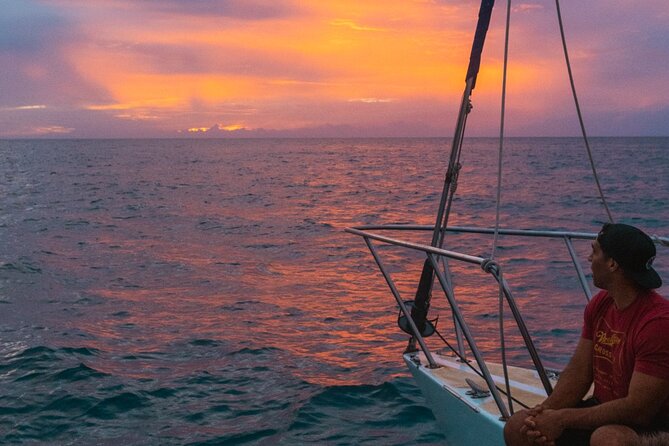
The sunset portion adds a pleasant opening to the night. You sail out while the light fades, then shift from scenic boat ride to a focused wildlife experience. It is a nice change of pace from a daytime beach or reef outing.
The safety briefing and flotation system
At Manta Ray Village, the crew explains how to enter the water, how to use the equipment, and what to expect from the rays. The briefing is not a throwaway speech. It prepares you for close passes, explains how to hold the platform, and reinforces the need to leave the animals alone.
You receive a wetsuit, mask, and snorkel. Fins are not used because your feet rest on or near the float rather than kicking below it. This is a thoughtful arrangement for the manta rays. Large fins moving around in the feeding area could strike an animal, so keeping feet out of the water helps protect both the wildlife and the people nearby.
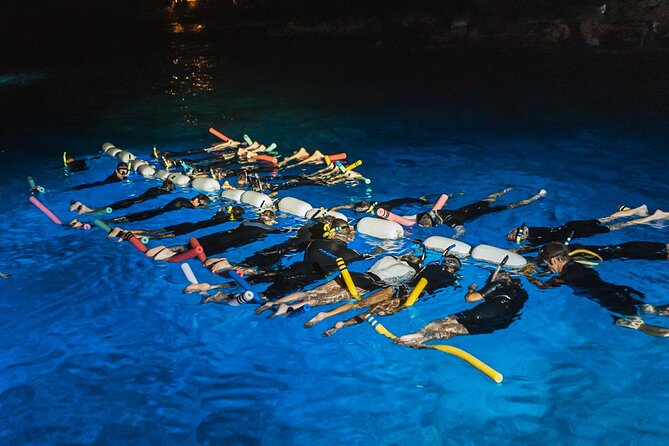
The flotation device is the heart of the trip. It has a light attached to it, and you hold onto a bar while looking down into the illuminated water. The design reduces the need for swimming, making the experience possible for people who are comfortable in water but not strong snorkelers.
Still, do not confuse minimal swimming with minimal effort. You must hold the bar for much of the viewing period. One useful tip from the crew is to grip the light raft gently rather than clenching it tightly. A hard grip can create arm and shoulder pain, especially when the sea is moving.
The water may feel chilly, even with a wetsuit. Bring a calm attitude and expect some physical work. If you have shoulder trouble, gripping a flotation bar for 45 minutes may not suit you.
Forty-five minutes with the manta rays
The official snorkel time is approximately 45 minutes, though the exact time in the water can vary with conditions and individual comfort. That is a generous window for a wildlife activity. It gives you time to settle down, learn the pattern of the rays, and enjoy more than one pass.
At first, the dark water may feel strange. Then a pale shape rises from below. A manta can appear suddenly in the light, sweep upward, and roll away with the calm control of a bird in flight. Some make repeated barrel rolls, while others circle beneath the float before returning.
You may see one ray at a time or several moving through the light together. The number is never promised, but the experience can be exceptional. Outings have recorded groups of five, six, seven, eight, and more. One late evening produced estimates of around 10 to 15 rays.
The rays can get close enough to make you tense at first. They have been described as passing four to six inches away or leveling off about a foot from a swimmer. That is close enough to see their shape and markings clearly, but you must keep your hands to yourself.
If the sight of a large animal approaching your face makes you nervous, listen to the in-water crew and keep your eyes on the ray. The guides help people enter the water, move to the float, and get comfortable. You can ask to leave the water at any time.
The setup is social rather than private. With a maximum of 49 people, you will share the illuminated area with many others, and nearby floats can bump together when the sea is rough. One person described the atmosphere as feeling crowded. That criticism is fair. You gain a well-run operation and a strong chance of seeing rays, but not solitude.
More manta ray night snorkels:
- KONA Manta Ray Night Snorkel – FREE re-ride if no Sightings
★ 5.0 · 2,212 reviews - Manta Ray Night Snorkel at Kona, Big Island
★ 5.0 · 1,758 reviews - Glow of the Deep: Night Snorkeling with Manta Rays
★ 4.5 · 1,254 reviews - Kailua Kona: Night Manta Ray Adventure on the Big Island
★ 4.8 · 1,199 reviews
Rough water, seasickness, and the real physical demands
The sea is not always calm at night. Choppy conditions have made some outings tiring, with the floats moving up and down and bumping against one another. The crew has been praised for watching people closely and helping quickly when someone loses a noodle or needs assistance.
You should expect to hold the float while waves move you around. That can wear on your shoulders, especially if you grip too hard. The experience is not a hard swim, but it is not completely passive either.
Seasickness is the main comfort concern. The short ride helps, but the boat can still rock while you wait or after you return from the water. If you are prone to motion sickness, consider the later timing and the quick ride to the site, and make use of the ginger ale or other supplies offered onboard.
The crew’s role is especially important for first-time night snorkelers. People who had never snorkeled before, and children as young as eight or nine in the supplied accounts, managed the activity with crew support. That does not mean every child will enjoy it. A young child must be comfortable following instructions, wearing a mask, holding the float, and seeing a large animal approach in dark water.
The published guidance calls for a moderate level of physical fitness. Take that seriously if you have shoulder, balance, or water-confidence concerns.
How the crew and boat affect the experience
The strongest praise goes to the crew. They explain the process clearly, provide help in the water, and make safety a visible priority. That matters because the first few minutes can be intimidating, especially when you enter the ocean after sunset.
The staff also shares information about the manta rays and the area. The educational side is not a formal classroom lesson, but it gives the encounter more meaning. You understand why the light attracts plankton, why the rays approach, and why touching them is forbidden.
The boat earns its share of praise, too. It is described as clean, spacious, and comfortable, with steps for easier water access and a bathroom. Those are good signs for anyone who prefers more support than a small open craft can offer.
Check-in has not been perfect for everyone. The loading area can be confusing because multiple tours gather nearby, and one booking confirmation did not make the operator’s name and phone contact easy to find. I would save the Sea Paradise name, confirm the meeting point, and allow time to identify the correct check-in spot.
The experience is offered in English. Confirmation arrives within 48 hours of booking, subject to availability, so do not treat a payment screen as the final word until you have received confirmation.
Is $141.57 a fair price?
At $141.57 per person, this is not a cheap add-on. You are paying for a boat ride, equipment, wetsuit, drinks, crew support, and roughly 45 minutes at a specialized manta viewing site.
The value depends on how much you want this particular encounter. If you are hoping for a normal reef snorkel with colorful fish and freedom to swim around, the price may feel high because the movement is limited and the main activity is holding onto a lighted float. If you want a close, nighttime wildlife experience that is difficult to arrange on your own, the cost makes more sense.
The short ride adds value for anyone sensitive to motion. The provided gear also means you do not need to pack fins or rent a separate wetsuit. A larger boat, bathroom, steps, safety staff, and drinks make the outing more comfortable than a bare-bones operation.
The biggest factor is the manta count, which cannot be controlled. You might see one, or you might watch several animals circle the light for most of the session. The company provides a guaranteed manta ray experience in its title, but the supplied details do not explain the exact terms of that guarantee. Ask about the guarantee directly if seeing a ray is the deciding factor for your purchase.
Who should choose this evening snorkel?
I would recommend it to you if you want an unusual Big Island night activity and are comfortable being close to large wild animals. It also suits first-time snorkelers who appreciate direct help rather than a completely independent swim.
Families can make it work, especially with older children who follow instructions and are comfortable in the ocean. The accounts supplied include successful outings with eight- and nine-year-olds, but younger children may find the darkness, cold water, and large rays overwhelming.
This is a good choice for you if:
- You want close manta encounters rather than a broad reef tour.
- You prefer a short ride to the site.
- You value a larger boat and an active safety crew.
- You can hold a flotation bar for about 45 minutes.
- You are comfortable sharing the water with a sizable group.
Think twice if you dislike crowded activities, suffer badly from seasickness, have shoulder problems, or want to swim freely instead of staying at a fixed float.
Sea Paradise offers free cancellation up to 24 hours before the start time. Changes or cancellations inside that window are not accepted for a refund. The trip depends on good weather and a minimum number of people, so a cancellation by the operator brings a different date or a full refund.
Final verdict: should you book Sea Paradise?
Yes, if you understand what you are buying. This is not a free-swimming snorkel and not a quiet private wildlife trip. It is a group outing built around a lighted flotation platform, with a strong chance of seeing manta rays at astonishingly close range.
I like the short trip to Manta Ray Village, the capable safety support, and the thoughtful use of a fin-free float. I also like that the crew helps nervous swimmers instead of leaving them to sort out the gear alone.
Book it for the chance to watch manta rays glide inches from your face, not for guaranteed calm water or a guaranteed crowd-free view. Confirm the meeting point, bring patience for the group setting, grip the float lightly, and respect the no-touch rule. For many people, that combination produces one of the Big Island’s most memorable nights.
FAQ
Where does the manta ray tour begin?
The tour begins at Keauhou Bay in Kahaluu-Keauhou, Hawaii, at ZIP code 96740. It ends back at the same meeting point.
How long does the experience last?
The total activity lasts approximately 1 hour 30 minutes. Snorkel time is about 45 minutes.
How many people can join the tour?
The maximum group size is 49 people.
What equipment is provided?
Wetsuits, masks, and snorkels are provided. Fins are not needed, and full-face masks are not allowed for safety reasons.
Do I need to be a strong swimmer?
The tour requires a moderate level of physical fitness, but the flotation device limits the need for swimming. You must be able to hold onto the float and follow the crew’s instructions.
Are food and drinks included?
Filtered water, soda, and assorted juices are included. Snacks and drinks are offered onboard.
What happens if poor weather cancels the tour?
If poor weather causes a cancellation, you will be offered another date or a full refund. If the minimum number of people is not reached, you will also be offered another date or experience, or a full refund.
More Snorkeling Trips
- Kona Snorkel Tour: Captain Cook Reef Snorkel, Dolphin & Sea Caves
★ 4.5 · 1,411 reviews - Manta Magic: Small-Group Manta Ray Night Snorkel in Kailua Kona
★ 5.0 · 1,141 reviews - Kona’s Best Morning Snorkel: Captain Cook & Kealakekua Bay
★ 5.0 · 957 reviews - Sunset and Manta Ray Snorkel Adventure
★ 5.0 · 843 reviews
Recently added around Big Island of Hawaii
- Zodiac Raft Whale Watching Adventure★ 5.0 · 456 reviews
- Deluxe Sail & Snorkel to the Captain Cook Monument★ 5.0 · 472 reviews
- Award Winning Farm Tour: Coffee, Chocolate and Unique Gifts★ 5.0 · 484 reviews
- Kailua-Kona: Manta Ray Watching Nighttime Boat Trip★ 4.8 · 488 reviews
- Manta Ray Night Snorkel Experience of a Lifetime★ 4.5 · 505 reviews
- Glass-Bottom Boat Reef Tour★ 4.5 · 506 reviews
- Kealakekua Bay Snorkeling Tour – 4 hour Kona Zodiac Adventure★ 5.0 · 508 reviews
- Big Island Waterfalls Tour with Swimming and Botanical Garden★ 5.0 · 513 reviews
Manta Ray Night Snorkels, compared.
Big Island: Kona Manta Ray Snorkel Tour in Keauhou Harbor
Read our review →
KONA Manta Ray Night Snorkel – FREE re-ride if no Sightings
Read our review →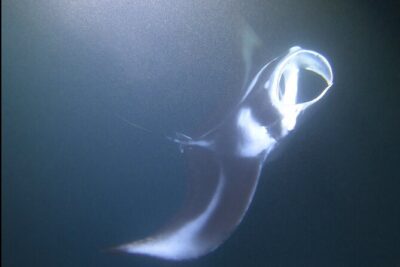
Glow of the Deep: Night Snorkeling with Manta Rays
Read our review →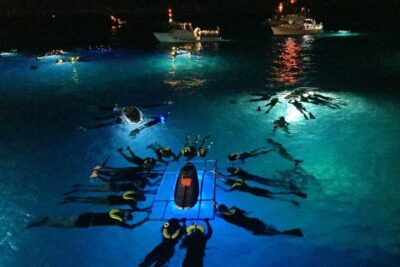
Kailua Kona: Night Manta Ray Adventure on the Big Island
Read our review →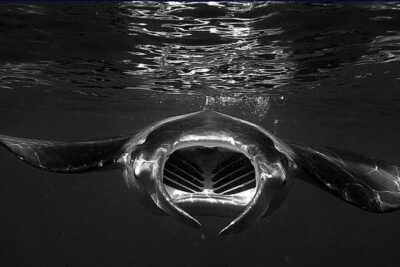
Manta Magic: Small-Group Manta Ray Night Snorkel in Kailua Kona
Read our review →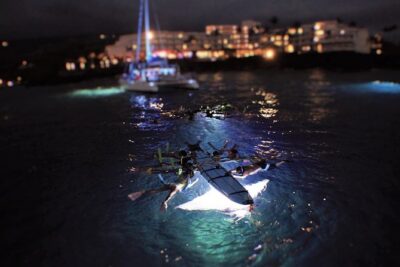
Browse the lists this tour appears in