
Reviewed · WHALE WATCHING
Big Island: Pelagic Whale Watch Tour
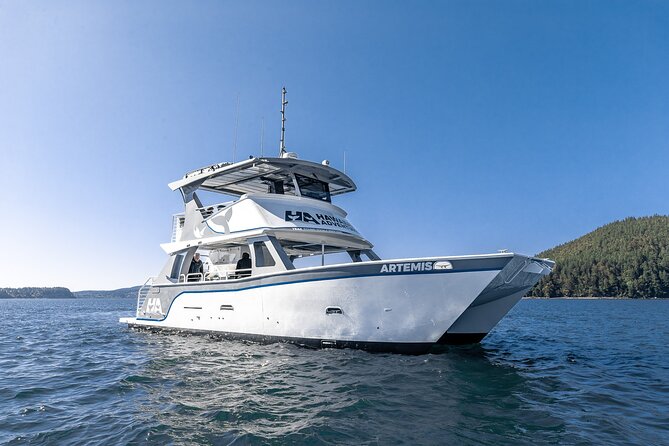
The ocean can change the plan fast. This Kona whale watch earns high marks for its passionate naturalist guides and its access to both coastal and offshore waters, where you might see humpback whales, pilot whales, dolphins, sharks, and flying fish. I also like the comfortable 46-foot catamaran, Artemis, which offers padded seating, shaded and sunny areas, and open viewing around the boat.
The $129 price is fair for a three to four-hour search with professional crew, drinks, and a vessel certified for offshore travel. Captain Andrew and guides such as Olivia and Dennis have been praised for explaining animal behavior clearly. The catch is simple: wildlife is wild. You may see an astonishing mix of species, or spend the morning searching in choppy water without seeing a whale or dolphin.
In This Review
- Key points to know before booking
- Why Kona is a smart place for a whale watch
- Leaving Honokohau Harbor at 8:30 am
- Artemis and the search for wildlife
- The nearshore zone: dolphins, humpbacks, and flying fish
- Offshore waters and the pelagic bonus
- The guides make the difference
- What the $129 price really buys
- Who will enjoy this tour most
- How to make the most of the morning
- Should you book the Big Island Pelagic Whale Watch?
- FAQ
- Where does the tour depart from?
- What time does the tour start?
- How long does the whale watch last?
- How much does the tour cost?
- What animals might I see?
- Are whales and dolphins guaranteed?
- Is the tour suitable for children?
- Are drinks included?
- What happens if bad weather cancels the tour?
Key points to know before booking
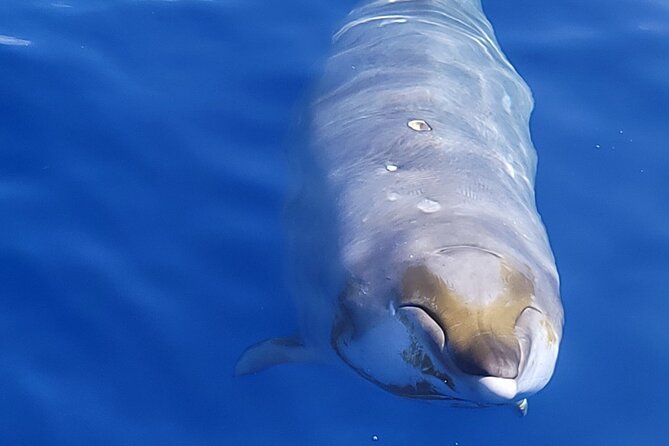
- Pelagic access: The boat can reach waters thousands of feet deep, a major advantage for finding pilot whales, beaked whales, sperm whales, whale sharks, and other offshore species.
- Year-round wildlife: Humpbacks are a winter highlight, while spinner dolphins, bottlenose dolphins, pilot whales, sharks, and flying fish may appear throughout the year.
- Strong crew: Captain Andrew and naturalists including Olivia and Dennis receive repeated praise for clear explanations, safety awareness, and enthusiasm.
- Comfortable catamaran: Artemis has plenty of seating, padded areas, handholds, shaded space, and 360-degree viewing.
- No wildlife promise: A whale or dolphin sighting is not guaranteed, though the company offers a return trip at 50 percent off if neither is seen.
- Important age limit: The tour is not appropriate for children under 10, and seasickness medication is worth considering if you are prone to motion sickness.
Why Kona is a smart place for a whale watch
Kona has an unusual advantage for marine wildlife. The coast drops quickly into deep water, while calmer nearshore areas support a different mix of animals. From Honokohau Harbor, the crew can search both zones during one outing instead of being limited to shallow coastal water.
That matters because the animals are not on a fixed schedule. Humpback whales may pass close to shore during winter. Spinner dolphins and bottlenose dolphins may appear nearer the coast. Farther offshore, the crew can look for short-finned pilot whales, beaked whales, sperm whales, spotted dolphins, whale sharks, and oceanic white tip sharks.
The tour advertises more than a dozen possible whale and dolphin species across the year. That does not mean you will see all of them, of course. It does mean the trip is not built around a single seasonal animal.
The Kona coast also gives you something to watch when wildlife is quiet. You get views back toward the Big Island, and the crew may point out local features such as fish farms and the seahorse farm. This helps the outing feel like a marine ecology trip rather than a simple boat ride with binoculars.
More whale watching:
- Whale Watching On The Big Island
★ 5.0 · 573 reviews - Zodiac Raft Whale Watching Adventure
★ 5.0 · 456 reviews - Juneau Wildlife Whale Watching
★ 5.0 · 7,379 reviews
Leaving Honokohau Harbor at 8:30 am
The meeting point is at 275 Kealakehe Parkway in Kailua-Kona, with the tour returning to the same place. There is no hotel pickup or drop-off, so you need to arrange your own way to the harbor.
The listed departure time is 8:30 am. Morning is a sensible choice for anyone who wants to keep the rest of the day open, but the larger advantage is having three to four hours for the search. Wildlife does not always appear near the dock. A longer outing gives the crew room to check more than one area and spend time with animals when conditions allow.
The group can include up to 42 people. That is not a tiny private excursion, but Artemis is a 46-foot catamaran designed with open viewing in mind. The layout allows you to look in several directions rather than being trapped behind a cabin wall.
You should still arrive ready for an active morning on the water. The boat may travel at speed between sighting areas, and one unhappy customer found the ride fast and choppy. Other reports describe the catamaran as smooth through swells, so conditions clearly make a difference. Kona waters are often calm, but the ocean is still the ocean.
Artemis and the search for wildlife
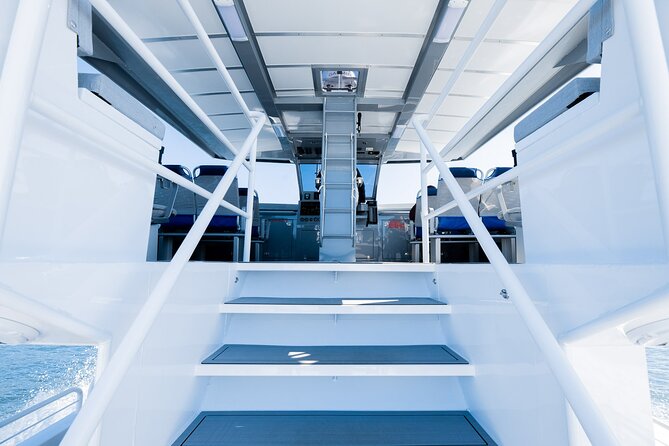
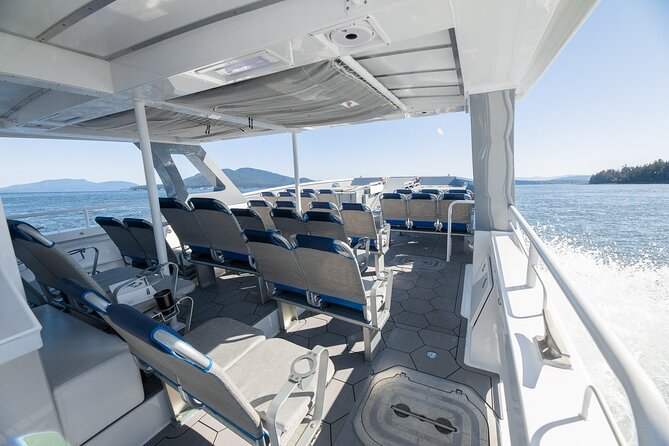
The boat is one of the tour’s strongest features. Artemis has padded seating, soft foam flooring, railings, and handholds. It also offers shaded and full-sun areas, plus complimentary soft drinks and bottled water.
The catamaran design gives the ride more stability than a single-hull boat in larger swells, according to the operator. That does not remove motion entirely, but it can make a long search more pleasant. If you are prone to seasickness, take appropriate medication before departure rather than waiting until you feel ill. One report specifically praised the crew for helping a sick passenger, but prevention is still your best plan.
The open arrangement is useful for wildlife watching. You may need to move from one side to another as an animal surfaces, and a 360-degree viewing setup helps. Still, seating and sightlines can become competitive when something exciting appears. One account described birdwatchers standing in front of other people. The crew cannot control every guest’s position, so staying alert and politely moving around may be part of the experience.
The vessel is certified for offshore travel by the US Coast Guard. That certification is important because it permits the crew to search the pelagic zone, where the water may be thousands of feet deep. Few ordinary coastal outings can offer that same range.
The nearshore zone: dolphins, humpbacks, and flying fish
The first part of the search may focus on the waters along the Kona coast. This is where the trip can feel especially scenic. You see the Big Island from the ocean, with the coastline providing a steady reference while the crew scans for movement.
During winter, humpback whales are the main attraction. The seasonal migration brings the possibility of seeing blows, backs, tail movements, spyhopping, chin slaps, and breaches. The most dramatic sightings in the supplied accounts included two humpbacks breaching and slapping their pectoral fins, and another group of three different whales seen during one excursion.
Humpbacks are not the only reason to watch the nearshore water. Hawaiian spinner dolphins may travel in large groups and sometimes leap or spin beside the boat. Bottlenose dolphins are another possibility. Flying fish can appear suddenly, skimming over the surface in quick bursts.
Manta rays are also listed among the possible sightings. They are not a certainty, but they add another reason to keep your eyes on the water instead of waiting only for a whale’s blow.
The nearshore section has a practical benefit: even if the main target does not appear, you may still get close views of familiar coastal species. It also gives the naturalist a chance to explain how animals use different parts of the Kona ecosystem.
A few more US trips worth a look
- Big Island in a Day: Volcanoes Waterfalls Sightseeing and History
★ 5.0 · 6,569 reviews - Big Island Manta Ray Night Snorkel
★ 5.0 · 5,656 reviews - Big Island: Kona Manta Ray Snorkel Tour in Keauhou Harbor
★ 4.5 · 2,465 reviews - Hilo Shore Excursion: Volcanoes National Park & Black Sand Beach
★ 4.5 · 2,338 reviews
Offshore waters and the pelagic bonus
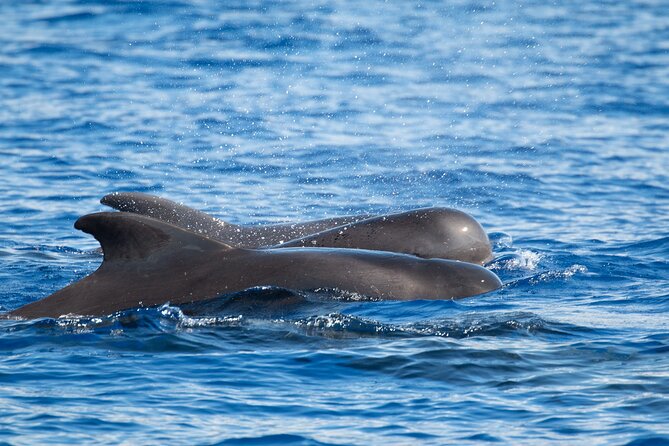
The pelagic portion is what gives this tour its distinctive angle. Once the boat moves into much deeper water, the search can include species rarely seen from shore or on short coastal cruises.
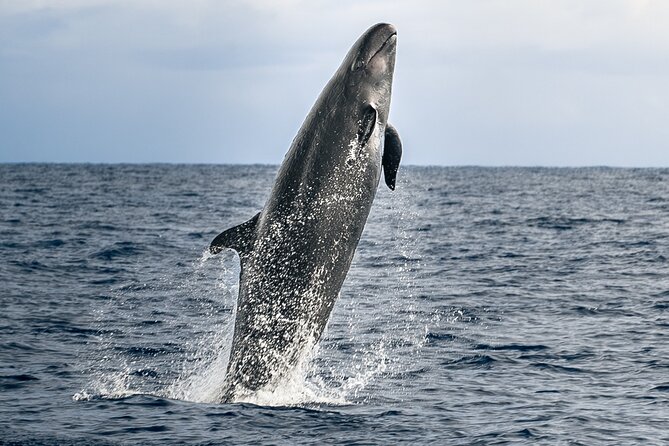
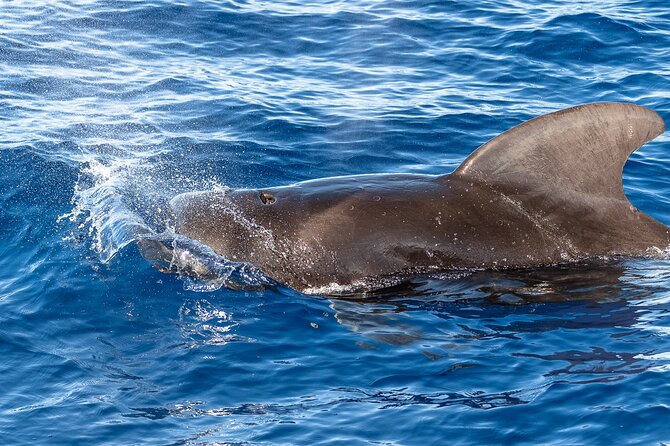
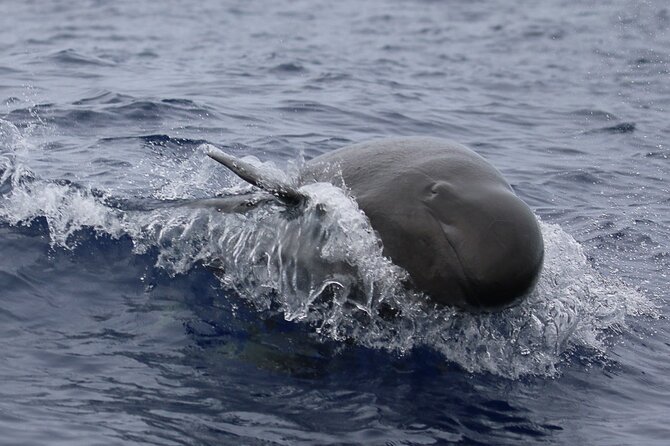
Short-finned pilot whales appear often in the tour accounts. They travel in pods and can show unusual behavior, including rolling at the surface, vocalizing, and lifting their heads vertically to look above the water. One outing included multiple pods, bottlenose dolphins, Cuvier’s beaked whales, oceanic white tip sharks, and a scalloped hammerhead shark.
Sperm whales, spotted dolphins, and whale sharks are also possible. A whale shark sighting would be unusual and memorable, while oceanic white tip sharks are a special target for anyone interested in open-ocean wildlife. The tour is not a shark trip, but several outings have included sharks along with whales and dolphins.
The offshore search also explains why the tour lasts up to four hours. You are not simply motoring to one known location, circling for twenty minutes, and returning. The captain and naturalist search a broad area, responding to whatever the ocean offers that day.
That approach creates both the value and the risk. If the crew finds a lively pod, you may get an unusually varied morning. If conditions are poor or animals stay below the surface, the longer duration can feel like a long time on a moving boat.
The guides make the difference
The crew receives some of the strongest praise connected with this experience. Captain Andrew and naturalist Olivia are repeatedly singled out for their friendly manner and clear explanations. Dennis is also praised for adding depth to the trip with his marine knowledge and enthusiasm.
This is important because whale watching can otherwise become a quiet contest to spot a blow before everyone else. A good naturalist helps you understand what you are seeing. You may learn why whales migrate to Hawaii, how they feed, what a particular behavior means, and how different dolphin and whale species move through the water.
The guides also discuss the surrounding coast. Reports mention explanations about fish farms, the seahorse farm, local history, and the depth of the water close to shore. One surprising point for some passengers was that whales could be swimming in only 50 to 200 feet of water near the coast.
The crew’s tone seems to balance education with fun. They identify species, explain behavior as it happens, and keep scanning instead of turning the outing into a lecture. That combination is especially useful for first-time whale watchers and families with older children.
Safety is another repeated strength. The crew watches animal behavior and makes whale protection a priority. That is not just good manners. Keeping a respectful distance lets you see natural behavior without turning the encounter into a chase.
What the $129 price really buys
At $129 per person, this is not the cheapest way to get on the Kona water. The price becomes easier to justify when you look at the full package: three to four hours, a professional captain and naturalist, a catamaran built for open viewing, offshore certification, and bottled drinks and soft drinks.
You are also paying for search time. The crew can work the nearshore and pelagic zones, which gives the trip a wider range than a short harbor cruise. If you see pilot whales, several dolphin species, sharks, and flying fish in one morning, the value is strong.
The price is less satisfying if your only goal is a guaranteed humpback sighting. Even in a busy season, the boat cannot make whales surface. Several outings have produced spectacular breaching, while another saw only brief glimpses of a humpback, and one rare trip saw no whales or dolphins at all.
The company’s policy softens that risk. If you see neither whales nor dolphins, you may return on another trip for 50 percent off. That is not the same as a guaranteed sighting on your scheduled morning, so read the promise carefully before booking.
The tour is highly rated overall, with 97 percent of participants recommending it and a 4.9 rating from 557 reviews. Those figures support the idea that the crew, boat, and wildlife search usually deliver good value, while still leaving room for the unavoidable uncertainty of nature.
Who will enjoy this tour most
I would choose this outing if you care about the animals, not just about taking a quick boat ride. The naturalist commentary gives the trip more purpose, and the range of possible species rewards anyone interested in marine biology, conservation, or photography.
It also suits couples and groups who can handle a few hours on the ocean. The boat has seating and handholds, but you should be comfortable with movement and changing viewing positions.
Children under 10 should not join. Older children may enjoy the dolphins and flying fish, especially when the crew explains what is happening, but the length and open-water setting may still be tiring for some families.
Service animals are allowed, and the activity is near public transportation. Most people can participate, but the operator does not present this as a specialized accessible excursion. If you have mobility, medical, or motion concerns, confirm the details before paying.
This is also a good choice if you have already seen the Big Island from land. The coast looks different from offshore, and the trip can add a fresh view of Kona even during a slower wildlife morning.
How to make the most of the morning
Book well ahead if your dates are fixed. The tour is booked about 37 days in advance on average, which suggests that popular vacation periods may fill early.
Leave room in your schedule after the outing. The advertised duration is three to four hours, and wildlife encounters or sea conditions can affect the exact pace. Since you return to the same meeting point, it is easy to continue with other Kailua-Kona plans afterward, but avoid booking something that requires an exact arrival time.
Take motion sickness seriously. Even though the Kona coast is described as one of the calmer areas around the island, one critical account found the ride rough and tiring. Take medication beforehand if you need it, and listen to the crew’s advice.
Keep your expectations flexible. A large pod of spinner dolphins may become the highlight instead of whales. Pilot whales, a shark, manta rays, or a school of flying fish can turn a nontraditional whale watch into a memorable wildlife trip.
Finally, pay attention to the naturalist. The best moments may be brief, and understanding a spyhopping whale or a vocalizing pilot whale makes those seconds more meaningful.
Should you book the Big Island Pelagic Whale Watch?
Yes, if you want a serious wildlife search with a strong educational side. The combination of Kona’s accessible deep water, the offshore-certified catamaran, and enthusiastic naturalists gives you more than a quick coastal cruise.
I would be cautious if you dislike boat motion or need a guaranteed animal sighting. You may spend several hours searching, and the ocean may refuse to cooperate. But if you accept that uncertainty, the possible rewards are excellent: humpback breaches in winter, spinner dolphins twisting through the wake, pilot whales studying the boat, and rare offshore species that you cannot expect to see from land.
At $129, I think the tour is a sound choice for a three to four-hour Kona activity, especially for adults and older children who value learning as much as seeing. Book it for the quality of the search, not for a promise that nature cannot keep.
FAQ
Where does the tour depart from?
The tour departs from 275 Kealakehe Parkway in Kailua-Kona, Hawaii. It returns to the same meeting point.
What time does the tour start?
The listed start time is 8:30 am.
How long does the whale watch last?
The experience lasts approximately three to four hours.
How much does the tour cost?
The listed price is $129 per person.
What animals might I see?
Possible sightings include humpback whales, pilot whales, sperm whales, beaked whales, spinner dolphins, bottlenose dolphins, spotted dolphins, manta rays, whale sharks, sharks, and flying fish.
Are whales and dolphins guaranteed?
No. Wildlife sightings cannot be guaranteed. If you see neither whales nor dolphins, the company offers another trip at 50 percent off.
Is the tour suitable for children?
The tour is not appropriate for children under the age of 10.
Are drinks included?
Yes. Bottled water and soft drinks are included.
What happens if bad weather cancels the tour?
If poor weather causes a cancellation, you will be offered another date or a full refund. Free cancellation is available when you cancel at least 24 hours before the start time.
Recently added around Big Island of Hawaii
- Zodiac Raft Whale Watching Adventure★ 5.0 · 456 reviews
- Deluxe Sail & Snorkel to the Captain Cook Monument★ 5.0 · 472 reviews
- Award Winning Farm Tour: Coffee, Chocolate and Unique Gifts★ 5.0 · 484 reviews
- Kailua-Kona: Manta Ray Watching Nighttime Boat Trip★ 4.8 · 488 reviews
- Manta Ray Night Snorkel Experience of a Lifetime★ 4.5 · 505 reviews
- Glass-Bottom Boat Reef Tour★ 4.5 · 506 reviews
- Kealakekua Bay Snorkeling Tour – 4 hour Kona Zodiac Adventure★ 5.0 · 508 reviews
- Big Island Waterfalls Tour with Swimming and Botanical Garden★ 5.0 · 513 reviews
Whale Watching, compared.
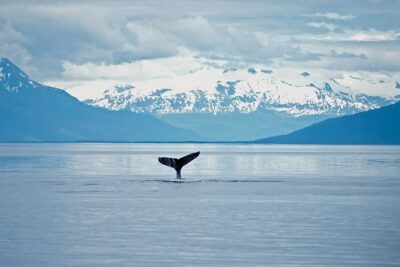
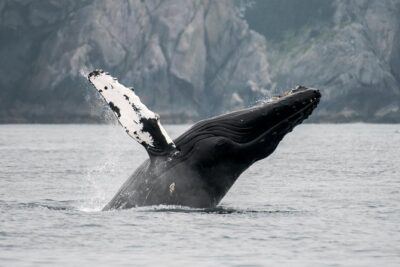
Juneau Wildlife Whale Watching & Mendenhall Glacier
Read our review →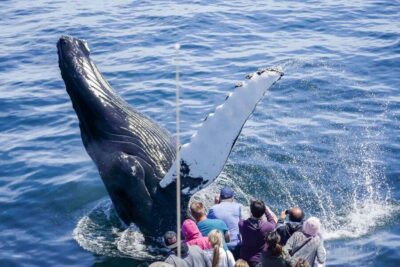
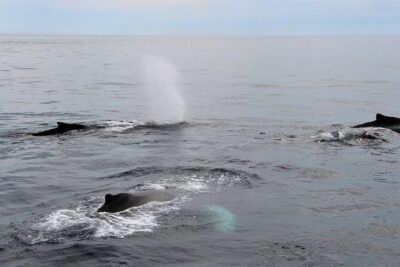
City Cruises Boston Whale Watching Cruise by High-Speed Boat
Read our review →
Maui Eco-Raft Tour: Eye-Level Whale or Dolphin Watching – Lahaina
Read our review →
Browse the lists this tour appears in