
Reviewed · WALKING TOURS
Boston’s North End Food and History Walking Tour
Come hungry, leave with a better map of Boston. This three-hour North End walk combines Italian food, neighborhood stories, and personal guidance from Paula, a longtime local who knows the district from the inside. I especially like the small group of no more than 10 people and the way the tour visits family-run shops instead of sticking only to famous restaurant names. The main consideration is simple: there is a lot of food, so this is not the tour for anyone hoping to keep lunch light.
The experience is also a smart first activity in Boston. Paula uses a map to explain the neighborhood, then connects each bite to an Italian region, an immigration story, or a local tradition. You should expect short walks rather than a strenuous hike, but you will want comfortable shoes and plenty of room at the table.
In This Review
- Key points to know before booking
- Why the North End works so well for a food tour
- Starting with a map and a local point of view
- Umberto and the first taste of Sicily
- Salumeria for olive oil, vinegar, cheese, and cured meat
- Bricco bakery and the pleasures of simple bread
- A sit-down lunch at Ristorante Saraceno
- Limoncello, pistachio liqueur, and the after-lunch pause
- Caffe Paradiso for cannoli, gelato, and espresso
- What the food teaches you about Italian regions
- Walking, timing, and group comfort
- Who will enjoy this North End experience most
- Is the tour worth the price?
- Should you book the North End Food and History Walking Tour?
- FAQ
- Where does the tour begin?
- Where does the tour end?
- How long does the tour last?
- What language is the tour offered in?
- How many people can join the tour?
- Is lunch included?
- What foods may be included?
- Does the tour include wine or other alcohol?
- Is the tour suitable for most people?
- Can I cancel for a full refund?
Key points to know before booking
- Six possible food moments in about three hours: The plan lists five main stops, while the detailed experience can include an additional tasting at a local shop or liquor store.
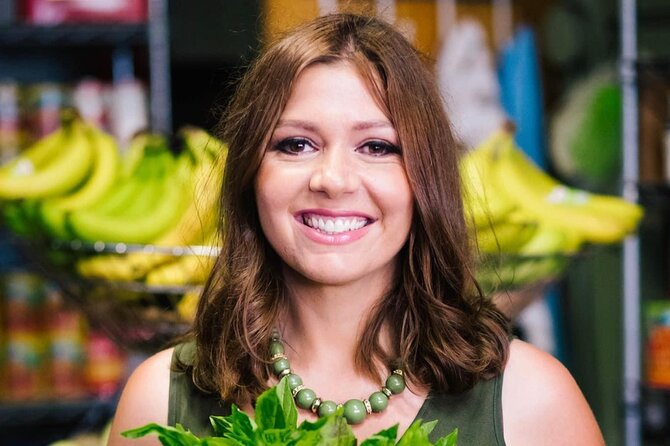
- Paula is the heart of the experience: Her long connection to the North End gives the tour a personal, lived-in feel.
- Lunch is a real sit-down meal: Expect a two-course lunch with wine pairing, not just a string of tiny samples.
- You taste across Italy: Sicilian arancini, Neapolitan-style specialties, Amalfi Coast flavors, Emilia-Romagna dishes, olive oil, cheese, cured meats, pastries, and coffee all enter the picture.
- The group is capped at 10: That makes it easier to ask questions and stay connected during indoor tastings.
- You finish back where you started: The meeting point and ending point are both in Boston’s North End.
Why the North End works so well for a food tour
Boston’s North End is compact, old, and strongly tied to Italian American life. That makes it a good place to learn through food. You are not crossing half the city between tastings. Instead, the route moves up and down the neighborhood peninsula, with brief walks linking one small business to the next.
I like this setup because food becomes a way to understand place. A rice ball is not just a fried snack. A piece of prosciutto is not just something salty on a plate. With the right explanation, each item can point toward a region, a cooking habit, or a family tradition.
The tour also gives you a useful sense of how the North End became Italian. Paula explains the neighborhood’s past while introducing the people and shops that keep its food culture going. Her art history background and long personal connection to the area add more color than a basic restaurant crawl.
This is not a formal lecture, and it is not only a tasting menu. The appeal lies in the mix. You walk, listen, sit, taste, and ask questions. That balance is why the experience works for people who want both a meal and a clearer understanding of Boston.
More Historical Tours in Boston
- Boston: Freedom Trail History Small Group Walking Tour
★ 5.0 · 6,450 reviews - Tour of Historic Fenway Park, America’s Most Beloved Ballpark
★ 4.5 · 3,013 reviews - Boston Food & History: Pizza, North End & Freedom Trail
★ 5.0 · 1,772 reviews
Starting with a map and a local point of view
The tour begins in the North End, where Paula reportedly starts by laying out a map of the area. That small step matters. The district can feel like a maze of narrow streets, bakeries, cafés, restaurants, and specialty shops. A quick orientation helps you understand where you are and how the neighborhood fits into Boston.
Paula is repeatedly praised for her energy, warmth, and ability to tell stories without losing the group. She has led this experience for more than 15 years and has lived and worked in the North End for much of her adult life. That background gives her recommendations a practical edge.
You may also get suggestions for places to eat after the tour. Paula has been known to provide a list of the businesses visited and recommend other North End spots, which is useful if you have extra days in Boston. I would take notes, especially if you are planning to return to the neighborhood for dinner or pastries.
The small size helps here. With a maximum of 10 people, you should have a better chance to hear the guide, see what is being presented, and ask about food or local customs. It also makes the sit-down meal less awkward than it can be on a large group outing.
Umberto and the first taste of Sicily
One early stop can be Umberto, a North End institution known here for rice balls and Sicilian pizza. Arancini, also called rice balls, offer a crisp outside with a savory center. Sicilian pizza brings a different texture from the thin, floppy slices many people associate with Italian food.
This is a useful opening because it shows that Italian cuisine is not one single style. Sicily has its own food traditions, and those traditions traveled with families who settled in Boston. Paula uses the food to explain the regional differences rather than treating every Italian dish as interchangeable.
The portions are also part of the lesson. You are not merely taking one bite and moving on. The food is described as generous throughout the tour, so pace yourself from the beginning. If you normally skip breakfast before a food tour, that may be a good idea here, but do not arrive dehydrated or unprepared for a long morning or afternoon of eating.
Salumeria for olive oil, vinegar, cheese, and cured meat
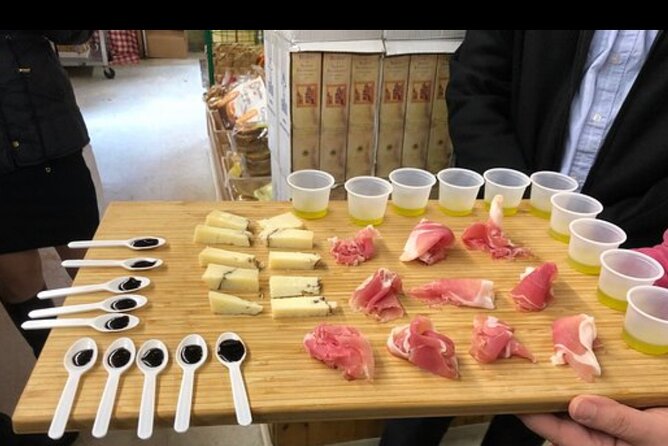
A specialty market such as Salumeria brings the tour into the pantry of Italian cooking. Here, you can taste olive oil, balsamic vinegar, cheese, and prosciutto. This stop is valuable because the guide can explain how these ingredients are used, what makes them different, and why quality matters.
Olive oil and balsamic vinegar can look familiar on a shelf, yet tasting them side by side is more useful than simply hearing a description. Cheese and prosciutto also show how Italian meals often build flavor from a handful of carefully selected ingredients.
This is one of the places where the local-business focus makes a difference. You get a look at the kind of shop you might otherwise pass without entering. If you enjoy bringing food home, pay attention to the products and ask questions. The information can help you shop more confidently later, though the supplied details do not promise that purchases are included or required.
More Walking Tours in Boston
- Cambridge: Harvard University Student-Guided Walking Tour
★ 4.6 · 3,931 reviews - Harvard University Campus Guided Walking Tour
★ 4.5 · 3,632 reviews - Boston Freedom Trail Walking Tour with Costumed Guide
★ 4.5 · 2,531 reviews - The Full Revolutionary Story Epic Small Group Boston Walking Tour
★ 5.0 · 2,356 reviews
Bricco bakery and the pleasures of simple bread
At Bricco bakery, the focus shifts to bread and pastries. The stop has been praised for its fresh bread and baked treats, and it adds another useful contrast to the route. Italian food is not only pasta and red sauce. Bread, pastry, coffee, and small sweets are central to the daily rhythm of an Italian neighborhood.
The bakery also gives you a break from heavier savory food, though the tour continues to build toward a substantial meal. You might find the pace pleasantly varied here: a few minutes of tasting, some explanation, and another short walk through the North End.
Because the tour takes place on foot, indoor stops may feel especially welcome in poor weather. Still, the activity requires good weather and can be canceled if conditions are unsuitable. If rain is in the forecast, check the operator’s arrangements before setting out.
A sit-down lunch at Ristorante Saraceno
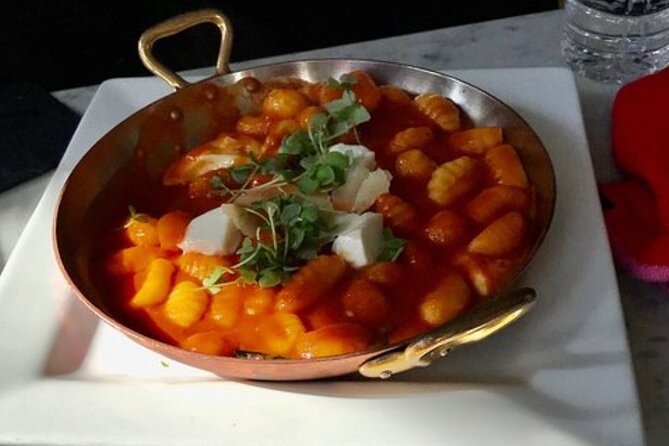
The lunch stop is the backbone of the experience. At Ristorante Saraceno, the meal can include bread, an appetizer, a pasta course, and wine tastings. The advertised format calls for a two-course lunch with wine pairing, while detailed accounts describe a broader meal that may include several shared elements.
This is where the tour delivers value beyond a standard snack walk. You get time to sit, eat, and talk about what you have already tasted. A proper meal also means you are not left searching for lunch as soon as the tour ends.
The pasta course has been described as macaroni, though the exact dish may vary. Wine information is another feature that adds substance. Paula brings in Italian wine knowledge and explains how regional food and wine fit together. You do not need to be a wine expert to enjoy this part. The point is to notice how a pairing changes the meal.
There is a practical catch: lunch makes the tour filling. The experience is designed for people who want a full food outing, not for those who prefer a light sampling of local specialties. If you have a large dinner reservation later, leave a generous gap.
Limoncello, pistachio liqueur, and the after-lunch pause
A stop at a local liquor store may add tastings of limoncello and pistachio liqueur. These pours connect the tour to the flavors of southern Italy, especially the lemon-forward traditions associated with the Amalfi Coast.
This part is best understood as a regional tasting rather than a drinking event. The goal is to learn what these liqueurs are and how they fit into Italian meals and celebrations. Still, alcohol is included, so anyone who does not drink should check the arrangements with the operator in advance.
The tour’s English-language format and small group make it easier to follow explanations about unfamiliar products. You can ask Paula about ingredients, serving customs, or regional differences without needing to know much in advance.
Caffe Paradiso for cannoli, gelato, and espresso
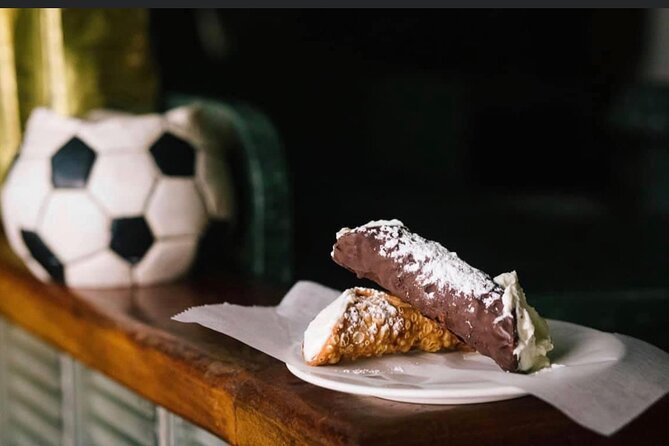
The final sweet stop can be Caffe Paradiso, where cannoli, gelato, and espresso bring the tour to a proper North End finish. Cannoli are a Sicilian specialty, while gelato and espresso speak to the everyday café culture associated with Italy.
This ending makes sense after lunch because it feels like a progression through an Italian meal. You begin with savory snacks, move through market foods and bread, sit down for pasta and wine, then finish with dessert and coffee.
The cannoli received especially warm praise in the supplied feedback, but tastes differ, and the exact offerings can change. The important point is that the tour gives you several chances to compare styles and ingredients rather than handing you one generic dessert.
Do not count on leaving hungry. The experience is repeatedly described as generous, and one detailed account included enough food across the stops to replace dinner. If you want to sample everything, take small portions when possible and listen to Paula’s advice about pacing.
What the food teaches you about Italian regions
The tour’s strongest idea is that the North End can act as a culinary trip through Italy. You may taste Sicilian food at one stop, then move toward Naples, the Amalfi Coast, or Emilia-Romagna at another.
That regional approach gives the meal a clear shape. Sicilian pizza and arancini introduce one set of traditions. Olive oil, balsamic vinegar, cheese, and prosciutto broaden the picture. Pasta and wine show how a meal can be structured, while cannoli, gelato, and espresso bring in the café and dessert side.
I like this better than a tour that simply lists popular North End restaurants. You learn why the food matters, not only where to buy it. You also see how an Italian neighborhood in Boston can preserve, adapt, and share traditions far from Italy.
The food is not presented as a museum piece. These are working businesses, family-run places, bakeries, markets, cafés, and restaurants. That keeps the experience connected to present-day North End life.
Walking, timing, and group comfort
The tour lasts about three hours and covers the North End on foot. The walks between stops are described as short and easy, so most people should find the physical side manageable. You still need comfortable shoes because the route includes repeated walking and standing.
A mobile ticket makes entry simple, and confirmation is provided when you book. The tour is offered in English. Service animals are allowed, and the meeting point is near public transportation, which helps if you are staying elsewhere in Boston.
The maximum group size is 10. That is small enough for personal attention without requiring a private tour budget. Paula can learn names, keep track of the group, and answer questions more easily than a guide leading several dozen people.
The route is not designed for people who want to rush. Food needs to be served, tasted, and explained. A stop may take longer than expected if the group is engaged, so keep the rest of your schedule flexible after the tour.
Who will enjoy this North End experience most
I would recommend this tour to first-time Boston visitors who want an easy introduction to the North End. It is also a strong choice for families, couples, and friends who enjoy learning while they eat.
Food lovers will appreciate the range of dishes, while history fans will like the neighborhood context. You do not need special knowledge of Italian cuisine. Paula’s job is to explain the ingredients and traditions in a way that makes sense as you go.
This experience is less suited to anyone with strict dietary needs unless those needs are confirmed directly with the operator before booking. The supplied information lists the foods but does not describe vegetarian, vegan, gluten-free, or allergy accommodations.
It may also be a poor fit if you want a quick orientation with only a few bites. This is a full meal experience with wine, dessert, and several tastings. Bring an appetite and expect to spend most of the three hours focused on food and conversation.
Is the tour worth the price?
The exact price is not provided in the information available here, so I cannot give you a precise cost comparison. The better way to judge the value is to look at what is bundled together.
You are receiving a guided neighborhood walk, local history, several tastings, a market visit, a bakery stop, a sit-down lunch, wine pairing, dessert, coffee, and personal recommendations. If you bought comparable food and drinks separately, the total could add up quickly, especially in Boston’s North End.
The value is strongest if you would otherwise spend time guessing where to eat. Paula’s route takes you to places you might not notice on your own, and the small group means you are paying for access to her local judgment as well as for the food.
I would not book this solely to save money on lunch. Book it for the combination of meal, context, and guidance. If you use the experience to shape the rest of your North End eating plans, it becomes more useful than a one-off restaurant stop.
Should you book the North End Food and History Walking Tour?
Yes, if you want a filling and personal introduction to Boston’s Italian neighborhood. The strongest reasons are Paula’s local connection, the clear link between regional Italian food and North End history, and the range of family businesses included in the route.
I would book it early in a Boston visit, ideally with no major meal planned immediately afterward. Go hungry, wear comfortable shoes, and be ready to taste more than you expect.
Skip it if you need a light snack tour, dislike group dining, or have dietary concerns that have not been confirmed. For everyone else, this is a thoughtful way to understand the North End through the people, food, and businesses that give the neighborhood its character.
FAQ
Where does the tour begin?
The tour begins in Boston’s North End, Massachusetts.
Where does the tour end?
The activity ends back at the meeting point in the North End.
How long does the tour last?
The tour lasts approximately three hours.
What language is the tour offered in?
The tour is offered in English.
How many people can join the tour?
The tour has a maximum of 10 participants.
Is lunch included?
Yes. The experience includes a sit-down lunch in a North End restaurant, described as a two-course lunch with wine pairing.
What foods may be included?
Possible tastings include arancini, Sicilian pizza, caprese salad, pasta, olive oil, prosciutto, balsamic vinegar, cheese, cannoli, gelato, and espresso.
Does the tour include wine or other alcohol?
Yes. Wine pairing is included with lunch, and the experience may also include tastings of limoncello and pistachio liqueur.
Is the tour suitable for most people?
Most people can participate, and the walking distances between stops are described as short. Service animals are allowed, and the meeting point is near public transportation.
Can I cancel for a full refund?
Yes, if you cancel at least 24 hours before the experience start time. Cancellations made less than 24 hours in advance are not refunded. Poor weather or failure to meet the minimum group size may lead to a new date or a full refund.
More Food Tours
- Little Havana Food and Walking Tour in Miami
★ 5.0 · 8,882 reviews - New Orleans Food Walking Tour of the French Quarter with Small-Group Option
★ 5.0 · 6,118 reviews - NYC Bus Tour of Brooklyn, Bronx, Queens: Art, Food & Sports
★ 5.0 · 3,805 reviews - Chef Guided Food Tour of Pike Place Market
★ 5.0 · 3,733 reviews
More Food & Drink Tours
- Boston North End Food Tour of 6+ Tastings, Cannoli, Lobster Roll
★ 5.0 · 1,404 reviews - Boston’s North End Food Tour: Italian Flavors & Heritage Walk
★ 5.0 · 1,322 reviews - Boston Pizza Lovers Food and History Walking Food Tour
★ 4.5 · 1,082 reviews - Boston’s Politically Incorrect North End Food Tour
★ 5.0 · 453 reviews
Recently added around Boston
- Boston’s Politically Incorrect North End Food Tour★ 5.0 · 453 reviews
- Downtown Freedom Trail, Beacon Hill & Back Bay Walking Tour★ 4.5 · 473 reviews
- Cambridge, Massachusetts: MIT and Harvard Walking Tour★ 4.7 · 486 reviews
- Narrated Sunset Cruise of Boston Harbor★ 4.0 · 532 reviews
- Sightseeing Day Sail around Boston Harbor★ 5.0 · 541 reviews
- Boston: Harbor Sunset Yacht Cruise★ 4.6 · 570 reviews
- Boston: Martha’s Vineyard Day Trip with Optional Island Tour★ 4.6 · 573 reviews
- Massachusetts Institute of Technology Public Tour★ 4.6 · 604 reviews
Walking Tours, compared.

History and Hauntings of Salem Guided Walking Tour
Read our review →
New Orleans Premier Ghost, Voodoo and Vampire Walking Tour
Read our review →

Freedom Trail History Small Group Walking Tour
Read our review →
Historic Charleston Guided Sightseeing Walking Tour
Read our review →
New Orleans Food Walking Tour of the French Quarter with Small-Group Option
Read our review →
St. Louis Cemetery No. 1 Official Walking Tour
Read our review →Browse the lists this tour appears in