
Reviewed · WALKING TOURS
Little Havana: Authentic Food and Culture Walking Tour
Cuban flavor comes alive on Calle Ocho. This 2.5-hour Little Havana walking tour mixes generous food tastings with Cuban-American history, local art, coffee rituals, cigars, and a visit to Domino Park. I especially like the family-owned food stops and the chance to see everyday neighborhood life rather than simply walking past souvenir shops. The tour also gets high marks for guides such as Danny, Daniel, and Faruk, who know the area and greet local shopkeepers by name.
The main thing to consider is the pace and timing. The route covers less than a mile, but stops, stories, and busy food counters can push the tour beyond its advertised duration. You should also arrive hungry, wear easy walking shoes, and understand that gluten-free and vegan diets cannot be accommodated.
In This Review
- Key points to know before booking
- Why this Little Havana tour works so well
- Starting at Tumbao and finding your way onto Calle Ocho
- Cuban Memorial Park and the story behind Miami’s Cuban community
- Domino Park and the neighborhood’s daily rhythm
- A Cuban sandwich, seafood, and the serious business of eating
- Mojitos, ventanitas, and the Cuban coffee ritual
- Guava pastries, churros, and a full meal in small portions
- Cigars, murals, galleries, and Tower Theater
- The practical side: timing, weather, and dietary limits
- Is $69 a fair price?
- Who should book this Calle Ocho walk?
- Should you book it?
- FAQ
- How much food is included on the tour?
- How much walking is involved?
- Where does the tour begin and end?
- Is parking available near the meeting point?
- Can I reach the meeting point by public transportation?
- Is the tour wheelchair and stroller accessible?
- Can dietary restrictions be accommodated?
- What happens if the weather is bad?
Key points to know before booking
- Eight or more food and drink samples can add up to a full lunch, including a Cuban sandwich, mojito, coffee, pastry, empanada, churro, and tropical juice.
- Cuban history comes with the walking route, including Cuban Memorial Park, the Bay of Pigs Museum, Maximo Gomez Domino Park, and Tower Theater.
- Danny is a much-praised local guide, with Daniel and Faruk also receiving strong marks for their warmth, humor, and command of the neighborhood.
- The tour visits working local businesses, including a cigar factory, coffee counter, restaurants, galleries, and bakeries.
- The walk is under a mile, making it manageable for many people, though standing and waiting at food stops still require some stamina.
- The advertised group is intimate, usually 10 people or fewer, but the stated maximum is 14, so group size may vary.
Why this Little Havana tour works so well
Little Havana is easy to visit on your own, but it is not always easy to understand. You can walk Calle Ocho, admire the rooster statues, order a Cuban coffee, and take pictures of murals without learning why this part of Miami matters. This tour gives those sights a story.
Your guide connects food, migration, politics, family businesses, religion, music, art, and daily life. The discussion includes Cuban history in Miami and the relationship between the United States and Cuba. That context matters because Little Havana is not just a themed entertainment district. It is a living Cuban-American neighborhood with strong ties to people, places, and traditions.
I like the way the tour keeps moving between public landmarks and small businesses. One moment you are hearing about exile and military history in a park. Soon after, you are standing at a ventanita, sharing a tiny cup of powerful coffee the way Miami locals do. That change of scale gives the walk its character.
The food is not treated as a side dish to the history. It is one of the main ways the guide explains the neighborhood. You taste the food, watch how drinks and cigars are made, and meet people who help keep these traditions going.
More Walking Tours in Miami
- Little Havana Food and Walking Tour in Miami
★ 5.0 · 8,882 reviews - The Official Art Deco Walking Tour by The Miami Design Preservation League
★ 5.0 · 1,580 reviews - South Beach Cultural Food and Walking Tour
★ 5.0 · 1,284 reviews
Starting at Tumbao and finding your way onto Calle Ocho
The tour begins at Tumbao, at 1652 SW 8th Street. This is a central location in Little Havana, and public buses stop nearby. On-street parking is available, generally around $2 per hour through a mobile app, though you should follow the current street signs because rates can change.
The first few minutes are useful for getting oriented. Your guide leads the group block by block rather than sending you off on a long urban march. The total walking distance is less than a mile, but the tour feels fuller because the route includes frequent stops.
The group size is intended to stay small, with 10 people or fewer highlighted as a feature. The additional tour information gives a maximum of 14 people, so the exact number can vary. A small group is valuable here because several stops are inside compact shops and restaurants. It also makes it easier to hear the guide and ask questions.
Guides are a major part of the experience. Danny receives especially strong praise for his warmth, humor, local connections, and pride in Little Havana. Several descriptions portray him as someone who knows shopkeepers, artists, cigar rollers, and passersby by name. Daniel and Faruk are also praised for clear local insight and friendly presentation.
One practical point: the route takes place on an active street. At times, a guide may be hard to hear over traffic and neighborhood noise. One person specifically wished the group had a microphone, so stay close when the guide begins a story.
Cuban Memorial Park and the story behind Miami’s Cuban community
Cuban Memorial Park gives the tour a serious early stop. This is where the guide can place Little Havana within the wider story of Cuban migration and the community’s connection to Miami.
You will hear about Cuban heritage in Miami and the changing relationship between Cuba and the United States. The value here is not just a list of dates. The guide helps explain why certain monuments matter and why the neighborhood became such an important center for Cuban-Americans.
This is also a good point to ask questions. If you want to understand the difference between a short visit to Little Havana and a more useful introduction, this historical framing is it. The food later in the route means more when you know something about the people and movements that shaped the neighborhood.
The Bay of Pigs Museum adds another important piece. Its subject is political and emotional, so this stop may feel quite different from the lighter moments involving pastries and coffee. That contrast is useful. Little Havana contains celebration, memory, debate, and loss all within a few blocks.
You should not expect a long museum visit with time to study every display. The tour is designed as a walking experience, so the guide’s explanation is central. If you want an extended museum visit, plan to return separately.
Domino Park and the neighborhood’s daily rhythm
Maximo Gomez Domino Park is one of the most recognizable places on Calle Ocho. It is a social gathering point where local players spend their afternoons around domino tables.
The stop gives you a glimpse of Little Havana as a neighborhood rather than a collection of attractions. You are not simply looking at a landmark. You are seeing a familiar local pastime played in public, with conversation and competition built into the atmosphere.
Your guide introduces the group to the setting and explains why dominoes matter in Cuban culture. This can be one of the most enjoyable stops for people who want ordinary local life, not just food samples.
It is worth remembering that this is an active public place. The experience depends on the atmosphere at the time of your visit, and you should be respectful when taking pictures. The tour does allow photography, and photos of the street art, architecture, food, and landmarks are encouraged.
More food and drink tours:
- Miami: Little Havana Food Walking Tour with Tastings
★ 4.9 · 1,181 reviews - A Taste of South Beach Food Tour
★ 5.0 · 1,120 reviews - Walking Food Tour of Little Havana with Cuban Dishes Tasting
★ 5.0 · 495 reviews - New Orleans Food Walking Tour of the French Quarter with Small-Group Option
★ 5.0 · 6,118 reviews
A Cuban sandwich, seafood, and the serious business of eating
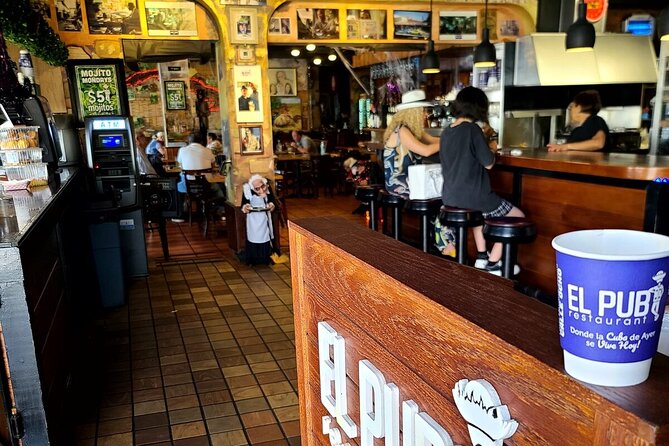
The food portion is generous enough to replace a meal. The exact order and selection can change, but the stated samples include seafood, a mojito, a Cuban sandwich, Cuban coffee, guava pastry, sugarcane juice or another tropical juice, an empanada, and churros.
The seafood starter is salpicon de mariscos, a Spanish-influenced Cuban dish. It is prepared with seafood, olive oil, vinegar, and chopped vegetables. Because it is cooked ahead and chilled or marinated, it gives you a different taste from the heavier baked and roasted foods later in the route.
The Cuban sandwich is usually the star for many people. It combines roasted pork, sweet ham, Swiss cheese, pickles, and mustard on Cuban bread, then gets pressed like a panini. The portion is substantial enough to make the advice about arriving hungry quite serious.
I like that the sandwich offers a clear lesson in Cuban-American food. It is familiar enough to recognize, yet the balance of pork, ham, cheese, mustard, pickles, and toasted bread makes it more than a quick snack. One particularly enthusiastic account called it the best Cuban sandwich they had eaten, though taste is personal and the stop can vary.
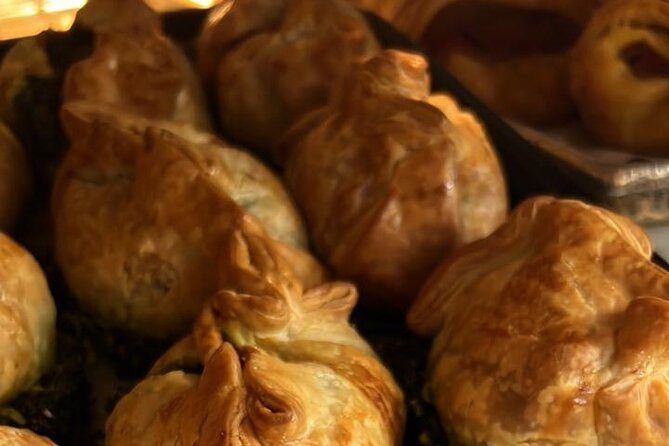
The baked beef empanada adds another familiar Latin American food to the route. It is made daily by a local baker and filled with beef. This is the sort of sample that works well during a walking tour because it is easy to eat and gives you another texture and flavor without requiring a full sit-down meal.
Mojitos, ventanitas, and the Cuban coffee ritual
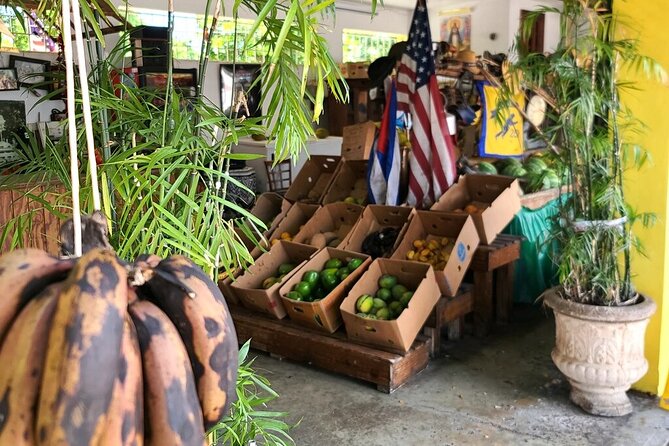
The mojito is made with rum, fresh mint, lime juice, and club soda. It is included in the price, which is a useful detail because some food tours charge extra for alcoholic drinks.
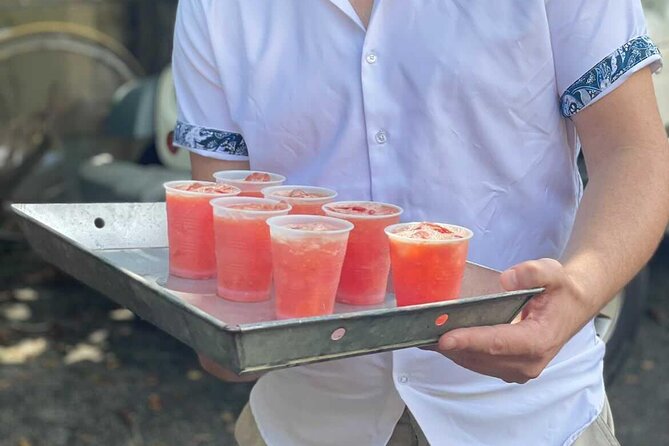
The minimum drinking age is 21. If you do not drink alcohol, you should ask the guide about the available nonalcoholic option, since the tour also includes tropical juice. The listed juice may be sugarcane, guava, or mango depending on the season.
The Cuban coffee colada is a small but memorable part of the route. It is served at a ventanita, a window counter or coffee stand, and is meant to be shared. The coffee is strong, sweet, and social. You do not simply receive a drink and walk away. You take part in a local ritual.
Sugarcane juice, called guarapo, is pressed in front of the group. This is a particularly good stop for anyone interested in how ingredients become drinks. The freshness and preparation make it different from ordering a bottled juice at a restaurant.
The combination of mojito, coffee, and sugarcane juice also means you should pace yourself. You are sampling a lot in a short period, and the coffee is not timid.
Guava pastries, churros, and a full meal in small portions
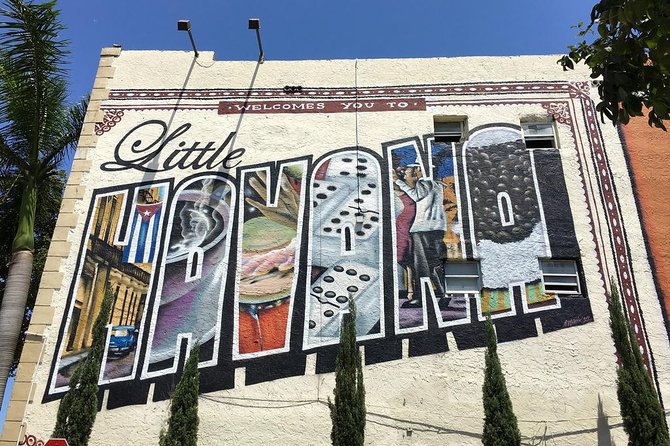
Pastelito con guayaba y queso is a flaky pastry filled with guava paste and cream cheese. The sweet-tart guava and creamy filling make it one of the easiest samples to remember. It is also the kind of treat that can make the phrase come hungry sound like an understatement.
Churros finish the food route with sugar and cinnamon. They are simple, familiar, and well suited to the relaxed ending of a neighborhood walk.
The tour describes the food as the equivalent of a full-size lunch or dinner divided among several tasting locations. The detailed menu lists eight food and drink items, while the practical information refers to five local tasting spots, and the route description mentions six family-owned Cuban and South American restaurants. Treat those numbers as a guide rather than a guarantee of an identical stop count every day.
The selection can change with seasonal juice, restaurant schedules, or local conditions. Still, you should expect enough food to feel full at the end. One less favorable account found the food too limited, so expectations may depend on the day, portion sizes, and how much you eat at each stop.
Cigars, murals, galleries, and Tower Theater
A visit to a local Cuban cigar factory adds a hands-on craft element. Cuban women roll cigars while you watch how the products are made. This is not simply a retail stop. It shows a skilled tradition that remains part of Little Havana’s commercial and cultural identity.
You may also see local workers demonstrate Cuban coffee preparation. These short demonstrations make the tour feel connected to real businesses rather than arranged only for sightseeing groups.
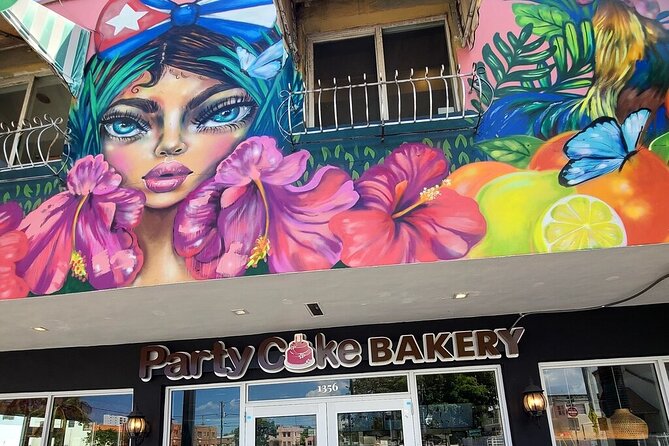
The art portion takes you into Little Havana’s newer creative side. The route includes local artist galleries and time around murals and street art. Some guides take the group off the most direct path to see a larger mural area, which can be rewarding if you enjoy photography.
Rooster Alley is a useful place to visit after the tour. It is close to the end point and offers more murals and street art. The route also passes Tower Theater, one of Calle Ocho’s notable landmarks. Together, the theater, galleries, murals, and cigar shop show how the neighborhood carries older traditions while making room for newer Cuban and Miami art.
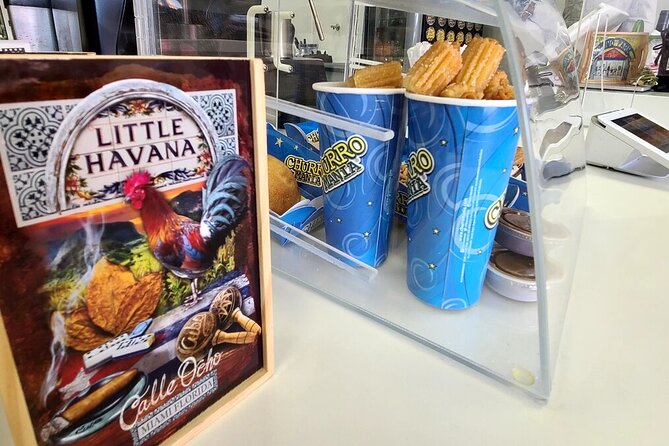
The tour ends at Churromania, 1417 SW 8th Street. From there, it is only a few minutes and about two blocks back to the starting point. That makes it easy to return to your car or continue exploring Calle Ocho.
The practical side: timing, weather, and dietary limits
The listed duration is about two hours and 30 minutes, but you should leave extra room afterward. Food counters can be busy, conversations can run long, and guides may choose not to rush the route. Several people appreciated that the tour continued beyond the scheduled time when needed.
Wear comfortable clothes and shoes. The walk is short, but you will be on your feet, entering shops, waiting for food, and moving between several stops. The tour operates in all weather conditions, so bring an umbrella or poncho when rain is expected.
Wheelchairs and baby strollers can be accommodated, and service animals are allowed. Restrooms are available at almost every stop, but ask the guide when you need one rather than waiting until the end.
Dietary planning is important. Vegetarian options are available if you notify the operator before the tour. Dairy-free diets can also be accommodated according to the practical information, but celiac disease, gluten allergies, and vegan diets cannot be handled. List restrictions when booking and contact the operator for anything unusual.
English is the operating language. Some guides speak Spanish at an intermediate level, but the tour cannot run in both languages at the same event.
Is $69 a fair price?
At $69 per person, this is not the cheapest way to walk through Little Havana. But the price includes a mojito, seafood sample, Cuban sandwich, coffee, guava pastry, tropical juice, empanada, and churros, along with the guide and cultural interpretation.
If you bought comparable food and drinks separately, the tastings would take a sizable part of the fee. You are also paying for access to several family-owned businesses, the cigar-making demonstration, local introductions, and a planned route that brings the history together.
The value is strongest if you want both lunch and orientation. I would be less enthusiastic about the price if you plan to eat a full meal before or after, dislike group tours, or mainly want free time for shopping and photography.
The tour is particularly useful at the beginning of a Miami stay. You can learn which places deserve a return visit, ask the guide about other parts of the city, and use the walk to plan your next few days.
Free cancellation is available up to 24 hours before the start time. Changes or cancellations within 24 hours are not refundable. The operator may reschedule or refund the tour if unsafe weather or insufficient bookings force a cancellation.
Who should book this Calle Ocho walk?
I would recommend it to first-time visitors who want a friendly introduction to Little Havana without spending an entire day on foot. Families with older children, couples, friends, and food-focused visitors should find the mix appealing.
It also suits people who prefer stories with their meals. The food alone is plentiful, but the historical stops, cigar factory, Domino Park, and art galleries give the experience a wider purpose.
You may want to skip it if you need a strict gluten-free or vegan menu, cannot drink alcohol and are uncomfortable with a drink-focused route, or prefer exploring at your own pace. The guide’s commentary is central, and the experience works best when you stay with the group.
Should you book it?
Book this tour if you want a filling Cuban food introduction tied to real neighborhood places. The strongest reasons are the generous menu, the short walking distance, the history stops, and guides such as Danny who bring personal connections to the route.
Book it early in your Miami visit, arrive very hungry, and leave room for the tour to run longer than two and a half hours. If you do that, $69 is a reasonable price for a meal, a local orientation, and a useful first look at Little Havana.
FAQ
How much food is included on the tour?
The tastings are intended to equal a full-size lunch or dinner divided among several local stops. Items may include a Cuban sandwich, seafood tasting, mojito, Cuban coffee colada, guava and cheese pastry, tropical juice, empanada, and churros.
How much walking is involved?
The route covers less than a mile. Most historical sites and food stops are close together, though you will also spend time standing and moving between businesses.
Where does the tour begin and end?
The tour begins at Tumbao, 1652 SW 8th Street, Miami. It ends at Churromania, 1417 SW 8th Street. The starting point is about two blocks from the end point.
Is parking available near the meeting point?
Yes. On-street parking is available near the departure location and is typically about $2 per hour through a mobile app. Check the street signs for current rates and payment details.
Can I reach the meeting point by public transportation?
Yes. Several bus stops are near the meeting location. Ride-share services and taxis are also options.
Is the tour wheelchair and stroller accessible?
Yes. The operator states that wheelchairs and baby strollers can be accommodated. Service animals are allowed.
Can dietary restrictions be accommodated?
Vegetarian and dairy-free options can be arranged when requested in advance. The operator cannot accommodate celiac disease, gluten allergies, or a vegan diet.
What happens if the weather is bad?
The tour operates in all weather, so dress appropriately and bring an umbrella or poncho if rain is forecast. If unsafe weather causes cancellation, you will be offered another date or a full refund.
More Walking Tours
- Miami South Beach Art Deco Walking Tour
★ 5.0 · 1,039 reviews - From Miami: Everglades Airboat Ride and Nature Walk
★ 4.8 · 459 reviews - History and Hauntings of Salem Guided Walking Tour
★ 5.0 · 14,564 reviews - New Orleans Premier Ghost, Voodoo and Vampire Walking Tour
★ 4.5 · 12,856 reviews
More Food Tours
- NYC Bus Tour of Brooklyn, Bronx, Queens: Art, Food & Sports
★ 5.0 · 3,805 reviews - Chef Guided Food Tour of Pike Place Market
★ 5.0 · 3,733 reviews - Savannah First Squares Culinary & Cultural Walking Food Tour
★ 5.0 · 3,229 reviews - NYC: Chinatown & Little Italy Food Tour with 7 Flavorful Tastings
★ 5.0 · 2,733 reviews
Recently added around Miami
- Parasailing with Miami Watersports★ 4.0 · 451 reviews
- Miami All-In-One: City Sightseeing & water taxi experience★ 4.5 · 456 reviews
- From Miami: Everglades Airboat Ride and Nature Walk★ 4.8 · 459 reviews
- Miami Skyline Cruise of Millionaire Homes★ 4.2 · 468 reviews
- Biscayne Bay and Celebrity Island Homes Boat Tour 90 Minute★ 4.0 · 486 reviews
- Wynwood Art District 1-Hour Street Art Tour by Golf Cart★ 4.9 · 492 reviews
- Walking Food Tour of Little Havana with Cuban Dishes Tasting★ 5.0 · 495 reviews
- 60 Minutes Small Group Everglades Airboat Ride in Miami★ 5.0 · 497 reviews
Walking Tours, compared.

History and Hauntings of Salem Guided Walking Tour
Read our review →
New Orleans Premier Ghost, Voodoo and Vampire Walking Tour
Read our review →

Freedom Trail History Small Group Walking Tour
Read our review →
Historic Charleston Guided Sightseeing Walking Tour
Read our review →
New Orleans Food Walking Tour of the French Quarter with Small-Group Option
Read our review →
St. Louis Cemetery No. 1 Official Walking Tour
Read our review →Browse the lists this tour appears in