
Reviewed · MANTA RAY NIGHT SNORKELS
Manta Ray Snorkeling by Night in Kailua-Kona, Hawaii
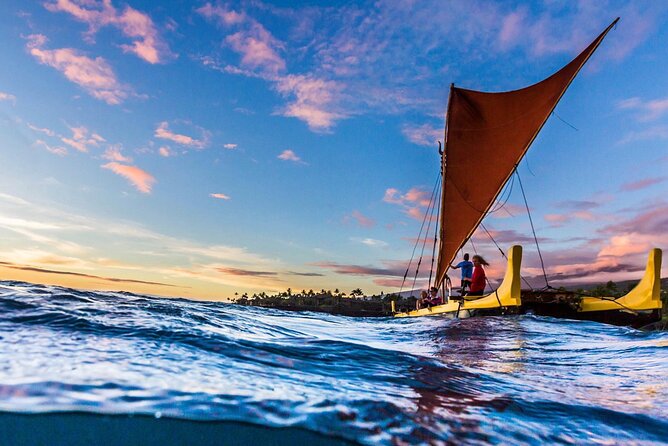
The ocean comes alive after sunset. Eka Canoe Adventures gives you a close look at wild manta rays off Hawaii’s Kona Coast, using a small, lighted float and a traditional-style double-hulled Hawaiian canoe to reach the viewing site. The rays gather where lights draw plankton, their favorite food, into the water.
I like the small maximum group of 12, which keeps the canoe ride relaxed and makes it easier to get help in the water. I also like the short ride from shore to the manta site, since more of your limited evening is spent watching rays rather than sitting on a boat.
The main drawback is the price, $127.10 per person, for an outing that lasts about an hour, or roughly 1 hour and 15 minutes according to the operator. Manta rays are wild, so sightings are never guaranteed. You may get a spectacular show, but you are paying for a well-run attempt, not a promised animal encounter.
In This Review
- Five details that shape the experience
- Why Kona is known for night manta snorkeling
- Meeting at Kaleiopapa Street
- The canoe ride to the manta site
- Entering the water after dark
- Watching the manta rays feed
- Guidance, safety, and comfort in the water
- Is $127.10 a fair price?
- Who should book this Kona manta experience?
- Practical tips for a smoother evening
- Final call: book it for the small canoe and wild encounter
- FAQ
- How long does the manta ray snorkeling experience last?
- Is snorkeling equipment included?
- Are manta ray sightings guaranteed?
- What is the maximum group size?
- What abilities are required?
- What happens if bad weather cancels the tour?
Five details that shape the experience
- The canoe carries 12 or fewer people, giving you more room and a quieter setting than a large boat.
- The lightboard attracts plankton, which brings manta rays close to the surface without feeding or training them.
- Actual water time is usually 45 minutes or more, within an outing lasting about 1 hour and 15 minutes.
- Wetsuit tops, flotation devices, and snorkel gear are included, with prescription masks available.
- A manta guarantee provides another chance, but not a cash refund, if no manta rays appear.
Why Kona is known for night manta snorkeling
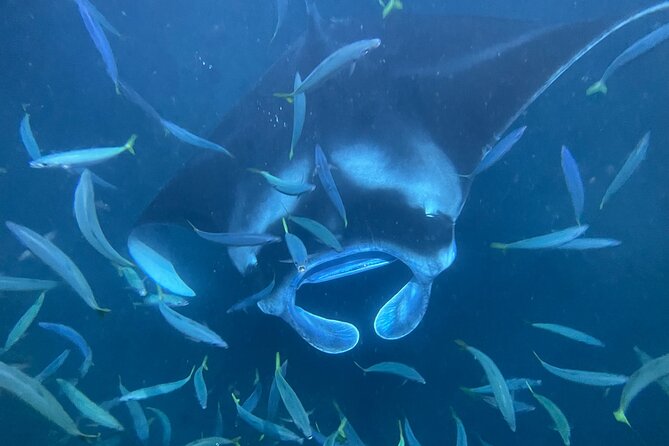
Kona’s manta encounter works because the animals come to the plankton, rather than being chased by swimmers. A lighted board shines into the water, plankton gather around the light, and manta rays glide through the area to feed.
That feeding pattern lets you watch the animals in their natural setting. The rays are not fed, trained, or handled, which matters if you want an encounter that respects their wild behavior.
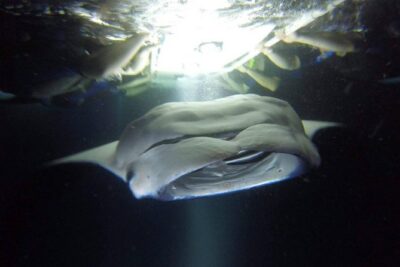
At night, your view is concentrated in the water directly below the light. A manta may appear as a pale wing, then sweep upward with its mouth open before turning away. You are not looking for a reef full of colorful fish. You are watching large, graceful animals move through a dark sea, often close enough to see their undersides clearly.
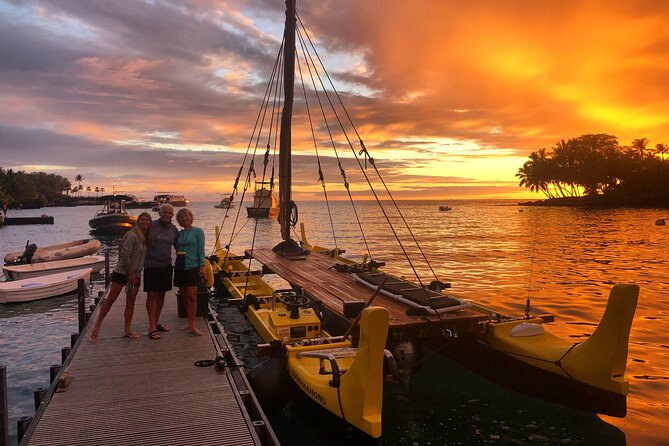
The setting can also make the outing feel more special than a standard daytime snorkel. Some early evening departures allow you to see the sunset before darkness settles in. Later departures offer a moonlit ride and a darker sky, but the time of sunset and the manta activity will vary.
More Snorkeling Trips in Big Island of Hawaii
- Big Island Manta Ray Night Snorkel
★ 5.0 · 5,656 reviews - Big Island: Kona Manta Ray Snorkel Tour in Keauhou Harbor
★ 4.5 · 2,465 reviews - Big Island: Captain Cook Snorkel On A Power Catamaran With Lunch
★ 5.0 · 2,232 reviews
Meeting at Kaleiopapa Street
You meet the crew at 78-7130 Kaleiopapa Street in Kailua-Kona, then return to the same point at the end. The site is near public transportation, but private transportation is not included, so you need to arrange your own way there.
Opt in to the day-of text updates when you book. The message includes parking directions, check-in instructions, and pictures to help you find the meeting spot. That small bit of preparation is worth taking seriously, especially if you are arriving after dark.
The evening begins with a check-in and equipment fitting. Height and weight are collected to choose the right wetsuit top, so you do not simply select a shirt size. The wetsuit top adds warmth, but you should still expect the ocean to feel cool once you are floating in place.
Bring a towel. Towels are not supplied, and several people found a dry towel especially useful after getting back into the canoe. Coffee, tea, snacks, and motion sickness medicine are also not included.
The canoe ride to the manta site
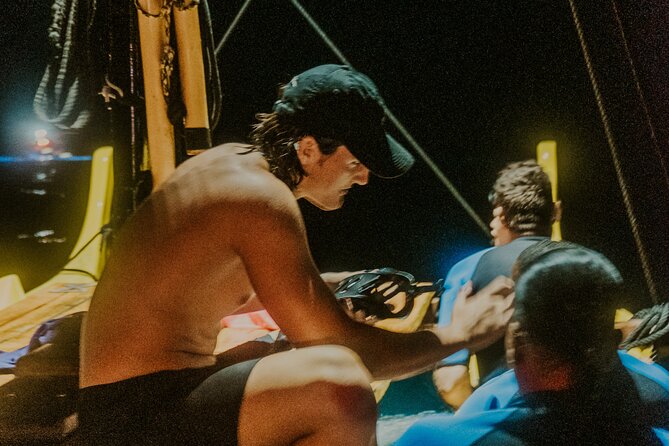
The ride takes place on a historically accurate Hawaiian double-hulled canoe. This is not just transportation. It gives the evening a strong connection to Hawaii’s seafaring culture and creates a more personal setting than a large motorboat packed with people.
The canoe ride to the viewing area is short, according to the available experience details. That is good news if you would rather spend your hour near the rays than crossing a wide stretch of water.
A smaller canoe also changes the mood. With no more than 12 people and a small crew, instructions should be easier to hear and boarding assistance more direct. The canoe does require you to manage a short ladder without help, so this is not the right choice for someone who cannot climb out of the water independently.
The ride may be calm, but ocean conditions can change. One outing had rain and choppy water, yet still produced close manta encounters. If you are prone to motion sickness, plan ahead because medication is not included and the operator does not supply it.
Entering the water after dark
Before entering the water, you put on the provided snorkel gear and wetsuit top. A flotation device is also supplied. You need basic swimming ability, but you do not need to be an expert swimmer to take part.
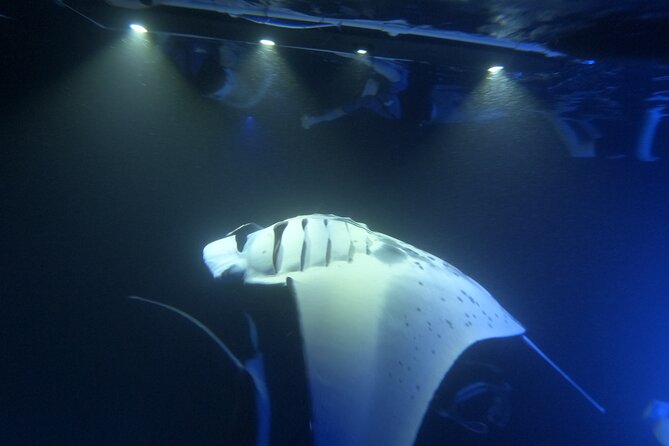
The transfer from canoe to the lightboard is an important moment. The board is brought close to the canoe, sometimes within a few feet, and you enter the water with a pool-style float. Guides assist with the process and check on people throughout the time in the water.
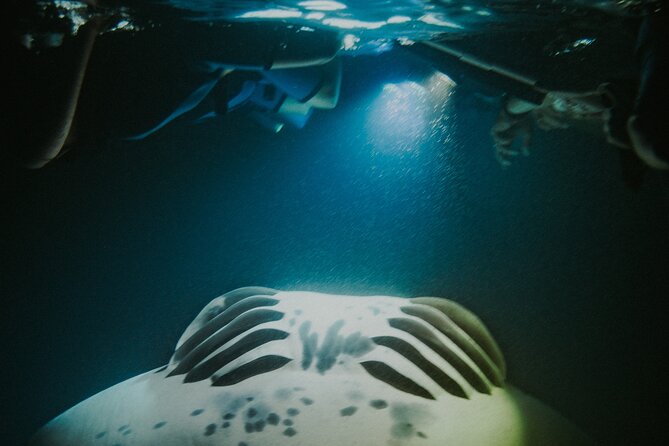
Once you reach the board, you hold onto it while looking below. The lightboard is designed for this purpose and uses powerful blue lighting to attract plankton. From your viewpoint, the blue glow may look modest, but it is aimed into the water, where its effect matters more than its appearance from the surface.
Holding the board can become tiring. One person found the flotation board exhausting during a quiet period before the rays returned. If your arms tire, tell the water guide instead of trying to tough it out. The guide’s job is to help you stay safe and comfortable while keeping the group together.
More manta ray night snorkels:
- KONA Manta Ray Night Snorkel – FREE re-ride if no Sightings
★ 5.0 · 2,212 reviews - Manta Ray Night Snorkel at Kona, Big Island
★ 5.0 · 1,758 reviews - Glow of the Deep: Night Snorkeling with Manta Rays
★ 4.5 · 1,254 reviews - Kailua Kona: Night Manta Ray Adventure on the Big Island
★ 4.8 · 1,199 reviews
Watching the manta rays feed
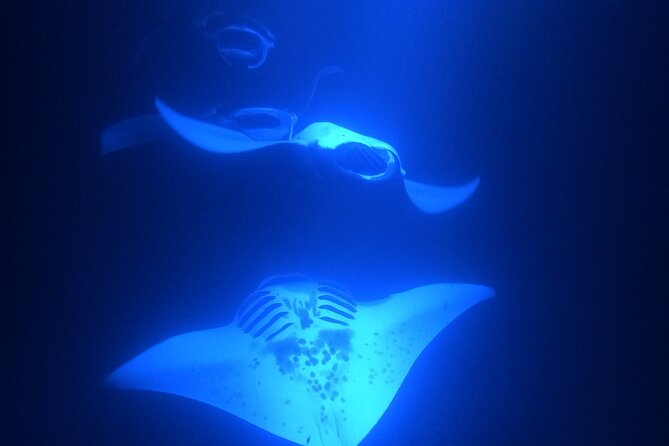
The best part of the outing begins when the rays arrive. They often make broad, slow passes beneath the light, rolling and turning as they feed on plankton. Their movements can look almost choreographed, but they are simply following food through the water.
A manta may pass within inches of you. It can feel startling at first, especially when a large wing suddenly rises beneath the board. The animals are described as gentle, and the guides emphasize safety for both people and mantas.
Your job is to float, watch, and avoid touching the rays. The experience is not an active chase. The light does the work, and patience is part of the arrangement.
Manta numbers can vary. You might see one or several, or you might have a long wait before the action starts. Some outings have produced repeated passes from many rays, including groups of six or more. On another evening, the first few minutes were quiet before a group arrived near the end.
That uncertainty is worth understanding before you book. If you need a guaranteed wildlife sighting, no ethical wild-animal tour can provide that. Eka Canoe Adventures offers another chance on a different evening or during a future visit to Kona if no manta is seen, subject to available seats. It does not offer a refund simply because the rays stayed away.
Guidance, safety, and comfort in the water
The crew provides the equipment and directs the water entry, but you still need to be able to swim and climb a short ladder without assistance. The tour is not recommended for people with recent surgery or mobility and physical restrictions.
This is a nighttime ocean activity, so nervousness is understandable. The strongest part of the setup is the close crew support during boarding and water entry. Guides have helped people who were uneasy about entering the sea, and the water guide stays with the group to explain what is happening.
The small group helps here. With 12 or fewer people, the crew can keep a better eye on everyone than they could with a much larger load. It also means less crowding around the lightboard, though the board itself may still require steady arm strength.
You should be honest about your swimming comfort before entering. Basic swimming skills are required, and the flotation equipment is there for support, not as a substitute for being able to manage yourself in the water.
Prescription snorkel masks are available. That is a useful detail for anyone who normally wears glasses and wants a clearer view below the surface.
Is $127.10 a fair price?
At $127.10 per person, this is not a cheap one-hour activity. You are paying for a small-group operation, a specialized canoe, trained crew, safety equipment, insurance and operating costs, and access to one of Kona’s most unusual wildlife encounters.
The value improves if you care about group size. Several people considered the smaller canoe worth paying extra for because large operators can carry many more people to the same general area. A smaller outing gives you a better chance of hearing the guide, receiving help, and finding a comfortable place at the lightboard.
The price is harder to justify if your main goal is simply the longest possible time in the water. The operator says the full outing runs about 1 hour and 15 minutes, with at least 45 minutes commonly spent snorkeling. The booking summary lists approximately one hour, so allow for a short experience rather than a full evening cruise.
I would compare the cost with the kind of night you want. For an intimate, focused encounter with a culturally distinctive canoe ride, the rate is reasonable. For a budget-conscious schedule or a family that wants a long boat trip with several activities, it may feel expensive.
Who should book this Kona manta experience?
I would recommend it for couples, families with children at least 5 years old, and solo people who want a close wildlife encounter without joining a large boat. It also suits anyone who likes a short, focused tour and values a traditional-style canoe ride.
The tour can work for a nervous swimmer if you meet the swimming requirement and are willing to tell the crew what you need. The guides have been praised for calm support, clear instructions, and help during boarding and water entry.
I would think twice if you dislike nighttime ocean conditions, tire easily while holding a float, or cannot climb a short ladder unassisted. You should also skip it if you need a refund when wildlife does not appear, since the guarantee is a return opportunity only.
Families should remember that the minimum age is 5. Children still need to meet the swimming requirement, and an adult should be prepared to help them follow instructions and remain calm in the water.
Practical tips for a smoother evening
- Book ahead: The outing averages about 23 days of advance booking, so do not wait until the last minute if your Kona dates are fixed.
- Choose your departure thoughtfully: A 6 p.m. departure may include sunset, while later times place you fully under the night sky.
- Bring a towel: It is not included, and you will appreciate having one after the canoe ride back.
- Opt in to text updates: Parking and check-in can be easier to find with the day-of pictures and directions.
- Plan for the ocean: Rain and choppy water can occur even when the manta viewing is excellent.
- Use the guide: Tell the crew if you are nervous, cold, tired, or feeling motion sick.
- Expect wildlife uncertainty: A great night may bring repeated close passes. A quiet night is still possible.
Free cancellation is available up to 24 hours before the start time. If poor weather cancels the outing, you can choose another date or receive a full refund. The same choice applies if the minimum number of participants is not reached. Changes or cancellations made less than 24 hours before departure are not accepted for a refund.
Final call: book it for the small canoe and wild encounter
I would book this tour if you want a short, personal night on the Kona Coast and you are comfortable paying for a chance to see wild animals up close. The canoe, group limit, supportive crew, and included gear create a strong package, and the encounter itself can be astonishing when the rays circle the light.
I would not book it if you need a guaranteed sighting, cannot swim, or want the lowest possible price. For everyone else, Eka Canoe Adventures offers a thoughtful way to see manta rays without turning the evening into a crowded boat outing. Bring a towel, allow for cool and possibly choppy water, and treat the manta guarantee as a second opportunity rather than insurance against disappointment.
FAQ
How long does the manta ray snorkeling experience last?
The booking information lists approximately one hour. The operator describes the outing as about 1 hour and 15 minutes, with actual snorkeling usually lasting 45 minutes or more.
Is snorkeling equipment included?
Yes. Snorkel equipment, including normal and prescription options, is included. Wetsuit tops and flotation devices are also provided.
Are manta ray sightings guaranteed?
No. The manta rays are wild and are not fed or trained. If you do not see a manta ray, the operator’s guarantee gives you another chance on a different evening or during a future Kona visit, subject to available seats. It does not provide a refund for a missed sighting.
What is the maximum group size?
The canoe carries no more than 12 participants.
What abilities are required?
You must be able to swim and climb a short ladder without assistance. The activity is not recommended for people who recently had surgery or who have mobility or physical restrictions.
What happens if bad weather cancels the tour?
You can choose another date or receive a full refund if the experience is canceled because of poor weather. If the minimum number of participants is not reached, you will also be offered another date or experience, or a full refund.
More Evening Experiences
- Big Island GOAT Experience: Mauna Kea Summit, Sunset & Stars
★ 5.0 · 1,706 reviews - Big Island: Mauna Kea Summit Tour with Free Night Star Photo
★ 5.0 · 1,449 reviews - Manta Ray Night Snorkel in Kona
★ 5.0 · 777 reviews - Night Manta Ray Experience
★ 5.0 · 751 reviews
More Snorkeling Trips
- Kona Snorkel Tour: Captain Cook Reef Snorkel, Dolphin & Sea Caves
★ 4.5 · 1,411 reviews - Manta Magic: Small-Group Manta Ray Night Snorkel in Kailua Kona
★ 5.0 · 1,141 reviews - Kona’s Best Morning Snorkel: Captain Cook & Kealakekua Bay
★ 5.0 · 957 reviews - Sunset and Manta Ray Snorkel Adventure
★ 5.0 · 843 reviews
Recently added around Big Island of Hawaii
- Zodiac Raft Whale Watching Adventure★ 5.0 · 456 reviews
- Deluxe Sail & Snorkel to the Captain Cook Monument★ 5.0 · 472 reviews
- Award Winning Farm Tour: Coffee, Chocolate and Unique Gifts★ 5.0 · 484 reviews
- Kailua-Kona: Manta Ray Watching Nighttime Boat Trip★ 4.8 · 488 reviews
- Manta Ray Night Snorkel Experience of a Lifetime★ 4.5 · 505 reviews
- Glass-Bottom Boat Reef Tour★ 4.5 · 506 reviews
- Kealakekua Bay Snorkeling Tour – 4 hour Kona Zodiac Adventure★ 5.0 · 508 reviews
- Big Island Waterfalls Tour with Swimming and Botanical Garden★ 5.0 · 513 reviews
Manta Ray Night Snorkels, compared.
Big Island: Kona Manta Ray Snorkel Tour in Keauhou Harbor
Read our review →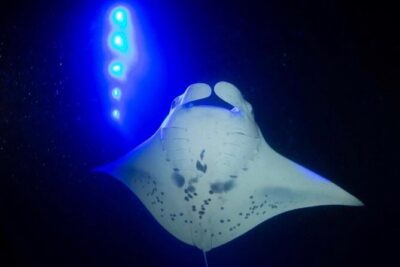
KONA Manta Ray Night Snorkel – FREE re-ride if no Sightings
Read our review →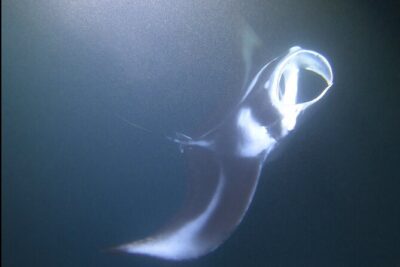
Glow of the Deep: Night Snorkeling with Manta Rays
Read our review →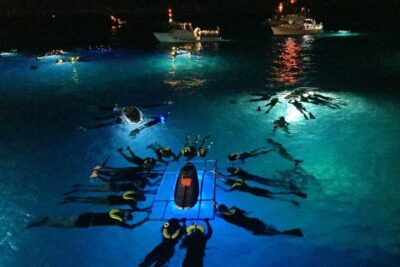
Kailua Kona: Night Manta Ray Adventure on the Big Island
Read our review →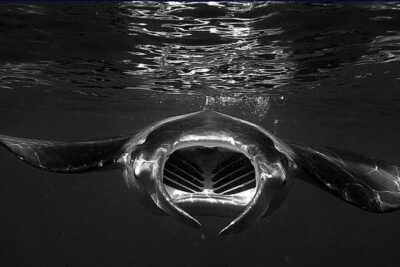
Manta Magic: Small-Group Manta Ray Night Snorkel in Kailua Kona
Read our review →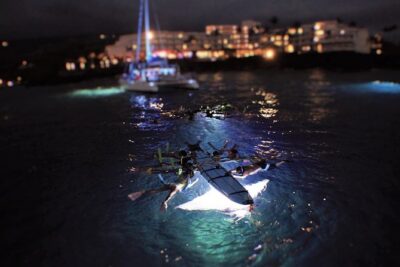
Browse the lists this tour appears in