
Reviewed · TICKETS
NYC: The Frick Collection Entry Ticket
Small museums can deliver big art. The Frick Collection brings Renaissance through late nineteenth-century masterpieces into an elegant Fifth Avenue mansion, where the rooms feel personal rather than overwhelming. I like the restored historic interiors and the chance to see major works by Bellini, Rembrandt, Vermeer, Fragonard, and other masters without crossing a giant museum complex. The main drawback is the strict no-photography rule, along with occasional crowds despite timed admission.
I also like the museum’s new second floor, which gives more paintings, sculpture, and decorative art room to breathe. The $30 ticket is a fair price if you enjoy European art and grand old houses, though it is less tempting if your main interest is modern art or a quick photo stop in New York.
In This Review
- Key points to know before you go
- Why the Frick feels different from New York’s giant museums
- Entering the restored Fifth Avenue home
- First-floor masterpieces by Bellini, Rembrandt, and Vermeer
- The newly opened second floor
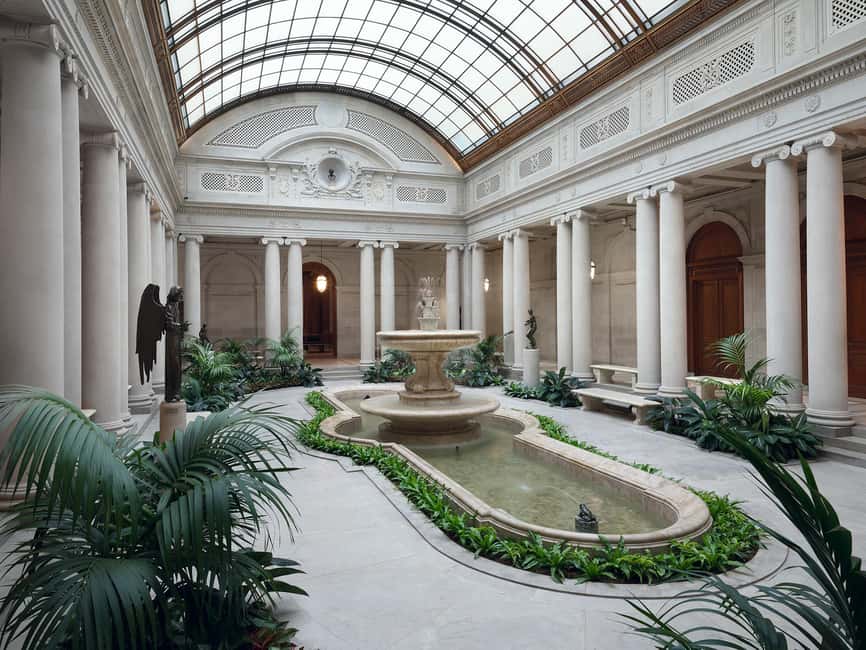
- The house, garden, and details between the paintings
- How long to spend at The Frick
- The cafe and practical comforts
- Rules that can shape your visit
- Is the $30 ticket good value?
- Who should book this experience?
- FAQ
- How much does admission to The Frick Collection cost?
- How long is the ticket valid?
- How do I enter the museum?
- Can I cancel my ticket?
- Can I reserve now and pay later?
- Are children allowed inside?
- Can I take photographs inside?
- Is The Frick Collection wheelchair accessible?
- Can I bring a water bottle or large bag?
- Should you book The Frick Collection?
Key points to know before you go
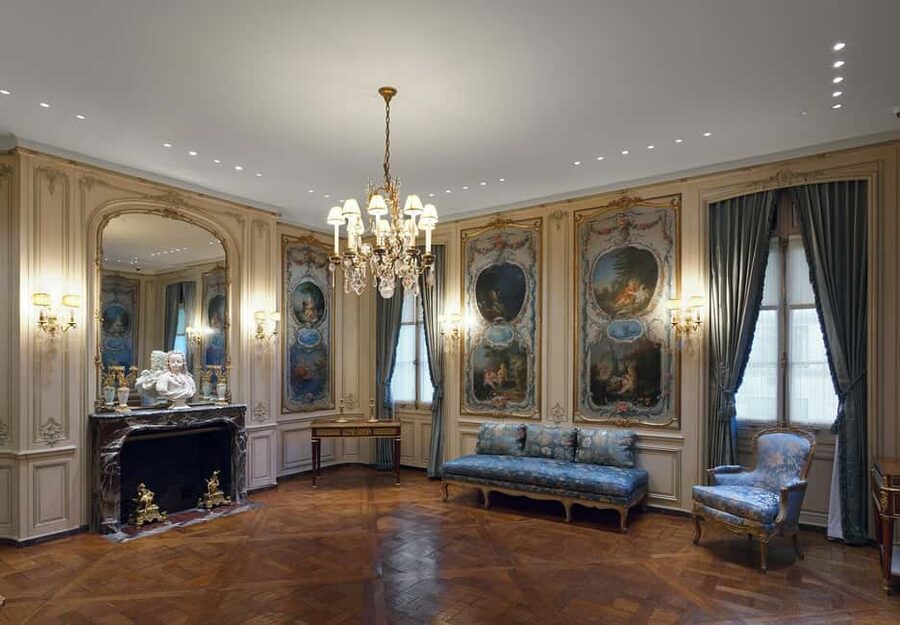
- A mansion full of major art: The Frick combines a historic Fifth Avenue home with celebrated European paintings, sculpture, furniture, rugs, and decorative objects.
- The 2025 reopening changed the visit: Restored first-floor rooms now display the best-known works, while the newly opened second floor adds smaller-scale works and more objects.
- Plan around timed entry: Advance booking helps, but Saturday and midday visits can still feel crowded in narrow transition areas.
- Bring very little: Large bags, luggage, liquids, bottles, garment bags, and camera extension poles are not allowed in the galleries.
- Children under 10 cannot enter: This is an adults-focused art experience rather than a family museum outing.
- Allow time for the cafe and garden: The cafe can be popular and expensive, while the small garden offers a peaceful pause after the galleries.
Why the Frick feels different from New York’s giant museums
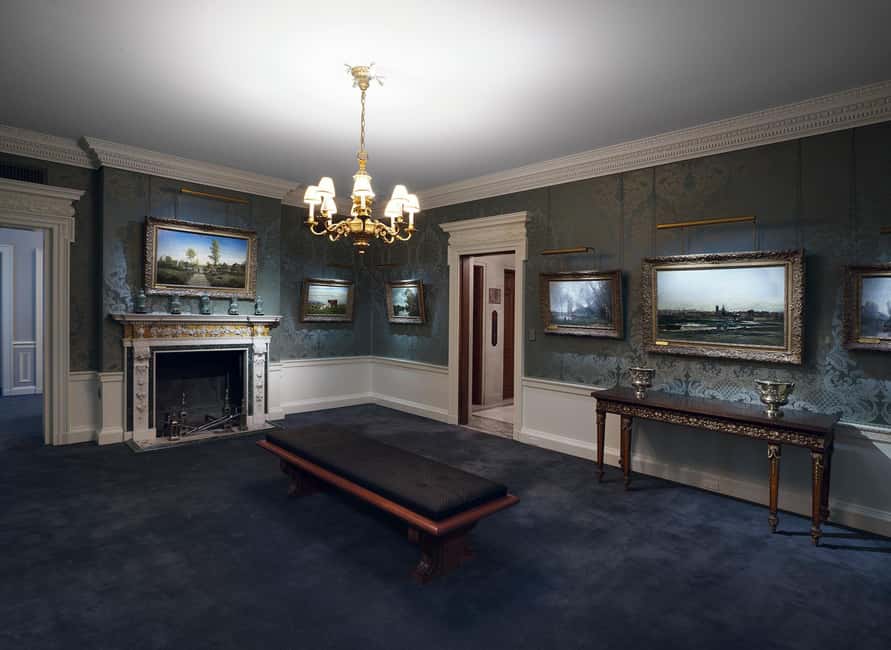
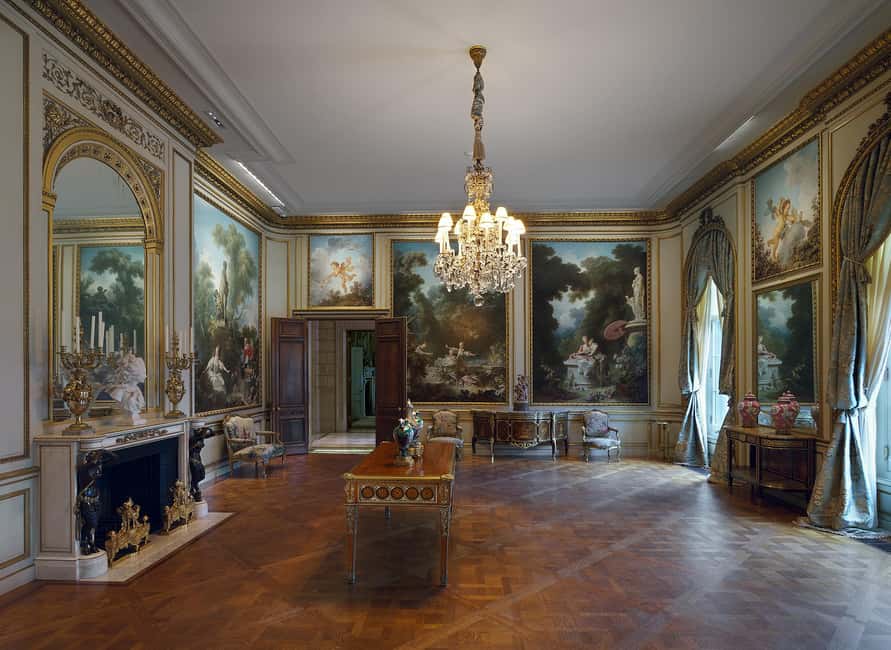
The Frick Collection is not a football-field-sized museum. That is part of its appeal. You move through rooms designed as living spaces, not enormous halls built only to hold art. The scale lets you look closely at a painting, then turn your attention to the furniture, wall coverings, rugs, fountains, and architectural details around it.
The collection focuses on European fine and decorative arts from the Renaissance to the late nineteenth century. You will find paintings by Bellini, Fragonard, Rembrandt, Vermeer, Titian, El Greco, van Dyck, Constable, Turner, Renoir, Monet, and Degas, among others. The exact display can change, but the strength of the collection is clear: this is a compact museum with an unusually high number of important works.
I find the setting especially valuable for anyone who gets tired in large public museums. You can cover the rooms in about an hour if you move briskly, but the experience rewards a slower pace. The small scale also makes it easier to return to a room or spend several minutes with one painting instead of racing through an entire wing.
A few more US trips worth a look
- NYC: SUMMIT One Vanderbilt Tickets
★ 4.7 · 51,195 reviews - NYC: 9/11 Memorial & Museum Timed-Entry Ticket
★ 4.8 · 31,428 reviews - NYC: Empire State Building Tickets – Observatory & Museum
★ 4.7 · 25,757 reviews
Entering the restored Fifth Avenue home
Your mobile ticket is used for entry, and advance booking is sensible. A timed ticket helps manage the flow, but it does not guarantee an empty building. On busy Saturdays, the entrance area can become crowded, and the line outside may move less smoothly than expected.
Once inside, staff at the check-in area and guards in the rooms can help with basic questions and directions. The interior staff are generally friendly and attentive. One guide named Kevin has been especially praised for explaining the collection in depth and answering questions beyond the standard script, so ask about scheduled talks or guided opportunities if they are available during your visit.
The renovation is not a minor touch-up. The restored rooms, colors, fabrics, rugs, and surfaces are a major part of what you are paying to see. For some people, the mansion may be just as memorable as the paintings. Others may miss the more intimate feeling of the former residence, since opening additional areas makes the museum feel more like a public institution.
That tension is worth knowing before you arrive. The renovation gives you more art and more space, but it changes the character of the house. You still get a close, domestic setting, just with more people moving through it.
First-floor masterpieces by Bellini, Rembrandt, and Vermeer
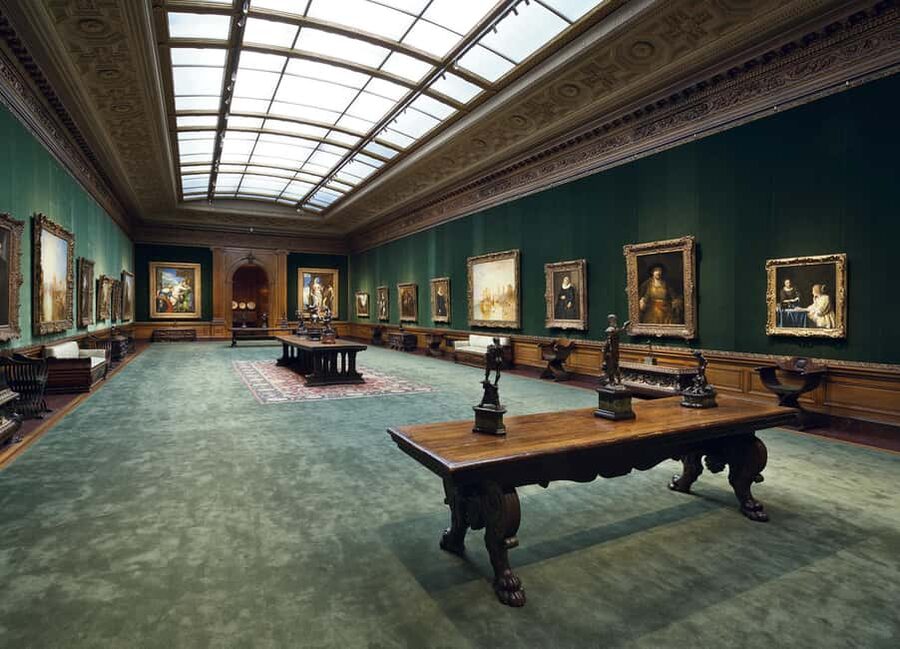
The first floor is the heart of the visit. Here, the museum has reinstalled its celebrated masterworks in restored galleries. The rooms provide a calm frame for paintings from the Renaissance through the seventeenth century, with architecture and decoration helping you understand how the collection was meant to be experienced.
Bellini rewards close looking. His work is known for careful color and devotional atmosphere, and the smaller room setting gives you time to notice details without the visual noise found in a huge gallery. Rembrandt brings a different kind of power, with expressive faces, shadow, and paint handling that become more apparent when you can stand fairly close.
Vermeer is a major draw. The museum’s presentation of his work is one of the most anticipated parts of the collection, and the intimate room makes it easier to focus on the controlled light and quiet domestic scenes. If Vermeer is your priority, arrive near the beginning of your time slot or visit at a quieter hour, since the room can become a natural stopping point for many people.
You will also encounter artists such as Titian, El Greco, van Dyck, and Fragonard. The result is not a complete survey of European art. It is a concentrated selection shaped by one collector’s taste. That concentration is a strength, but it also means you should not expect every period or school to receive equal attention.
The newly opened second floor
The second floor adds smaller paintings, sculpture, and decorative objects to the public display. This is where the renovation expands the visit beyond the famous first-floor rooms.
The objects matter because they show how the collection works as a whole. The Frick was not simply gathering paintings for a white-walled picture gallery. Furniture, rugs, sculpture, and other decorative pieces help create the atmosphere of a grand home. You can compare the relationship between an artwork and the room around it, rather than treating each painting as an isolated object.
The upper rooms may feel tighter at busy times, particularly around transition areas. If you see a bottleneck, slow down and wait for space instead of trying to push through. The collection is compact enough that you can return to a room later.
The expanded display may also alter your priorities. If you mainly want Impressionist paintings, the current presentation may disappoint. The Impressionist room has been described as smaller than before, with only a few works on view, while the Renaissance holdings receive more attention. Some familiar works may not be displayed during your visit.
That is not a flaw in the art itself, but it is an important expectation to set. Check the current display information if you are coming for one particular painting.
A completely different kind of day out in New York City:
- NYC: Empire State Building Observation Deck Tickets
★ 4.7 · 22,072 reviews - NYC: Edge Observation Deck Admission Ticket
★ 4.6 · 20,918 reviews - New York City: Statue of Liberty & Ellis Island with Ferry
★ 4.6 · 18,683 reviews - New York City: American Museum of Natural History Ticket
★ 4.5 · 15,447 reviews
The house, garden, and details between the paintings
The building deserves your attention. Look at the restored surfaces, fabrics, rugs, fountains, and room proportions. The Frick works best when you stop thinking of the house as a container and start seeing it as part of the collection.
A small garden provides a welcome place to sit and gather your thoughts. It is especially useful after the galleries, where the quiet change of pace helps you reset before heading back into Manhattan. The garden has also been associated with Russell Page, whose restored garden design adds another layer to the visit.
Do not rush from painting to painting. In a museum this size, the pleasure often comes from small discoveries: a piece of furniture that echoes a painting’s period, a sculpture positioned to change the way a room feels, or a view through an interior that makes the house seem lived in again.
The museum also has a gift shop with books and objects connected to the collection. If you want more background on Henry Clay Frick and the way he acquired his art, the shop may be useful. The galleries do not always provide as much collector-focused explanation as some visitors want, and the free audio material is helpful but may not answer every question.
How long to spend at The Frick
The ticket is valid for one day, and most people can see the collection in about an hour if they do not linger. I would allow two hours for a more satisfying visit, especially if you want to read labels, use the audio material, sit in the garden, or stop at the cafe.
The museum’s size makes it easy to fit into a Fifth Avenue day. You can visit the collection without sacrificing an entire afternoon, yet the quality of the art gives you plenty to think about afterward. This is a good choice before or after another Upper East Side activity.
A short visit works if you want a concentrated dose of European painting. A longer visit works better if you care about interiors and decorative arts as much as canvases. The building is not designed for a hurried checklist.
The cafe and practical comforts

The cafe offers food and a pleasant place to extend your visit, but plan ahead. At busy times, table waits can be long, with a reported wait of up to two hours, and prices reflect New York’s Fifth Avenue setting.
If lunch matters to you, put your name down early, then visit the galleries while you wait. The cafe has received praise for its food and service, but it is not the place to count on for a quick bite between tightly scheduled attractions.
Bathrooms are available, and the facilities are well maintained. The museum is wheelchair accessible, which makes the restored building easier to enjoy for many visitors, though historic interiors can still mean narrow circulation points when crowds gather.
Rules that can shape your visit
The Frick takes its collection protection seriously. Photography is not allowed inside the museum. The stated exception is the lobby, so do not plan on photographing paintings, rooms, or decorative details in the galleries.
Liquids and bottles are not allowed in the galleries unless medically necessary. Large bags and luggage are prohibited, while oversized items must go to the coat check. That includes garment bags and camera extension poles.
A small backpack-style purse or hoodie may attract attention from room staff, so carrying less is the easiest approach. The rules can feel stricter than those at other major museums, especially if you are used to photographing art without flash. Still, they are simple to follow: bring your phone for the ticket and audio, but keep it away for photography.
Children 10 and under are not permitted. Families with older children can consider the visit if those children already enjoy European art and historic houses. For younger children, choose another New York activity.
Is the $30 ticket good value?
At $30, The Frick is not a bargain attraction, but the price compares well with the quality of the collection and the restored setting. You are paying for more than a room of paintings. You get access to a historic mansion, a compact group of major European works, a newly opened second floor, and a garden.
The value is strongest if you enjoy Rembrandt, Vermeer, Bellini, Renaissance painting, old interiors, and decorative arts. It is also strong if you prefer a focused museum to a huge institution where you see only a fraction of the collection.
The value is weaker if you want a broad survey, a large Impressionist display, or the freedom to photograph what you see. The cafe costs extra, and a long wait there can affect the day’s budget and schedule.
Advance purchase is worth doing. It reduces uncertainty at the door and helps you choose a practical time. You can cancel up to 24 hours ahead for a full refund, and a reserve-now, pay-later option is available when offered for your selected time.
Who should book this experience?
I would choose The Frick for art lovers who want important European painting in a refined, human-sized setting. It is also a good pick for architecture fans, collectors, and anyone who enjoys seeing how art functions inside a home.
I would be more cautious if you are bringing young children, need a photo-heavy museum visit, or mainly want Impressionist art. The rules and current display balance may not match your priorities.
Try to book early in the day or choose a quieter weekday slot if possible. Saturday midday can be crowded, even with timed admission. Staff inside are helpful, but the entrance process may be less comfortable in hot weather or direct sun, so arrive prepared and avoid carrying unnecessary items.
FAQ
How much does admission to The Frick Collection cost?
The entry ticket costs $30 per person.
How long is the ticket valid?
The ticket is valid for one day. You should check availability for the starting times offered on your chosen date.
How do I enter the museum?
Present your mobile ticket for admission. The ticket includes entry to The Frick Collection.
Can I cancel my ticket?
Yes. You can cancel up to 24 hours in advance for a full refund.
Can I reserve now and pay later?
Yes. A reserve-now, pay-later option is available, allowing you to keep your plans flexible.
Are children allowed inside?
Children 10 and under are not permitted in the museum.
Can I take photographs inside?
No. Photography is not allowed inside the museum. Photography is permitted only in the lobby.
Is The Frick Collection wheelchair accessible?
Yes. The museum is wheelchair accessible.
Can I bring a water bottle or large bag?
No. Liquids and bottles are not allowed in the galleries unless medically necessary. Luggage and large bags are not allowed, and oversized items must be left at the coat check.
Should you book The Frick Collection?
Book it if you want a concentrated, high-quality art experience in one of New York’s most distinctive museum settings. The restored mansion, first-floor masterpieces, expanded second floor, garden, and helpful room staff make the $30 ticket worthwhile for the right audience.
Choose a quieter entry time, carry only the essentials, and allow around two hours if you want to enjoy the house rather than simply tick off the paintings. If Vermeer, Rembrandt, Renaissance art, and historic interiors appeal to you, The Frick is an excellent use of a New York afternoon.
Recently added around New York City
- From Manhattan: 5-Hour Bronx, Queens, and Brooklyn Bus Tour★ 4.7 · 451 reviews
- Private Guided New York City Tour by SUV★ 5.0 · 451 reviews
- Statue of Liberty Tour with Ellis Island and Immigration Museum★ 4.0 · 452 reviews
- Circle Line: NYC BEAST Speedboat Ride★ 4.5 · 458 reviews
- NYC: Official Grand Central Terminal Tour★ 5.0 · 458 reviews
- New York City: Sunset Yacht Cruise★ 4.9 · 461 reviews
- Brooklyn: Bushwick Street Art Walking Tour★ 4.7 · 462 reviews
- Ground Zero Museum Workshop Tour★ 4.5 · 463 reviews
Tickets, compared.



Empire State Building Tickets – Observatory & Museum
Read our review →
Empire State Building Observation Deck Tickets
Read our review →


Browse the lists this tour appears in