
Reviewed · WALKING TOURS
Portland, Maine: Hidden Histories Guided Walking Tour
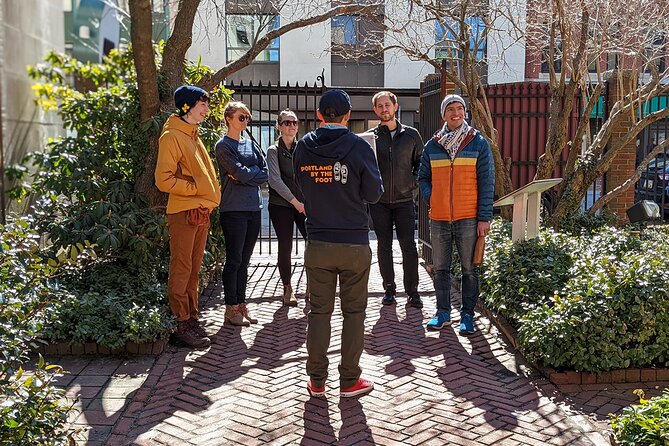
Portland’s best stories are often the least obvious. This two-hour walk with local guide Dugan offers a fresh look at the city through overlooked people, unusual events, architecture, Indigenous resilience, and the forces that shaped the waterfront. I like the small-group format, limited to 15 people, and I like the tour’s clear purpose: giving proper attention to people who were left out of Portland’s usual monuments and plaques. The main drawback is the walking itself. Portland has hills, cobblestones, and several staircases, so this is not a flat, effortless stroll.
Dugan’s style is a big part of the appeal. You can expect humor, plenty of questions, and a presentation that moves beyond dates and famous names. The route starts downtown and ends beside Casco Bay, which makes the finish especially handy if you are heading to the ferry terminal or cruise ship area.
In This Review
- Key details before you book
- Why this Portland walk feels different
- Starting downtown at Post Office Park
- The Old Port, beyond cobblestones and shops
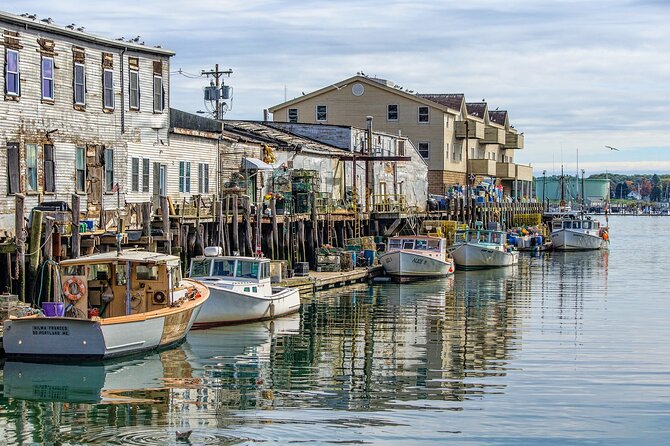
- Commercial Street and the working waterfront
- Dugan’s guiding style and group size
- What the $54 price buys you
- Timing, cruise stops, and practical planning
- Who will enjoy this walk most
- Should you book Portland’s Hidden Histories walk?
- FAQ
- How long is the Hidden Histories Guided Walking Tour?
- Where does the tour begin?
- Where does the tour end?
- How large is the group?
- Is the walk physically demanding?
- Is the tour suitable for service animals or pets?
- What is the cancellation policy?
Key details before you book
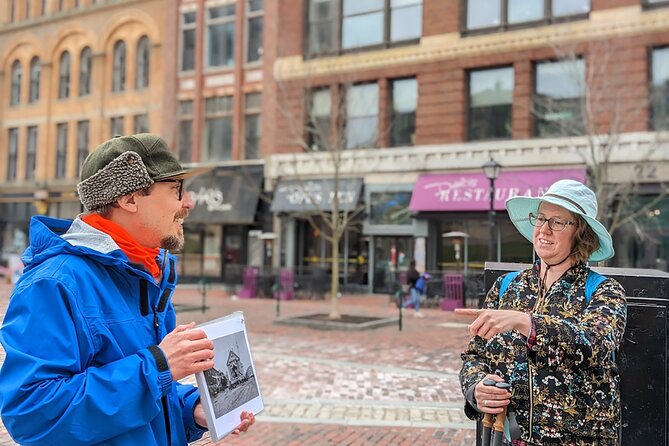
- Dugan leads the walk: He is a Portland local who combines detailed research with humor, clear speaking, and practical suggestions for exploring the city.
- The route covers three districts: You walk through downtown, the Old Port, and Commercial Street, with frequent stops along the way.
- The stories go beyond the usual landmarks: Expect overlooked women, Black history, Indigenous nations, maritime workers, immigrants, industrial forces, and complicated local figures.
- The group is capped at 15 people: That keeps the experience more personal and makes it easier to ask questions.
- The walk ends by the water: Bell Buoy Park is beside the Casco Bay Lines terminal and about a six-minute walk from the starting point.
- You receive a bonus benefit: The tour includes a donation to the Abyssinian Meeting House and 10 percent off Portland Paddle water tours.
Why this Portland walk feels different
Many city walks follow a familiar pattern. You see the grand building, hear the official story, take a photo, and move on. This tour takes a more questioning approach. It still visits major parts of Portland, but Dugan uses them as starting points for stories that are easy to miss.
That might mean hearing about a woman who lived openly as her true self a century ago, despite the social limits of the time. It might mean learning about people connected to a major monument who received little or no recognition there. It might mean looking at a beautiful Victorian building and considering the person who once lived inside it, rather than focusing only on the facade.
I like that approach because it gives you a better sense of how a city really works. Portland was shaped by famous figures, but also by sailors, stevedores, shopkeepers, workers, women, Indigenous communities, Black residents, immigrants, and people whose names never made it onto a statue.
The tone is not gloomy or academic. Dugan uses jokes and lively storytelling to keep the pace moving. Several people describe him as warm, funny, easy to hear, and quick with answers. That matters on a walking tour. A guide can have a great deal of information, but if the delivery is stiff, two hours can feel long. Here, the information is meant to be remembered.
More walking tours:
- Portland’s Original Delicious Donut Adventure & Walking Food Tour
★ 5.0 · 533 reviews - A Walk Through Time Tour in Portland
★ 5.0 · 496 reviews - History and Hauntings of Salem Guided Walking Tour
★ 5.0 · 14,564 reviews
Starting downtown at Post Office Park
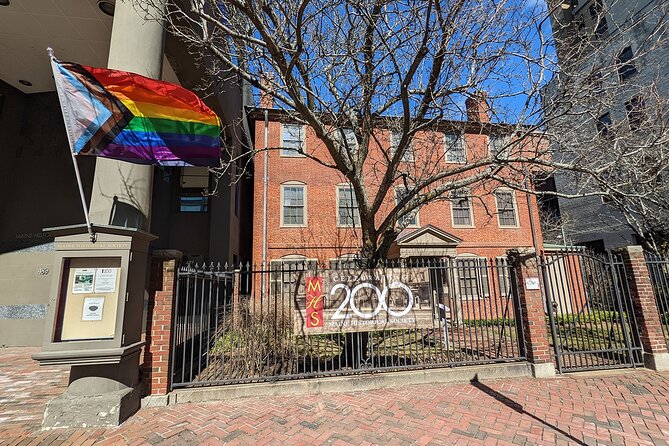
The tour begins at Post Office Park, at 167 Middle Street. This is a useful meeting point because you are already in the downtown area, close to public transportation and within easy reach of Portland’s central sights.
The first section lasts about 45 minutes. You walk through downtown, stopping at well-known landmarks and less obvious places while Dugan adds the stories that official signage leaves out. He also points out architectural details, so you are not simply moving from one history lesson to the next.
One especially memorable theme is the story of a woman who lived as her true self roughly a century ago and still managed to improve the lives of Mainers around her. The tour uses stories like this to show how social change can happen through ordinary streets and individual choices, not only through laws and famous speeches.
You also hear about the oldest building in downtown Portland and the surprising story of a world-famous person connected to it. The point is not just the age of the building. Dugan uses it to show how Portland’s local story can connect to people and events known far beyond Maine.
Architecture receives more attention here than you might expect. You will look at buildings and hear about details that are not explained by plaques or statues. If you enjoy old city centers, this is useful because it teaches you how to look. A facade becomes more than a pretty backdrop. Its design, former occupants, and setting begin to suggest how Portland’s neighborhoods changed over time.
The downtown section also addresses Indigenous nations and their survival through colonialism. You hear about their continuing diplomatic work in the modern era, rather than treating Indigenous history as something that ended centuries ago. That present-day connection gives the subject more weight and avoids the usual quick mention of precolonial life followed by silence.
The Old Port, beyond cobblestones and shops
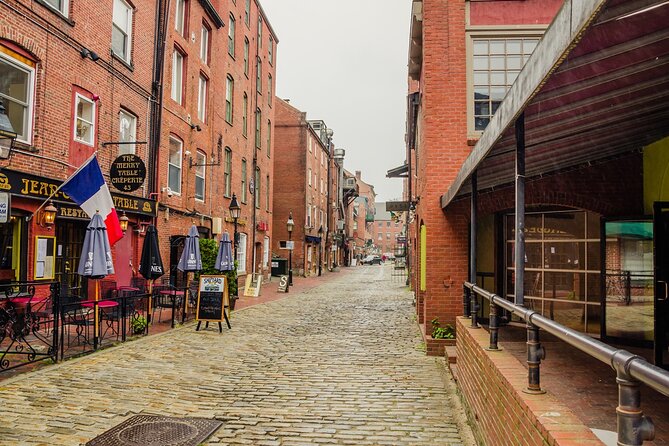
The second section takes about 45 minutes and leads into the Old Port. You will see attractive Victorian buildings, but the tour does not stop with architecture and shopping streets.
Dugan introduces people from different backgrounds and identities whose grit and ingenuity helped shape Portland. Some of these figures lived in the buildings you pass. Others are connected to the city’s work, politics, commerce, or social life. Their stories give the Old Port more depth than its current restaurants and boutiques suggest.
One stop examines the complicated past of one of Portland’s best-known sons. This is a useful reminder that local pride can come with difficult questions. A city may honor someone for one achievement while overlooking harm, conflict, or less flattering parts of the same person’s life. The tour does not flatten those contradictions into a simple hero story.
The Victorian buildings provide another chance to meet forgotten history-makers. You may find yourself paying closer attention to upper-floor windows, old entrances, and the relationship between commercial space and private homes. Dugan’s focus is not just on who designed a building, but on who lived, worked, and made decisions inside it.
Maritime history receives a practical treatment here. In the 19th century, stevedores, captains, shipowners, and common sailors did not all share the same interests. Their work depended on one another, but their power and pay were very different. Learning about those tensions helps explain the port as a working place, not merely a picturesque one.
This part of the walk can be especially useful if you are staying in the Old Port. You will gain context for the streets you are likely to explore later on your own. It also gives you a better way to read Portland’s success. Shipping and trade did not happen by magic. They depended on labor, money, risk, and changing rules.
Commercial Street and the working waterfront
The final section lasts about 30 minutes and follows Commercial Street toward the waterfront. This is where the city’s maritime and industrial past becomes easiest to picture.
The route shows you the working waterfront while explaining the economic forces behind it. You hear about the global effects of Portland’s industrial and maritime activity, not just the local stories. That broader view matters because a port city is connected to distant markets, federal decisions, labor systems, and international trade.
The tour also brings attention to women who were left out of standard accounts of the waterfront. Their work and influence may not be visible in the most obvious landmarks, but they were part of the systems that kept families, businesses, and communities going.
Federal policy is another major theme. Changing rules affected life in Portland over many centuries, and the tour explains how national decisions could alter the fortunes of a local port. This makes Commercial Street feel less like a row of scenic buildings and more like a place shaped by decisions made both nearby and far away.
I like the progression of the route. Downtown introduces overlooked people and civic stories. The Old Port adds buildings, commerce, and working relationships. Commercial Street connects those local stories to the port’s wider economic role. The result is a walk that keeps widening its view without losing contact with the streets beneath your feet.
The ending at Bell Buoy Park, at 54 Commercial Street, is practical and pleasant. You are beside the Casco Bay Lines ferry terminal, next to the cruise ship terminal, with ocean views nearby. You can continue to the waterfront, catch a boat, or return to the start in about six minutes on foot.
A few more US trips worth a look
- Multnomah Falls and Columbia River Gorge Half-Day Hiking Tour
★ 5.0 · 2,108 reviews - The Real Portland Tour: City and 3 Lighthouses Historical Tour with a Real Local
★ 5.0 · 1,448 reviews - Columbia River Gorge Waterfalls Tour from Portland, OR
★ 5.0 · 1,278 reviews - Discover Portland City and Lighthouse Tour
★ 5.0 · 1,019 reviews
Dugan’s guiding style and group size
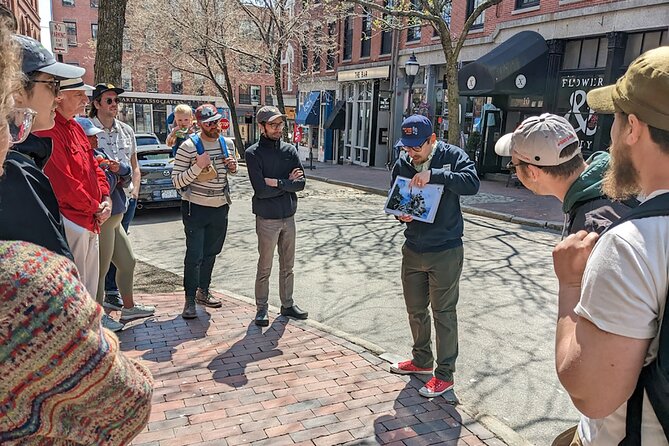
The guide can make or break a walking tour, and Dugan receives especially strong praise for his presentation. He is described as funny, warm, animated, and able to speak at a moderate pace. That last point is important when a guide is sharing names and complicated stories in an outdoor setting.
He also encourages questions. If you ask something he does not know immediately, he has been known to find the answer while walking to the next stop. That suggests a flexible tour rather than a speech delivered without pause.
The small group limit of 15 people helps. You are not trying to hear a guide over a crowd of 40 people, and you have a better chance to ask about a building, person, or topic that catches your interest. The tradeoff is that the tour may feel more focused on conversation and history than on fast sightseeing.
The route includes frequent stops, allowing time for shade or a short rest. Still, you should wear supportive shoes. Portland has uneven cobblestones, uphill stretches, one staircase of six steps, and two staircases totaling 24 steps. Most people can take part, but anyone with balance or mobility concerns should consider these details before booking.
Service animals are allowed. Pets are not permitted unless medically required. The experience is offered in English, and you receive a mobile ticket after booking.
What the $54 price buys you
At $54 per person, this is not the cheapest way to look around Portland. The value depends on how much you want from a city walk.
If you only want to identify the Old Port’s main streets, you can do that on your own for free. You can also visit many downtown landmarks without paying admission. The fee here pays for two hours of research, explanation, route planning, and access to a local guide who can connect separate parts of the city.
The price also includes a donation toward restoring the Abyssinian Meeting House, identified as America’s third-oldest standing Black church. That gives the tour a direct connection to preservation and Black history in Portland. You also receive 10 percent off Portland Paddle water tours, which may add value if you plan to see the city from the water.
I would consider the tour a fair buy for a first visit, especially if you enjoy history and want more than a list of famous buildings. It is less compelling for someone who prefers to wander alone, stop often for shopping, or avoid structured storytelling.
The tour is often booked well ahead, with an average booking time of 39 days. That suggests you should reserve early if your Portland dates are fixed, particularly during a cruise stop or busy travel period. The group cap is 15, so last-minute space may not be easy to find.
Timing, cruise stops, and practical planning
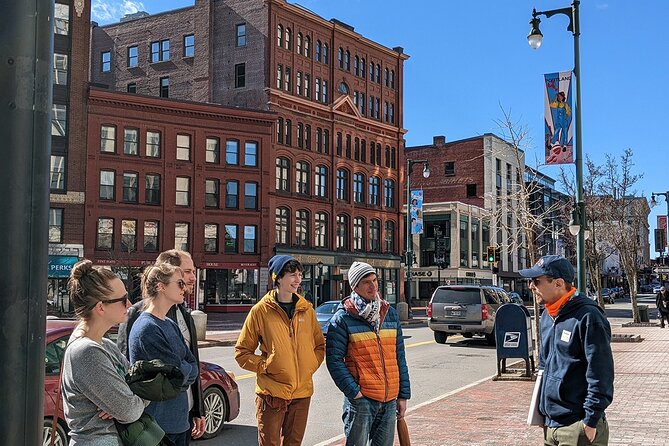
The route is useful for a short stay because it covers three central districts in two hours and ends at the waterfront. If you arrive by cruise ship, check your shore schedule carefully. The start and finish are not at the same location, and immigration checks or another shore activity can make a tight schedule risky.
The return walk from Bell Buoy Park to Post Office Park is only 0.3 miles, or about six minutes. That makes the route manageable if you parked near the start or need to collect something there. If you are finishing near the ferry or cruise terminal, you can simply remain by the water.
Book with a buffer before another activity. The tour has a stated duration of about two hours, and you should not assume you can join late or leave early without a problem. The cancellation policy allows a full refund when you cancel at least 24 hours before the start time. Cancellations or changes made inside that window are not accepted for a refund.
The weather is also worth considering. Much of the experience takes place outdoors, with no admission fees at the stops. Bring clothing suited to the day and plan for uneven surfaces. The frequent stops help, but this remains a walking tour rather than a seated city introduction.
Who will enjoy this walk most
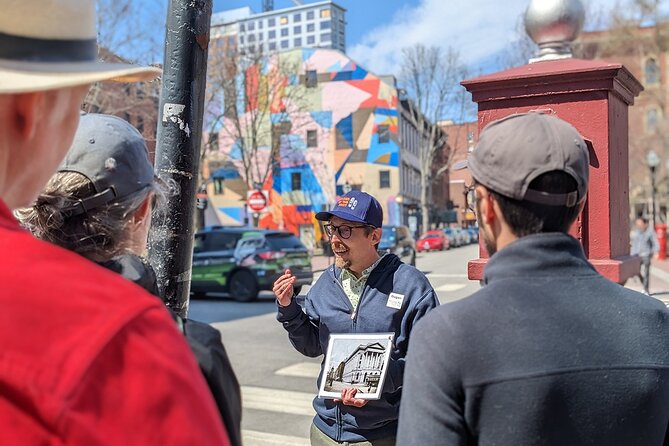
I would recommend this tour to you if you like:
- Local history presented through people rather than only dates
- Stories about women, Black residents, Indigenous nations, workers, and other overlooked groups
- Architecture with social and personal context
- A guide who welcomes questions and uses humor
- Small groups instead of large, scripted excursions
- A route that ends near the water
- Practical orientation for exploring Portland afterward
Families can do well here, especially if older children enjoy unusual stories and active listening. Couples and solo visitors may appreciate the conversational scale. It is also a good fit for anyone who has taken many standard city walks and wants a different angle.
You may want to skip it if you dislike hills, cobblestones, or stairs. It may also be a poor match if your Portland visit is tightly scheduled around a cruise departure or another booked activity. In that case, the content could be excellent, but the timing risk is not worth it.
Should you book Portland’s Hidden Histories walk?
Book it if you want Portland explained, not just displayed. The strongest reasons are Dugan’s local knowledge, his lively delivery, the 15-person limit, and the attention given to people missing from the usual public story.
The route covers a lot in two hours, but it cannot tell every Portland story. Think of it as a thoughtful introduction that changes how you see downtown, the Old Port, and Commercial Street. You will likely leave with several names, questions, and places to explore on your own.
At $54, it is a worthwhile choice for history-minded visitors who value a strong guide and a small group. Wear good shoes, allow extra time around a cruise schedule, and book at least a day ahead if your plans change. For an authentic and entertaining first look at Portland, this is one of the better ways to begin.
FAQ
How long is the Hidden Histories Guided Walking Tour?
The tour lasts approximately two hours. The downtown portion takes about 45 minutes, the Old Port section about 45 minutes, and Commercial Street about 30 minutes.
Where does the tour begin?
The tour begins at Post Office Park, 167 Middle Street, Portland, Maine 04101.
Where does the tour end?
It ends at Bell Buoy Park, 54 Commercial Street, beside the Casco Bay Lines ferry terminal. The park is also next to the cruise ship terminal.
How large is the group?
The tour has a maximum of 15 participants.
Is the walk physically demanding?
Portland is hilly, and the route includes uphill sections, cobblestones, one six-step staircase, and two staircases totaling 24 steps. Most people can participate, but supportive shoes are recommended.
Is the tour suitable for service animals or pets?
Service animals are allowed. Pets are not allowed unless they are medically required.
What is the cancellation policy?
You can receive a full refund if you cancel at least 24 hours before the experience start time. Cancellations or changes made less than 24 hours before the start time are not accepted for a refund.
Recently added around Portland Oregon
- Oregon Coast Day Trip: Cannon Beach and Haystack Rock★ 4.5 · 458 reviews
- Afternoon Half-Day Multnomah Falls and Columbia River Gorge Waterfalls Tour from Portland★ 5.0 · 473 reviews
- 2.5-hour Dinner Cruise on Willamette River★ 4.5 · 480 reviews
- A Walk Through Time Tour in Portland★ 5.0 · 496 reviews
- Willamette Valley Wine Tour with Lunch★ 5.0 · 503 reviews
- Portland’s Original Delicious Donut Adventure & Walking Food Tour★ 5.0 · 533 reviews
- Columbia River Gorge Waterfalls & Mt Hood Tour from Portland, OR★ 5.0 · 585 reviews
- Mt Hood Day Trip from Portland to Multnomah Falls and Hood River★ 5.0 · 695 reviews
Walking Tours, compared.

History and Hauntings of Salem Guided Walking Tour
Read our review →
New Orleans Premier Ghost, Voodoo and Vampire Walking Tour
Read our review →

Freedom Trail History Small Group Walking Tour
Read our review →
Historic Charleston Guided Sightseeing Walking Tour
Read our review →
New Orleans Food Walking Tour of the French Quarter with Small-Group Option
Read our review →
St. Louis Cemetery No. 1 Official Walking Tour
Read our review →Browse the lists this tour appears in