

Reviewed · MUSEUMS
Plimoth Patuxet Museums
Step into Plymouth’s past. Plimoth Patuxet Museums gives you far more than a quick look at Pilgrim life: you walk through a recreated 17th-century English settlement, visit the Historic Patuxet Homesite, and can add the Mayflower II and Plimoth Grist Mill. I especially like the hands-on living-history approach and the chance to hear Indigenous perspectives alongside the English story.
The full outing can fill four to seven hours, depending on your pace and ticket choice. The main drawback is that some visitors find the period actors uneven in energy, while the outdoor paths can be rough for anyone with mobility concerns. Still, the free golf cart service and strong staff at several stops make this a useful day trip from the Boston area.
In This Review
- Key points to know before you go
- What Plimoth Patuxet is trying to show you
- Start at the Visitor Center
- Walking through the 17th-Century English Village
- Why the Patuxet Homesite deserves your time
- Boarding the Mayflower II in Plymouth Harbor
- Watching the water power the Plimoth Grist Mill
- How much time should you allow?
- Price, packages, and overall value
- Getting there and handling the practical details
- Who will enjoy Plimoth Patuxet most?
- Should you book it?
- FAQ
- How long does a visit to Plimoth Patuxet take?
- What does the Plimoth Patuxet admission include?
- Is the Mayflower II included?
- How far is the Mayflower II from Plimoth Patuxet?
- Where is the Plimoth Grist Mill?
- Is the museum accessible for people with mobility concerns?
- Can I cancel for a refund?
Key points to know before you go
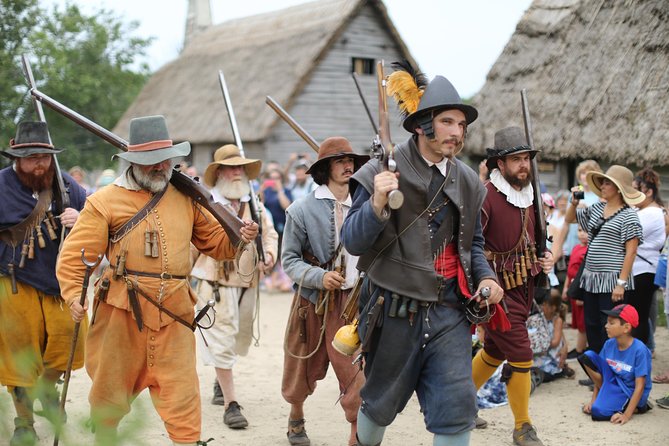
- Three separate Plymouth sites: Combine Plimoth Patuxet, the Mayflower II, and Plimoth Grist Mill, or choose only the places that interest you.
- The Patuxet Homesite matters: Contemporary interpreters explain Indigenous life and heritage in the Northeast, with roots reaching back more than 12,000 years.
- Ask questions in the English Village: The actors respond best when you take the lead and ask about work, food, homes, family life, and survival.
- Allow more time than the advertised estimate: The main museum can take about three hours, and all three locations may require six or seven hours.
- Plan transport between sites: The Mayflower II is about three miles north of Plimoth Patuxet, while the Grist Mill is at 6 Spring Lane near Brewster Gardens.
- Book with weather in mind: The museum remains open in all weather, so comfortable shoes and suitable clothing are essential.
What Plimoth Patuxet is trying to show you
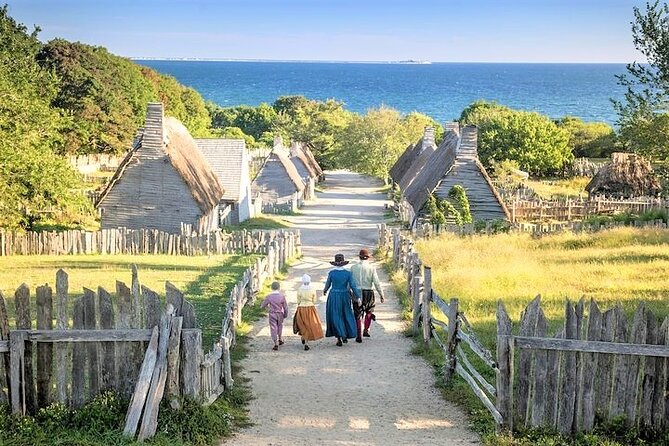
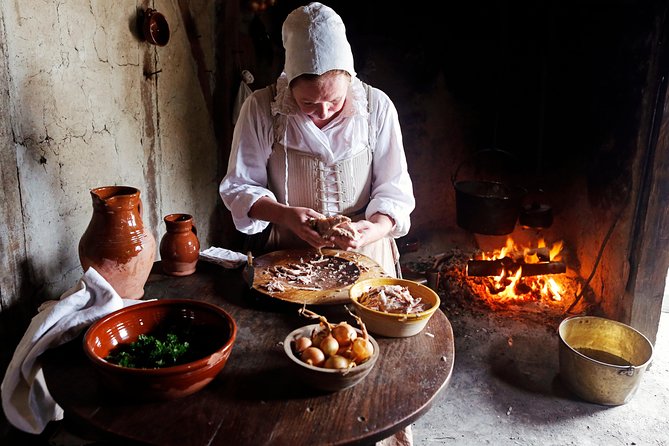
Plimoth Patuxet is a living-history museum rather than a traditional collection of rooms and glass cases. At the recreated 17th-Century English Village, you follow paths between timber-framed homes, gardens, work areas, and other parts of the settlement while interpreters portray people living in the early colonial period.
The idea is simple: instead of reading only about the settlement, you see how daily work shaped life. Homes, crops, food preparation, tools, and household routines help explain how much effort went into ordinary survival. The experience is especially useful for families because children can see the physical side of life before modern services and appliances.
The actors are not all equally engaging. Some stay firmly in character and offer detailed answers, while others may give short replies or seem tired. You will get more from the village if you arrive with questions. Ask who lives in a house, what is being grown, how food is stored, or how the first winter affected the settlement. A passive walk can feel thin on explanation, but an active conversation can bring the place to life.
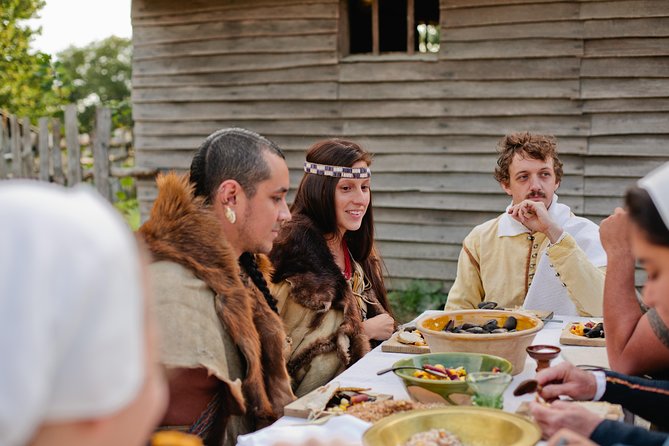
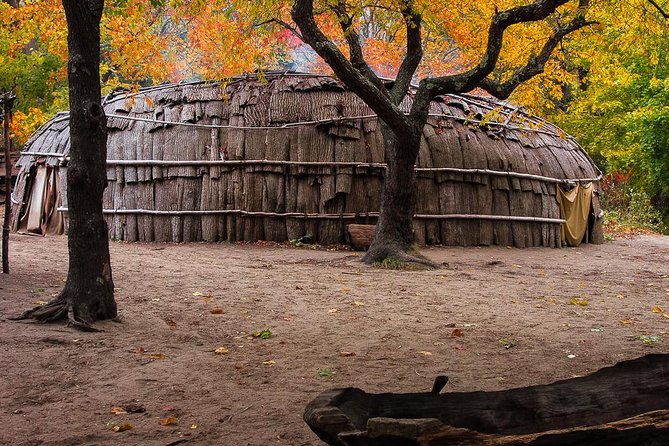
The museum also includes the Historic Patuxet Homesite. This part is essential because it places the English settlement within the much older Indigenous story of the region. Contemporary Indigenous interpreters discuss the heritage and lifeways of the people who have lived in the Northeast for thousands of years.
Some visitors arrive expecting only a Pilgrim museum and are surprised by how much attention the Patuxet side receives. That is not a flaw, but it is important to understand the purpose of the site. Plimoth Patuxet presents both Indigenous and English perspectives rather than treating the arrival of the Pilgrims as the beginning of local history.
The homesite is also one of the most praised parts of the visit. The interpreters are often especially strong at explaining everyday life, culture, and the relationship between people and the natural world. If you have limited time, do not rush past this section to reach the English Village.
More museums:
- NYC: 9/11 Memorial & Museum Timed-Entry Ticket
★ 4.8 · 31,428 reviews - NYC: Empire State Building Tickets – Observatory & Museum
★ 4.7 · 25,757 reviews - New York City: American Museum of Natural History Ticket
★ 4.5 · 15,447 reviews
Start at the Visitor Center
The Visitor Center is a practical first stop. An opening film helps explain the setting and gives you a clearer idea of what you are about to see. I recommend watching the full presentation before heading outside, especially if you are visiting with children or have not studied the Plymouth story recently.
You will find a cafe at the center, serving modern choices along with food inspired by the 17th century. The succotash soup receives particular praise, and a Thanksgiving-style meal may be available during some visits. The menu is not especially broad, so people looking for many healthy choices may want to plan ahead.
Four retail shops sell Plimoth-made crafts and New England products. At the Grist Mill, you can also buy freshly stone-ground cornmeal and samp, described in the material as grits. These are useful souvenirs because they connect directly to the foodways shown at the museum, rather than being generic gift-shop purchases.
Walking through the 17th-Century English Village
Set aside at least two and a half hours for Plimoth Patuxet itself. A slower visit can take closer to three hours, particularly if you stop often to talk with interpreters, watch demonstrations, inspect gardens, or eat at the cafe.
The village works best when you treat it as a conversation rather than a parade of buildings. The houses and gardens show the physical setting, but the people you meet explain the choices behind them. Ask about crops, building materials, household duties, food, and the difficult first winter. You may need to draw the answers out, but the payoff is a more personal understanding of the settlement.
One limitation is the amount of written information. Several areas depend heavily on live interpretation, and visitors looking for detailed panels about William Bradford, Myles Standish, the settlement’s political structure, or the causes of early deaths may want more background before arriving.
That is where the museum’s larger theme helps. The Mayflower Compact is presented as part of the long development of American political and social systems. The site connects the early settlement to later ideas about self-government, including the Revolutionary era and the United States’ 250th anniversary period.
The visit does not turn the Mayflower Compact into a simple founding myth. Instead, it encourages you to place the late 18th century in the context of the 17th century and earlier Indigenous history. That broader frame is one of the strongest reasons to visit.
Why the Patuxet Homesite deserves your time

The Patuxet Homesite is not merely an introduction before the Pilgrim village. It gives you a chance to consider how the region functioned before and alongside the English settlement.
Contemporary interpreters speak from Indigenous perspectives, and this makes the section feel different from a standard colonial reenactment. You may learn about homes, food, work, and local resources while also seeing how the land supported established communities long before 1620.
This section is a particularly good choice for families and students because it complicates the familiar schoolbook version of Plymouth. The English settlement did not appear in an empty place. Seeing both sites helps you understand contact, dependence, cultural difference, and the limits of a one-sided Pilgrim story.
The outdoor setting includes real crops, which add a useful sense of season and work. Paths are made for walking, though some are uneven dirt surfaces. Staff operate a free golf cart service for people with mobility concerns. Ask Guest Services about it when you arrive rather than waiting until the walking becomes difficult.
A completely different kind of day out in USA:
- NYC: SUMMIT One Vanderbilt Tickets
★ 4.7 · 51,195 reviews - NYC: Empire State Building Observation Deck Tickets
★ 4.7 · 22,072 reviews - NYC: Edge Observation Deck Admission Ticket
★ 4.6 · 20,918 reviews - Grand Canyon West, Hoover Dam Stop and Optional Lunch and Skywalk
★ 5.0 · 19,535 reviews
Boarding the Mayflower II in Plymouth Harbor
The Mayflower II is docked in Plymouth Harbor, about three miles north of Plimoth Patuxet. It is a floating museum and a replica of the ship associated with the 1620 crossing.
The ship gives you a sense of cramped conditions and the practical challenge of an Atlantic voyage. Guides are available to explain the crossing and the ship’s place in Mayflower history. The vessel is listed on the U.S. National Register of Historic Places, adding another layer to its significance as a museum object.
A visit to the ship generally takes about 30 minutes, but you may want extra time around the waterfront. Plymouth Rock is nearby, and guides there can explain details about its story and changing meaning. The rock itself is brief to see, but the surrounding interpretation helps explain why it became such a powerful national symbol.
The Mayflower II is often a highlight, though expectations matter. Because it is a carefully maintained museum ship, it can look newer and cleaner than someone might imagine from a 1620 crossing. That makes it easier to visit, but it may feel less rough or cramped than a fully realistic reconstruction.
The ship can be added to a Plimoth Patuxet ticket, and combination ticket holders may visit it on the same day or another day during the 2025 season. That flexibility helps if you want to break the experience into two shorter outings.
Watching the water power the Plimoth Grist Mill
The Plimoth Grist Mill sits at 6 Spring Lane in historic downtown Plymouth, near Brewster Gardens and Town Brook. It is a short walk from the waterfront, though construction may affect the walking route at times.
This working reproduction recreates the mill built by Pilgrim John Jenney on the original location. It is a compact stop, usually around 30 minutes, but it offers a useful mix of STEM and social history. You can see how water power moved the mill machinery and learn how Town Brook’s ecology supported the operation.
The timing of your visit affects what you see. On Saturday afternoons, the mill stones are operating. On other days, millers may be sifting, winnowing, and preparing the stones for the next run. Lower exhibits let you try milling for yourself, which gives children something active to do instead of simply watching a demonstration.
The retail shop sells stone-ground cornmeal and samp. If you enjoy baking or cooking, this is one of the more practical souvenirs in Plymouth. The mill is smaller than the main museum, but it adds a mechanical and environmental side to the story of settlement.
How much time should you allow?

The advertised visit takes roughly four to five hours, but that estimate is tight if you choose all three sites and stop for lunch. A village and Mayflower combination can take about five hours at a comfortable pace. Adding the Grist Mill may push the day to six or seven hours.
Here is a workable plan:
- Begin at Plimoth Patuxet and allow two and a half to three hours.
- Eat at the cafe or plan a meal elsewhere.
- Continue to the Mayflower II and Plymouth waterfront.
- Visit the Grist Mill either afterward or on another day.
- Add extra time for questions, shops, walking, and transport.
A same-day visit works best with an early start and a clear plan. If you like to stop and talk with every interpreter, you can easily run out of time. The option to visit the Mayflower II and Grist Mill on separate days during the 2025 season is valuable, particularly for families or anyone who prefers a slower schedule.
School groups can also affect the atmosphere. From September through November, weekday mornings may be busy with field trips. If quiet exploration matters to you, visiting after 2 p.m. during the week may help, based on the museum’s own advice about peak school dates.
Price, packages, and overall value
Admission starts at about $35 per person, with several package choices. The main Plimoth Patuxet ticket covers the Historic Patuxet Homesite, the 17th-Century English Village, the Craft Center, and the We Gather Together: Thanksgiving, the Making of an American Holiday exhibit.
The Mayflower II and Plimoth Grist Mill are add-ons. A combination or Heritage ticket can include both, giving you three connected but distinct experiences.
For the full package, the value is good if you will actually visit all three locations. You are not paying for one short guided walk. You are paying for several hours of outdoor interpretation, a museum ship, a working mill, exhibits, staff-led conversations, and access to sites with different focuses.
The value is weaker if you only want a quick Pilgrim photo stop. The English Village may feel under-explained if you do not engage with the interpreters, and the Mayflower II is a short visit. Before buying, decide if you want a full day of living history or only one attraction.
It is also worth checking the price at the museum before booking. One visitor found that buying on site would have saved $3 per person compared with an advance booking channel. Prebooking still has a practical benefit because it confirms entry and reduces hassle, but compare the final prices if saving a few dollars matters.
Getting there and handling the practical details
The ticket redemption point is at 137 Warren Avenue in Plymouth. Hotel pickup and drop-off are not included, so you need to arrange your own transport.
The Mayflower II requires special planning because it is three miles north of Plimoth Patuxet. A car is the simplest option. Plimoth Grist Mill is at Brewster Gardens in downtown Plymouth, close to the waterfront.
Public transport is possible. Amtrak service runs on the Kingston/Plymouth line from South Station, and Plymouth and Brockton buses also depart from South Station. You should arrange livery service before arrival, or check the See Plymouth RideCircuit app for the free local livery service and its schedule.
Wear comfortable shoes and dress for the forecast. The museum operates in all weather, and much of the main experience takes place outdoors on uneven ground. Service animals are allowed, and the free golf cart service can reduce the walking distance for people who need assistance.
The booking has free cancellation up to 24 hours before the start time. Cancellations or changes made inside that window are not accepted for a refund, and cut-off times use Plymouth local time.
Who will enjoy Plimoth Patuxet most?
I would recommend this experience to families, school-age children, history fans, and anyone who wants more context than a quick stop at Plymouth Rock can provide. The combination of actors, real crops, period buildings, a ship, and a working mill gives children several ways to stay interested.
It also suits people who enjoy asking questions. The best moments often come from conversations with interpreters, not from simply walking past houses. If you prefer detailed written displays and a fast, factual museum route, parts of the village may feel light on information.
The experience is a good fit for a Boston-area day trip, but it is not a quick add-on. You need transport, time, and shoes suited to dirt paths. People with limited mobility should ask about the golf carts at the start.
Should you book it?
Book Plimoth Patuxet if you want a fuller picture of Plymouth, not just the familiar Pilgrim symbols. I especially recommend the package that includes the Patuxet Homesite, English Village, Mayflower II, and Grist Mill if you have most of a day and can manage the transport between sites.
Choose a smaller package if you have only a few hours or mainly want the ship. Arrive prepared to ask questions, watch the introductory film, and give the Patuxet Homesite proper time. With that approach, the $35 starting price can lead to a worthwhile and thoughtful day. Without it, the village may feel like a pleasant walk through buildings with too little explanation.
FAQ
How long does a visit to Plimoth Patuxet take?
Plimoth Patuxet itself takes about two and a half hours, though many people spend closer to three hours there. A visit to all three sites can take six or seven hours.
What does the Plimoth Patuxet admission include?
Admission includes the Historic Patuxet Homesite, the 17th-Century English Village, the Craft Center, and the We Gather Together: Thanksgiving, the Making of an American Holiday exhibit.
Is the Mayflower II included?
The Mayflower II is an add-on to the Plimoth Patuxet ticket. It may be included with a combination or Heritage ticket, depending on the package selected.
How far is the Mayflower II from Plimoth Patuxet?
The Mayflower II is about three miles north of Plimoth Patuxet, and you will need a car or another form of transport to reach it.
Where is the Plimoth Grist Mill?
The Plimoth Grist Mill is at 6 Spring Lane in downtown Plymouth, near Brewster Gardens and Town Brook. It is a short walk from the waterfront.
Is the museum accessible for people with mobility concerns?
The outdoor paths can be uneven, but free golf cart service is available at Plimoth Patuxet. Ask Guest Services for assistance when you arrive.
Can I cancel for a refund?
You can cancel up to 24 hours before the experience start time for a full refund. Cancellations or changes made less than 24 hours in advance are not accepted.
Recently added around USA
- Philadelphia: Revolution and The Founders History Tour★ 4.6 · 450 reviews
- South Maui: Molokini Snorkeling Adventure★ 4.6 · 450 reviews
- DC Monuments & History Guided E-Cart Tour-Blankets★ 4.5 · 450 reviews
- From Manhattan: 5-Hour Bronx, Queens, and Brooklyn Bus Tour★ 4.7 · 451 reviews
- PRIVATE Sedona Jeep Tour 2-hour Lil’ Rattler Off-Road★ 5.0 · 450 reviews
- All-Inclusive Sandbar Safari with Dolphin Playground Encounter★ 4.5 · 451 reviews
- Hoover Dam Inside Tour from Las Vegas, WiFi★ 4.5 · 451 reviews
- Private Guided New York City Tour by SUV★ 5.0 · 451 reviews
Museums, compared.


Empire State Building Tickets – Observatory & Museum
Read our review →


9/11 Memorial, Ground Zero Tour with Optional 9/11 Museum Ticket
Read our review →

All-Access 9/11: Ground Zero Tour, Memorial and Museum, One World Observatory
Read our review →
Browse the lists this tour appears in