
Reviewed · WALKING TOURS
Seattle: Guided Underground Walking Tour
Seattle has a city beneath the city. This one-hour walk through Pioneer Square explains how that happened, with three 1890s passageways, buried storefronts, and the story of the Great Fire of 1889. I like the clear sense of place and the way the guide connects underground spaces with the streets above. I also like the lively storytelling, which keeps the history from turning into a dry lecture. The main drawback is practical: six flights of stairs, uneven ground, and no elevator make this a poor choice for anyone with mobility limits.
For $31, the tour offers a focused introduction to Seattle’s early growth and rebuilding. It is short enough to fit neatly into a morning or afternoon, but the subject is packed into one hour. You should expect an active walking lesson, not a staged museum with furnished rooms or elaborate displays.
In This Review
- Key things to know before you go
- Why Seattle has an underground level
- Meeting beneath Cherry Street Coffee
- The first descent: seeing the old city level
- Three passageways from the 1890s
- The Great Fire and Seattle’s reset
- Architecture below Pioneer Square
- How the guide shapes the experience
- Is $31 a fair price?
- Who should book this walking tour?
- Practical timing and cancellation details
- Should you book Beneath the Streets?
- FAQ
- How long is the Seattle Guided Underground Walking Tour?
- How much does the tour cost?
- Where does the tour meet?
- What areas does the tour explore?
- What will I learn about Seattle?
- Is the tour conducted in English?
- Are there stairs on the route?
- Is the tour suitable for people with mobility impairments?
- Can I bring a stroller?
- What should I bring, and are pets allowed?
Key things to know before you go
- Three underground passageways: Walk through sections built in the 1890s beneath more than four blocks of Pioneer Square.
- Seattle’s Great Fire explained: Learn how the 1889 fire reshaped the young city and its building rules.
- Buried streets and storefronts: See the old level of Seattle and understand why the modern streets sit several feet higher.
- Story-led, guide-dependent experience: Guides such as David, Mark, Jim, Patti, and Eowyn have been praised for humor, energy, and strong local knowledge.
- Six flights of stairs: There is no elevator, and the route includes uneven ground.
- Easy-to-plan one-hour visit: The tour costs $31 per person and allows cancellation up to 24 hours before the start for a full refund.
Why Seattle has an underground level
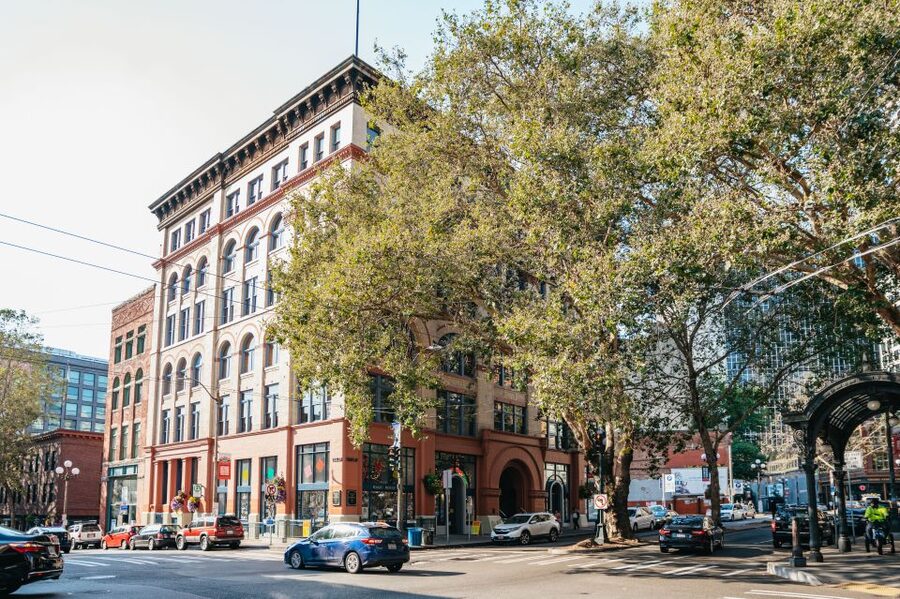
The underground spaces are not a secret second city built for dramatic effect. They are the remains of Seattle’s earlier street level, left below the raised streets and newer buildings of Pioneer Square.
In the late 1800s, Seattle grew on low, swampy ground near the waterfront. After the Great Fire of 1889 destroyed large parts of the city, leaders rebuilt with stricter construction plans and a major change in street height.
Retaining walls were built alongside the streets. The space between those walls was filled, raising the roads several feet above their original level. Businesses eventually moved to the new street level, while portions of the old sidewalks, storefronts, and passageways remained below.
That simple engineering decision explains the tour better than any spooky legend. You are not just walking through tunnels. You are looking at an old city level that became obsolete when Seattle rebuilt itself.
I find this especially useful if you have already walked around Pioneer Square and wondered why some doors, windows, and arches seem oddly low. The underground route gives you the missing layer of the neighborhood.
More walking tours:
- Taste Pike Place Walking Food Tour
★ 5.0 · 930 reviews - Seattle Delicious Donut Adventure & Walking Food Tour
★ 5.0 · 772 reviews - Haunted Seattle Booze and Boos Ghost Walking Tour
★ 5.0 · 572 reviews
Meeting beneath Cherry Street Coffee
The tour begins beneath Cherry Street Coffee. Look for the black and purple Beneath the Streets sign, then take the stairs down to the reception desk.
Give yourself enough time to find the entrance. The meeting point is underground rather than out on an obvious sidewalk corner, so the sign matters. Once you arrive, the guide leads the group into the walking route.
The experience is conducted in English with a live guide. Since the tour lasts only one hour, the opening explanation matters. Guides often set the tone quickly, then move the group through the passageways while adding stories about Seattle’s settlement, fire, construction, and later growth.
Several guides have earned especially warm praise for making the material easy to follow. David is often described as energetic, funny, and deeply informed about the city. Mark, Jim, Patti, Eowyn, Terrilyn, and others have also been praised for strong storytelling and a friendly way with groups. You cannot choose your guide from the information provided, but the repeated emphasis on humor and enthusiasm is a good sign for this format.
The first descent: seeing the old city level
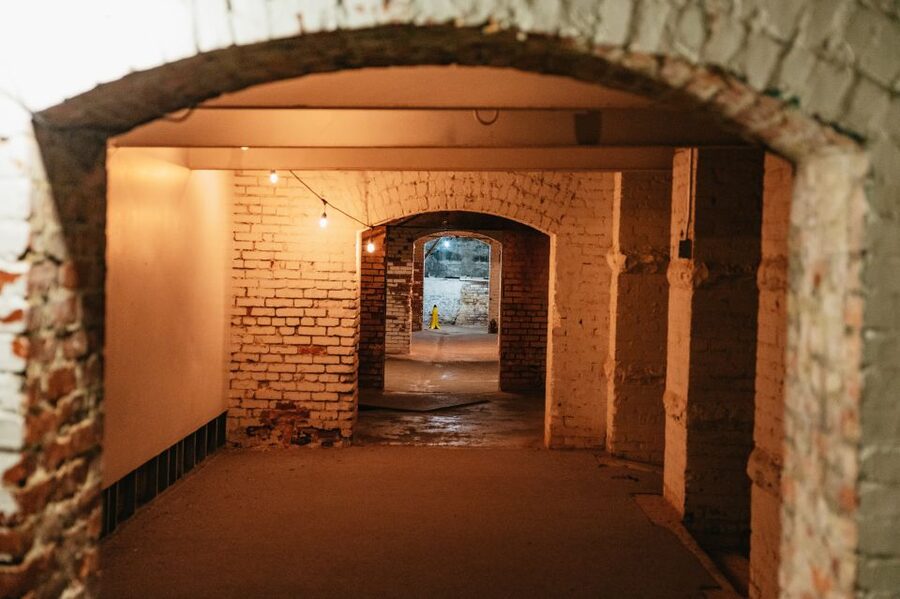
The first stairs take you into the part of Seattle that modern streets covered over. The change in scale can be striking. What looks like a basement from today’s viewpoint was once connected to the city’s ordinary sidewalks and businesses.
Your guide explains how the old level worked and why it was eventually buried. The important point is not simply that Seattle has underground passageways. It is that the city changed height around them.
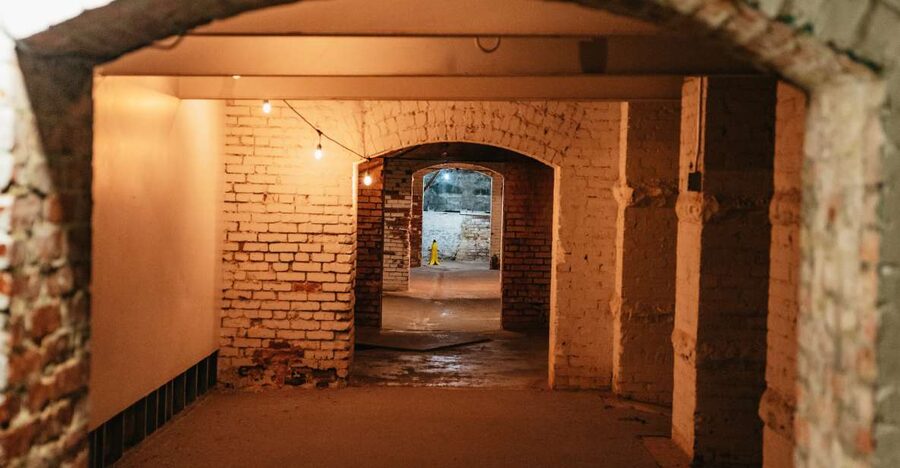
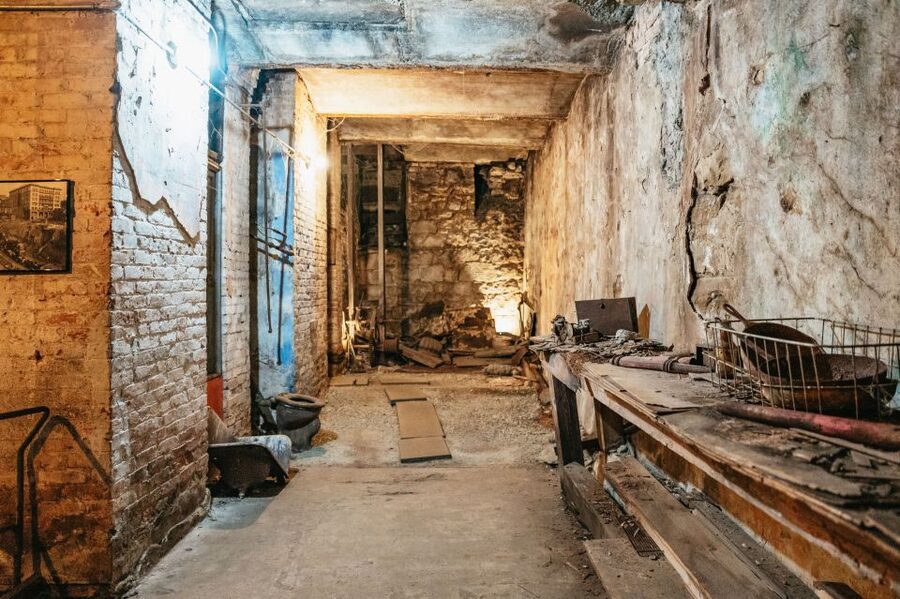
You might see old masonry, brickwork, openings, and storefront remains. The exact visual impact depends on the route and lighting, but the tour focuses on historic architecture and infrastructure rather than theatrical decoration.
That distinction is worth keeping in mind. If you expect fully restored rooms with actors or a polished historical set, this may feel spare. One account specifically notes that the power comes from understanding what happened, not from staged rooms. The appeal is the actual structure under the streets, supported by the guide’s explanation.
Wear shoes with good grip. You will walk, climb stairs, and encounter uneven ground. Comfortable footwear is not a minor suggestion here. It directly affects how much attention you can give to the stories.
Three passageways from the 1890s
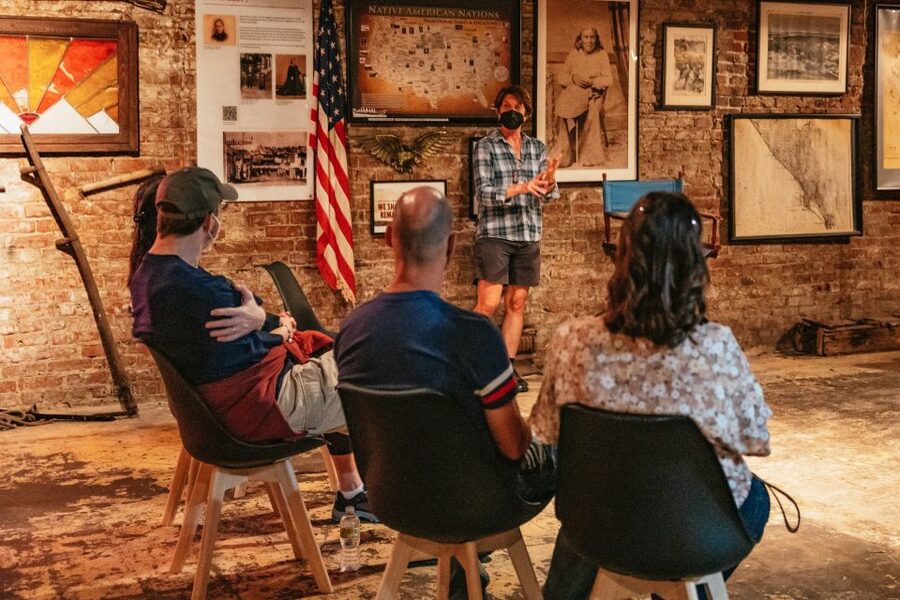
The core of the experience is the walk through three historic passageways originally constructed in the 1890s. Together, they cover more than four city blocks of Pioneer Square.
Each passageway helps show how the buried level relates to the streets above. Rather than treating the underground as one long tunnel, the guide points out different parts of the old urban structure and explains how the spaces were used after Seattle was rebuilt.
The route is compact, but the subject is not. In one hour, you hear about the city’s early settlement, the fire, the rebuilding process, retaining walls, raised roads, and the later use of the underground spaces.
I like that the tour moves between broad city planning and small physical details. You may be looking at a wall one moment, then hearing how the whole street system changed. That connection gives the architecture meaning.
The short duration is both a strength and a limit. It makes the tour easy to add to a busy Seattle schedule, and one hour is enough to leave you with a working picture of Pioneer Square. But you should not expect every chapter of Seattle’s past to receive equal attention. The guide has to keep moving.
A few more US trips worth a look
- Beneath The Streets Underground History Tour
★ 4.5 · 8,006 reviews - Chef Guided Food Tour of Pike Place Market
★ 5.0 · 3,733 reviews - Mt. Rainier National Park Highlights Tour
★ 5.0 · 3,156 reviews - Seattle’s Original Guided Harbor Cruise
★ 4.5 · 2,077 reviews
The Great Fire and Seattle’s reset
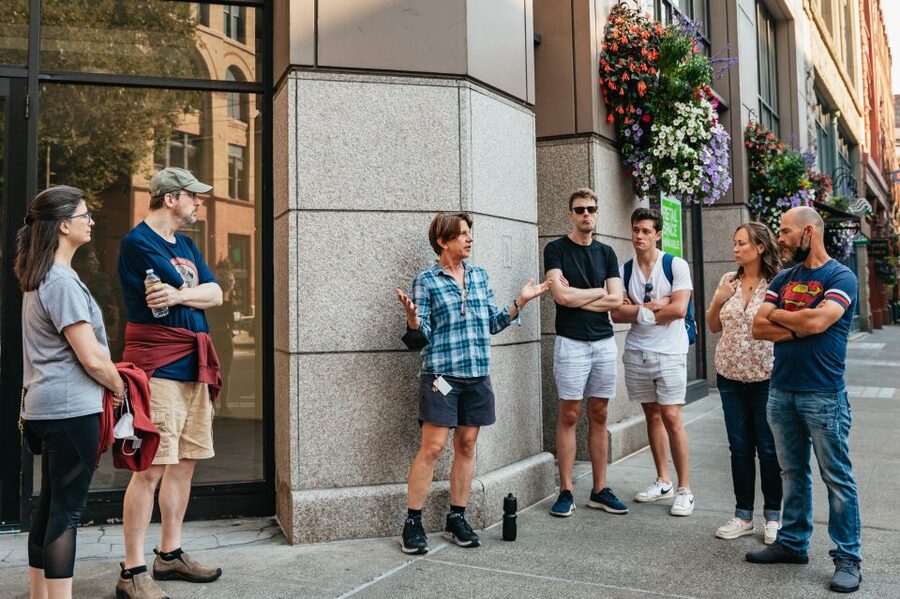
The Seattle Fire is the central turning point. Your guide describes the fire that destroyed large sections of the young city and explains what happened afterward.
The story is more useful when tied to the physical surroundings. You do not simply hear that Seattle burned. You see the conditions that shaped the rebuilding, including the decision to raise the streets and add retaining walls.
This is where the tour becomes more than an unusual walk. It shows how disaster can change a city’s form. Seattle did not just replace damaged buildings. It rebuilt its street system and altered the relationship between public roads, shops, and lower levels.
The stories also cover Seattle’s beginnings and the personalities connected with its growth. Some guides add quirky details and references to subjects such as Chief Seattle and the Klondike gold rush. The exact emphasis can vary, but the overall goal is to give you a better sense of how Seattle settled and developed.
The best guides use humor without making light of the difficult parts. Several praised guides are known for corny or dad-style jokes, dry humor, and an energetic delivery. That style suits a walking tour, especially when the group includes children or people with different levels of interest in city history.
Architecture below Pioneer Square
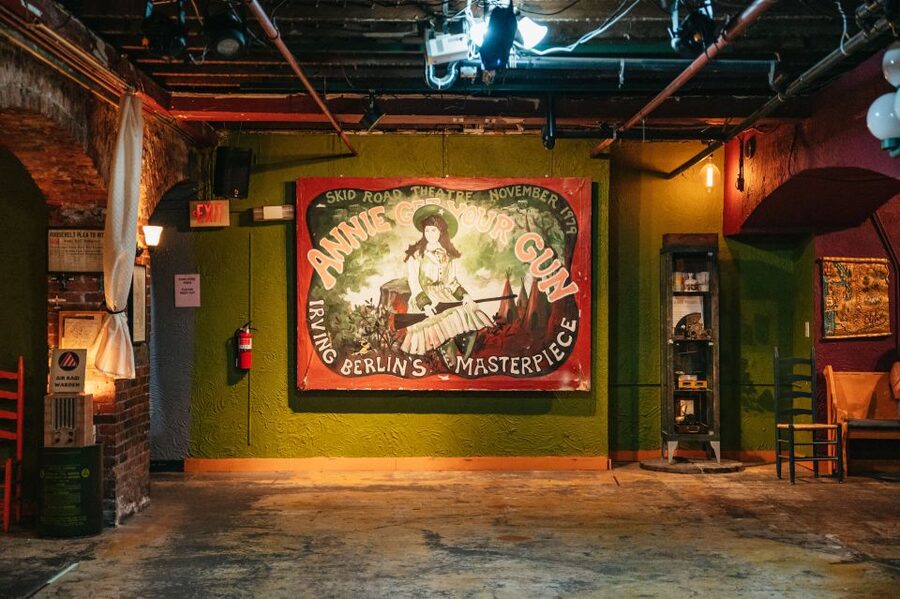
Pioneer Square is one of the most rewarding parts of Seattle for looking at older buildings, and the underground route gives you a different view of that architecture.
Above ground, you can admire historic facades and streets. Below ground, you see the construction choices that helped support or reshape the neighborhood. The tour links these two views, taking you outside and below street level as the explanation develops.
The underground spaces may include old walls, arches, openings, and preserved sections of the former streetscape. Do not expect every corner to look perfectly restored. The value lies in the evidence of change: a buried sidewalk, an old storefront line, or a passage that makes the raised street above easier to understand.
A useful tip is to take a short walk around Pioneer Square before or after the tour. The tour itself covers the underground sections and explains the neighborhood, but seeing the above-ground buildings with that new context can make the whole area easier to read.
The route is outside and underground. That means conditions can differ along the way, and the underground areas may feel cooler or less polished than a conventional indoor attraction. Plan for a walking experience rather than a climate-controlled exhibit.
How the guide shapes the experience
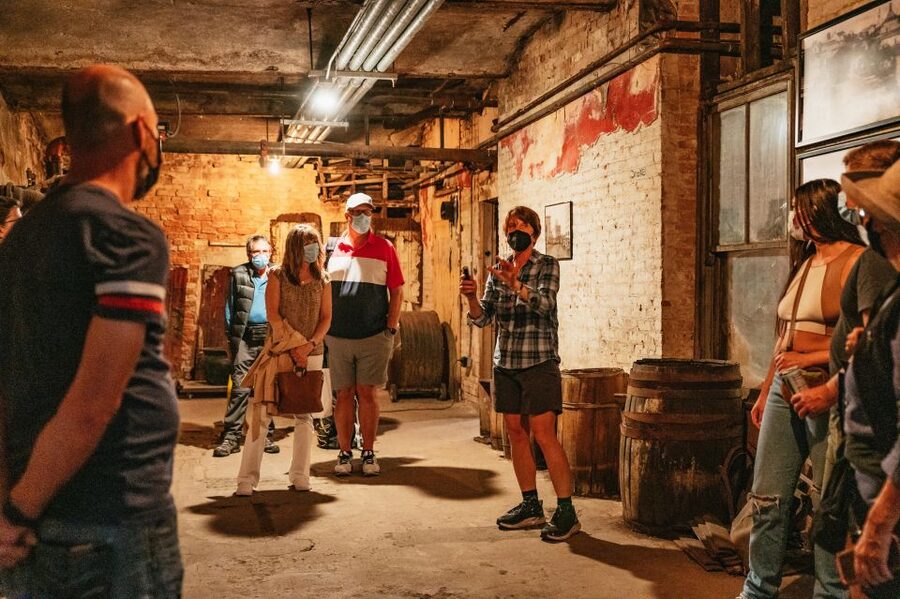
The guide is the main interpreter, and this tour depends heavily on that human element. The strongest accounts praise guides for keeping a good pace, engaging everyone in the group, and blending facts with funny stories.
David is repeatedly singled out for enthusiasm, personal interaction, and a talent for remembering where people come from. Jim is praised as a strong storyteller. Eowyn is described as lively and funny, while Terrilyn is noted for her energy and passion for Seattle’s past.
Those details matter because the underground spaces alone may not explain themselves. A wall or passageway can look plain until someone tells you what it is, why it was built, and how it fits into the city’s rebuilding.
The route also seems suitable for families, provided everyone can manage the stairs. One account calls it a good family activity, while another notes that some nighttime tours offer more adult stories. The experience described here is the standard daytime-style history tour, presented in English.
If you prefer quiet independent sightseeing, a guided hour may feel fast. If you enjoy asking questions, hearing personal stories, and having the city’s odd details pointed out, the guide adds real value.
Is $31 a fair price?
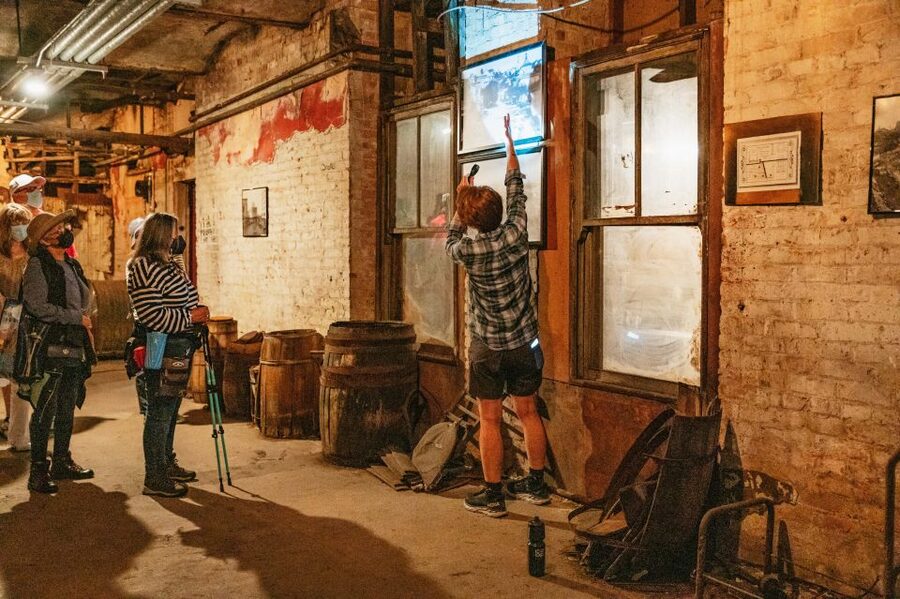
At $31 per person, this is not the cheapest way to spend an hour in Seattle. You can walk through Pioneer Square on your own for free. The question is whether the explanation and access to the underground route justify the cost.
For me, the answer is yes if you care about how cities are built. The tour gives you a physical experience that a general city walk cannot provide, then explains the fire and engineering decisions that created it. You are paying for the route, but also for the guide’s ability to connect scattered clues into one clear story.
The value is strongest for first-time visitors who want history beyond the usual downtown attractions. It can also work well for locals. One long-time Seattle resident said the tour taught her new things about the city’s settlement and development.
The one-hour length helps the value. You are not committing half a day, and the activity fits well before lunch, after a museum visit, or at the start of a walk through Pioneer Square. Still, the tour is brief enough that anyone wanting a detailed study of Seattle’s urban development may want another history experience afterward.
Who should book this walking tour?
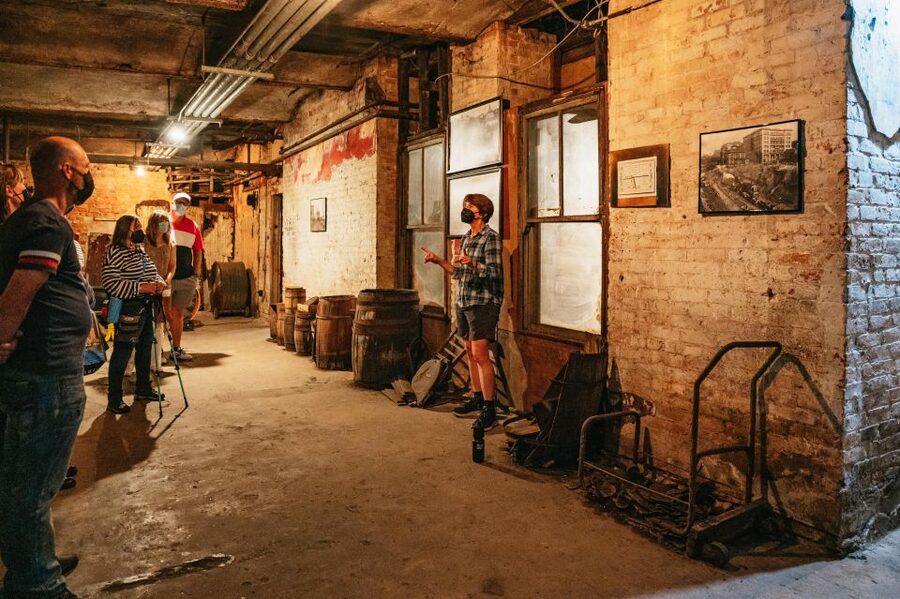
You should consider it if you enjoy:
- City history tied to real buildings and street plans
- Guided walks with humor and conversation
- Architecture, old infrastructure, and unusual urban spaces
- Short activities that fit into a larger Seattle itinerary
- Learning how a disaster changed a city
Families can enjoy it if children are comfortable walking and climbing stairs. The stories are lively, and several guides have been praised for keeping groups entertained.
You should think twice if you have a mobility impairment, dislike stairs, or need an elevator. There are six flights, no elevator access, and uneven surfaces. Strollers can be carried up and down the stairs or stored in the ticket office during the tour, but the route remains physically demanding.
Pets are not allowed. Bring comfortable shoes, and remember that the experience takes place both outside and underground.
Practical timing and cancellation details
The tour lasts one hour, with start times available according to the date you choose. A morning tour can work well as a way to begin your Seattle sightseeing, while another start time can fit around other Pioneer Square plans.
You can reserve now and pay later, which helps if you are still arranging your schedule. You can also cancel up to 24 hours in advance for a full refund.
Because the route is compact, check the timing carefully before booking. Six flights of stairs and uneven ground also mean you should avoid treating it as a casual stop between activities if you need extra time or a slower pace.
Should you book Beneath the Streets?
Book this tour if you want Seattle’s past explained through the actual streets, walls, and passageways that remain below Pioneer Square. The combination of the 1889 fire, raised roads, three 1890s passageways, and lively guiding gives you a useful understanding of why this part of Seattle looks the way it does.
Skip it if you cannot manage six flights of stairs or if you expect a fully staged attraction. For everyone else, $31 is a sensible price for a focused, entertaining hour, especially early in your visit when the explanation can improve every later walk through Pioneer Square.
FAQ
How long is the Seattle Guided Underground Walking Tour?
The tour lasts one hour.
How much does the tour cost?
The price is $31 per person.
Where does the tour meet?
The meeting point is underneath Cherry Street Coffee. Look for the Beneath the Streets black and purple sign, then take the stairs down to the reception desk.
What areas does the tour explore?
The route explores more than four city blocks of historic Pioneer Square and includes three underground passageways originally built in the 1890s.
What will I learn about Seattle?
You will learn about Seattle’s early settlement, the Great Fire of 1889, the rebuilding of the city, and the decision to raise the streets above their original level.
Is the tour conducted in English?
Yes. The tour has a live English-speaking guide.
Are there stairs on the route?
Yes. There are six flights of stairs, and there is no elevator access.
Is the tour suitable for people with mobility impairments?
No. The tour is not suitable for people with mobility impairments because of the stairs and uneven ground.
Can I bring a stroller?
Strollers may be carried up and down the stairs or stored in the ticket office for the duration of the tour.
What should I bring, and are pets allowed?
Bring comfortable shoes. Pets are not allowed on the tour.
Recently added around Seattle
- Seattle Sailing Harbor Tour★ 4.5 · 473 reviews
- The Museum of Flight Entrance Ticket★ 5.0 · 477 reviews
- From Seattle: Round Trip by High Speed Ferry to Victoria, BC★ 4.0 · 479 reviews
- Seattle Coffee Tour: Capitol Hill Cafes, Tastings & Local Stories★ 5.0 · 489 reviews
- Sinister Sins, Scandal, and Shadows: Seattle Ghost Tour★ 4.5 · 490 reviews
- Leavenworth Exclusive Tour from Seattle★ 4.5 · 492 reviews
- One-Way Transfer: Pier 91 to Airport★ 4.5 · 522 reviews
- Mt. Rainier highlights – old forest, falls and glaciers★ 5.0 · 564 reviews
Walking Tours, compared.

History and Hauntings of Salem Guided Walking Tour
Read our review →
New Orleans Premier Ghost, Voodoo and Vampire Walking Tour
Read our review →

Freedom Trail History Small Group Walking Tour
Read our review →
Historic Charleston Guided Sightseeing Walking Tour
Read our review →
New Orleans Food Walking Tour of the French Quarter with Small-Group Option
Read our review →
St. Louis Cemetery No. 1 Official Walking Tour
Read our review →Browse the lists this tour appears in