
Reviewed · WALKING TOURS
SoHo, Little Italy, and Chinatown 2-Hour Guided Walk
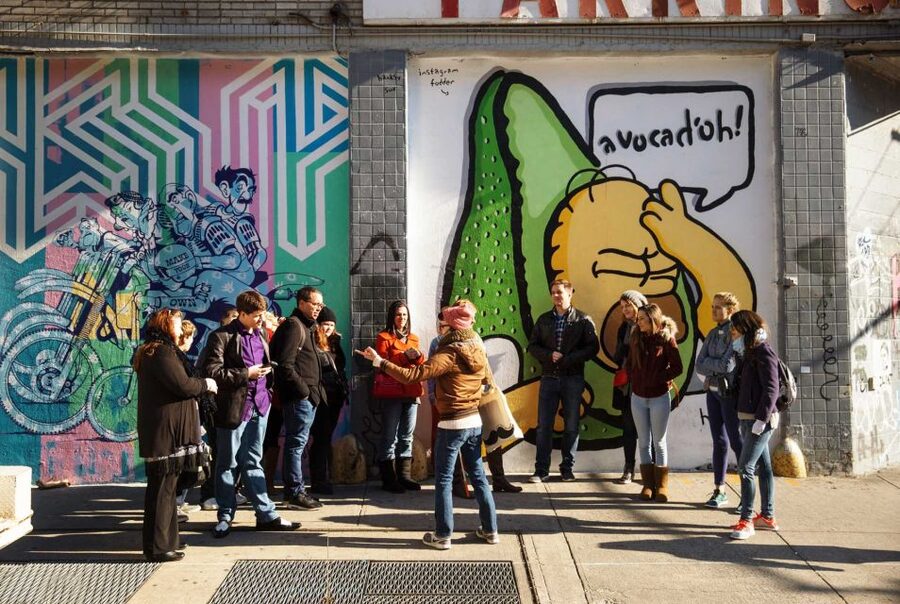
Old streets tell the best New York stories. This two-hour walking tour links SoHo, Little Italy, and Chinatown, three neighborhoods with very different identities packed into a compact part of Manhattan. I like the sharp change of mood from SoHo’s cast-iron façades to Little Italy’s Italian-American landmarks, then Chinatown’s darker tales of gang conflict and the Bloody Angle.
I also like the guides’ strong personal touch. Angela, Steve, Felipe, George, and others have been praised for humor, local insight, clear storytelling, and good group management. The main drawback is pace: forty minutes in each district gives you a useful introduction, but not enough time for long food stops, museum visits, or detailed exploration.
In This Review
- Key points to know before you book
- Why this compact walk works in New York
- SoHo and the cast-iron streets
- Spring Street and the Manhattan Well Murder
- Little Italy, Mulberry Street, and immigrant New York
- San Gennaro and the stories behind the symbols
- Chinatown, the Opium Den, and the Bloody Angle
- What makes the guides the real value
- Pace, comfort, and who should skip it
- Is $39 a fair price?
- Should you book this SoHo, Little Italy, and Chinatown walk?
- FAQ
- How long does the walking tour last?
- Where does the tour start?
- Where does the tour finish?
- What language is the tour conducted in?
- Is food included in the price?
- What should I bring?
- Is the tour suitable for people with mobility impairments?
Key points to know before you book
- Three neighborhoods in two hours: A brisk route takes you from SoHo’s architecture through Little Italy’s immigrant and Mafia stories to Chinatown’s gang history.
- Cast-iron SoHo: Look closely at the E.V. Haughwout Building, home to New York’s first safety elevator.
- True-crime storytelling: The route includes the Manhattan Well Murder site, the Ravenite Club, the Joe Gallo hit site, and Doyers Street.
- Food is extra: You may get a chance to buy a snack or receive food suggestions, but food costs are not included.
- Strong guide element: The best part of the walk is the live English-speaking guide, with past guides praised for humor, energy, and personal stories.
- Finish in Chinatown: The walk ends at Columbus Park, a useful place to continue exploring or pause after the tour.
Why this compact walk works in New York
SoHo, Little Italy, and Chinatown sit close together, but they do not feel like one neighborhood. In two hours, you get a quick lesson in how Manhattan changed as immigrant communities arrived, businesses shifted, buildings were reused, and old streets gained new reputations.
That compact route is the tour’s main strength. You do not spend much of your time crossing town. Instead, the guide keeps moving through streets connected by history, food, architecture, crime, religion, and popular culture.
I would treat this as an orientation walk rather than a full examination of each district. You will see important sites and hear the stories that give them meaning. Afterward, you can return to the places that caught your interest and explore at your own speed.
The cost is $39 per person, which is fair if your guide is as lively and well prepared as the strongest guide reports suggest. You are paying less for admission to a monument and more for interpretation. Without a guide, many of these locations would look like ordinary storefronts, apartments, or street corners.
More Walking Tours in New York City
- SoHo, Little Italy, and Chinatown Walking Tour in New York
★ 5.0 · 3,153 reviews - Secrets of Grand Central Station Walking Tour New York City
★ 5.0 · 1,796 reviews - Greenwich Village Walking and Food Tasting Tour
★ 5.0 · 1,572 reviews
SoHo and the cast-iron streets
The walk begins at Spring Street Park, unless your booked option uses another meeting point. SoHo receives about forty minutes, enough time to see its signature architecture and understand how the district changed over time.
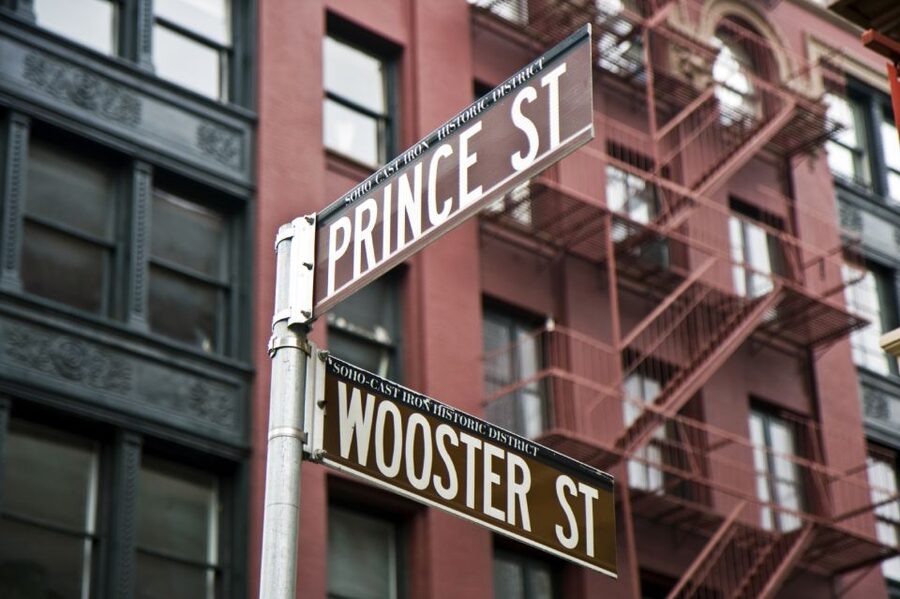
The Cast Iron district is the visual star. Its ornate façades, tall windows, and metal construction give SoHo a look unlike most of Manhattan. The guide also points out the E.V. Haughwout Building, an important engineering landmark because it housed the first safety elevator.
That detail matters because SoHo’s upper floors were once difficult to reach and less useful for shops. The elevator helped change how buildings functioned. Today, the same historic setting attracts expensive apartments, fashion businesses, film crews, celebrities, and people hoping to spot them.
The walk includes 421 Broome Street, associated with Heath Ledger’s death in Mary-Kate Olsen’s apartment. It is a sensitive piece of recent celebrity history, and the guide’s treatment of it will matter. The location may interest people who enjoy film and pop culture, but it is not a light or glamorous story.
SoHo is also where the tour may feel most crowded. The streets can be busy, and the architecture competes with shops, traffic, and pedestrians. Wear shoes that can handle uneven city pavement, and do not expect long quiet pauses in front of every building.
I like this portion because it connects a beautiful streetscape to practical urban change. You are not just looking at fancy façades. You are learning why the buildings mattered, how technology affected them, and why the district later became such a magnet for fashion and celebrity culture.
Spring Street and the Manhattan Well Murder
One of the more unusual stops is the corner of Greene and Spring streets, the site of the Manhattan Well Murder. It is described as New York City’s first recorded murder case.
A story like this gives the walk a useful jolt. SoHo is often presented through shopping, architecture, and celebrity homes, but this stop reminds you that old Manhattan was also a place of limited infrastructure, fear, rumor, and hard living.
The value here comes from standing at the location rather than hearing a crime story in isolation. The modern street makes the past feel surprisingly close. You can look at the same intersection and consider how little of the old setting remains.
The tour does not appear to be designed as a crime-only walk. Instead, the murder is one thread among many. That variety should suit you if you want history with some suspense, but it may disappoint you if you expect a long, detailed true-crime investigation.
Little Italy, Mulberry Street, and immigrant New York
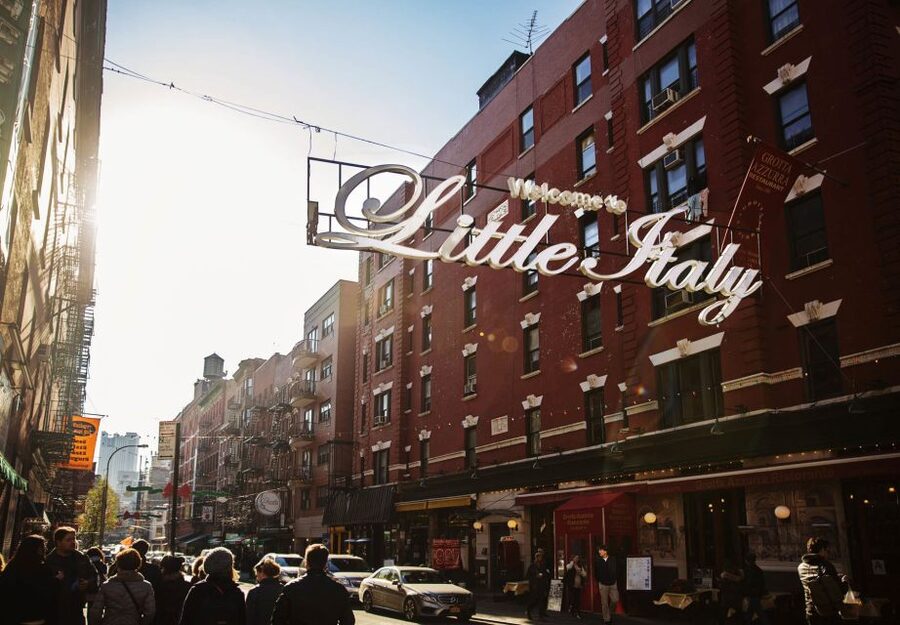
The route then moves into Little Italy, with about forty minutes devoted to the district. Mulberry Street is the center of the visit, and the guide uses the neighborhood to explain immigrant struggles, Italian-American life, organized crime, religion, and food.
This is where the walk becomes especially useful. Little Italy can be easy to reduce to red-white-and-green signs, restaurant menus, and tourist photos. A good guide adds the harder context: newcomers building lives in crowded conditions, forming institutions, facing prejudice, and creating businesses that shaped the city.
The Old Police Station is a striking stop. Built in 1909 in the Beaux-Arts style, it is now a residence. That change tells you something about Manhattan’s constant recycling of old buildings. A place once tied to law enforcement now serves a completely different purpose.
The Ravenite Club brings the Mafia stories into sharper focus. The site is linked to John Gotti, and the guide explains the club’s role in the neighborhood’s organized-crime past. This is a strong stop for visitors who enjoy the city’s crime stories, but the subject should be understood as part of local history, not the whole identity of Italian-American New York.
Old St. Patrick’s adds another side of the district. Churches such as this were not just places for worship. They also helped immigrant communities build support networks, preserve traditions, and establish a foothold in a difficult city.
The Italian American Museum is connected with the site of the Triangle Shirtwaist Factory fire. That event is one of New York’s most important labor tragedies. It points the tour toward working conditions, industrial growth, and the dangers faced by immigrant workers, especially women.
The route also includes Alleva Dairy, where cheese had been made for a hundred years. Since food costs are not included, consider this a chance to buy something rather than a provided tasting. The stop is useful even if you do not purchase anything because it shows how food businesses can carry a community’s identity across generations.
Umberto’s is tied to the 1972 mob hit on Joe Gallo. It is another example of how a restaurant or street address can hold a story far larger than its present-day appearance. You may want to return later for a meal, but the tour itself does not cover food costs.
One practical point: Little Italy may be the best part of the walk for a snack break. Several tour accounts describe time to get a bite or explore on your own before continuing. Treat that as a short pause, not a full meal. Two hours passes quickly, and the group will need to stay on schedule.
More walking tours:
- Artistic, Alternative Greenwich Village Walking Tour
★ 5.0 · 971 reviews - True Crime NYC: Mafia Walk w/Ret. NYPD Detective and Local Food
★ 5.0 · 848 reviews - Central Park Guided Walking Tour
★ 5.0 · 774 reviews - New York City: Private Walking Tour with a Local
★ 4.6 · 771 reviews
San Gennaro and the stories behind the symbols
The National Shrine Church of San Gennaro brings religious tradition into the route. The guide tells the story of the liquefaction of the saint’s blood, a Catholic phenomenon associated with San Gennaro.
You do not need to share the belief to find the story interesting. It helps explain why San Gennaro matters to the neighborhood and why religious festivals and symbols remain so visible in Little Italy.
This stop works best when the guide explains both the tradition and its place in community life. The walk is at its strongest when it treats these subjects as living culture, not just colorful decoration.
Chinatown, the Opium Den, and the Bloody Angle
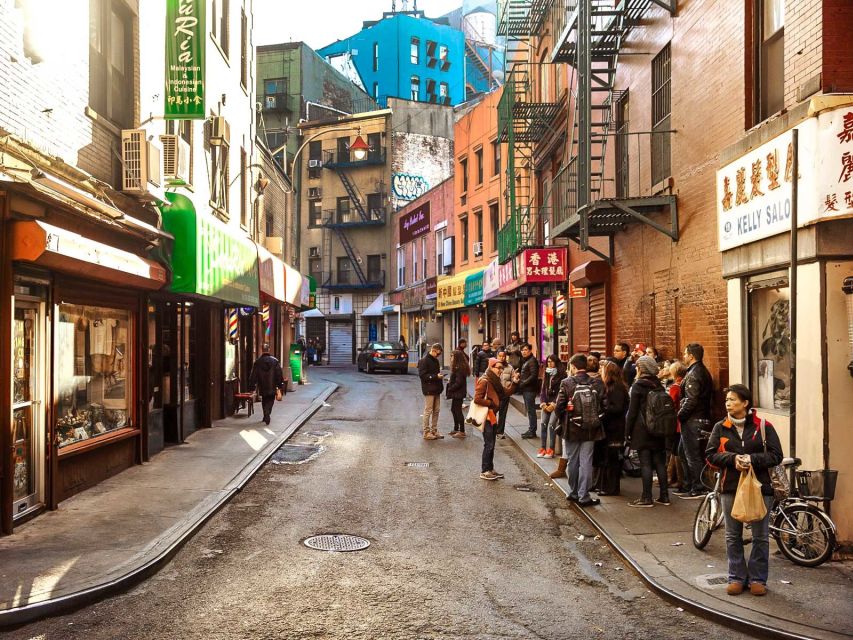
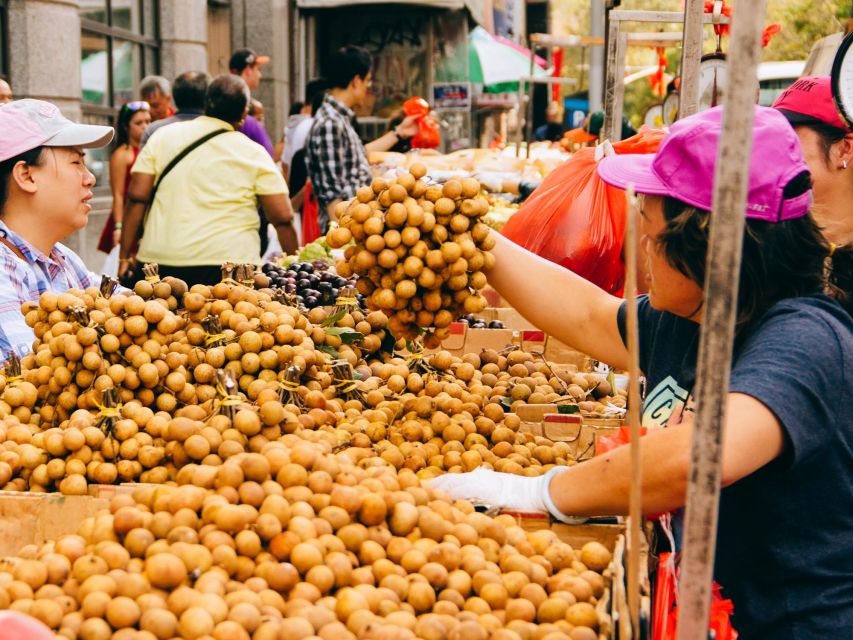
Chinatown receives about forty minutes, ending at Columbus Park. The tone changes again. The guide discusses Chinese immigration, gang violence, old vice stories, and the narrow streets that shaped the neighborhood’s reputation.
The Opium Den stop belongs to the district’s darker historical side. It is a reminder that Chinatown has often been described through sensational stories, sometimes unfairly. I would listen for context here. The useful question is not only what happened, but also why certain stories became attached to the neighborhood.
Doyers Street, known as the Bloody Angle, is one of the tour’s most memorable locations. Its unusual bend made it difficult to see what was ahead, and the street became linked with violent conflict between rival Chinese gangs. The setting helps explain why the name has endured.
The story may appeal to fans of old New York crime tales and Gangs of New York. Columbus Park is associated with the film, and it gives the tour a fitting final stop. At the same time, you should remember that Chinatown is a living community, not an outdoor crime museum. The best presentation will connect the violence and legends with the people and businesses that continued to shape the area.
Columbus Park is also a practical ending. You can rest, continue through Chinatown, find food nearby, or use the location as a base for more sightseeing. The tour does not include a formal meal, so plan your lunch or dinner after the walk.
What makes the guides the real value
The route is fixed in broad terms, but the experience depends heavily on the guide. The most consistent praise goes to guides who combine facts with humor, personal anecdotes, and room for questions.
Angela is repeatedly described as energetic, funny, and generous with information. Steve has been praised for local knowledge and personal stories, including his long connection to the area. Felipe is noted for enthusiasm, food suggestions, and an easy pace. George is praised for his humor, friendliness, and ability to answer questions.
Other guides named in the feedback include Arun, Filip, Ari, Jacob, Alex, Peter, Joseph, Laura, Mindy, Johnny, Amy, Isa, Verena, David, and Bliss. That list tells you the company uses a range of guides, so you cannot book this experience expecting one particular person unless the booking option specifically says so.
Several useful guide habits come through clearly. Guides have adjusted the route for hot weather by finding shade, managed busy streets with attention to traffic, spoken clearly to mixed-age groups, and offered restaurant or food suggestions. One private family group with three children found the guide able to engage both adults and kids.
The tour seems especially good for you if you learn through stories rather than dates and statistics. Guides bring together architecture, pop culture, murder cases, religion, food, and local memory. The result is more like a walking conversation than a formal lecture.
Pace, comfort, and who should skip it
The walk lasts two hours and divides the route into roughly forty minutes per neighborhood. That is not a marathon, and one account describes the pace as easy and comfortable. Still, you will be on your feet and moving through city streets for most of the time.
Bring comfortable shoes and clothing suited to the weather. Summer heat can be tiring, though a strong guide may build in shade breaks. Winter conditions can make exposed streets less pleasant, so dress for the forecast.
The experience is specifically not suitable for people with mobility impairments. The route includes city sidewalks and sustained walking, so you should choose another format if that would be difficult.
Families can enjoy the tour, especially if children like food, buildings, movie connections, or crime stories. The content includes murder and gang violence, so parents should decide if those subjects fit their children.
I would also recommend it early in your New York visit. The walk gives you restaurant ideas, neighborhood context, and a sense of where to return. Taking it later can still be worthwhile, but you lose some of its value as a guide to the rest of your stay.
Is $39 a fair price?
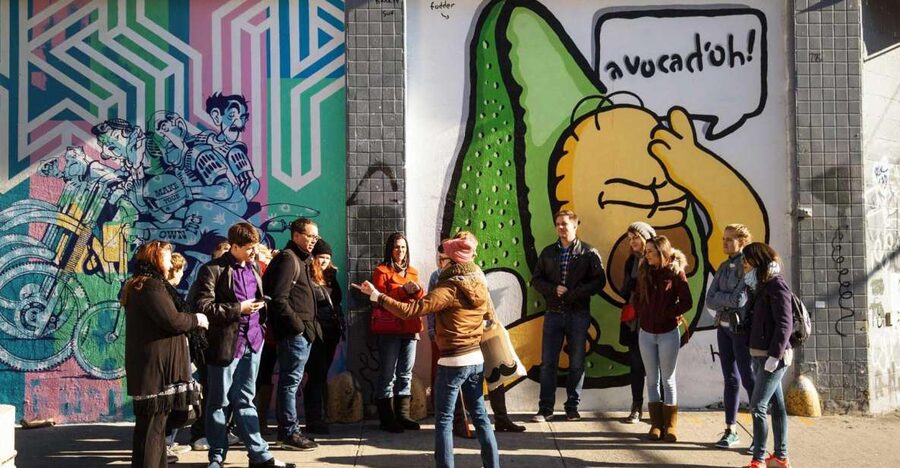
At $39, this is a good-value introduction to three major Manhattan districts. You are not paying for museum admission or food, but you are getting an English-speaking guide who can explain why ordinary-looking corners matter.
The value rises if you ask questions, follow food suggestions, and return to one or two locations afterward. It falls if you want extensive time inside churches, museums, or restaurants. This is a street-level overview, not a series of site visits.
The four-and-a-half-star rating from 566 reviews supports the idea that the guide quality is usually strong. Still, the price does not guarantee a particular guide or a private group. Expect a shared walking experience unless your booking option says otherwise.
Free cancellation is available up to 24 hours before the start for a full refund, and you can reserve now and pay later. Those terms make the tour easy to fit into a changing New York schedule.
Should you book this SoHo, Little Italy, and Chinatown walk?
Book it if you want context fast. You will see historic architecture, immigrant institutions, food landmarks, Mafia sites, Chinese gang stories, and movie-linked locations without spending half a day crossing Manhattan.
I especially recommend it for first-time New York visitors, curious walkers, pop-culture fans, and anyone who wants practical food suggestions from a local guide. It is also a strong choice if you prefer a relaxed pace and plenty of stories over formal museum stops.
Skip it if you need step-free access, dislike true-crime material, or want a slow food tour with included tastings. For everyone else, $39 is a sensible price for a lively introduction to three neighborhoods that are easy to pass through and surprisingly hard to understand on your own.
FAQ
How long does the walking tour last?
The tour lasts two hours. It includes about forty minutes in SoHo, forty minutes in Little Italy, and forty minutes in Chinatown.
Where does the tour start?
The listed starting location is Spring Street Park, though the meeting point may vary depending on the option you book.
Where does the tour finish?
The walk finishes at Columbus Park in Chinatown.
What language is the tour conducted in?
The tour is conducted in English with a live English-speaking guide.
Is food included in the price?
No. Food costs are not included. You may have an opportunity to buy a snack or receive food recommendations during the walk, but purchases are your responsibility.
What should I bring?
Bring comfortable shoes and clothing suitable for the weather.
Is the tour suitable for people with mobility impairments?
The tour is listed as not suitable for people with mobility impairments. You should consider the sustained walking and city-street route before booking.
More 2-Hour Experiences
- NYC: Circle Line 2h Harbor Lights Cruise Skip-The-Box-Office
★ 4.6 · 8,222 reviews - New York City: Gangsters and Ghosts 2-Hour Walking Tour
★ 4.7 · 615 reviews - 2-hour Metropolitan Museum Guided Tour
★ 5.0 · 515 reviews - 2-Hour Exotic Car Driving Experience in Las Vegas
★ 5.0 · 2,870 reviews
Recently added around New York City
- From Manhattan: 5-Hour Bronx, Queens, and Brooklyn Bus Tour★ 4.7 · 451 reviews
- Private Guided New York City Tour by SUV★ 5.0 · 451 reviews
- Statue of Liberty Tour with Ellis Island and Immigration Museum★ 4.0 · 452 reviews
- Circle Line: NYC BEAST Speedboat Ride★ 4.5 · 458 reviews
- NYC: Official Grand Central Terminal Tour★ 5.0 · 458 reviews
- New York City: Sunset Yacht Cruise★ 4.9 · 461 reviews
- Brooklyn: Bushwick Street Art Walking Tour★ 4.7 · 462 reviews
- Ground Zero Museum Workshop Tour★ 4.5 · 463 reviews
Walking Tours, compared.

History and Hauntings of Salem Guided Walking Tour
Read our review →
New Orleans Premier Ghost, Voodoo and Vampire Walking Tour
Read our review →

Freedom Trail History Small Group Walking Tour
Read our review →
Historic Charleston Guided Sightseeing Walking Tour
Read our review →
New Orleans Food Walking Tour of the French Quarter with Small-Group Option
Read our review →
St. Louis Cemetery No. 1 Official Walking Tour
Read our review →Browse the lists this tour appears in