
Reviewed · PLANTATION TOURS
Boone Hall Plantation Admission & Tour with Transportation from Charleston
Oak trees set the tone. Boone Hall combines a grand approach, a guided house visit, slave cabins, gardens, and a seasonal Gullah presentation in one half-day outing from Charleston. I especially like the round-trip bus service and the chance to hear living Gullah culture presented by a costumed performer, rather than getting only a polished mansion tour. The main caution is that the house is a relatively modern structure, not an original 17th-century or Civil War-era home, and the four-and-a-half-hour schedule can feel tight.
I also like the small-group format, with a maximum of 25 people, and the useful history shared on the ride to and from the plantation. You should be ready for plenty of walking, sun, and an itinerary that may require choices between activities. The Gullah program is seasonal, and the tram runs only when available.
In This Review
- Key points to know before booking
- From Charleston to the Boone Hall oak alley
- What the house tour gets right, and what it does not
- The slave cabins and the hard parts of the story
- Why the Gullah presentation is the tour’s strongest feature
- Gardens, live oaks, and a working plantation
- The tram tour, and why you should ask first
- Fitting the major activities into three hours
- Is $82 a fair price?
- Heat, walking, and other practical matters
- Who should book Boone Hall from Charleston?
- Should you book it?
- FAQ
- Where does the tour begin and end?
- How long is the experience?
- What is included in the $82 price?
- Is the Boone Hall house original to the plantation?
- Is the Gullah presentation offered on every tour?
- Is the tram included?
- How much walking is involved?
- Can I cancel for a full refund?
Key points to know before booking
- The live oak entrance is the visual highlight: The long drive shaded by Spanish moss is one of the most memorable parts of the visit.
- The Gullah presentation adds real cultural depth: It covers African American traditions, language, music, and sweetgrass basket making.
- The house is not an original colonial building: The plantation dates to 1681, but the present mansion is less than 100 years old.
- The slave cabins are sobering: The visit addresses the lives and working conditions of enslaved people through cabins, objects, and interpretation.
- You get about three hours at Boone Hall: That is enough for the major features, but not always enough for every activity at a leisurely pace.
- Transportation begins at the Charleston Visitor Center: Hotel pickup is not included, so plan to reach 375 Meeting Street on time.
From Charleston to the Boone Hall oak alley
Your day begins at the Charleston Visitor Center at 375 Meeting Street. This is a practical downtown meeting point with restrooms, parking, public transportation nearby, and a gift shop. You board an air-conditioned bus, then ride roughly 30 to 45 minutes toward Boone Hall.
The drive matters more than you might expect. The driver provides background on Charleston and points out sights along the way, giving you a useful sense of the area before you arrive. Drivers such as Alan and Gary have received warm praise for making the transfer more than a silent ride, though service can vary. One substitute driver was difficult to understand and dropped the group at the wrong place on the return, so it is wise to confirm the meeting point before leaving the plantation.
The bus is a real advantage if you do not have a rental car. You avoid navigation and parking, and the air conditioning is welcome during Charleston’s hotter months. The tradeoff is a fixed schedule. You cannot linger at one garden or return to a favorite spot after the bus leaves.
As you approach the entrance, Boone Hall’s live oak avenue provides the first big moment. The trees, draped with Spanish moss, create the classic Lowcountry view many people picture before coming to Charleston. If you enjoy photography, this is the place to slow down and look around before rushing toward the house.
More plantation tours:
- Boone Hall Plantation All-Access Admission Ticket
★ 4.5 · 1,736 reviews - Magnolia Plantation Admission & Tour with Transportation from Charleston
★ 4.5 · 836 reviews - Swamp Boat Ride and Oak Alley Plantation Tour from New Orleans
★ 5.0 · 3,303 reviews
What the house tour gets right, and what it does not

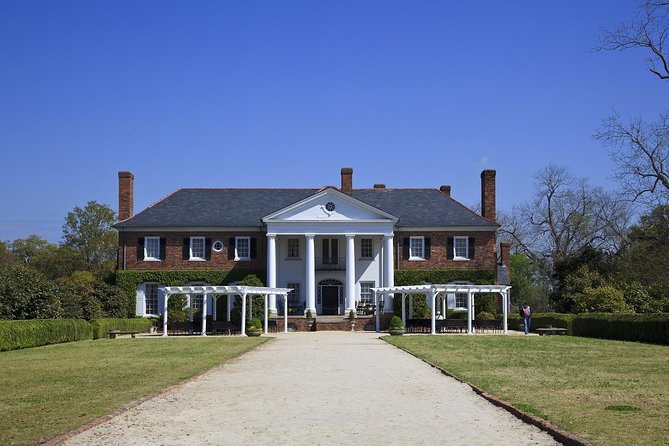
The house tour lasts about 30 minutes and begins on the front porch. A guide in period clothing explains Boone Hall’s ownership and development from 1681 through its later years. The setting looks like the plantation house from a historical film, and the porch gives the talk a strong sense of place.
But you need to adjust your expectations. The current house is less than a century old. It was not the home that witnessed the plantation’s earliest centuries, and it was not a Civil War-era mansion. The plantation site is old, but the building you tour is not.
That distinction does not make the house irrelevant. It does mean you should see it as one chapter in Boone Hall’s story, rather than the physical center of every era. Some people may feel disappointed if they arrive expecting an original 18th-century structure. I think the tour works best when you treat the mansion as a later chapter in a working property’s long history.
The guide explains the house and its changes over time, but the 30-minute visit is only one part of the experience. The most important context comes from placing the elegant porch and formal grounds beside the cabins and presentations about forced labor. That contrast is essential. A plantation visit should not turn slavery into background scenery, and Boone Hall gives that subject a visible place in the visit.
The slave cabins and the hard parts of the story
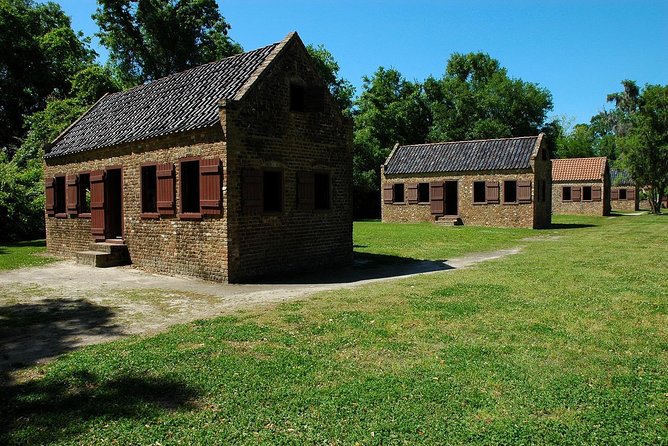
The historic slave cabins are among the most serious and affecting parts of the tour. You see the living quarters, surviving objects, and material connected with the daily lives of enslaved people who lived and worked at Boone Hall.
I appreciate that this portion does not limit the site to architecture and pretty gardens. The cabins make the system of slavery physical and immediate. They help you think about crowded living conditions, work, family life, and the struggle for freedom after emancipation.
The presentation also covers life after slavery and the continuing presence of African American culture in the region. This makes the visit more useful than a simple tour of a fine house. You are asked to connect the plantation economy with the people whose labor made it possible.
The subject can be emotional, especially in the cabins. Give yourself time to absorb it. You do not need to rush from the cabins to the next attraction just because the property has several scheduled features. If the subject is a major reason you are visiting, ask at the start which presentation times will allow you to spend enough time here.
Why the Gullah presentation is the tour’s strongest feature
The Gullah program is the part I would prioritize. Boone Hall offers a live, seasonal presentation about Gullah culture, which developed among descendants of enslaved Africans in the coastal South. The program uses a costumed performer and may include discussion of language, music, traditions, and sweetgrass baskets.
This is not just a side note about plantation life. It shows how African cultural practices survived, changed, and continued in the Lowcountry. The performance brings a human voice and personal feeling to material that can otherwise become a list of dates and owners.
The program has been singled out as the favorite part of the experience again and again. That makes sense. The house explains the property’s formal story, while the Gullah presentation gives you a stronger connection to the people and culture shaped by this region.
Because it is seasonal, you should confirm that it will be offered on your date. If it is running, make it a priority. I would schedule the day around it before deciding how much time to spend in the formal gardens.
The program also gives context for sweetgrass baskets, a Lowcountry craft made by hand and often requiring weeks or months of work. You may find baskets and other cultural items connected with the presentation, but the central value is the explanation of the tradition and its place in local life.
A few more US trips worth a look
- Charleston’s Old South Carriage Historic Horse & Carriage Tour
★ 5.0 · 10,023 reviews - Historic Charleston Guided Sightseeing Walking Tour
★ 5.0 · 6,216 reviews - Haunted Evening Horse and Carriage Tour of Charleston
★ 4.5 · 3,678 reviews - Charleston Horse-Drawn Carriage Tour: Explore Historic Charleston
★ 5.0 · 3,561 reviews
Gardens, live oaks, and a working plantation
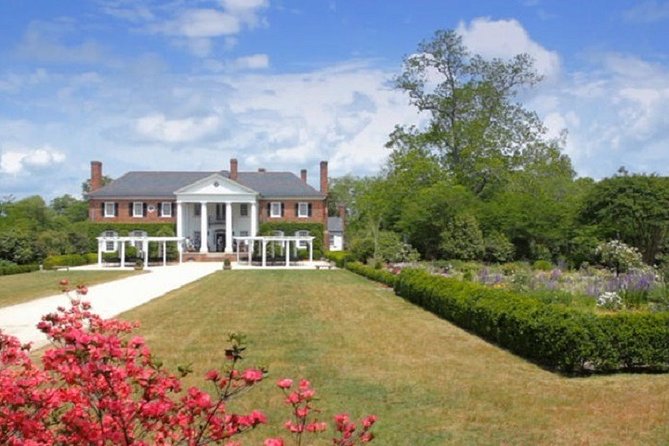
Boone Hall is not only a historic site. It is described as one of America’s oldest working, living plantations, and the property continues agricultural production, including strawberries, peaches, pecans, and other crops.
The self-guided garden walk lets you set your own pace. This is helpful after the more structured talks. You can take photos, look closely at the plantings, or simply enjoy the grounds without having to keep up with a guide.
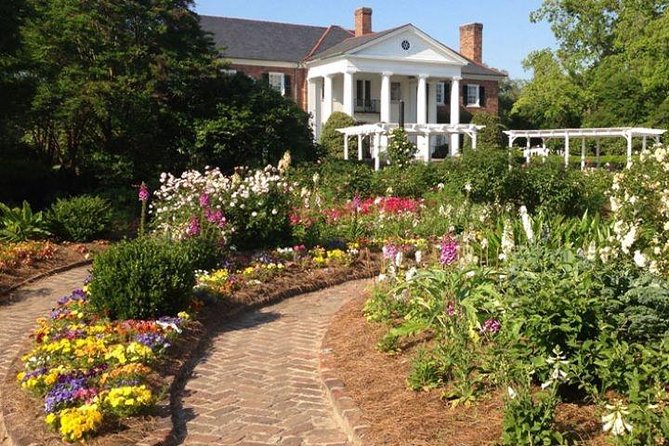
The rose garden is a particular stop, with bushes more than a century old. It offers a softer counterpoint to the cabins and slavery presentations. The flowers are attractive, but the older plantings also connect the gardens to the property’s later ornamental history.
The live oak avenue is likely to be more impressive than any single garden bed. It is the view that gives Boone Hall its sense of arrival, and it is worth seeing in both directions if your schedule allows.
The working aspect adds another layer. Boone Hall is not presented only as a preserved relic. Agriculture remains part of the property’s identity, even though the present-day operation is not the same as plantation farming in the era of slavery. A farm or property tour may be available, and some visitors consider it one of the best additions.
The tram tour, and why you should ask first
A seasonal plantation tram tour may operate during your visit. If available, it gives you a broader look at the property while a narrator explains what you are seeing.
Here is the practical catch: the tram or tractor does not necessarily stop at each attraction. It may circle the grounds while the story is told, rather than functioning as a shuttle between the house, cabins, gardens, and other stops.
That matters if you use a cane or find long walks difficult. One person joined the tram expecting it to provide stops at each landmark and found the arrangement disappointing. The property requires a moderate level of physical fitness, and the total walking can be substantial.
Ask staff exactly how the tram operates when you arrive. If the ride is available, it can be a pleasant way to see more of Boone Hall. Just do not count on it as point-to-point transportation unless staff confirms that option.
Fitting the major activities into three hours
You get about three hours at Boone Hall before boarding the bus back to Charleston. That sounds generous, but the property has enough scheduled attractions to make planning useful.
Start by checking the house tour time at the main building. A practical tip is to get that appointment first, then build the rest of your visit around it. Next, check the time for the Gullah presentation, since it is the feature least worth missing.
After those fixed events, use the remaining time for the cabins, gardens, rose garden, and any available tram or farm tour. You may not be able to attend every activity, especially if you stop for lunch or spend time taking photographs along the oak avenue.
Food and drinks are not included. Snacks and drinks can be purchased at the plantation, and there is a lunch spot with sandwiches and snacks near the Butterfly Building and horse stalls. If you want a relaxed meal, keep an eye on the clock. A quick purchase is easier to fit into a half-day schedule than a long break.
The pace is manageable for many people, but it is not a slow, all-day visit. Some people wish they had another 30 to 60 minutes. If you prefer to examine every exhibit carefully, a car and a separate visit may give you more freedom than this transfer package.
Is $82 a fair price?
At $82 per person, the price includes admission, the house tour, the Gullah theater presentation, access to the historic cabins and gardens, an air-conditioned bus, and round-trip transportation from central Charleston.
That is a solid value if you do not have a car. A taxi or rideshare to a property outside the city can add cost and uncertainty, while this package gives you a set departure and return. You also get a professional driver and some local history during the ride.
The value is less clear if you already have a car and want a full day at Boone Hall. The fixed four-and-a-half-hour schedule limits your time, and some seasonal features may not be available. You are paying for convenience and a guided framework, not unlimited time on the property.
The small-group limit is another plus. The maximum is listed as 25 people, while the experience is often described as a group of about 15. That is small enough to make boarding and meeting up fairly simple, though the individual presentations at Boone Hall may have their own audience sizes.
Heat, walking, and other practical matters
Bring water, especially for a midday departure in warm weather. The bus is air-conditioned, but much of the plantation visit takes place outdoors, and several areas are reached on foot.
Wear comfortable shoes. The grounds are spread out, and the property’s attractions are not all beside the main house. Moderate physical fitness is recommended, and the tram should not be treated as a guaranteed mobility service.
Service animals are allowed. The plantation is near public transportation, but the tour itself begins and ends at the Charleston Visitor Center rather than at individual hotels. Allow enough time to reach 375 Meeting Street before departure.
A mobile ticket is provided, and the experience is offered in English. The tour requires good weather and a minimum number of participants. If poor weather or low enrollment cancels the trip, you can receive a different date or experience, or a full refund. Standard cancellation gives you a full refund if you cancel at least 24 hours before the start time. Within 24 hours, the payment is not refunded.
Who should book Boone Hall from Charleston?
I would recommend this tour to you if you want a convenient half-day outing, do not have a car, and want more than a mansion photo. The combination of cabins, Gullah culture, gardens, and transport gives you a broad introduction to Boone Hall without requiring a full day.
It is especially suitable for first-time visitors to Charleston who want plantation history with a clear place for slavery and African American culture. Families, couples, and small groups can all manage the format, provided everyone is comfortable with walking and outdoor heat.
I would be more cautious if you want an original colonial house, a slow agricultural tour, or a fully accessible shuttle between every attraction. The house is modern, the tram may not stop at landmarks, and the schedule can feel compressed.
Should you book it?
Book this experience if the Gullah presentation and slave cabins matter as much to you as the house and oak avenue. Those elements give Boone Hall more substance than a pretty plantation backdrop.
Skip it if you mainly want an original 17th-century mansion or unlimited time to explore. For most people seeking an efficient Charleston history outing, though, the $82 package makes sense, particularly without a car. Prioritize the Gullah program, confirm the house appointment on arrival, ask about the tram, and save time for the oak-lined entrance and rose garden.
FAQ
Where does the tour begin and end?
It begins and ends at the Charleston Visitor Center, 375 Meeting Street, Charleston, South Carolina. Hotel pickup and drop-off are not included.
How long is the experience?
The full experience lasts about four hours and 30 minutes. The visit at Boone Hall itself lasts about three hours, with roughly 30 to 45 minutes of driving each way.
What is included in the $82 price?
The price includes plantation admission, gate fees, transportation by air-conditioned bus, a professional driver, the guided house tour, historic slave cabins, self-guided garden access, the Gullah theater presentation, and a tram tour when available.
Is the Boone Hall house original to the plantation?
No. The plantation site dates to 1681, but the present house is less than 100 years old and was not built during the Civil War era.
Is the Gullah presentation offered on every tour?
The Gullah presentation is seasonal. You should confirm its availability for your date before booking if it is a main reason for your visit.
Is the tram included?
A seasonal tram tour may be available. It is included when offered, but availability is not guaranteed. The tram may tour the grounds without stopping at every attraction.
How much walking is involved?
The property requires a moderate level of physical fitness, and you should expect a lot of walking between the house, cabins, gardens, and other areas. Bring water and wear comfortable shoes.
Can I cancel for a full refund?
Yes, if you cancel at least 24 hours before the experience starts. Cancellations or changes made less than 24 hours in advance are not refunded. If bad weather or insufficient enrollment cancels the tour, you can choose a different date or experience, or receive a full refund.
Recently added around Charleston
- Charleston: Downtown Horse-Drawn Carriage Tour★ 4.8 · 459 reviews
- Charleston Horse & Carriage Historic Sightseeing Tour★ 4.5 · 460 reviews
- Charleston Ghosts of Liberty Guided Walking Tour★ 4.5 · 473 reviews
- Charleston Ghost & Dungeon Night-Time Walking Tour with Entry to Provost Dungeon★ 4.0 · 479 reviews
- Charleston Haunted Jail Night-Time Walking Tour with Admission to Old City Jail★ 4.5 · 570 reviews
- Charleston Harbor Luxury Dinner Cruise with Live Music★ 4.0 · 607 reviews
- Afternoon Schooner Sightseeing Dolphin Cruise on Charleston Harbor★ 4.5 · 620 reviews
- Charleston: Sightseeing Harbor Tour & Dolphin Watch★ 4.5 · 649 reviews
Plantation Tours, compared.
Swamp Boat Ride and Oak Alley Plantation Tour from New Orleans
Read our review →
Oak Alley Plantation Tour with Transportation from New Orleans
Read our review →
Boone Hall Plantation All-Access Admission Ticket
Read our review →
Whitney Plantation Tour with Transportation from New Orleans
Read our review →
Airboat and Plantations Tour with Gourmet Lunch from New Orleans
Read our review →
Bayou Swamp Tour and Oak Alley Plantation Tour
Read our review →
Oak Alley Plantation & Airboat Swamp Combo Tour
Read our review →Browse the lists this tour appears in