
Reviewed · PLANTATION TOURS
Boone Hall Plantation All-Access Admission Ticket
The oak avenue is only the beginning. Boone Hall offers a broad look at a South Carolina plantation, from its striking entrance and gardens to its working farm, slave cabins, Gullah culture presentation, and first-floor house tour. I especially like the chance to move around the property at your own pace, and the Gullah presentation and Black History in America exhibit give the visit more weight than a simple house-and-gardens outing.
The main drawback is that the mansion is not the original Boone Hall house. It dates to the 1930s, and the guided visit covers only a small number of rooms. Price also deserves a careful look, since the listed online rate is $36.50 per person, while several visitors found lower senior or gate prices at the plantation.
In This Review
- Key points to know before you go
- Arriving along the Avenue of Oaks
- How the $36.50 ticket earns its keep
- The first-floor house tour and its limits
- The nine cabins and the Black History in America exhibit
- The Gullah culture presentation
- The tractor ride across the property
- Gardens, wildlife, stables, and the gin house
- What the guides add to the day
- Building a three-hour or four-hour visit
- Who will enjoy Boone Hall most
- Should you book the all-access ticket?
- FAQ
- How much does the Boone Hall all-access ticket cost?
- How long should I plan to spend at Boone Hall?
- What does the all-access admission include?
- Is the plantation house original?
- How many rooms are included in the house tour?
- Does Boone Hall address slavery?
- Is the Gullah presentation included?
- Does the tractor tour operate in all weather?
- When is Boone Hall open?
- Can I cancel for a refund?
Key points to know before you go
- Walk beneath the Avenue of Oaks: The long approach lined with massive live oaks is Boone Hall’s most memorable visual feature and a fine opening to the visit.
- Make time for the Gullah presentation: This is one of the strongest parts of the experience, offering cultural context that the house tour alone cannot provide.
- Visit all nine slave cabins: The Black History in America exhibit uses original cabins to address slavery and the lives of the people who lived and worked here.
- Expect a 1930s mansion: The home is handsome and furnished, but it is not the original plantation house and the tour is limited to the first floor.
- Plan on three to four hours: The property includes the house, cabins, gardens, tractor ride, stable tour, gin house museum, talks, and open grounds.
- Check the price before booking: The package can be good value if you use most inclusions, but direct admission may cost less than the online rate in some cases.
Arriving along the Avenue of Oaks
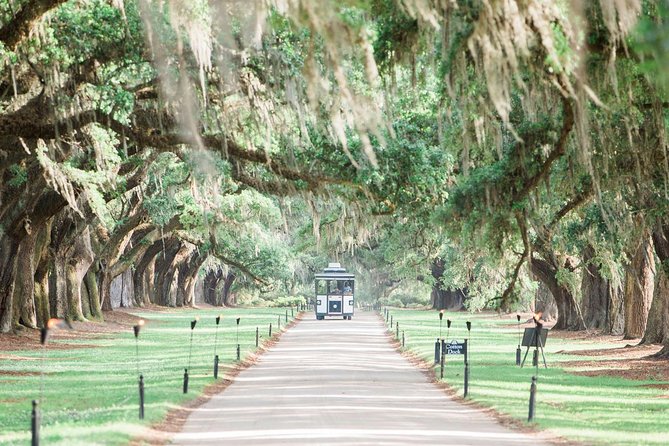
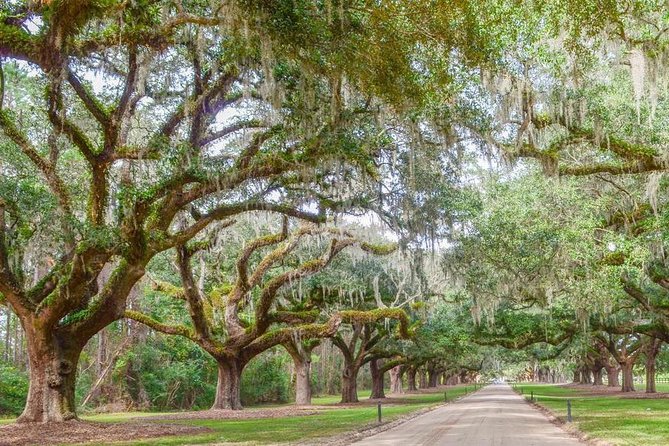
Boone Hall’s entrance sets a high bar. The world-famous Avenue of Oaks leads toward the plantation through a long corridor of mature trees. It is the sort of approach that makes you slow down, look out the window, and reach for your camera before you have even parked.
That grand entry can also shape expectations. Boone Hall looks like the classic Southern plantation people picture from films and postcards, but the visit is more complicated than its postcard view. The property is preserved and carefully maintained, yet it also functions as a working farm. You will see gardens, animals, agricultural activity, open grounds, and historic buildings rather than one frozen scene from the past.
Free parking is included, and the site is near public transportation. A taxi from Charleston is possible, though the property sits outside the city center, so plan your timing carefully if you are not driving. The listed opening schedule is Monday through Saturday, 9:00 a.m. to 5:00 p.m. The supplied information does not list Sunday hours, so check before setting out.
More plantation tours:
- Magnolia Plantation Admission & Tour with Transportation from Charleston
★ 4.5 · 836 reviews - Boone Hall Plantation Admission & Tour with Transportation from Charleston
★ 4.5 · 455 reviews - Swamp Boat Ride and Oak Alley Plantation Tour from New Orleans
★ 5.0 · 3,303 reviews
How the $36.50 ticket earns its keep
The all-access ticket is priced at $36.50 per person in the supplied details. That sounds reasonable if you plan to use the full package, since one admission includes the plantation house, slave cabins, garden areas, tractor tour, history presentation, Gullah presentation, stable tour, gin house museum, and general access to the grounds.
The value depends on your pace. If you stay only long enough to walk the oak avenue, see the house, and take a few photos, the ticket may feel expensive. If you give Boone Hall three or four hours and attend several presentations, the cost makes more sense.
Price comparison is important here. Some visitors paid about $38 online for senior admission while finding an official senior price of $27 at Boone Hall. Another visitor noted a $29 adult gate price. Those amounts may change, but they show why I would compare the plantation’s direct price with the online rate before paying. Online booking is useful for confirmation and convenience, but it is not automatically the cheapest choice.
The experience offers free cancellation up to 24 hours before the start time. Changes or cancellations inside that window are not refundable, and poor weather can lead to a new date or a full refund. Since the tractor tour is weather dependent, a rainy forecast can affect more than comfort.
The first-floor house tour and its limits
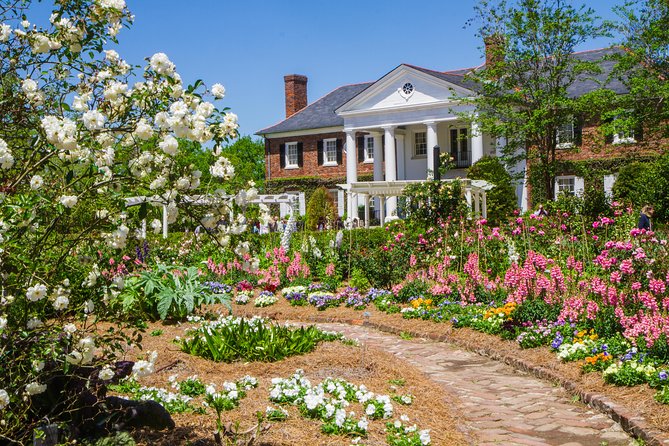
The guided house tour gives you a look at the first floor of Boone Hall’s main residence. You can expect furnished rooms that help explain the way the property was used, including the entrance, drawing room, dining room, breezeway, and game room. Guides discuss details such as the house layout, doors, furnishings, and the people connected with the residence.
The setting is attractive, and several visitors particularly enjoyed the decorated interior. Still, you should know what you are buying. The house was built in the 1930s, not during the plantation’s earliest period, and it was not owned by the Boone family in the way many first-time visitors might assume.
Only a limited number of rooms are open. That keeps the tour moving, but it can leave you wishing for more. Photography inside the house is restricted, which some visitors found frustrating. If your main goal is to see an original colonial plantation mansion, Boone Hall may disappoint.
I would treat the house as one chapter of the visit, not the whole reason to go. Its strongest role is to show the later presentation of the estate and contrast with the older cabins, gin house, trees, and agricultural areas outside.
The nine cabins and the Black History in America exhibit
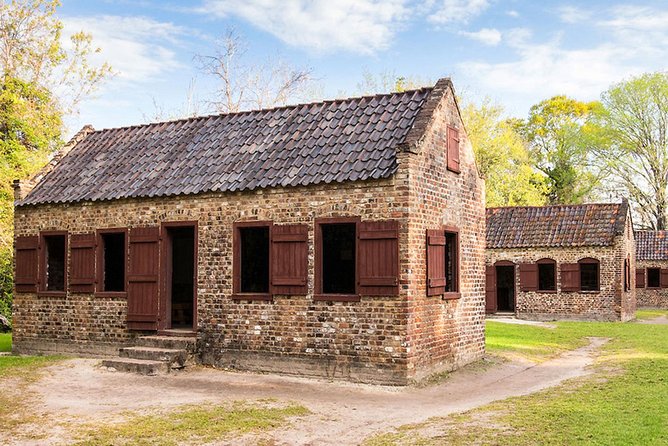
The slave cabins are the moral center of the visit. Boone Hall preserves nine original structures where enslaved people lived, and the Black History in America exhibit places information and displays inside those buildings.
This part deserves unhurried attention. The cabins are not just decorative outbuildings beside a grand house. They are direct reminders of the people whose labor made the plantation possible. The exhibits help shift the focus away from architecture and wealthy owners and toward work, control, family life, survival, and the cruelty of slavery.
The presentation can be emotionally difficult. I would not rush through it, and I would not treat it as a quick photo stop. Some of the historical interpretation connects the plantation’s brickmaking and building activity with the enslaved workforce. Imperfect bricks were used in the quarters, an especially stark detail because the buildings themselves carry evidence of the labor that produced the estate.
The strongest version of this visit is one that gives the cabins at least as much attention as the mansion. Boone Hall’s interpretation has received praise for addressing slavery directly, but it has also drawn criticism from people who wanted the subject treated as the main story rather than one section among many. Keep that difference in mind if you are visiting specifically for a detailed slavery-focused history tour.
A few more US trips worth a look
- Charleston’s Old South Carriage Historic Horse & Carriage Tour
★ 5.0 · 10,023 reviews - Historic Charleston Guided Sightseeing Walking Tour
★ 5.0 · 6,216 reviews - Haunted Evening Horse and Carriage Tour of Charleston
★ 4.5 · 3,678 reviews - Charleston Horse-Drawn Carriage Tour: Explore Historic Charleston
★ 5.0 · 3,561 reviews
The Gullah culture presentation
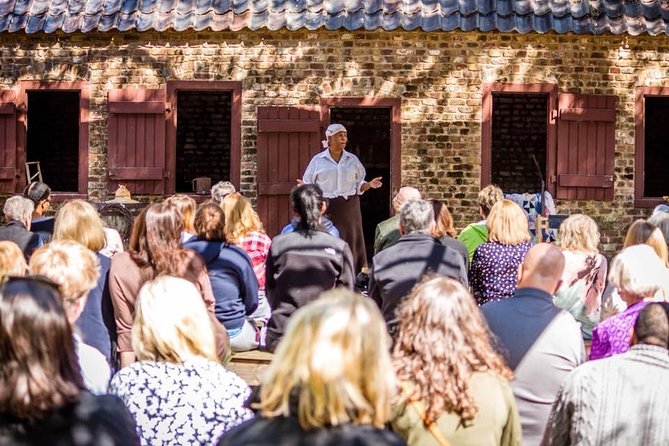
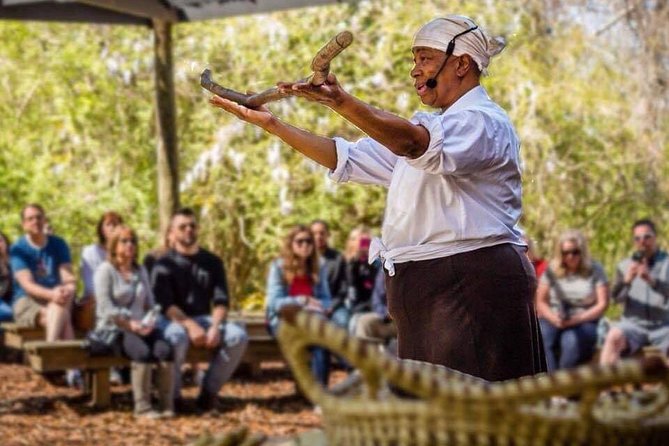
The live Exploring the Gullah Culture presentation is one of Boone Hall’s most valuable inclusions. Gullah culture developed among African Americans in the coastal South and carries distinctive traditions, language, foodways, storytelling, and connections to West Africa.
The presentation gives the visit a living cultural dimension. Instead of looking only at buildings and artifacts, you hear about people and traditions that continued beyond the plantation system. One presentation was described as being led by a seventh-generation Gullah speaker, a detail that adds personal and generational weight to the program.
If you can attend only one talk, I would make this a priority. Several visitors considered it the best part of the admission. It also helps balance the house tour, which can focus more on architecture and domestic life. Check the daily schedule when you arrive, since presentations and the stable tour may run at set times.
This is not a replacement for studying the full history of slavery in South Carolina. It is, however, a meaningful way to connect the site’s past with a culture that remains alive today.
The tractor ride across the property
The tractor tour gives you a wider view than you can get on foot. Weather permitting, the ride crosses the entire property and explains the plantation’s buildings, farm activity, grounds, and history.
I like this inclusion because Boone Hall covers enough space that a ride saves your legs and provides a useful overview early in the day. It also helps you understand how the different areas relate to each other. You may see agricultural sections, gardens, trees, buildings, and parts of the working farm that are easy to miss while walking.
The ride is not a private, custom tour. Its usefulness depends on the guide, weather, and timing. In rain, it may not operate, and a visitor who postponed the trip because of bad weather missed the wagon experience. If the ride matters to you, look at the forecast and ask about the day’s schedule before planning the rest of your visit.
I would take the tractor tour before exploring every corner on foot. It gives you a map in your head, then you can return to the places that interest you most.
Gardens, wildlife, stables, and the gin house
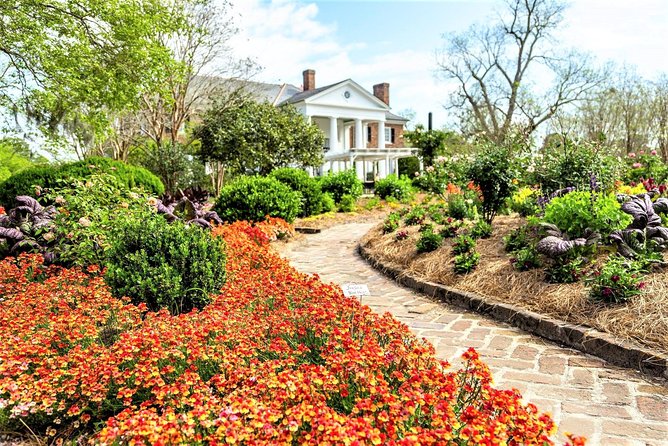
The Showcase of Color garden tour adds a lighter part to the day. The gardens provide seasonal color and a pleasant break after the more serious cabin exhibits. Spring and fall may be especially appealing, though the information provided does not guarantee specific blooms on a particular date.
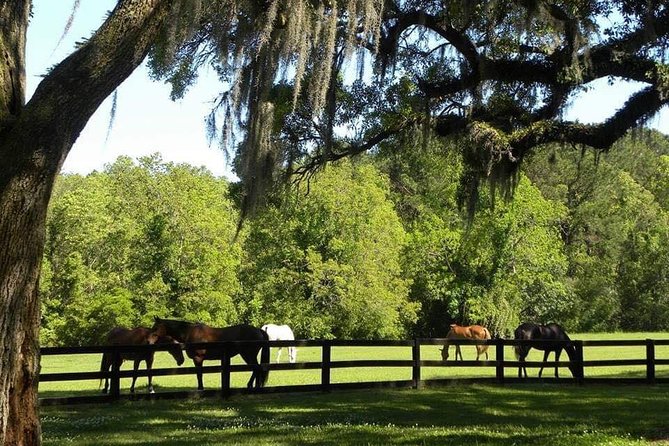
Boone Hall also includes beauty and wildlife viewing, along with access to stable areas. The new stable tour has limited times, so ask about its schedule on arrival. One visitor reached the stables when the tour was closed and could not wait another hour. That is a useful warning: an all-access ticket does not mean every activity runs continuously.
The gin house museum spans 300 years of history and adds another layer to the property. It helps show that Boone Hall is not only a mansion and tree-lined drive. The buildings reflect changing uses, labor systems, agricultural production, and preservation choices across a long period.
The property remains a working farm, which gives the visit more life than a purely staged historic site. You might see current activity alongside old structures. That mix can be appealing, though it also means Boone Hall may feel less like a perfectly preserved period village.
What the guides add to the day
The visit is divided among several talks and guided areas rather than one long tour. That format works well because you can move between scheduled presentations and independent exploring. Short talks, sometimes described as vignette presentations, appear at different locations around the grounds.
A strong guide can make a plain building memorable. The best presentations explain not just what a room or structure looks like, but why it matters and whose work supported it. The staff are often described as friendly, engaging, and well informed, and that human contact matters on a site where the subject can otherwise feel distant.
Quality can vary by guide and by the emphasis of each presentation. Some explanations may focus on architecture, crops, doors, furnishings, or later owners. Others may speak more directly about slavery and Gullah culture. If you want the fullest historical picture, attend the cabin exhibit and Gullah talk rather than relying on the house tour.
Building a three-hour or four-hour visit
You can see the major areas in about two hours if you move quickly, but I would not recommend that pace. Three hours gives you time for the house, cabins, one or two presentations, gardens, and part of the grounds. Four hours is better if you want the tractor ride, stable area, gin house museum, and time to pause.
A practical order might look like this:
- Start with the schedule and find the times for the Gullah presentation, tractor ride, and stable tour.
- Take the tractor ride early if weather permits.
- Tour the plantation house while the interior presentation is available.
- Spend quiet time in the nine cabins and Black History in America exhibit.
- Attend the Gullah presentation.
- Walk through the gardens, stable area, and gin house museum.
- Leave time for the Avenue of Oaks and open grounds at an unhurried pace.
Food options include a sandwich and coffee area, useful if you plan to stay through lunch. The property is large enough that comfortable shoes, sun protection, and water make sense, though these basic items are not part of the ticket.
Who will enjoy Boone Hall most
I would recommend Boone Hall to people who want several types of experience in one stop: architecture, gardens, a working farm, Black history, Gullah culture, and scenic grounds. Families can choose how much time to spend at each section, and students may find the site useful because the subject is presented through buildings, exhibits, talks, and guided interpretation.
It also suits anyone who wants a flexible visit. You are not locked into one continuous group tour. You can attend scheduled programs, then walk around independently.
I would be more cautious if your main interest is an original antebellum mansion. The current house is from 1930s, the tour covers only the first floor, and the interior visit is fairly short. I would also look elsewhere if you want a site devoted almost entirely to the history of slavery. Boone Hall addresses slavery, but the property also gives substantial attention to gardens, architecture, crops, horses, and its continuing farm operation.
For an African American visitor, the cabins and Gullah presentation may carry particular personal and emotional meaning. The site can prompt reflection and remembrance, but it is worth arriving prepared for a serious subject rather than a purely scenic afternoon.
Should you book the all-access ticket?
Yes, if you will stay long enough to use the full package. The Gullah presentation, cabin exhibit, tractor ride, gardens, gin house museum, and house tour together create a substantial half-day visit. The oak avenue and grounds are beautiful, but the strongest value comes from the combination of scenic appeal and historical interpretation.
Before booking, compare the online price with Boone Hall’s direct admission rate, especially if you qualify for senior pricing. Confirm the day’s presentation times, check the weather, and allow at least three hours. If you do that, Boone Hall is a worthwhile Charleston-area outing, provided you understand that the mansion is a later house and that the site presents both plantation beauty and the painful history of enslavement.
FAQ
How much does the Boone Hall all-access ticket cost?
The listed price is $36.50 per person. Prices may differ at the plantation entrance or for senior admission, so compare rates before booking.
How long should I plan to spend at Boone Hall?
The visit takes approximately two to four hours. Allow closer to four hours if you want to attend presentations, take the tractor ride, see the cabins, visit the gardens, and explore the stable and gin house museum.
What does the all-access admission include?
It includes the Avenue of Oaks, first-floor plantation house tour, Black History in America exhibit, tractor tour when weather permits, history presentation, Gullah culture presentation, garden tour, beauty and wildlife viewing, stable tour, gin house museum, and free parking.
Is the plantation house original?
No. The current house was built in the 1930s and is not the original Boone Hall house. The guided tour covers selected rooms on the first floor.
How many rooms are included in the house tour?
The tour includes a limited selection of first-floor areas, including the entrance, drawing room, dining room, breezeway, and game room. The exact number open during a visit may vary.
Does Boone Hall address slavery?
Yes. Nine original cabins where enslaved people lived contain the Black History in America exhibit, and presentations discuss the history of enslaved people and the plantation.
Is the Gullah presentation included?
Yes. The live Exploring the Gullah Culture presentation is included with all-access admission.
Does the tractor tour operate in all weather?
No. The tractor tour operates weather permitting. Poor weather may also lead to cancellation or a change of date for the overall experience.
When is Boone Hall open?
The listed hours are Monday through Saturday, 9:00 a.m. to 5:00 p.m. The provided information does not list Sunday hours.
Can I cancel for a refund?
You can cancel at least 24 hours before the experience start time for a full refund. Cancellations or changes made less than 24 hours before the start time are not refunded. If poor weather causes the experience to be canceled, you can receive a different date or a full refund.
Recently added around Charleston
- Boone Hall Plantation Admission & Tour with Transportation from Charleston★ 4.5 · 455 reviews
- Charleston: Downtown Horse-Drawn Carriage Tour★ 4.8 · 459 reviews
- Charleston Horse & Carriage Historic Sightseeing Tour★ 4.5 · 460 reviews
- Charleston Ghosts of Liberty Guided Walking Tour★ 4.5 · 473 reviews
- Charleston Ghost & Dungeon Night-Time Walking Tour with Entry to Provost Dungeon★ 4.0 · 479 reviews
- Charleston Haunted Jail Night-Time Walking Tour with Admission to Old City Jail★ 4.5 · 570 reviews
- Charleston Harbor Luxury Dinner Cruise with Live Music★ 4.0 · 607 reviews
- Afternoon Schooner Sightseeing Dolphin Cruise on Charleston Harbor★ 4.5 · 620 reviews
Plantation Tours, compared.
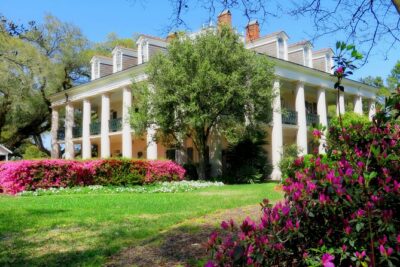
Swamp Boat Ride and Oak Alley Plantation Tour from New Orleans
Read our review →
Oak Alley Plantation Tour with Transportation from New Orleans
Read our review →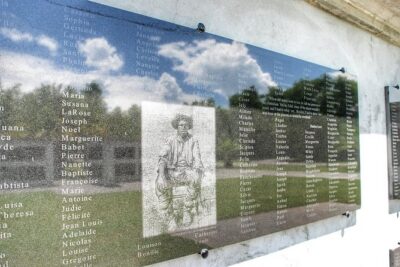
Whitney Plantation Tour with Transportation from New Orleans
Read our review →
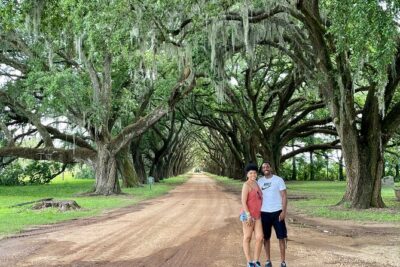
Airboat and Plantations Tour with Gourmet Lunch from New Orleans
Read our review →
Bayou Swamp Tour and Oak Alley Plantation Tour
Read our review →
Oak Alley Plantation & Airboat Swamp Combo Tour
Read our review →
Magnolia Plantation Admission & Tour with Transportation from Charleston
Read our review →Browse the lists this tour appears in