
Reviewed · PLANTATION TOURS
Whitney Plantation Tour with Transportation from New Orleans
History here is meant to unsettle you. The Whitney Plantation focuses on the lives of enslaved people, not romantic plantation myths, and its first-person accounts make that focus personal. I like the easy round-trip transport from the French Quarter and the freedom to explore with the official audio tour at your own pace. The main drawback is the limited time on site, plus the lack of food service at the plantation.
This is a serious half-day outing, not a light sightseeing stop. I also like the drive along the Mississippi River, where drivers such as Robert, Nicholas, Alton, and Dominique have added useful commentary about New Orleans, sugar plantations, food, and local landmarks. Just remember that the ride can take more than two hours altogether, and the schedule is approximate.
In This Review
- Key points to know before booking
- Why Whitney Plantation feels different
- Leaving New Orleans for River Road
- The Big House and Spanish Creole design
- Using the audio guide at your own pace
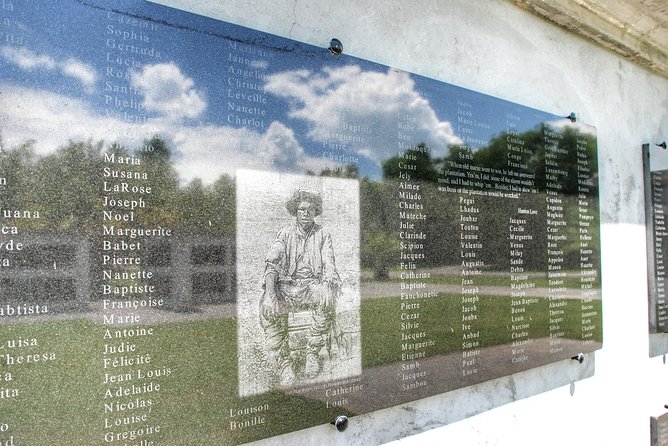
- First-person stories and memorials
- The optional swamp tour
- Food, comfort, and the practical details
- Is $89 a fair price?
- Who should book this experience?
- Should you book the Whitney Plantation tour?
- FAQ
- Where does the Whitney Plantation tour begin?
- Is hotel pickup included?
- How long does the tour last?
- Is the tour at Whitney guided by a staff member?
- Is food included?
- Can I add a swamp tour?
- What happens if I need to cancel?
Key points to know before booking
- A plantation visit centered on enslavement: Whitney presents Louisiana history through the lives, labor, suffering, and endurance of enslaved people.
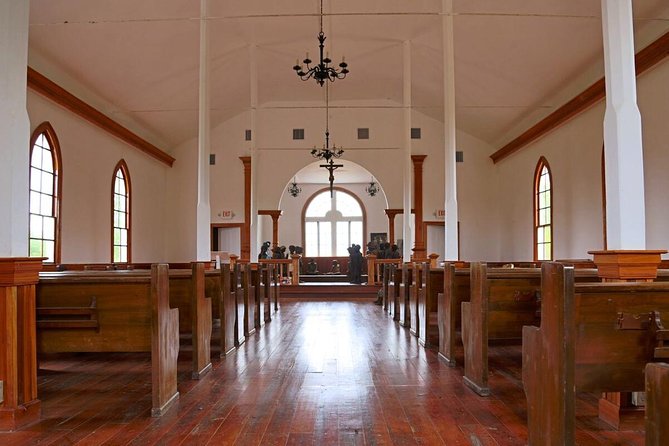
- Two hours at the site: The visit includes the Big House, restored slave cabins, memorials, exhibits, and audio stops, but you will need to keep moving.
- French Quarter departure: Meet at the Gray Line New Orleans Lighthouse Ticket Office, 400 Toulouse Street, near the Steamboat Natchez Dock.
- Useful narration on the bus: The driver is not always a formal plantation guide, but many drivers provide a worthwhile introduction to New Orleans and River Road.
- Optional 90-minute swamp tour: You can choose an upgrade that adds a pontoon boat trip to the day.
- Bring food and water: Whitney has a shop and snacks for purchase, but no full food service is provided.
Why Whitney Plantation feels different
Along Louisiana’s River Road, plantation visits can easily become a parade of grand houses, oak trees, and polished stories about wealthy owners. Whitney takes another route. Its purpose is to help you understand slavery in Louisiana, with the people forced to work there at the center of the story.
That distinction matters. You will still see the Big House and the grounds, but they are not presented as pretty relics detached from the labor system that paid for them. The exhibits ask you to think about the people who raised children, planted and cut sugar cane, worked indigo fields, cooked, built, cleaned, and endured violence under slavery.
I find the use of first-person narratives especially important. The accounts come from interviews recorded through the Federal Writers’ Project, giving you the words and memories of formerly enslaved people rather than only the viewpoint of plantation owners or later historians.
The result is sobering. This is not the right outing if you want an easygoing afternoon of architecture and garden photos. It is a strong choice if you want to face a painful part of American history with care and attention.
More plantation tours:
- Swamp Boat Ride and Oak Alley Plantation Tour from New Orleans
★ 5.0 · 3,303 reviews - Oak Alley Plantation Tour with Transportation from New Orleans
★ 4.5 · 1,747 reviews - Laura Creole Plantation Guided Tour
★ 5.0 · 1,279 reviews
Leaving New Orleans for River Road
You begin at the Gray Line office at 400 Toulouse Street, at the French Quarter’s edge near the Mississippi River and the Steamboat Natchez Dock. Check in 15 minutes before departure. Hotel pickup is not included, so plan your route to the meeting point and allow time for city traffic and finding parking.
The air-conditioned vehicle is a real convenience. Driving yourself to Whitney is possible, but the organized transfer removes navigation, parking, and admission worries from the day. The group can reach as many as 55 people, so this is a shared coach experience rather than a small private excursion.
The route takes you out of New Orleans toward the Mississippi River plantations. You cross the Bonnet Carre Spillway, a major flood outlet for the river, and may get a broad view of Lake Pontchartrain along the way. The drive also passes plantations such as Evergreen, Felicity, and St. Joseph.
This part of the trip is more useful when the driver provides commentary. Several drivers have been praised for explaining New Orleans, plantation agriculture, local food, and landmarks along the route. Robert D. was singled out for giving a solid introduction to the city and plantation country, while Nicholas and Alton also added helpful narration during the drive.
That extra context can make the transfer feel like part of the outing rather than dead time. Still, the quality of the commentary depends on the driver and the day. One complaint involved a microphone that was difficult to hear, and you should not assume a full guided lecture every time. The formal experience at Whitney is self-guided.
The Big House and Spanish Creole design
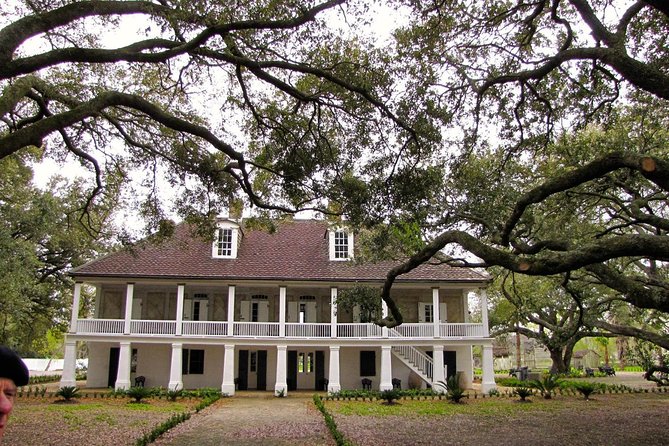
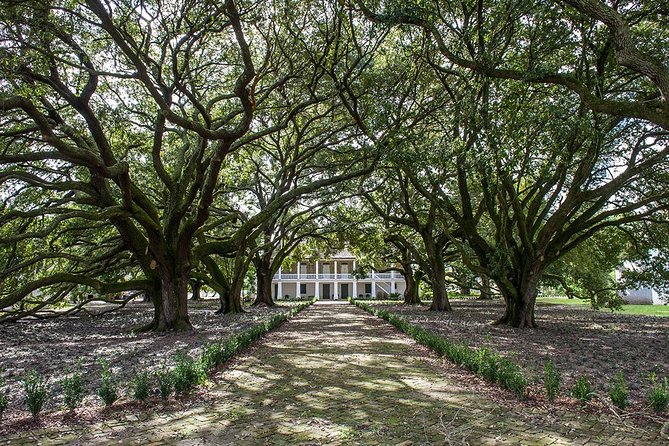
The Big House is one of the finest surviving examples of Spanish Creole architecture in Louisiana. It offers a chance to study the building itself, but Whitney does not let architecture become the whole story.
The house is tied to the plantation’s labor system and to the people who lived under it. As you move through the site, the audio guide and exhibits connect the house to the daily realities of enslaved workers. This gives the building a different weight than it might have on a conventional plantation tour.
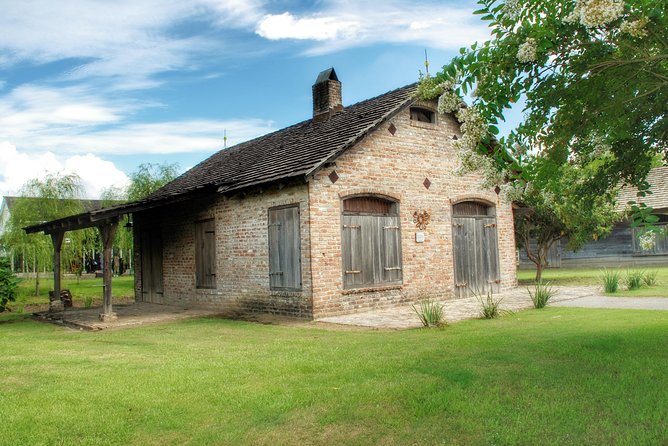
You will also see restored and original structures across the grounds. Some of the slave cabins remain from the plantation’s original 22 cabins. These are not background scenery. They help show the cramped and unequal conditions in which enslaved families were forced to live.
The grounds are maintained and carefully arranged, with sculptures, memorials, and interpretive displays helping you follow the story. The presentation is direct, and some sections can be emotionally difficult. Give yourself permission to pause. The self-guided format makes that possible.
Using the audio guide at your own pace
You can download the official Whitney Plantation app for the audio tour. The experience includes 14 points of interest, according to the tour information provided to visitors, and the app follows the site in a logical order.
I like this setup because people absorb difficult material at different speeds. You can stop longer at a testimony that affects you, move ahead when a group gathers nearby, or revisit an exhibit without trying to keep up with a live guide. The audio also lets the plantation speak through recorded accounts instead of turning the visit into a single person’s performance.
Some visitors use their own phone after downloading the app, while the plantation may also provide portable audio devices. Bring headphones if you prefer a quieter experience, though the supplied information does not specify whether they are required.
The two-hour site visit is enough to see the main areas, but it is not generous. One visitor suggested another 30 minutes would help. If you listen carefully to every stop, read the exhibits, and take time with the memorials, you will need to manage your pace.
I recommend arriving ready to focus. Comfortable walking shoes are important because parts of the route include uneven sidewalks and streets. In warm weather, choose light clothing and consider a hat, sunscreen, and an umbrella.
A few more US trips worth a look
- New Orleans Premier Ghost, Voodoo and Vampire Walking Tour
★ 4.5 · 12,856 reviews - New Orleans Steamboat Natchez Jazz Cruise with Dinner Option
★ 4.0 · 7,533 reviews - Adults-Only New Orleans Ghost, Crime, Voodoo, and Vampire Tour
★ 5.0 · 6,545 reviews - New Orleans Food Walking Tour of the French Quarter with Small-Group Option
★ 5.0 · 6,118 reviews
First-person stories and memorials
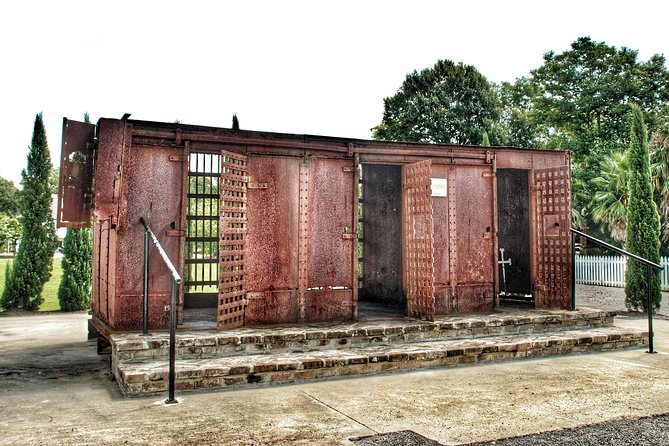
The most powerful part of Whitney is its attention to individual lives. The Federal Writers’ Project interviews give voice to formerly enslaved people, and the audio material helps connect broad historical facts to daily experience.
You learn about work, family life, childhood, punishment, separation, and the long effects of slavery. The subject is not confined to the years before emancipation. The plantation also addresses the ongoing trauma and legacy of slavery, which helps you understand why this history still shapes American life.
The memorials and exhibits add a visual and physical dimension. Instead of only reading dates and names, you move through the actual setting where these systems operated. That can make the information harder to dismiss or keep at a safe distance.
I would plan more emotional energy than you might expect from a five-hour coach trip. Whitney is not designed to entertain you at every turn. Its value comes from its honesty and its willingness to center people who were often left out of plantation storytelling.
Photography is generally allowed, although flash and video are restricted in some locations. Follow the instructions given on site, especially inside buildings and exhibit areas.
The optional swamp tour

The 90-minute pontoon swamp tour is an optional upgrade. It changes the character of the day by adding a boat ride to the plantation visit.
The swamp trip is not a substitute for Whitney. If your main reason for booking is to learn about slavery in Louisiana, give the plantation your full attention first. If you have enough time and want a second type of Louisiana experience, the boat ride can add variety.
One combined outing was praised for its swamp guide, Ethan, who brought a lively spirit to the boat portion. That is a sharp contrast to Whitney’s quiet, serious tone, and some people may appreciate the change after the museum visit.
Scheduling deserves care. The listed Whitney visit is about two hours, while the overall experience runs approximately 5 hours and 25 minutes, including transportation. The timing can shift, and adding the swamp tour may make the day longer or alter the order of stops. Check the exact option and schedule when booking.
Do not choose the upgrade simply because it sounds like a better deal. Choose it if you want both a difficult historical visit and a recreational boat ride in one day.
Food, comfort, and the practical details
Food is not included. Whitney does not provide a full meal service, although a shop and snacks are available for purchase. Several people have found the day long and wished they had brought something to eat.
Pack a lunch or substantial snacks for the ride. Confirm that your food is allowed on the vehicle, but the tour information specifically notes that snacks are welcome during transit. You should also bring water, particularly in warmer months.
The coach is air-conditioned, which helps during the drive and provides a cool break from the grounds. Wear clothes suited to walking outdoors rather than dressing for a formal house museum. The site includes uneven areas, and some sections are accessible only by stairs.
The plantation is described as handicap accessible, but you need to note any requirements at checkout so an appropriate vehicle can be arranged. Since portions of the property are reached by stairs, ask about the specific route if mobility is a concern.
The meeting point has nearby public parking on Decatur Street. Jax Lot P401 at 500 Decatur Street is the closest named option, and parking is charged by the hour. Some lots use automated payment kiosks, so do not arrive at the last minute.
Is $89 a fair price?

At $89 per person, the base price includes round-trip transportation from central New Orleans, admission to Whitney Plantation, and the audio tour. For anyone without a car, that is a sensible package. You are paying for the transfer as much as the ticket, and being dropped near the entrance removes a fair amount of hassle.
The value is strongest if you would otherwise need to rent a car or arrange a costly taxi or rideshare for a long trip outside the city. The coach also lets you look out at the River Road plantations instead of concentrating on directions.
The tradeoff is control. You have roughly two hours at Whitney, and the group leaves on the operator’s schedule. A self-guided visit by car could allow more time, but it would require you to arrange transportation and admission yourself.
The high overall rating, 4.6 from 1,351 ratings, reflects a generally strong experience. The most praised elements are the clean, comfortable shuttle, the driver’s local narration, and the plantation’s direct presentation of enslaved people’s lives. The weaker points are limited site time, occasional organization or audio issues, and no proper meal option.
If you value convenience and a serious historical visit, the price is reasonable. If you want a slow, quiet day with several hours to read every exhibit, the fixed schedule may feel tight.
Who should book this experience?
I would recommend it to you if you want to understand Louisiana beyond food, music, and architecture. It is especially suitable for first-time visitors who do not have a car and want a structured route to River Road.
Families can book it, but adults should prepare younger children for difficult material. The subject includes cruelty, forced labor, family separation, and long-term trauma. The self-guided format lets each person process the information at a personal pace, which helps.
Couples and solo visitors who prefer listening and reading independently may like this more than a live group lecture. History-minded visitors will appreciate the primary-source accounts and the focus on enslaved people rather than plantation glamour.
I would think twice if you dislike walking, need a flexible schedule, or want a light sightseeing outing. I would also avoid adding the swamp tour if you already know the historical portion will require all your attention.
Should you book the Whitney Plantation tour?
Yes, if you want an important and plainly presented account of slavery in Louisiana, especially without renting a car. The combination of transport, admission, and a self-guided audio tour is practical, and the drivers often make the road journey more useful with local background.
Book with realistic expectations. You get about two hours at Whitney, not an entire afternoon. Bring food, arrive early at the Toulouse Street meeting point, wear comfortable shoes, and download the app before or during the visit.
The swamp upgrade is a good choice for a longer day that mixes history with a pontoon ride. For the clearest and most focused experience, book the plantation portion alone and give Whitney the time and attention it deserves.
FAQ
Where does the Whitney Plantation tour begin?
It begins at the Gray Line New Orleans Lighthouse Ticket Office at 400 Toulouse Street, near the Steamboat Natchez Dock in the French Quarter.
Is hotel pickup included?
No. You must make your way to the central New Orleans meeting point. The experience ends at the same location.
How long does the tour last?
The full experience takes approximately 5 hours and 25 minutes, including transportation. The schedule is approximate, and about two hours are allocated to exploring Whitney Plantation.
Is the tour at Whitney guided by a staff member?
The plantation visit is self-guided. You can use the Whitney Plantation app for the audio tour, and the site may provide portable audio devices. The bus driver may provide commentary during the journey.
Is food included?
No. Food and drinks are not included. Snacks are available for purchase, but Whitney does not provide full food service, so bringing food is a sensible choice.
Can I add a swamp tour?
Yes. You can upgrade to include a 90-minute pontoon swamp tour. Check the selected option because the added activity may affect the day’s schedule.
What happens if I need to cancel?
You can receive a full refund if you cancel at least 24 hours before the experience begins. Cancellations or changes made within 24 hours are not refunded or accepted. If poor weather or an insufficient number of bookings causes the operator to cancel, you will be offered another date or experience, or a full refund.
Recently added around New Orleans
- New Orleans French Quarter Photo Shoot★ 5.0 · 462 reviews
- New Orleans: 2-Hour Ghosts & Vampires Walking Tour★ 4.5 · 465 reviews
- New Orleans: Sunday Steamboat Jazz Cruise + Optional Brunch★ 4.3 · 470 reviews
- Garden District Home and History Walking Tour★ 5.0 · 470 reviews
- New Orleans Jazz History and Music Walking Tour★ 4.5 · 477 reviews
- New Orleans: Garden District Tour★ 4.8 · 480 reviews
- Small-Group Manchac Swamp Kayak Tour with Local Guide★ 5.0 · 480 reviews
- New Orleans: Voodoo Queen Tour of French Quarter★ 4.7 · 482 reviews
Plantation Tours, compared.

Swamp Boat Ride and Oak Alley Plantation Tour from New Orleans
Read our review →
Oak Alley Plantation Tour with Transportation from New Orleans
Read our review →
Boone Hall Plantation All-Access Admission Ticket
Read our review →
Airboat and Plantations Tour with Gourmet Lunch from New Orleans
Read our review →
Bayou Swamp Tour and Oak Alley Plantation Tour
Read our review →
Oak Alley Plantation & Airboat Swamp Combo Tour
Read our review →
Magnolia Plantation Admission & Tour with Transportation from Charleston
Read our review →Browse the lists this tour appears in