
Reviewed · PLANTATION TOURS
Laura Creole Plantation Guided Tour
History comes alive along the Mississippi. Laura Plantation gives you a close look at Louisiana Creole life through a furnished manor, original slave cabins, gardens, and family records. I like the way the tour includes both the plantation owners and the enslaved people who built and maintained the estate. I also appreciate the clear focus on Creole culture, rather than presenting the property as just another grand Southern house.
The main drawback is getting there. Laura Plantation is about an hour from New Orleans, and there is no hotel pickup or drop-off. If you need to hire transportation, the ride can cost more than the $32.06 tour itself. I would also allow time outdoors in heat, rain, or other changing weather.
In This Review
- Key points before you book
- Why Laura Plantation is different from a grand mansion tour
- The drive from New Orleans takes planning
- Entering the 24,000-square-foot Maison Principale
- The slave cabins provide the tour’s needed balance
- Gardens and sugar fields add the working context
- Creole culture is more than a label
- Guide quality and group size shape the visit
- Is $32.06 a fair price?
- Access, weather, and practical comfort
- Who will enjoy Laura Plantation most?
- Should you book Laura Plantation?
- FAQ
- How far is Laura Plantation from New Orleans?
- How much does the guided tour cost?
- How long does the tour last?
- Is transportation from New Orleans included?
- What parts of Laura Plantation are included?
- Is the tour offered in English?
- Is Laura Plantation accessible to wheelchair users?
- Does the tour operate in bad weather?
- Can I cancel for a full refund?
Key points before you book
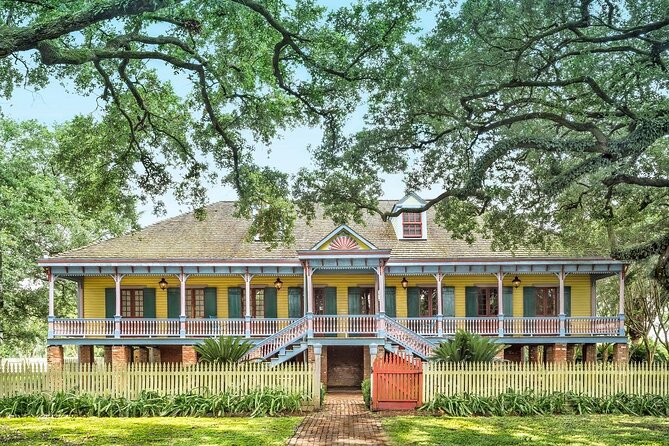
- Four generations of one Creole family: The story follows the Duparc family from the plantation’s founding in 1804 through later generations, including Laura Locoul.
- Original 1840s slave cabins: These provide an important counterpoint to the furnished main house and help show the sharp gap between free and enslaved life.
- A serious treatment of slavery: The tour addresses slavery in French colonial and American Louisiana, though some people may want still more detail about daily life for enslaved workers.
- A compact, guided visit: The tour lasts about 1 hour and 10 minutes, with a maximum group size of 28.
- A drive along the Great River Road: You make your own way from New Orleans, following the Mississippi through plantation country.
- Strong overall value: The price is reasonable for a guided visit, especially if you are already driving the Great River Road or combining Laura with another plantation.
Why Laura Plantation is different from a grand mansion tour
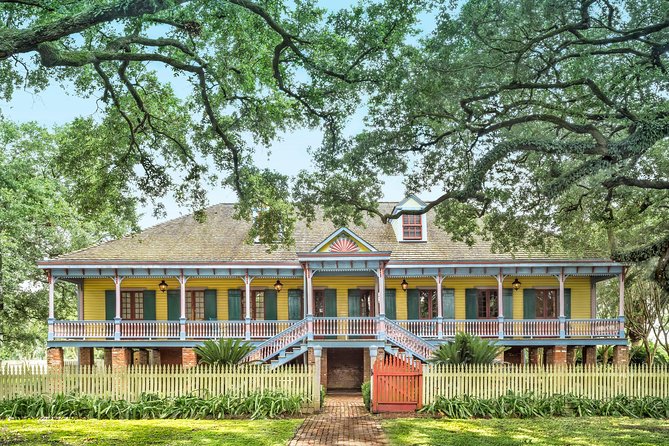
Laura Plantation is not simply a pretty house with antique furniture. Its value comes from the records and personal accounts that help connect the rooms to real people.
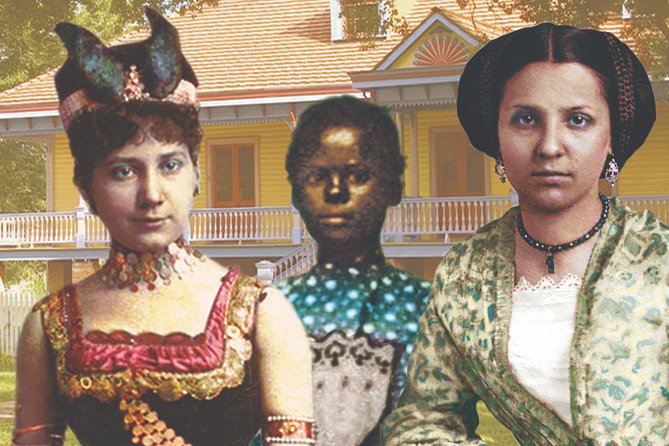
The plantation was founded in 1804 by the French-descended Duparc family. Four generations lived here, and much of the story comes from the memoir of Laura Locoul, a fourth-generation family member. Records found in the French National Archives add another layer to the account.
That documentation matters. Plantation tours can easily become a parade of architecture, gardens, and family names. At Laura, the guide uses surviving material to explain how the estate worked, how the family lived, and how enslaved people were forced to support that way of life.
I especially like that the tour presents free and enslaved people as part of the same story. That does not make their lives equal. It helps you see the plantation as a working system built on a strict and brutal division of power.
The site is listed on the National Register of Historic Places and the Louisiana African American Heritage Trail. Those designations do not replace a good guide, but they signal that Laura is being treated as a place of historical importance, not merely as a backdrop for photographs.
More plantation tours:
- Swamp Boat Ride and Oak Alley Plantation Tour from New Orleans
★ 5.0 · 3,303 reviews - Oak Alley Plantation Tour with Transportation from New Orleans
★ 4.5 · 1,747 reviews - Whitney Plantation Tour with Transportation from New Orleans
★ 4.5 · 1,351 reviews
The drive from New Orleans takes planning
Laura Plantation is at 2247 LA-18 in Vacherie, about an hour by car from New Orleans. The route follows the Great River Road along the Mississippi, so the drive forms part of the day rather than feeling like a quick city attraction.
You must arrange your own transportation. The plantation does not provide hotel pickup or drop-off, although it works with transportation operators for people who cannot drive themselves. Costs vary, and this is the practical issue that can change the value of the visit.
For one person or a couple, a hired ride can make a $32.06 admission feel surprisingly expensive. For a group sharing transportation, the numbers may work better. If you already have a car, Laura becomes a much easier recommendation.
Booking around 25 days ahead is common, so I would not leave your preferred date until the last minute. Booking ahead is especially sensible if your New Orleans schedule is tight or you want to visit another plantation along the same road.
Entering the 24,000-square-foot Maison Principale
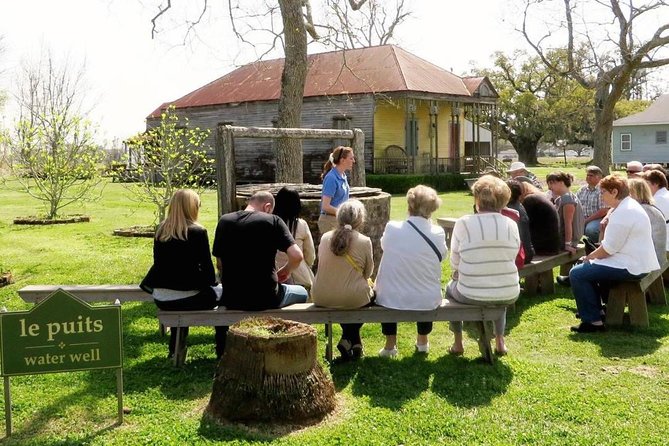
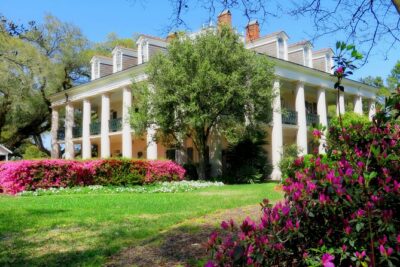
The guided visit includes the Maison Principale, or main house, which measures about 24,000 square feet, or 7,315 square meters. It is furnished and presented as the center of the family story.
The house helps you understand the social position of the owners and the way a wealthy plantation family organized its surroundings. Architecture is part of the tour, too. The layout, furnishings, and grounds show the public face of plantation life, while the guide explains the labor and wealth behind it.
Pay attention as you move through the rooms. The tour proceeds as a group, and you may not get a second chance to return for a closer look. One useful tip is to take in the overall room before focusing on individual objects, photographs, or building details.
Guides have received praise for making the family members feel like distinct people rather than a list of names. Amelia was described as a student of the period, while Joseph was praised for being both well informed and entertaining. Cameron was especially effective at connecting Creole culture with the experiences of both owners and enslaved people.
That variation is worth keeping in mind. Most guide feedback is strongly positive, but one small group found a guide too fast and difficult to understand. A different visitor praised that same guide, Pam, for explaining details carefully and adding humor. Your experience will depend partly on the guide leading your departure.
The slave cabins provide the tour’s needed balance
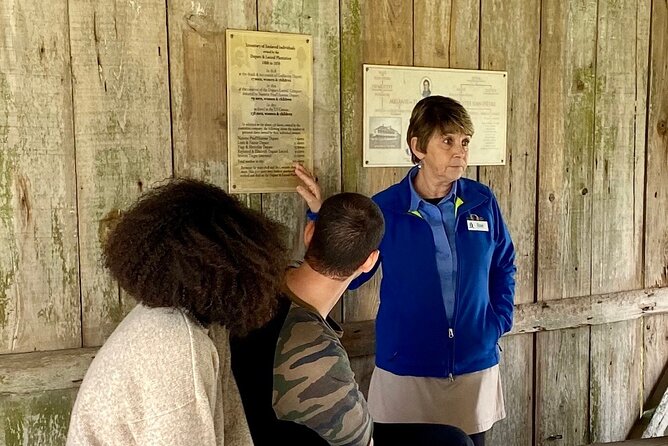
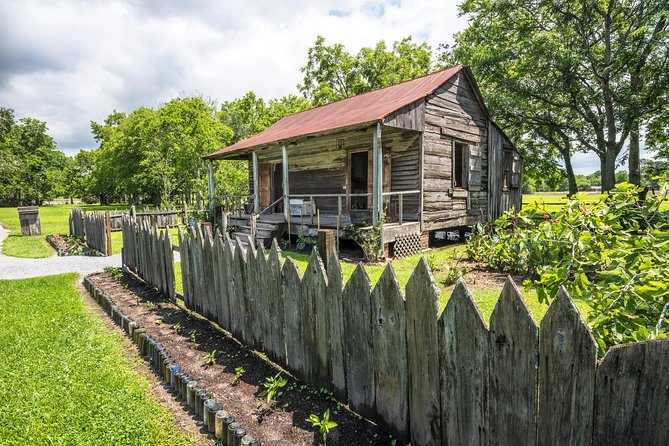
Laura includes original 1840s slave cabins. This is one of the most important parts of the visit because the cabins place the plantation economy in physical terms.
The main house can make plantation life seem polished and orderly. The cabins force you to consider the people who had little control over their work, movement, family life, or future. The tour discusses enslaved residents and the work that kept the plantation operating, while also addressing the contrast between their lives and those of the owners.
I would pay close attention here and ask questions. The tour is designed to explain slavery in both French colonial and American Louisiana through the end of the nineteenth century. Still, some visitors have wanted more detail about everyday life for enslaved people and the lives of their descendants.
That is a fair consideration. Laura’s surviving family records are valuable, but records created or preserved by plantation families cannot answer every question. The site is revising its interpretation to include more stories and experiences of enslaved people, including the reality of plantation life.
The result is a tour that does not pretend slavery was a side issue. It connects the plantation’s business, buildings, owners, and social order to forced labor. For me, that is essential. A pleasant garden or handsome house should never blur the human cost of the system that paid for it.
A few more US trips worth a look
- New Orleans Premier Ghost, Voodoo and Vampire Walking Tour
★ 4.5 · 12,856 reviews - New Orleans Steamboat Natchez Jazz Cruise with Dinner Option
★ 4.0 · 7,533 reviews - Adults-Only New Orleans Ghost, Crime, Voodoo, and Vampire Tour
★ 5.0 · 6,545 reviews - New Orleans Food Walking Tour of the French Quarter with Small-Group Option
★ 5.0 · 6,118 reviews
Gardens and sugar fields add the working context
The tour also includes the gardens and sugar fields. These areas help you move beyond the house and see Laura as an agricultural estate rather than a private residence.
The gardens are attractive, but their real value is explanatory. They help show how the property was organized and how the plantation functioned within Louisiana’s sugar economy. The fields also make the scale of the operation easier to imagine.
A portion of the tour takes place outdoors. Wear good walking shoes and dress for the weather. The tour operates in all weather conditions, and poor weather can affect comfort even when it does not cancel the visit.
The route may feel warm or tiring during a hot New Orleans day, so do not treat this as an entirely indoor museum visit. Drinks and snacks are available for purchase, but they are not included in the tour price.
Creole culture is more than a label
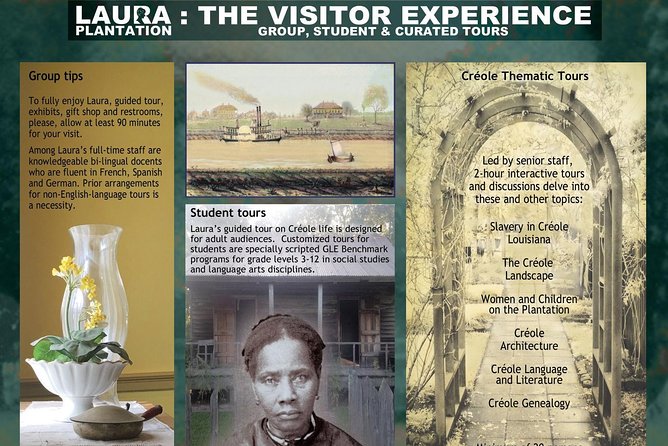
One of Laura’s strongest subjects is the meaning of Creole culture in Louisiana. The Duparc family was French-descended, and the tour follows the cultural influences that developed in Louisiana over more than 200 years.
You will hear about the people, customs, and social setting that shaped the plantation community. The word Creole has never had only one simple meaning, and Laura’s story gives you a more useful sense of its Louisiana context.
This is where a good guide makes a real difference. The best tours connect family history to the larger culture instead of treating Creole as a decorative word attached to the property. Pam, Lee, Caroline, Lindie, and other named guides have been praised for making the subject clear, personal, and engaging.
I would not expect a university lecture in 70 minutes. The experience is compact, and it must cover the house, cabins, gardens, family, slavery, and Creole identity. You will get a strong introduction, but the small museum and gift shop deserve attention if you want more context after the formal tour.
Guide quality and group size shape the visit
The maximum group size is 28, which keeps the tour fairly manageable without promising a private experience. Smaller departures can feel much more personal. One party of six had a private tour because no other people were booked, while other departures may be fuller.
The guide leads the entire experience in English, with tours also offered daily in French. The supplied tour details list English as the booking language, so confirm your preferred language when choosing a time.
I would ask questions during the tour, particularly about the plantation’s enslaved population, the sugar operation, the Duparc family, and the records used to tell the story. The highlights specifically encourage questions about Louisiana life during the period.
Guide style can vary. Many reports describe guides as friendly, clear, funny, and deeply prepared. A small number of people have found a guide rushed or hard to follow, especially when fans or outdoor noise interfere. If you cannot hear, speak up early. A good tour is of little use if you miss half the explanation.
Is $32.06 a fair price?
At $32.06 per person, the guided tour is fairly priced for a historic property with a furnished main house, original cabins, gardens, and a trained local guide. The 1-hour-10-minute duration is not long, but the visit covers several distinct parts of the estate.
The price makes the most sense when you value interpretation, not just access to the grounds. You are paying for the connections between the buildings and the people who lived and worked there. The guide is the main reason the visit has value.
Transportation is the wild card. Since hotel pickup is not included, a hired car or shuttle can add a large amount. One family found that transportation cost more than the tour and would have reconsidered the outing if they had known beforehand.
If you are driving, Laura is a good-value stop. If you are paying for a private ride from New Orleans, compare the total cost with a full-day plantation itinerary or shared transportation option.
Access, weather, and practical comfort
Most people can participate, and service animals are allowed. Only the ground floor of the main house is ADA accessible, so visitors who need full accessibility should contact the plantation before booking and clarify which parts of the route can be reached.
Because some of the tour is outdoors, good walking shoes are a smart choice. Dress for local conditions, since the experience operates in all weather unless the weather becomes poor enough to cause cancellation.
The meeting point and ending point are the same: Laura Plantation at 2247 LA-18, Vacherie. You can continue to other plantations along the Great River Road afterward, making Laura a useful part of a larger day out.
Free cancellation is available if you cancel at least 24 hours before the start time. Cancellations within 24 hours are not refunded, and changes inside that period are not accepted. If poor weather cancels the activity, you can choose another date or receive a full refund.
Who will enjoy Laura Plantation most?
I would recommend Laura to you if you want a guided historical visit that deals directly with slavery while also explaining Louisiana Creole culture and plantation business.
It suits:
- People interested in family records and personal stories
- Visitors who want to understand the difference between free and enslaved life
- Anyone driving the Great River Road
- Families with older children who can engage with difficult history
- Architecture and garden enthusiasts who also want social context
- Visitors looking for a shorter plantation tour rather than a full-day program
You may want more research time if your main interest is the detailed daily lives of enslaved people. The tour addresses that subject, but some visitors have wanted a larger museum component and more information about descendants.
I would also think twice if you have only a brief stay in New Orleans and no easy way to reach Vacherie. The drive is manageable, but transportation can become the costliest part of the day.
Should you book Laura Plantation?
Book it if you can drive or share transportation. Laura offers a thoughtful look at Creole Louisiana, with a furnished main house, original 1840s cabins, gardens, sugar fields, and a serious discussion of slavery.
The strongest part is the way the tour links four generations of the Duparc family to the enslaved people whose labor sustained the estate. Guides such as Cameron, Joseph, Lee, Caroline, and Lindie have been praised for making that history clear and human.
Keep your expectations realistic. The visit lasts about 70 minutes, guide styles differ, and some people will want more detail about everyday enslaved life. Even so, Laura is a worthwhile choice for a New Orleans day trip, particularly for anyone who wants more than a pretty plantation photograph.
FAQ
How far is Laura Plantation from New Orleans?
Laura Plantation is roughly an hour by car from New Orleans. The drive follows the Great River Road along the Mississippi.
How much does the guided tour cost?
The listed price is $32.06 per person.
How long does the tour last?
The guided experience lasts approximately 1 hour and 10 minutes.
Is transportation from New Orleans included?
No. Hotel pickup and drop-off are not included, and you must make your own way to the plantation.
What parts of Laura Plantation are included?
The tour includes the furnished Maison Principale, the gardens, and original 1840s slave cabins. It also discusses the sugar fields, the family, enslaved people, and Louisiana Creole culture.
Is the tour offered in English?
Yes. The tour is offered daily in English and French. The listed booking language is English.
Is Laura Plantation accessible to wheelchair users?
Only the ground floor of the main house is ADA accessible. Most people can participate, but visitors needing full accessibility should confirm details before booking.
Does the tour operate in bad weather?
The tour operates in all weather conditions, so you should dress appropriately. If the experience is canceled because of poor weather, you will be offered another date or a full refund.
Can I cancel for a full refund?
Yes, if you cancel at least 24 hours before the experience starts. Cancellations made less than 24 hours before the start time are not refunded.
Recently added around New Orleans
- New Orleans French Quarter Photo Shoot★ 5.0 · 462 reviews
- New Orleans: 2-Hour Ghosts & Vampires Walking Tour★ 4.5 · 465 reviews
- New Orleans: Sunday Steamboat Jazz Cruise + Optional Brunch★ 4.3 · 470 reviews
- Garden District Home and History Walking Tour★ 5.0 · 470 reviews
- New Orleans Jazz History and Music Walking Tour★ 4.5 · 477 reviews
- Small-Group Manchac Swamp Kayak Tour with Local Guide★ 5.0 · 480 reviews
- New Orleans: Garden District Tour★ 4.8 · 480 reviews
- New Orleans: Voodoo Queen Tour of French Quarter★ 4.7 · 482 reviews
Plantation Tours, compared.
Swamp Boat Ride and Oak Alley Plantation Tour from New Orleans
Read our review →
Oak Alley Plantation Tour with Transportation from New Orleans
Read our review →
Boone Hall Plantation All-Access Admission Ticket
Read our review →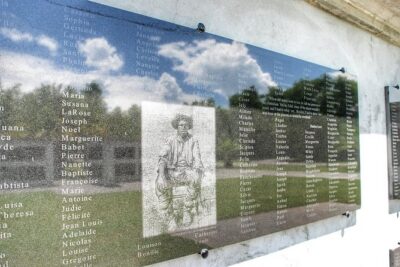
Whitney Plantation Tour with Transportation from New Orleans
Read our review →
Airboat and Plantations Tour with Gourmet Lunch from New Orleans
Read our review →
Bayou Swamp Tour and Oak Alley Plantation Tour
Read our review →
Oak Alley Plantation & Airboat Swamp Combo Tour
Read our review →
Magnolia Plantation Admission & Tour with Transportation from Charleston
Read our review →Browse the lists this tour appears in