
Reviewed · SIGHTSEEING CRUISES
Chicago Architecture River Cruise
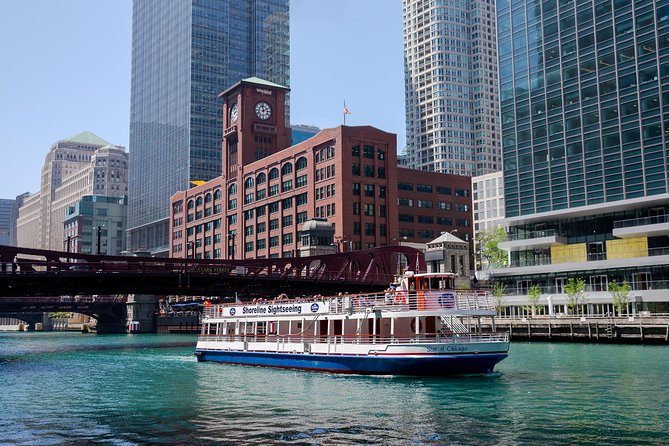
Chicago looks different from the water. This one-hour architecture cruise gives you a smart way to read the city, with famous towers rising directly from the riverbanks and an onboard guide explaining why they look the way they do. I especially like the excellent skyline views and the way the tour links architecture to Chicago’s Great Fire and balloon-frame construction.
I also like the choice of departure points, either Navy Pier or Michigan Avenue, plus the full restroom, bar, and dog-friendly policy. The main catch is weather: the river can feel very cold, and some passengers have found it hard to hear the guide when others talk or use their phones.
In This Review
- Key points to know before you board
- Why the Chicago River is the right place to begin
- What you see during the one-hour cruise
- Navy Pier adds a useful start or finish
- Michigan Avenue puts famous buildings within reach
- Wrigley Building and the story of Chicago’s rebuilding
- The Tribune Tower and its collection of stones
- John Hancock Center and Willis Tower
- Marina City and Chicago’s more playful side
- The guide can make or break the hour
- Seating, sound, and the best place to sit
- Cold-weather cruising requires real preparation
- Bar, snacks, and practical comfort
- Is $39 a fair price?
- Who should book this cruise?
- FAQ
- How long is the Chicago Architecture River Cruise?
- How much does the cruise cost?
- Where does the cruise depart?
- Does the cruise return to its starting point?
- Is commentary included?
- Is there a restroom on the boat?
- Can I buy drinks on board?
- Are dogs allowed?
- Can the boat type be guaranteed?
- What happens if bad weather cancels the cruise?
- My recommendation for the Chicago River cruise
Key points to know before you board
- Chicago from its best viewing angle: The river puts you close to major buildings while giving you enough distance to see their full shape.
- A short tour with a lot of ground covered: In about 60 to 90 minutes, the boat reaches multiple branches of the Chicago River.
- Strong guides make the difference: Guides such as Jim, Ashley, and Sam have been praised for clear explanations, humor, and lively storytelling.
- A good $39 use of sightseeing time: You see far more architecture than you could cover on foot in an hour.
- Dress for the river, not just the city: Autumn and winter departures can be chilly, even when the boat has indoor seating.
- Useful comforts on board: Restrooms, a full bar, drinks for purchase, and pet-friendly access make this easy to fit into a city day.
Why the Chicago River is the right place to begin
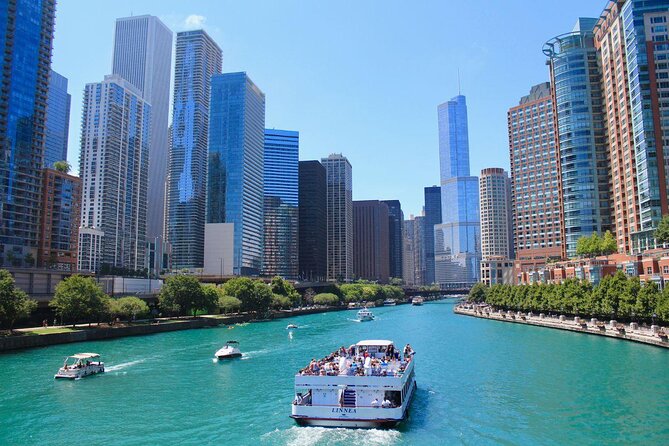
The Chicago River is not just a route for the boat. It is the viewing platform that makes this tour work. From street level, tall buildings can feel squeezed between traffic, sidewalks, and other towers. On the river, you get room to look up, across, and along the walls of buildings.
That change in angle matters. You can see how older stone towers meet modern glass buildings, how balconies repeat up a facade, and how the river corridors frame the downtown skyline. The boat also carries you through more than one part of the river, so the view keeps changing instead of turning into one long look at the same block.
The cruise begins at either Navy Pier or Michigan Avenue, depending on the option you select. Check the departure point carefully. One family missed the boat after finding the directions unclear, and that is an avoidable problem when you are new to Chicago.
The tour returns to its starting point. That makes it easy to pair with nearby sightseeing, but leave yourself enough time to reach the dock. You do not want a rushed walk through downtown to be the first part of your architecture lesson.
More Sightseeing Cruises in Chicago
- Chicago Architecture Center River Cruise aboard First Lady
★ 5.0 · 5,536 reviews - Chicago: Architecture River Cruise Skip-the-Ticket Line
★ 4.8 · 4,325 reviews - Chicago: 45-Minute Family-Friendly Architecture River Cruise
★ 4.7 · 2,304 reviews
What you see during the one-hour cruise
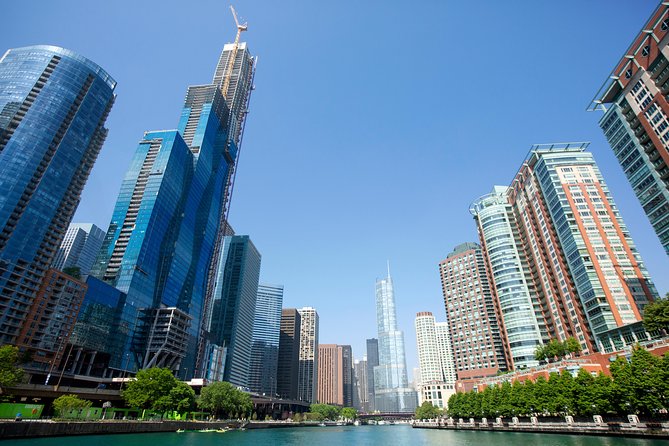
The route follows the Chicago River and gives you a broad look at the city’s building history. The exact boat can vary, and some boats are single-deck vessels, so the onboard setup is not guaranteed. All boats have a full restroom, and the boats also offer a full bar.
The guide begins with an introduction to the city’s landmarks and then points out buildings along the route. You hear about architects including Mies van der Rohe and Helmut Jahn, along with the ideas that shaped Chicago’s modern skyline.
The cruise is scheduled for about one hour to one hour and 30 minutes. From November 14, 2025 through April 2026, the tours are 60 minutes long. That shorter winter format still gives you a useful overview, but it leaves less time for lingering at each building.
A one-hour ride sounds brief, yet it is an efficient way to see a large part of downtown. Walking between all these buildings would take much longer, and street-level views do not give you the same clean sightline.
Navy Pier adds a useful start or finish
Some departures use Navy Pier, a large entertainment area with parks, promenades, gardens, shops, restaurants, and attractions. Its most recognizable feature is the 15-story Ferris wheel.
If you have never visited Navy Pier, plan extra time before or after the cruise. It can easily fill an afternoon on its own, and it gives families plenty to do around the boat departure. The tradeoff is that Navy Pier can add more walking and activity around your cruise day than a simple Michigan Avenue departure.
The pier is also a handy choice if you want to combine the boat ride with waterfront views. You can make the cruise one part of a larger outing instead of treating it as a separate trip across the city.
Michigan Avenue puts famous buildings within reach
The Michigan Avenue option works well if your sightseeing already includes central Chicago. It keeps the cruise close to some of the city’s best-known buildings and makes it easier to connect the river ride with downtown shopping and architecture stops.
The starting point matters because the two options are not interchangeable in terms of your daily plan. Select the location that fits your schedule, then confirm the meeting instructions before you leave your hotel or attraction.
If you are short on time, this is one of the tour’s strongest features. You can spend an hour on the river and then continue with your day without crossing the city several times.
More sightseeing cruises:
- Chicago Architectural River Cruise
★ 4.5 · 804 reviews - Chicago City Tour with Architecture River Cruise Option
★ 5.0 · 705 reviews - City Cruises Chicago: Seadog Lakefront Speedboat Ride
★ 4.4 · 642 reviews - Miami: Biscayne Bay Millionaire’s Homes Sightseeing Cruise
★ 4.5 · 7,348 reviews
Wrigley Building and the story of Chicago’s rebuilding
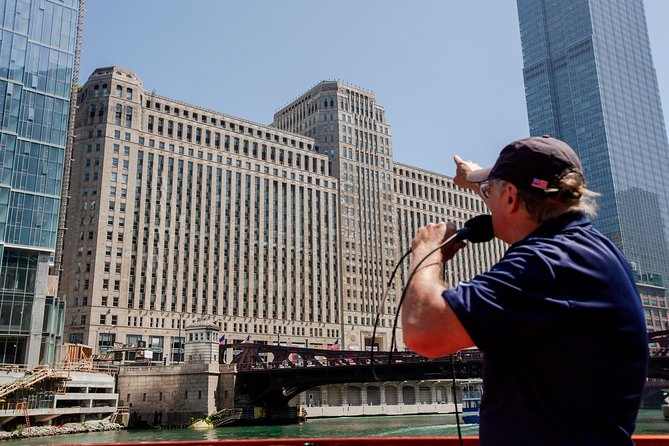
The Wrigley Building is one of the recognizable stops along the route. From the river, you get the distance needed to take in its full presence rather than seeing only the lower floors from a sidewalk.
The guide also explains how Chicago grew after the Great Fire of 1871. That story is not treated as a detached history lecture. It helps explain why Chicago became such an important place for new building methods and new architectural ideas.
You also hear about balloon-frame construction, a method that changed how homes were built. This is a useful detail because it connects the city’s grand downtown towers with ordinary housing and practical construction. The architecture lesson is not only about famous skyscrapers. It is also about the systems that allowed Chicago to expand.
The Tribune Tower and its collection of stones
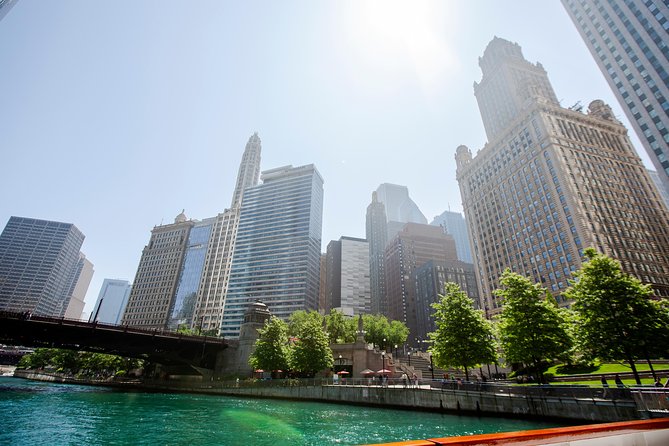
One of the route’s memorable details is the neo-Gothic tower known for stones taken from famous structures around the world. The collection includes pieces associated with the Parthenon, St. Peter’s Basilica, Notre Dame, the White House, and the Berlin Wall.
This detail gives you something specific to look for instead of another general description of a tall building. It also shows how Chicago architecture often carries stories beyond its own walls.
From the river, pay attention to the contrast between the tower’s historic style and the newer buildings around it. The changing mix is part of what makes the cruise more useful than a simple skyline photo stop.
John Hancock Center and Willis Tower
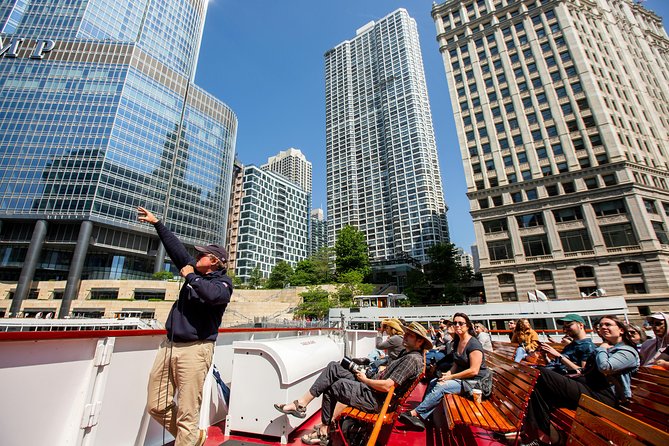
The John Hancock Center rises 100 stories and reaches 1,128 feet. Its scale is easier to understand from the water, where the boat creates a clear viewing line and lets you compare it with nearby towers.
The Willis Tower, once known as the Sears Tower and once the tallest building in the world, is another major sight. You may already recognize it from photographs, but the boat gives you a stronger sense of how it fits into the downtown group.
These buildings also help show two different ideas about height. One draws attention through its powerful structural form, while the other creates a striking vertical presence above the city. The guide’s job is to connect those visual features with the people, technology, and building ideas behind them.
Marina City and Chicago’s more playful side
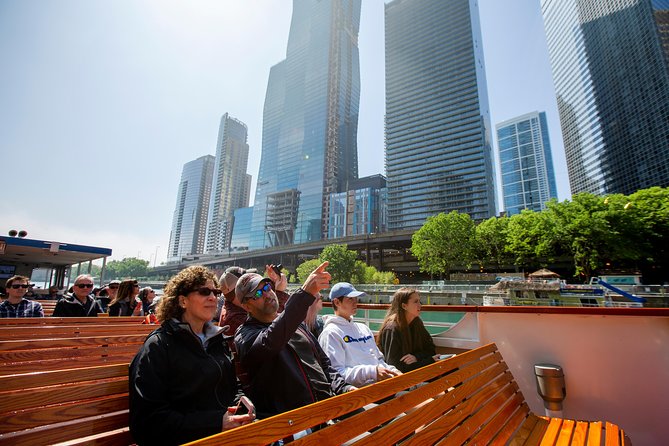
The twin corncob towers of Marina City bring a different mood to the route. Their rounded, repeating balconies make them easy to recognize and unlike the straight-edged towers nearby.
This is one of the moments when having a guide helps. You can photograph the unusual shapes, but the explanation gives you a better sense of why the buildings matter within Chicago’s collection of modern designs.
The route also includes a building known for wave-like balconies, a modern architectural feature that looks especially distinctive from the river. These curved forms add variety to the ride and keep the view from becoming a parade of rectangular towers.
The guide can make or break the hour
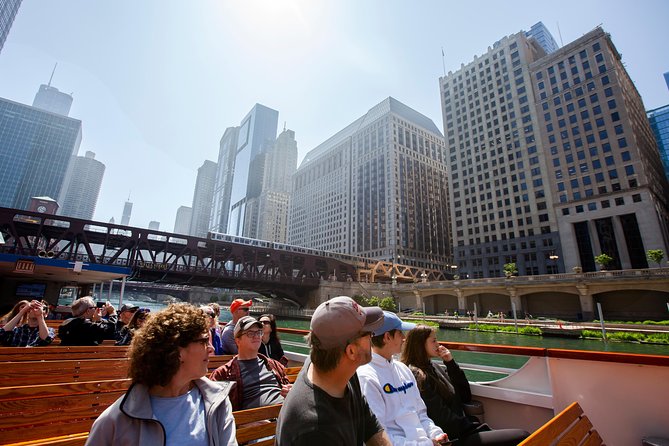
The most praised part of this cruise is the live guide. Strong guides explain both the buildings and the city around them. Jim has been singled out for his passion for Chicago, while Ashley has been praised for clear information and a good sense of humor. Sam has been noted for connecting architecture with city history, culture, and the natural setting beside the river.
That range matters because a list of architect names is not enough. You want to hear what was happening when the buildings were designed, how their styles differ, and why Chicago became a major center for American architecture.
The tone can be light, too. One guide even worked in cow puns during the presentation. That will not appeal to everyone, but it shows the tour is meant to be entertaining as well as educational.
The experience is not perfect in every departure. Loud conversations, crying babies, and passengers using phones have made it hard for some people to hear. If the explanation is your main reason for booking, sit near the front and arrive early to choose a better seat.
Seating, sound, and the best place to sit
Arriving early is practical advice, not a luxury. One couple found that sitting in the front row made the experience feel almost private, and front seating can also help you hear the guide over engine noise and nearby conversations.
The boats have comfortable seating, though the layout depends on the vessel. Some are single-deck boats, and the exact boat cannot be guaranteed. You should think of the ride as a sightseeing cruise with a presentation, not a quiet museum tour.
On clear days, you will want a position with an open view for photographs. On colder days, you may prefer a sheltered spot. Since you cannot guarantee the boat type, bring clothing that lets you handle both possibilities.
Cold-weather cruising requires real preparation
Chicago’s river can feel cold even when the city streets seem manageable. Autumn and winter departures have been described as chilly, and below-freezing conditions are possible.
Some boats offer indoor seating, but do not assume the lower area will feel warm. One particularly cold departure had only flaps covering the lower windows, allowing wind and cold air inside. Blankets, hats, and gloves may be available for purchase, and the bar may offer drinks such as spiked hot chocolate, but those extras should not replace a warm coat.
I would dress in layers, cover your hands, and treat the outdoor deck as a bonus rather than your only plan. The views can still be worthwhile in cold weather, but comfort will affect how much of the commentary you absorb.
Warm-weather trips are easier, though bright sun can also affect photographs and visibility. The tour requires good weather, and if poor conditions cancel it, you receive a choice of a different date or a full refund.
Bar, snacks, and practical comfort
A restroom is available on every boat, which is useful during a short tour with no convenient stop along the river. Drinks are not included, but they can be purchased from the full bar. Some departures also offer snacks and food options.
The bar adds a pleasant touch for adults, especially on an evening cruise or a cold-weather trip. It also means you should not assume the $39 ticket covers every onboard purchase.
WiFi is not included. Your phone is still useful for photos, but if you want to follow the presentation, keep it away during the guide’s main explanations. The river offers enough to look at without turning the cruise into screen time.
The cruise is dog-friendly, which makes it more flexible for people traveling with a pet. The supplied details do not specify other animal rules, so confirm anything beyond bringing a dog before booking.
Is $39 a fair price?
At $39 per person, this is a reasonable price for a guided introduction to Chicago architecture. You are paying for the boat, the route, the live commentary, restroom access, and the time saved by seeing many major buildings in one ride.
The value is strongest for a first visit, a short stay, or a day when you want to cover a lot without walking for hours. It is also a good choice if you enjoy architecture but do not want a formal indoor lecture.
The price feels less attractive if you mainly want a quiet boat ride or if you plan to ignore the commentary. It also does not include drinks, snacks, or WiFi. Think of those as optional extras rather than part of the admission cost.
The tour has earned a 4.8 rating from 15,756 ratings, with 97 percent recommending it. That is strong evidence that the basic product works well, while the lower ratings point to the same practical concerns: unclear directions, cold conditions, noisy passengers, and guide delivery that can vary by departure.
Who should book this cruise?
I would recommend it to first-time Chicago visitors, architecture fans, families with older children, couples, and anyone with only a short window in the city. A 17-year-old and a parent found the mix of history, humor, and skyline views especially engaging, and the format suits a wide range of ages.
It is also useful for people who want a calm break between walking tours and indoor attractions. You sit, listen, and let the city come to you.
You may want to think twice if you dislike cold weather, crowded public tours, or live commentary. The boat can carry up to 250 people, so the experience may feel social rather than intimate. Arriving early, choosing a front seat, and checking the weather will improve your odds of a comfortable ride.
Free cancellation is available until 24 hours before departure for a full refund. Changes made within 24 hours are not accepted, and the cut-off follows Chicago local time.
FAQ
How long is the Chicago Architecture River Cruise?
The cruise lasts about one hour to one hour and 30 minutes. From November 14, 2025 through April 2026, tours are 60 minutes long.
How much does the cruise cost?
The listed price is $39 per person. Drinks and other purchases on board are not included.
Where does the cruise depart?
Depending on the option selected, the cruise departs from Navy Pier or Michigan Avenue. Check your selected departure point carefully before leaving.
Does the cruise return to its starting point?
Yes. The cruise ends at the same location where it begins.
Is commentary included?
Yes. A live guide provides commentary about Chicago’s buildings, architects, construction methods, and city history.
Is there a restroom on the boat?
Yes. All boats have a full restroom.
Can I buy drinks on board?
Yes. The boats have a full bar, and drinks are available for purchase. WiFi is not included.
Are dogs allowed?
Yes. The cruises are dog-friendly.
Can the boat type be guaranteed?
No. Some boats are single-deck vessels, and the specific vessel assigned to your departure cannot be guaranteed.
What happens if bad weather cancels the cruise?
If the cruise is canceled because of poor weather, you will be offered another date or a full refund. You can also cancel for a full refund if you do so at least 24 hours before departure.
My recommendation for the Chicago River cruise
I would book this tour, especially for a first Chicago visit or a tightly planned weekend. The river gives you views that are difficult to match from the sidewalks, and the best guides turn a lineup of buildings into a clear story about fire, construction, ambition, and design.
Book an earlier departure if hearing the guide and choosing your seat matter most. Choose an evening option if you want skyline views after dark, but prepare for colder conditions. Bring layers in autumn and winter, follow the departure directions closely, and arrive early.
At $39, this is a practical way to understand Chicago quickly. It is not a private tour, and the comfort of your ride depends partly on weather, boat layout, and passenger noise. Still, when the guide is as lively as Jim, Ashley, or Sam, the hour on the river can become one of the most useful and enjoyable parts of your Chicago visit.
Recently added around Chicago
- Chicago Pizza Tour★ 5.0 · 454 reviews
- Chicago: Architecture Center Cruise on Chicago’s First Lady★ 4.7 · 456 reviews
- Chicago: Architecture Boat Tour with Drinks★ 4.7 · 466 reviews
- Chicago Gangster and Food Walking Tour★ 5.0 · 471 reviews
- Chicago Night Crimes Tour by Bus★ 5.0 · 478 reviews
- Flyover in Chicago★ 5.0 · 486 reviews
- Field Museum of Natural History Admission Tickets★ 4.5 · 489 reviews
- Chicago: Secret Interiors Architecture Walking Tour★ 4.9 · 498 reviews
Sightseeing Cruises, compared.
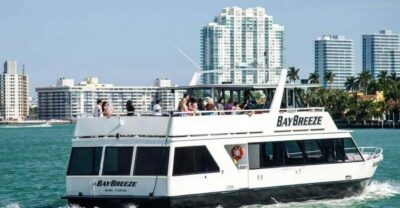
Biscayne Bay Millionaire’s Homes Sightseeing Cruise
Read our review →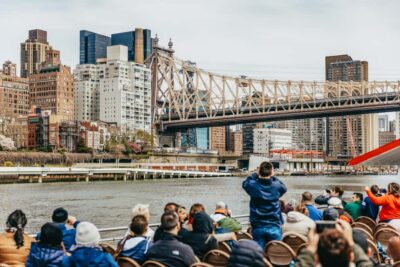
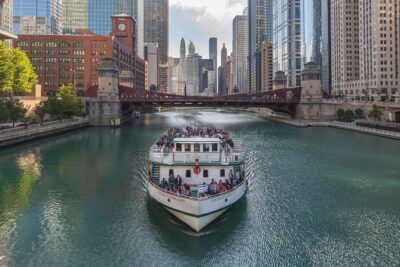
Chicago Architecture Center River Cruise aboard First Lady
Read our review →
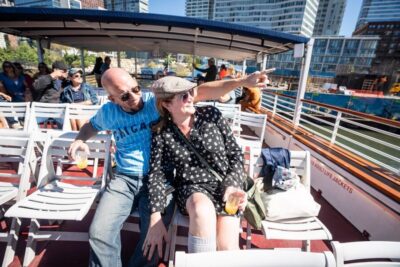
Architecture River Cruise Skip-the-Ticket Line
Read our review →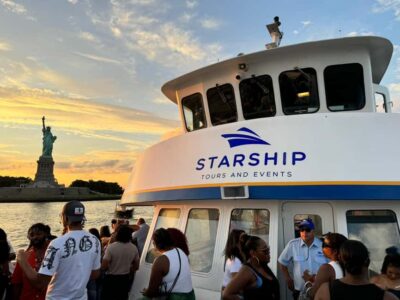
Starship Landmark 90 Minute Sightseeing Cruise
Read our review →
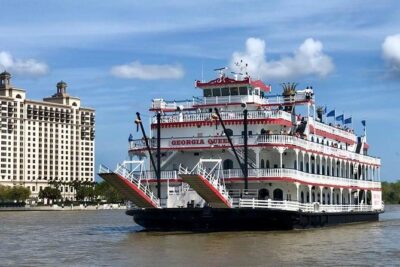
90-Minute Savannah Riverboat Sightseeing Cruise
Read our review →Browse the lists this tour appears in