
Reviewed · MUSEUMS
Guided African American History Tour with Reserved Museum Entry
History feels different when you see where it happened. This Washington DC tour connects African American stories to the Lincoln Memorial, MLK Memorial, Black Lives Matter Plaza, and other important sites. I especially like the strong focus on people and place, plus the reserved entry to the National Museum of African American History and Culture at the end. The main concern is that museum entry depends on public timed passes, so it is not fully guaranteed.
I also like the mix of short walking stops and bus travel, which saves your legs while covering a broad section of the city. Guides such as Dre and Elvis receive especially warm praise for making complex subjects clear, lively, and suitable for both children and older adults. Still, this can be a large group, with up to 55 people, and the museum visit is largely on your own.
In This Review
- Key points to know before booking
- Why this tour adds something to ordinary sightseeing
- Starting at the US Navy Memorial at 10 a.m.
- Lincoln Park and the stories behind two monuments
- Black Lives Matter Plaza and the White House
- The African American Civil War Memorial Museum from outside
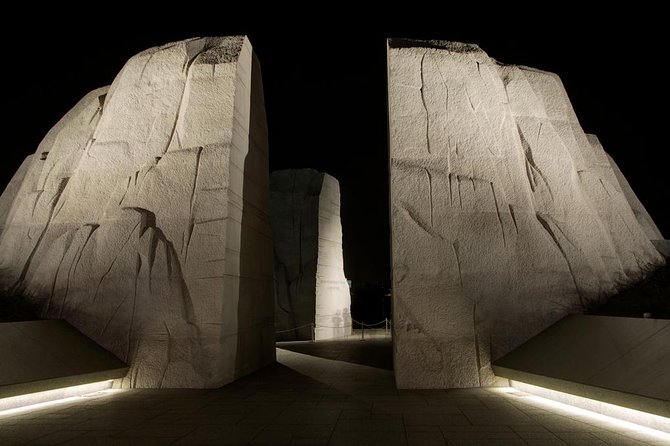
- The Martin Luther King Jr. Memorial
- Lincoln Memorial and the meaning of the setting
- Arriving at the National Museum of African American History and Culture
- How the guides shape the experience
- What the $89 price really buys you
- Group size, comfort, and practical planning
- Who should book this Washington DC tour?
- Should you book it?
- FAQ
- How long does the tour last?
- Where does the tour begin?
- What time should I arrive?
- Where does the tour end?
- Is museum entry included?
- Is this an official Smithsonian tour?
- What happens if I need to cancel?
Key points to know before booking
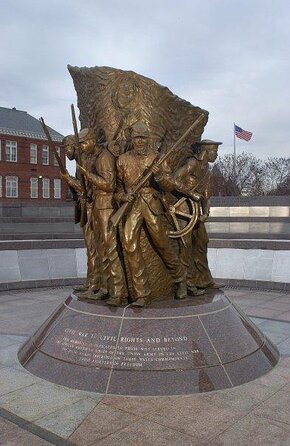
- A 3.5-hour route links major memorials with lesser-known stories, from Mary McLeod Bethune to the African American Civil War Memorial.
- Dre, Elvis, Jeff, and other guides bring strong personal energy, with particular praise for clear explanations and thoughtful answers.
- The tour ends at the National Museum of African American History and Culture, where you can continue exploring independently.
- The bus makes the route practical, but seats are assigned first come, first served, so arrive at least 20 minutes early.
- The $89 price includes transportation, bottled water, live commentary, and museum reservation access, but no meal or hotel pickup.
- The museum pass is complimentary rather than guaranteed, and you must follow the Smithsonian’s entry rules.
Why this tour adds something to ordinary sightseeing
Washington’s famous monuments often present a polished version of American history. This tour asks you to look again and notice who is missing, who built the city, who fought for rights, and whose achievements were left out of many schoolbooks.
The route begins with the first Africans brought to Jamestown and moves through emancipation, the Civil War, segregation, the Civil Rights movement, and the continuing struggle for equal treatment. You are not simply driven from one monument to another. The guide explains how the people honored at these places fit into the larger American story.
That approach is the tour’s main strength. A standard sightseeing bus might point out the Lincoln Memorial and move on. Here, you learn how Lincoln’s actions affected enslaved people, how Black soldiers served during the Civil War, and why emancipation was not a single, simple act of freedom.
The best guides also connect national events to Washington neighborhoods. The stories can include redlining, eminent domain, Freedman’s Village near Arlington Cemetery, Herring Hill in Georgetown, NoMa, Chinatown, and the role of institutions such as Howard University and NASA. The emphasis is on connections, not isolated facts.
More museums:
- NYC: 9/11 Memorial & Museum Timed-Entry Ticket
★ 4.8 · 31,428 reviews - NYC: Empire State Building Tickets – Observatory & Museum
★ 4.7 · 25,757 reviews - New York City: American Museum of Natural History Ticket
★ 4.5 · 15,447 reviews
Starting at the US Navy Memorial at 10 a.m.
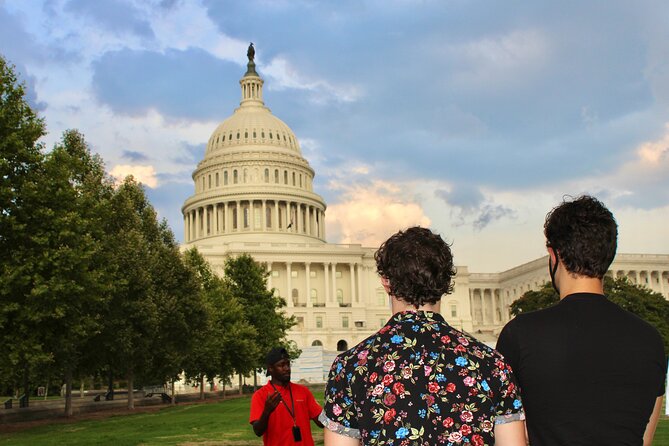
Your morning begins at the United States Navy Memorial and Naval Heritage Center at 701 Pennsylvania Avenue NW. The meeting point is central and close to public transportation, but you should arrive at least 20 minutes before the 10 a.m. departure.
The opening stop is outside the Navy Memorial. It is brief, around 20 minutes, and functions mainly as a gathering point and introduction to the day. You meet the guide, board the bus, and begin hearing live commentary about the city and the tour’s subject.
Seats are assigned on a first come, first served basis. Arriving early matters if you want a better chance of sitting with your group or choosing a preferred position. The bus carries as many as 55 people, so this is not a private or intimate walking tour.
The practical advantage is coverage. Washington’s monuments and neighborhoods are spread out, and the bus lets you see more without spending the entire morning marching between sites. Bottled water is included. Lunch is not, and food is not allowed on the bus, although snacks are permitted.
Lincoln Park and the stories behind two monuments
Lincoln Park provides one of the tour’s more useful contrasts. You see the Emancipation Memorial and the statue of Mary McLeod Bethune, with about 20 minutes for the guide’s presentation.
The Emancipation Memorial is a complicated monument. It presents Abraham Lincoln with a formerly enslaved man, and its design raises questions about who is shown as acting and who is shown as receiving freedom. The guide’s explanation helps place the statue in its time and encourages you to consider how public art shapes historical memory.
Nearby, Mary McLeod Bethune offers a very different image of Black leadership. Bethune was an educator, organizer, and government adviser. Her statue gives the guide a chance to discuss education, political influence, and the work of Black women, subjects that are often given too little space on standard DC tours.
This stop is short, so do not expect a full lecture on either figure. The value comes from the pairing. You see an older public image of emancipation beside a memorial to a Black woman who built power through education and civic work.
Black Lives Matter Plaza and the White House
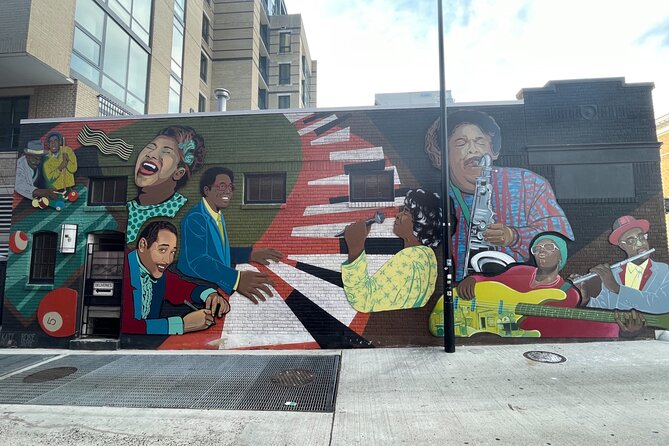
The route continues toward the White House and Black Lives Matter Plaza. The White House portion is outside only, and the stop lasts roughly 20 minutes.
Black Lives Matter Plaza gives the tour a direct link between historic civil rights campaigns and present-day protest. Its location near the White House makes the point plainly: public pressure, political authority, and the fight over whose voices receive attention are all concentrated within a few blocks.
Your guide may also place Washington’s modern protests beside earlier struggles for voting rights, fair housing, and equal access. This helps prevent the Civil Rights movement from feeling like a finished chapter. The discussion instead shows how public spaces continue to carry political meaning.
There is no entry into the White House. You are also not promised an extensive walk through the plaza, so expect a guided outdoor stop rather than a long independent visit.
More history and heritage tours:
- DC Monuments & History Guided E-Cart Tour-Blankets
★ 4.5 · 450 reviews - History and Hauntings of Salem Guided Walking Tour
★ 5.0 · 14,564 reviews - Charleston’s Old South Carriage Historic Horse & Carriage Tour
★ 5.0 · 10,023 reviews - Beneath The Streets Underground History Tour
★ 4.5 · 8,006 reviews
The African American Civil War Memorial Museum from outside
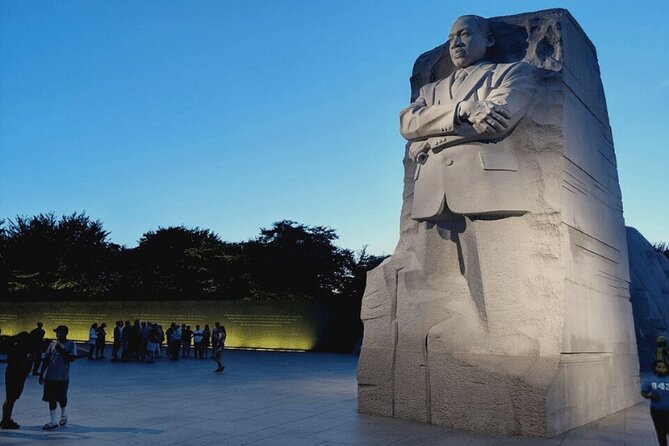
The tour pauses at the African American Civil War Memorial Museum for about 20 minutes, but the supplied plan specifies commentary outside the building. Admission to the museum itself is not included as part of this stop.
This is an important distinction. The guide can explain the service of Black soldiers and the unequal conditions surrounding their enlistment, including the fact that Black men had to pay to serve in the Union Army. You receive context for the memorial and museum, but you should not expect to tour the interior during this experience.
For many people, this is one of the most meaningful stops because it corrects the familiar picture of the Civil War as a conflict fought only by white armies. The stories of Black military service also lead into questions about citizenship, wages, recognition, and the promises made after the war.
The stop works best if you listen closely and ask questions. Guides such as Dre have been praised for handling obscure facts and linking individual lives to larger events. His style, as described by the experience, is energetic and willing to explore the less familiar corners of the subject.
The Martin Luther King Jr. Memorial
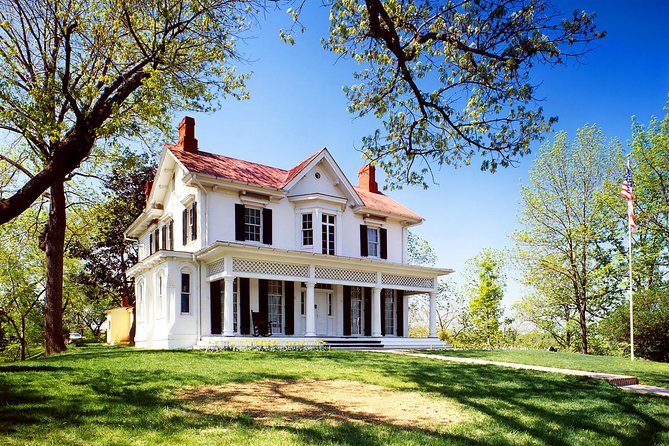
At the Martin Luther King Jr. Memorial, you get another guided stop of about 20 minutes. The memorial is powerful on its own, but the guide gives it useful setting by discussing King’s role in the Civil Rights movement and his connection to Washington.
A particularly interesting point from the tour’s storytelling is the connection to Freedom Plaza, where King began a speech before leading a march toward the Mall. That kind of detail changes how you see the city. Instead of treating the memorial as an isolated sculpture, you begin to picture the movement moving through Washington’s streets.
The guide may also discuss the King suite at the Waldorf Astoria and other less familiar details from King’s life and public work. The point is not to turn him into a flawless symbol. The strongest presentations place his leadership within the pressures, disagreements, and unfinished work of the movement.
You have time to see the memorial and listen, but not unlimited time for photographs or quiet reflection. If you want extensive personal time at each monument, a self-guided visit may suit you better.
Lincoln Memorial and the meaning of the setting
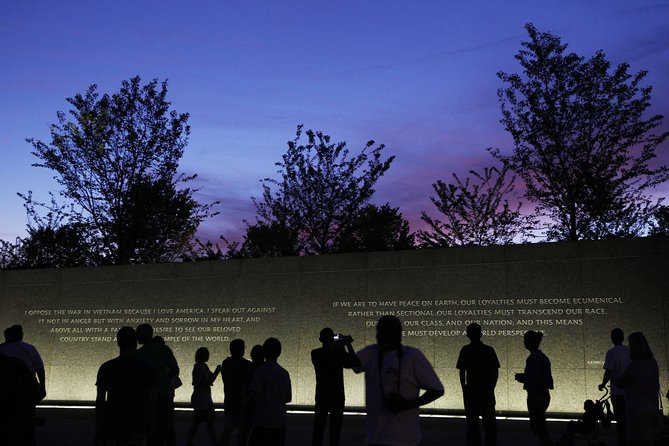
The Lincoln Memorial is the final major monument stop before the museum. The tour allows around 20 minutes here, with the guide explaining Lincoln’s relationship to emancipation, the Civil War, and African American freedom.
This is another place where context matters. Lincoln’s role in ending slavery is central, but the full story includes limits and political calculation. The guide’s discussion can help you understand that the Emancipation Proclamation did not free every enslaved person at once and that emancipation unfolded through war, law, military action, and the work of Black communities themselves.
The memorial also connects directly to the Civil Rights movement. Martin Luther King Jr. delivered his famous 1963 speech from the steps, making this one of the essential places for understanding the public history of Black America in Washington.
The stop is outside and involves walking around the memorial grounds. Wear comfortable shoes, especially if you plan to continue through the museum afterward. The bus reduces the amount of walking between locations, but you will still board and leave several times.
Arriving at the National Museum of African American History and Culture
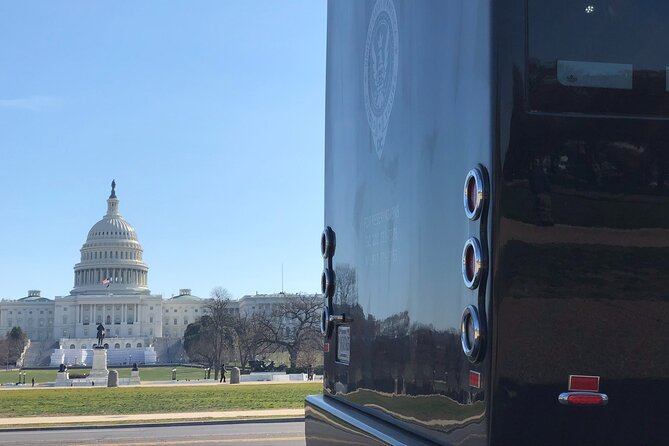
The tour ends at the National Museum of African American History and Culture at 1400 Constitution Avenue NW. Your admission reservation is included at no extra charge, and you can explore the museum independently for the rest of the day.
The published tour schedule allows about one hour here, but the museum visit does not have to end after that hour. You should treat the one-hour figure as a minimum starting point rather than a complete museum visit. The museum is large enough that a serious visit can take much longer.
Ending here is a smart design choice. The outdoor stops give you a framework, then the museum supplies objects, documents, photographs, and exhibits that add detail and emotional weight. You arrive already thinking about emancipation, military service, protest, education, and memorials, so the museum’s material has a clearer place in the story.
The reservation system is the one part of the experience that needs careful attention. The company accesses public timed-entry passes and does not have a special Smithsonian agreement. Entry is complimentary after the sightseeing portion, but availability can change, and admission is not guaranteed.
You may still face a wait at the museum. You must follow the Smithsonian’s rules and enter at the assigned time. The tour company is selling its guide service and transportation, not an official Smithsonian tour.
How the guides shape the experience
The guide is the heart of this tour. The strongest praise goes to Dre, Elvis, and Jeff, with particular appreciation for their clear explanations, humor, warmth, and ability to answer detailed questions.
Dre is repeatedly described as passionate about African American history and Washington. His stories can range from Robert Smalls and Benjamin Banneker to Mary McLeod Bethune, Alice Ball, Jesse Russell, and the women of Hidden Figures. These names help broaden the tour beyond the figures already printed on Washington’s monuments.
Elvis is praised for adjusting his presentation to children, teenagers, adults, and older family members. That matters if you are traveling with a mixed-age group. A good guide can keep a serious subject accessible without flattening it into a simple lesson.
The tour also benefits from guides who discuss complexity. Topics can include the limits of Lincoln’s emancipation policy, the cost imposed on Black Civil War soldiers, the effects of redlining, and the way monuments can preserve memory while also leaving parts of the past out.
Guide quality can vary from one departure to another, as it does with any group tour. Still, the repeated praise for the staff’s preparation and personality is a strong sign. If your guide is Dre or Elvis, expect a particularly animated presentation based on the comments included for this experience.
What the $89 price really buys you
At $89 per person, this is not the cheapest way to see Washington’s monuments. Many of the memorials are free, and you can reach them on your own using public transportation.
The price makes more sense when you count the service rather than the entrance fees. You receive about three and a half hours of guided transportation, live commentary on and off the bus, bottled water, coordinated stops, and access to a public timed-entry reservation for the National Museum of African American History and Culture.
You are also paying for interpretation. A free visit to the Lincoln Memorial cannot easily explain how Lincoln, King, emancipation, military service, and Black political life connect. The guide’s perspective is the main product.
The value is strongest for first-time visitors, families, and people who want a focused introduction without planning a route across several parts of the city. It is less attractive if you already know Washington well, prefer long museum visits, or want to set your own pace at every stop.
There are no hotel transfers and no lunch. Plan a meal near the museum or elsewhere after the tour, especially if you intend to stay inside for several hours.
Group size, comfort, and practical planning
The maximum group size is 55 people, so keep your expectations realistic. This is a shared bus experience, not a quiet private tour. The guide may need to repeat instructions, gather people at each stop, and work around traffic or access rules.
The bus is useful on a hot, cold, or rainy day, but the experience still requires getting on and off and walking around outdoor memorials. Good weather is required. If poor weather cancels the activity, you can receive a different date or a full refund.
Most people can participate, and service animals are allowed. The meeting point is near public transportation, making it practical if you are staying in central Washington. Hotel pickup and drop-off are not provided.
Free cancellation is available up to 24 hours before the start time. Inside that window, changes are not accepted and the amount paid is not refunded, except when the operator cancels for weather or because the minimum number of people is not reached.
Who should book this Washington DC tour?
I would choose this tour if you want African American history to be the main thread of your Washington visit rather than a small part of a general monuments tour.
It suits families particularly well. The route has enough variety to keep younger people moving, while guides such as Elvis can adjust the level of detail for teenagers and adults. It also works for first-time visitors who want help understanding how the memorials fit together.
You should also consider it if you are interested in lesser-known figures and stories. The tour can introduce you to people such as Bethune, Banneker, Robert Smalls, Alice Ball, and Jesse Russell, along with subjects such as Freedman’s Village and Black military service.
I would hesitate if your first priority is a long, quiet visit inside the museum. The tour provides a starting reservation, but the sightseeing portion comes first, and the museum pass is not guaranteed. In that case, arrange your museum plans separately if possible, then use this tour for its guided city context.
Should you book it?
Book this experience if you want a clear, thoughtful route through African American history in Washington, with strong guide commentary and a museum visit at the end.
The best reasons to go are the guides, the connections between major memorials and less familiar stories, and the convenience of bus transportation. The main cautions are the possible 55-person group, limited time at each outdoor stop, no included meal, and the uncertainty around Smithsonian entry.
At $89, I see it as a fair price for interpretation and transportation, not as a bargain based on admission fees alone. Arrive early, wear comfortable shoes, bring a snack, and leave extra time after the tour for the museum. For a focused introduction to Washington’s African American past, this is a strong choice.
FAQ
How long does the tour last?
The guided city portion lasts approximately 3 hours and 30 minutes. The museum visit can continue independently after the tour ends.
Where does the tour begin?
It begins at the US Navy Memorial Plaza, 701 Pennsylvania Avenue NW, Washington, DC 20004.
What time should I arrive?
The scheduled start time is 10 a.m. You should arrive at least 20 minutes early for check-in.
Where does the tour end?
The tour ends at the National Museum of African American History and Culture, 1400 Constitution Avenue NW, Washington, DC 20560.
Is museum entry included?
A complimentary timed-entry reservation is provided for the National Museum of African American History and Culture after the sightseeing tour. Entry is subject to availability and is not guaranteed.
Is this an official Smithsonian tour?
No. The experience is operated independently and is not an official Smithsonian tour.
What happens if I need to cancel?
You can cancel at least 24 hours before the start time for a full refund. Cancellations or changes made less than 24 hours before the start time are not refunded or accepted.
Recently added around Washington DC
- DC Monuments & History Guided E-Cart Tour-Blankets★ 4.5 · 450 reviews
- No-Wait Washington Monument Direct Entry Tickets & Guidebook★ 4.5 · 465 reviews
- DC: Washington Monument Direct Entry with Guidebook★ 4.9 · 479 reviews
- Washington DC Highlights Tour with Top Landmarks and Memorials★ 5.0 · 489 reviews
- Delicious Donuts of Downtown DC: A Sweet City Experience★ 5.0 · 512 reviews
- Washington DC Sites at Night Guided Bicycle Tour★ 4.5 · 536 reviews
- DC: City Cruises Gourmet Brunch, Lunch, or Dinner Cruise★ 4.2 · 541 reviews
- Washington DC: Arlington Nat. Cemetery Ticket & Tram Tour★ 4.6 · 544 reviews
Museums, compared.

Empire State Building Tickets – Observatory & Museum
Read our review →

9/11 Memorial, Ground Zero Tour with Optional 9/11 Museum Ticket
Read our review →

All-Access 9/11: Ground Zero Tour, Memorial and Museum, One World Observatory
Read our review →
Browse the lists this tour appears in