
Reviewed · FREEDOM TRAIL TOURS
Boston: Official Freedom Trail® Walking Tour
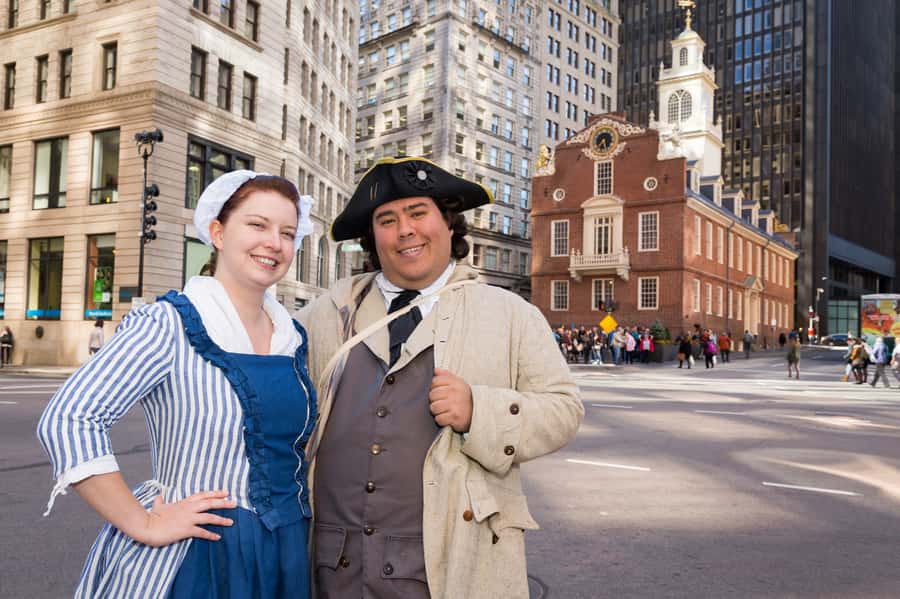
Boston’s past is painted in red brick. The Official Freedom Trail walking tour turns that line through downtown into a 90-minute lesson in revolution, public debate, and ordinary people caught in extraordinary events. I like the small one-mile route because it gives you a clear introduction without demanding a full day. I also like the period-costumed guides, who bring energy and humor to places that can otherwise look like simple city streets. The main drawback is that you see 11 of the trail’s 16 official sites, and a large group can make it hard to hear every joke or question.
At $18, this is a fair way to get your bearings in Boston. The guide supplies the story and the setting supplies the atmosphere, from Boston Common to the Old State House. You will not enter every historic building, though, and admission fees for several interiors are extra.
In This Review
- Key points at a glance
- Why this short Freedom Trail walk works
- Starting at Boston Common
- Faneuil Hall and the case for independence
- The Boston Massacre site at the Old State House
- Granary Burying Ground and Boston’s famous dead
- The oldest public school site
- What you will and will not enter
- The guides make the difference
- Timing, meeting points, and what to bring
- Is the $18 price worth it?
- Who should take this tour?
- FAQ
- How long is the Official Freedom Trail walking tour?
- How many Freedom Trail sites does the tour visit?
- What is included in the $18 price?
- Are attraction entrance fees included?
- Where does the tour leave from?
- Do I need to choose a specific date and time?
- What should I bring?
Key points at a glance

- A one-mile introduction: The 90-minute walk covers 11 of the 16 official Freedom Trail sites.
- Boston Common begins the story: See America’s first public park and learn how Boston’s public spaces shaped civic life.
- Revolutionary voices at Faneuil Hall: Hear about Samuel Adams and James Otis, whose speeches helped turn protest into political action.
- A solemn stop at the Old State House: Pause at the Boston Massacre site, where the tour connects one violent night to the wider independence movement.
- Famous graves at Granary Burying Ground: See the final resting place of Paul Revere and other major figures from Boston’s founding era.
- A flexible daily schedule: Walk from Boston Common on the hour or from Faneuil Hall on the half-hour, with times subject to change.
Why this short Freedom Trail walk works
Boston’s Freedom Trail is easy to follow on your own. A red line runs along the pavement, and signs identify the major stops. But the line cannot explain why a crowd gathered outside the Old State House, how public speech shaped colonial politics, or why a cemetery in the middle of the city matters.
That is where this tour earns its $18 price. You are not paying for transport or a grand attraction ticket. You are paying for a human guide to connect scattered buildings and memorials into one story. The distance is modest, but the subject is large: taxation, protest, violence, liberty, and the birth of representative government.
I especially like the way the tour places famous names beside less polished human stories. Paul Revere, Samuel Adams, Crispus Attucks, and John Adams appear as real people with courage, ambition, fear, and flaws. That makes the walk more useful than a string of dates.
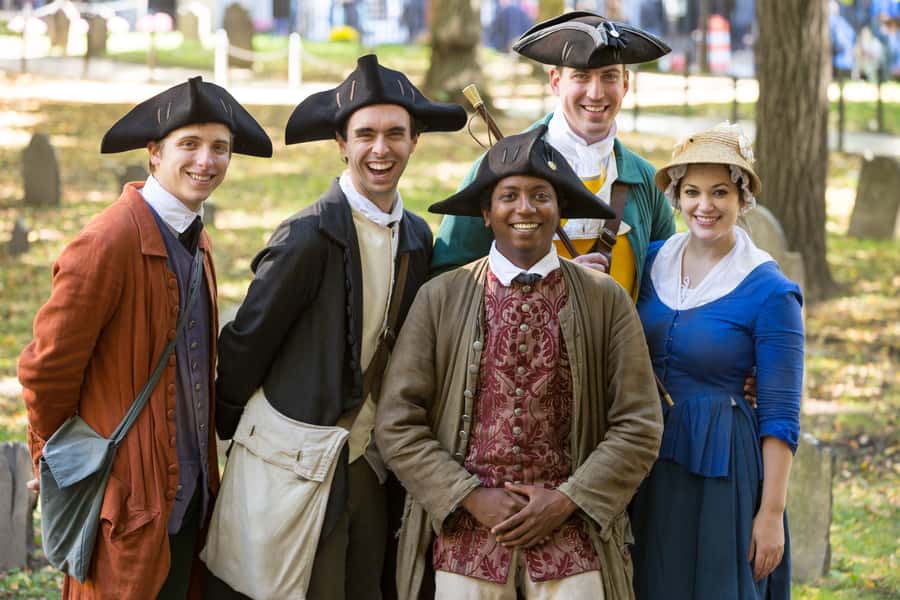
The guide also keeps the pace moving. You have time for photographs and questions, but you are not left standing at one corner for half an hour. Several guides received special praise for combining facts with humor, including Jeremiah Poope, Nate, Danielle, James O’Sullivan, and the guide performing as Dr. Byles. Their different personalities are part of the appeal, although your experience will depend on who leads your group.
More Walking Tours in Boston
- Boston: Freedom Trail History Small Group Walking Tour
★ 5.0 · 6,450 reviews - Cambridge: Harvard University Student-Guided Walking Tour
★ 4.6 · 3,931 reviews - Harvard University Campus Guided Walking Tour
★ 4.5 · 3,632 reviews
Starting at Boston Common
If you begin at the Boston Common Visitor Information Center, the tour opens in a broad green space that feels calm compared with the surrounding streets. Boston Common is recognized as America’s first public park, and it gives the tour a useful opening point: public space has long been tied to public life in this city.
Your guide uses the Common to set the scene before moving into the denser historic center. This opening matters because the Freedom Trail is not a museum behind one door. It is an urban route, crossed by traffic and surrounded by modern buildings. The guide helps you shift your attention from present-day Boston to the people who walked these streets during the colonial period.
This is also a practical starting point if you are visiting Boston for the first time. The walk gives you a mental map of the old center, and you can return later to explore the buildings that interest you most. One useful plan is to take the guided walk in the morning, then revisit selected sites independently afterward.
The tour usually lasts about an hour and a half, but one review described spending slightly more than 90 minutes with the guide. Allow a little extra time rather than scheduling a tight lunch reservation immediately afterward.
Faneuil Hall and the case for independence
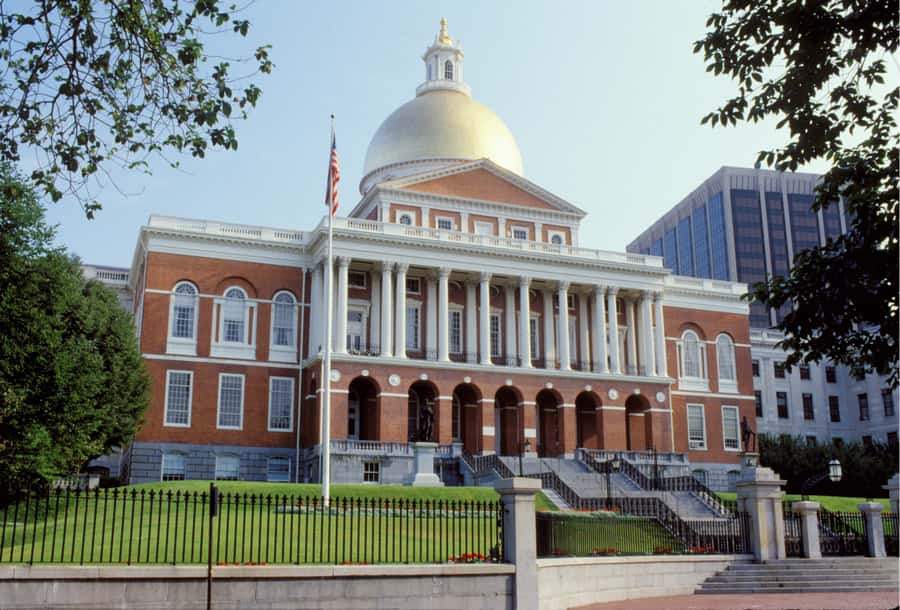
Faneuil Hall is one of the tour’s strongest stops because its importance is not just architectural. It was a place for speeches, arguments, and public pressure. Your guide explains how figures such as Samuel Adams and James Otis used public speaking to challenge British authority and make political ideas part of everyday conversation.
This is where the tour moves beyond the simple heroes-and-battles version of the Revolution. Independence did not appear fully formed. It grew through public arguments, local anger, and repeated disputes over who had the right to make decisions for the colonies.
You may begin or end your walk near Faneuil Hall, depending on the departure you choose. Tours leave from the ArtsBoston booth there every half-hour. That schedule can be handy if you are already eating or shopping nearby, but check the time on the day because departure times may change with little notice.
The nearby streets can be noisy, and a large party may spread out. Several positive comments still singled out guides who projected their voices well, including Jeremiah Poope. If hearing every word matters to you, stay close to the guide and move into the group quickly at each stop.
The Boston Massacre site at the Old State House
The stop outside the Old State House carries a different mood. Here, the tour recalls the Boston Massacre, when British soldiers fired into a crowd and Crispus Attucks and others were killed. The event became a powerful symbol for colonial resistance, even though the full circumstances were more complicated than later patriotic images suggested.
That balance is one reason a live guide helps. You get the emotional force of the event without reducing it to a neat slogan. The tour places the bloodshed in the snow beside the political arguments already taking place around Boston.
The site itself is easy to miss if you do not know where to look. You are standing in an active city center, not inside a preserved battlefield. The guide gives the marker meaning and explains why this particular episode mattered so much to the independence movement.
You will have time for photographs, but this is a place for a respectful pause rather than a rushed snapshot. The guide’s storytelling can make the stop feel solemn, yet the tour does not remain heavy for too long. Humor and lighter details return as the route continues.
More Freedom Trail walks:
- Boston Freedom Trail Walking Tour with Costumed Guide
★ 4.5 · 2,531 reviews - Boston Food & History: Pizza, North End & Freedom Trail
★ 5.0 · 1,772 reviews - Boston’s Freedom Trail: A Revolutionary Walking Tour
★ 4.9 · 1,748 reviews - Boston: Freedom Trail History Small Group Walking Tour
★ 4.9 · 1,590 reviews
Granary Burying Ground and Boston’s famous dead
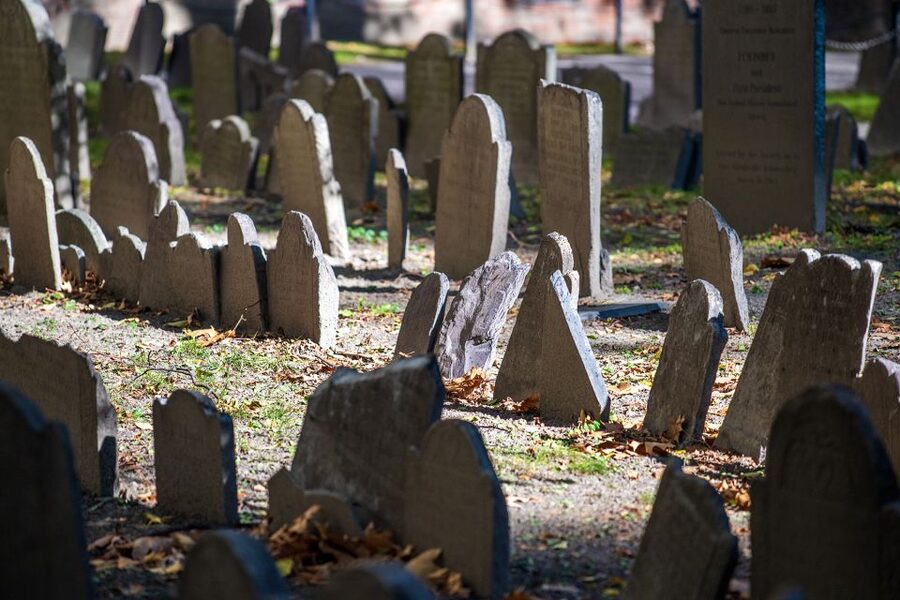
Granary Burying Ground is one of the most memorable stops because it puts names and bodies behind the political story. Here you can see the final resting place of Paul Revere, along with graves connected to major figures from Boston’s revolutionary period.
The cemetery offers a welcome change from the city streets. Its stones and compact paths create a quieter setting, though the tour remains outdoors and the group may be sharing the space with other visitors. Your guide points out notable burial places and explains why these people became central to the American founding story.
Paul Revere is often remembered for his midnight ride, but the cemetery stop helps widen the picture. The walk presents him as one person in a larger network of printers, merchants, speakers, soldiers, and protestors. That broader view is more useful than treating one famous ride as the whole story.
A guide who knows how to handle the cemetery can make a real difference. Jeremiah Poope was praised for showing burial sites clearly, allowing time for photographs, and keeping the group together. Those small choices matter in a place where it is easy for people to miss the marker or wander away from the explanation.
The oldest public school site

The tour also pauses at the site of the oldest public school in the United States. It is a brief but revealing reminder that the Freedom Trail is not limited to battles and revolutionary speeches.
Education, public access, and civic participation belong in the story too. A school site helps you think about who was prepared to take part in public life, who received an education, and how Boston’s institutions shaped the society that later challenged British rule.
This stop may not have the visual drama of a cemetery or massacre marker. Its value comes from the wider context. The guide helps you notice that a city’s political culture grows from ordinary institutions as much as from famous confrontations.
What you will and will not enter
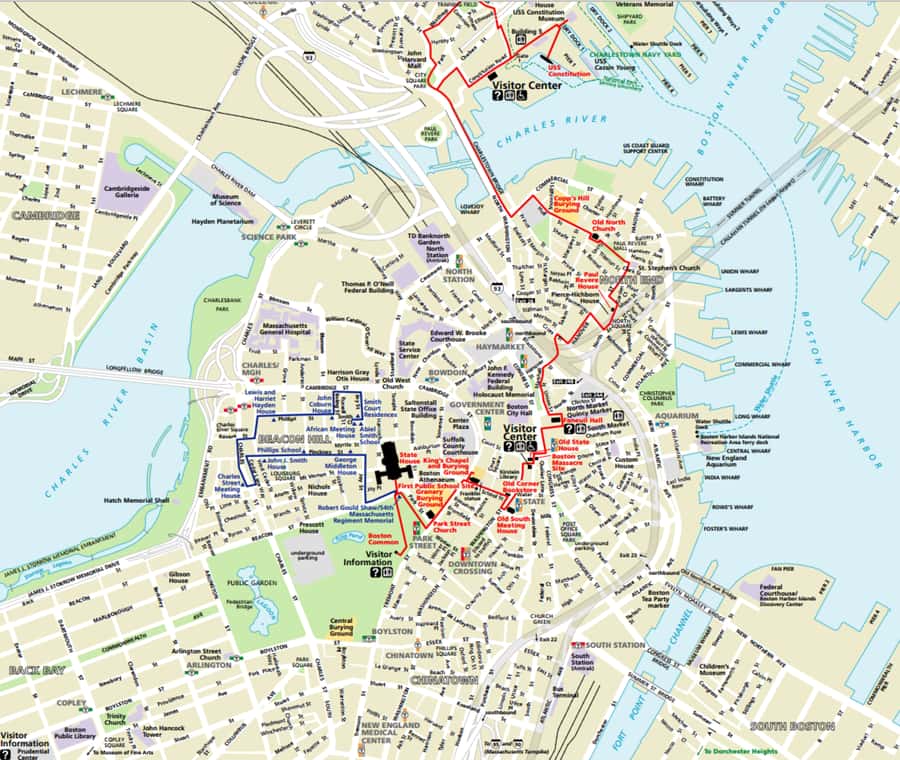
The tour features 11 of the 16 official Freedom Trail historic sites. That is enough for a solid introduction, but it is not a complete visit to every location on the trail.
Entrance to sites that charge admission is not included. That includes the Old South Meeting House, Old State House, Old North Church, and Paul Revere House. You can buy tickets at the door, but plan extra time and money if you want to see the interiors.
This arrangement keeps the guided walk affordable. At $18, the tour gives you an organized route and live interpretation without bundling in attractions you may not want to visit. I consider that good value for a first visit, especially if you prefer to choose your own paid sites afterward.
Still, read the description carefully. If you expect to tour the full Freedom Trail or enter all the famous buildings, this experience may feel limited. It is best viewed as a guided foundation, not an all-inclusive admission pass.
The guides make the difference
The strongest feature is the guide. Again and again, the best experiences came from guides who were funny, clear, and deeply familiar with Boston’s past. Nate was praised for storytelling and for making sure the group could hear. Danielle was described as engaging and easy to relate to. James O’Sullivan kept a group interested even through continuous rain.
Other praised guides included Jeremiah, Shawn, Matt Prescott, Rob Cream, Britnee, and Hepzibah Swan. Some use colonial characters or names, while others rely on personal stories and quick humor. Matt Prescott, described as a high school history teacher, was especially effective for families and anyone who likes a classroom lesson with fresh air.
The guide may also have to manage the street itself. One guide handled an intoxicated person interrupting the tour with calm professionalism. That kind of composure is easy to overlook, but it helps protect the group’s experience.
There is one clear caution: group size can vary. A few people found the group large enough that they missed jokes or had trouble gathering around the guide. The tour can still work well, but stand close, keep your attention on the guide, and do not assume the crowd will remain small.
Timing, meeting points, and what to bring
You do not need to specify a fixed date or time. Your ticket guarantees a place on one of the Freedom Trail Foundation tours on any date and at any time, according to the available daily schedule. That flexibility is useful, but it also means you should confirm the departure details on the day you go.
From Boston Common, tours generally leave every hour on the hour. From the ArtsBoston booth at Faneuil Hall, they generally leave every half-hour. The meeting point can vary with the option booked, so check your voucher rather than heading to the wrong end of the trail.
A printed voucher is required. Bring comfortable shoes and water. One mile sounds easy, and it is manageable for most people, but you will be on your feet for about 90 minutes and may pause on hard pavement.
Boston weather can change the feel of the tour. A winter review described a bitterly cold day, while another group stayed engaged through constant rain. Dress for the forecast and do not treat the short distance as a reason to ignore the weather.
Video recording is not allowed. You can take photographs, and the guides allow time for them, but the tour is meant to be heard in real time rather than captured on video.
Is the $18 price worth it?
For $18 per person, I think this tour offers strong value if you want context rather than only directions. You receive a 90-minute English-language walk, a costumed guide, and visits to 11 official sites. There is no separate transport cost, and the route covers the core historic center.
The price is less attractive if you plan to enter several paid buildings and want a full-day program. Those admissions are extra, and the tour does not cover all 16 official sites. You may need a second walk or another tour to reach locations farther along the trail.
For families, the cost can be justified by the guide’s ability to hold attention. Several guides used humor, questions, personal stories, and pop-culture links to make the material easier to follow. A teenager who normally dislikes history may find the live performance more approachable than reading plaques alone.
The overall rating is 4.6 from 982 reviews, a strong result for a public walking tour with changing guides and group sizes. I would focus less on expecting one particular guide and more on understanding what the format gives you: a lively overview, not a private lesson.
Who should take this tour?
I would choose this walk if you are new to Boston, want a history-focused first morning, or prefer a guide to explain what you are seeing. It also suits families, since the best guides combine serious material with jokes and questions.
It is a good match for visitors who want to explore the paid sites later at their own pace. The route gives you enough background to choose which interiors deserve your time and money.
You may want another option if you require a very small group, need extensive indoor time, or want all 16 official sites in one outing. The group can be large, and the advertised route covers only 11 locations. The Reverse Walk Into History option offers a different direction along this famous route, which may appeal if you have already seen the standard path or want a change of pace.
Book this tour if you want a clear, entertaining introduction to Boston’s revolutionary story at a modest price. Skip it only if you are prepared to research the trail yourself and do not need help connecting the places. For most first-time visitors, the guide adds enough meaning to make the red line more than a painted stripe on the pavement.
FAQ
How long is the Official Freedom Trail walking tour?
The tour lasts about 1.5 hours and covers approximately one mile.
How many Freedom Trail sites does the tour visit?
The tour features 11 of the 16 official Freedom Trail historic sites.
What is included in the $18 price?
The price includes the walking tour and an 18th-century costumed English-language guide.
Are attraction entrance fees included?
No. Admission fees for the Old South Meeting House, Old State House, Old North Church, and Paul Revere House are not included. Tickets can be bought at the door.
Where does the tour leave from?
Departure points depend on the option booked. Tours generally leave hourly from the Boston Common Visitor Information Center and every half-hour from the ArtsBoston booth at Faneuil Hall.
Do I need to choose a specific date and time?
No specific date or time is required. The ticket guarantees a place on a Freedom Trail Foundation tour on any date and at any time, but schedules can change with little notice.
What should I bring?
Bring comfortable shoes, water, and your printed voucher. Video recording is not allowed.
More Walking Tours
- The Full Revolutionary Story Epic Small Group Boston Walking Tour
★ 5.0 · 2,356 reviews - Boston’s Freedom Trail: A Revolutionary Walking Tour
★ 5.0 · 1,343 reviews - Boston’s North End Food Tour: Italian Flavors & Heritage Walk
★ 5.0 · 1,322 reviews - Freedom Trail Walking Tour 250
★ 4.5 · 1,118 reviews
Recently added around Boston
- Boston’s Politically Incorrect North End Food Tour★ 5.0 · 453 reviews
- Boston’s North End Food and History Walking Tour★ 5.0 · 459 reviews
- Downtown Freedom Trail, Beacon Hill & Back Bay Walking Tour★ 4.5 · 473 reviews
- Cambridge, Massachusetts: MIT and Harvard Walking Tour★ 4.7 · 486 reviews
- Narrated Sunset Cruise of Boston Harbor★ 4.0 · 532 reviews
- Sightseeing Day Sail around Boston Harbor★ 5.0 · 541 reviews
- Boston: Harbor Sunset Yacht Cruise★ 4.6 · 570 reviews
- Boston: Martha’s Vineyard Day Trip with Optional Island Tour★ 4.6 · 573 reviews
Freedom Trail Tours, compared.

Freedom Trail History Small Group Walking Tour
Read our review →
Boston Freedom Trail Walking Tour with Costumed Guide
Read our review →
Boston Food & History: Pizza, North End & Freedom Trail
Read our review →
Boston’s Freedom Trail: A Revolutionary Walking Tour
Read our review →Freedom Trail History Small Group Walking Tour
Read our review →Boston’s Freedom Trail: A Revolutionary Walking Tour
Read our review →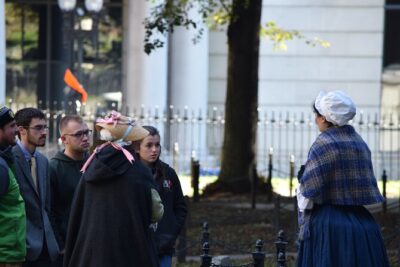

Boston Freedom Trail History Pub Crawl Small-Group Tour
Read our review →Browse the lists this tour appears in