
Reviewed · WORKSHOPS
New Orleans: Cajun and Creole Cooking Class
Come hungry, leave with recipes.
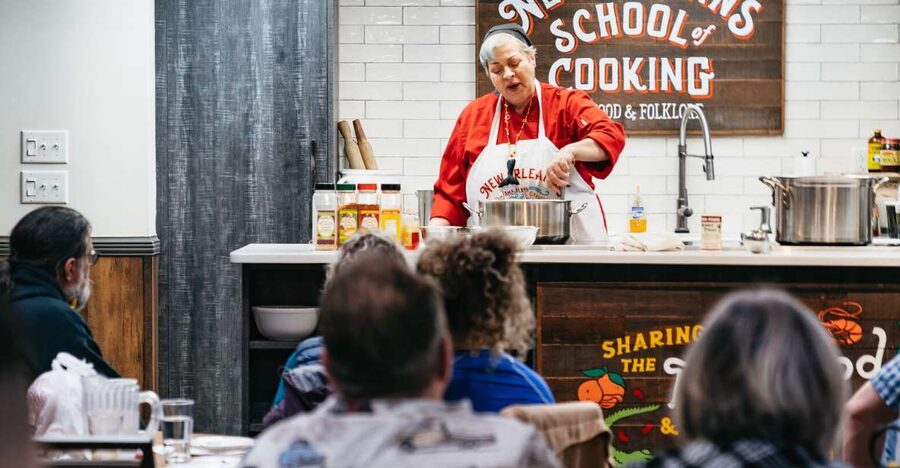
The New Orleans School of Cooking offers a lively look at Cajun and Creole food in a restored early-1800s molasses warehouse in the French Quarter. I like the generous meal, which can include gumbo, jambalaya, etouffee, pralines, and other local favorites, and I like the way chefs connect each dish to Louisiana customs and folklore. The main catch is important: despite its name, this is generally a cooking demonstration, not a hands-on class where you chop, stir, and cook your own pot.
You check in at the register inside the school’s general store, then take a seat and watch the chef prepare the day’s menu. Chefs such as Lynn, Dianne Honore, Austin, Eric, Harriet, and Michael have been praised for their humor, storytelling, and ability to handle questions. At about $40 per person, the combination of instruction, a three or four-course meal, drinks, recipe copies, and a store coupon makes this a strong value, especially if you want an easy introduction to New Orleans food.
In This Review
- Key points to know before booking
- A cooking class with an important distinction
- Entering the old molasses warehouse
- The chef, the stories, and the culture behind the food
- What you might eat at the 10 a.m. class
- What you might eat at the 2 p.m. class
- Gumbo, jambalaya, and the dishes worth watching
- Drinks, portions, and dietary questions
- The recipes and the general-store coupon
- Is the $40 price good value?
- Who should book this experience?
- Should you book the New Orleans cooking class?
- FAQ
- Is this a hands-on cooking class?
- How much does the class cost?
- How long does the experience last?
- Where do I check in?
- What food is served?
- Are drinks included?
- Do I receive the recipes?
- Is transportation from my hotel included?
- Can I cancel the booking?
Key points to know before booking
- This is mainly a chef demonstration: You watch the cooking rather than prepare the dishes yourself.
- The menu changes by day: Gumbo and jambalaya are common, but some sessions feature crawfish etouffee, shrimp creole, red beans and rice, or corn and crab bisque.
- The food is a full meal: Portions can be large enough to replace lunch or leave you satisfied through dinner.
- The stories matter: The chef explains how New Orleans culture, folklore, migration, and cooking traditions meet in the pot.
- You receive practical take-home help: Recipe copies and a general-store coupon make it easier to recreate the dishes at home.
- The French Quarter setting saves time: You can fit the class neatly into a morning or afternoon of sightseeing.
A cooking class with an important distinction
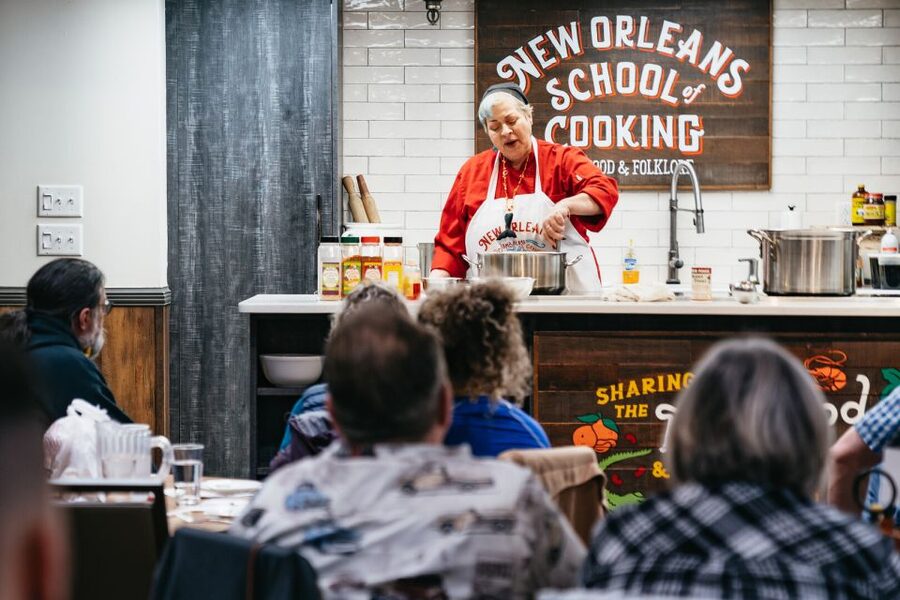
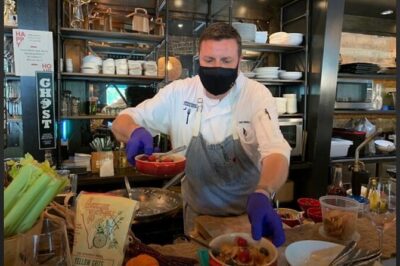
The first thing I would clarify is the format. You do not usually work at a personal station or prepare the meal with the chef. Instead, you sit in a classroom-style setting while the instructor cooks, explains techniques, answers questions, and serves the finished dishes.
That may disappoint you if you booked this hoping to practice knife skills or make your own roux. Several people expected a hands-on activity and only realized afterward that they had signed up for a demonstration. The title can create that confusion, so treat this as a food lesson with lunch, not a practical workshop.
For many people, that format is actually the better choice. You can listen, take in the stories, and enjoy the meal without worrying about keeping up with a recipe. It is also a comfortable option for families, older visitors, and groups with mixed interests. One group brought three teenagers and found that even the children enjoyed the class.
The chef typically prepares several dishes in sequence. You watch the method, learn why certain ingredients matter, and taste the finished food as the session moves along. The approach is relaxed, social, and more entertaining than a formal culinary lecture.
A few more US trips worth a look
- New Orleans Demonstration Cooking Class with Meal
★ 5.0 · 3,000 reviews - New Orleans Hands-On Cooking Class with Meal
★ 5.0 · 1,183 reviews - Undiscovered Charleston: Half Day Food, Wine & History Tour with Cooking Class
★ 5.0 · 948 reviews
Entering the old molasses warehouse
The school occupies a renovated molasses warehouse built in the early 1800s, right in the French Quarter. That setting gives the class a useful sense of place before the cooking even begins. You are not sitting in a generic hotel meeting room. You are learning about local food in a building tied to New Orleans commerce and the river city’s working past.
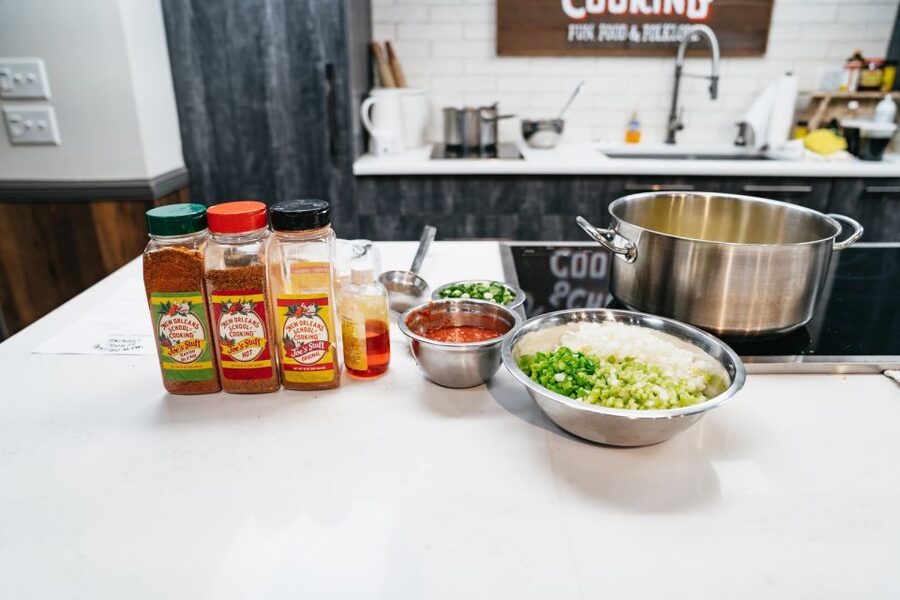
Check in at the register inside the New Orleans School of Cooking General Store. Arrive with enough time to find the shop, check in, and look around before the class starts. The store sells locally sourced products and is also home to Joe’s Stuff Creole Seasoning, a popular house blend that many people buy to use at home or take as a gift.
The shop is part of the experience, but it can also tempt you into spending more. Your coupon gives you a reason to browse, though it does not reduce the original class price. If you are trying to travel light, wait until after the demonstration to buy seasonings or cooking goods. You will have a clearer idea of which flavors you actually want.
The meeting point is central and easy to combine with a French Quarter morning or afternoon. Hotel pickup and drop-off are not included, so you must make your own way there.
The chef, the stories, and the culture behind the food
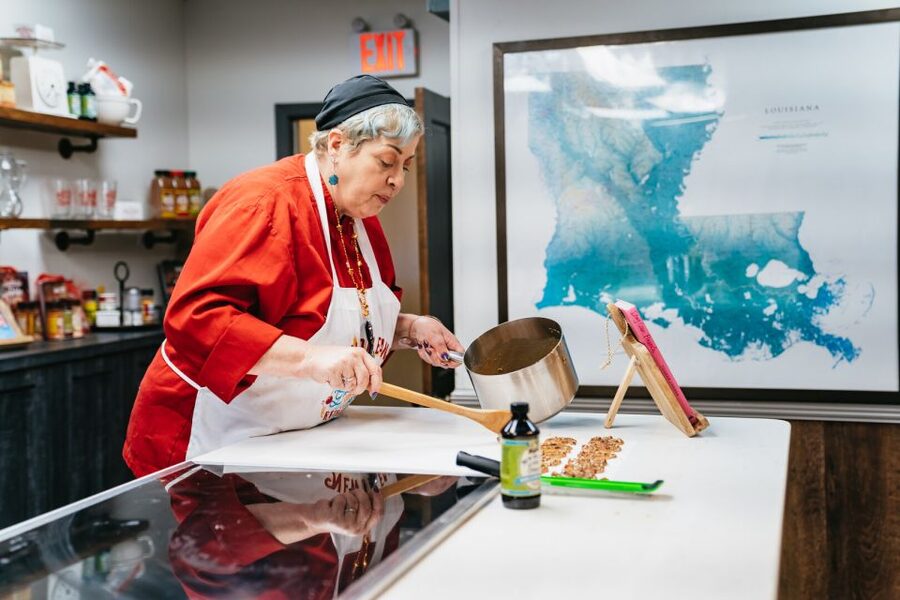
The best part of the class is often the person at the stove. Chefs have included Lynn, Dianne Honore, also known as Gumbo Marie, Austin, Eric, Harriet, Michael, and others. The chef assigned to your session can vary, but the strongest classes combine cooking with personal stories, local history, jokes, and steady explanations.
Dianne Honore has been praised for mixing food, history, and humor in a way that keeps the class moving. Austin has been singled out for high energy and comic timing, while Eric has been praised for explaining both the dishes and the stories behind them. Chef Michael’s gumbo was described as one of the best sampled during a New Orleans visit.
The tone is friendly rather than stiff. You can ask questions about the recipe or branch into other food topics. One participant appreciated that the instructor answered questions even when they were not directly related to the dish being prepared.
The cultural discussion is not just filler between recipes. Cajun and Creole cooking grew from the meeting of different peoples, ingredients, languages, and cooking habits. The chef explains how those traditions became part of daily life in Louisiana. You learn that food here is tied to family gatherings, local identity, celebration, and practical cooking.
The folklore adds flavor to the lesson. Stories help explain why a dish is prepared in a particular way and why certain foods remain so important in New Orleans. I find this makes the meal more memorable than a simple restaurant lunch. You are not only tasting gumbo. You are learning how the dish fits into the place.
What you might eat at the 10 a.m. class
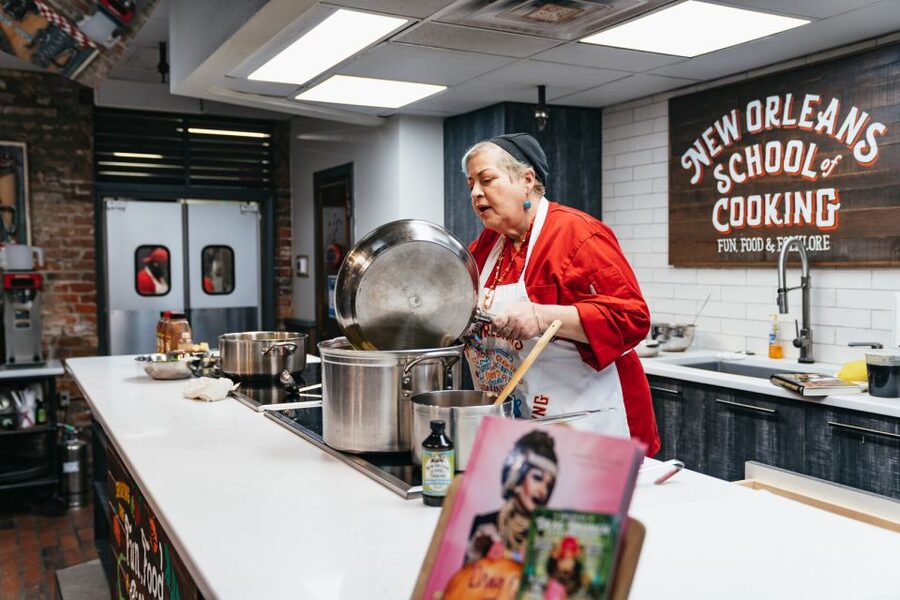
The morning session begins at 10 a.m. and includes hot coffee, along with iced tea, lemonade, and Dixie beer. The menu changes according to the day, so check the schedule before reserving if a particular dish matters to you.
The standard Wednesday, Saturday, and Sunday menu includes gumbo, jambalaya, bread pudding, and pralines. This is a classic introduction to Louisiana cooking. Gumbo gives you the slow, savory base of the meal, jambalaya shows the one-pot rice tradition, and the desserts finish with two very different kinds of sweetness.
On Monday, the menu shifts to gumbo, red beans and rice, pecan pie, and pralines. Red beans and rice is one of the best dishes for understanding the everyday side of Louisiana food. It is hearty, filling, and less showy than seafood dishes, but no less tied to local tradition.
Tuesday brings gumbo, jambalaya, bananas Foster, and pralines. Bananas Foster adds a dramatic dessert element and gives the chef another chance to explain the pleasures of a simple dish handled well.
Thursday features corn and crab bisque, shrimp creole, bananas Foster, and pralines. Friday offers crawfish etouffee, shrimp and artichoke soup, bread pudding, and pralines. These menus are especially useful if you want seafood, though you should confirm any allergy or dietary concern before relying on a particular dish.
The morning class is not a small tasting. Portions can be substantial. One useful tip is to avoid eating a full breakfast before you arrive, since the food may carry you well past lunchtime.
A completely different kind of day out in New Orleans:
- New Orleans Premier Ghost, Voodoo and Vampire Walking Tour
★ 4.5 · 12,856 reviews - New Orleans Steamboat Natchez Jazz Cruise with Dinner Option
★ 4.0 · 7,533 reviews - Adults-Only New Orleans Ghost, Crime, Voodoo, and Vampire Tour
★ 5.0 · 6,545 reviews - New Orleans Food Walking Tour of the French Quarter with Small-Group Option
★ 5.0 · 6,118 reviews
What you might eat at the 2 p.m. class
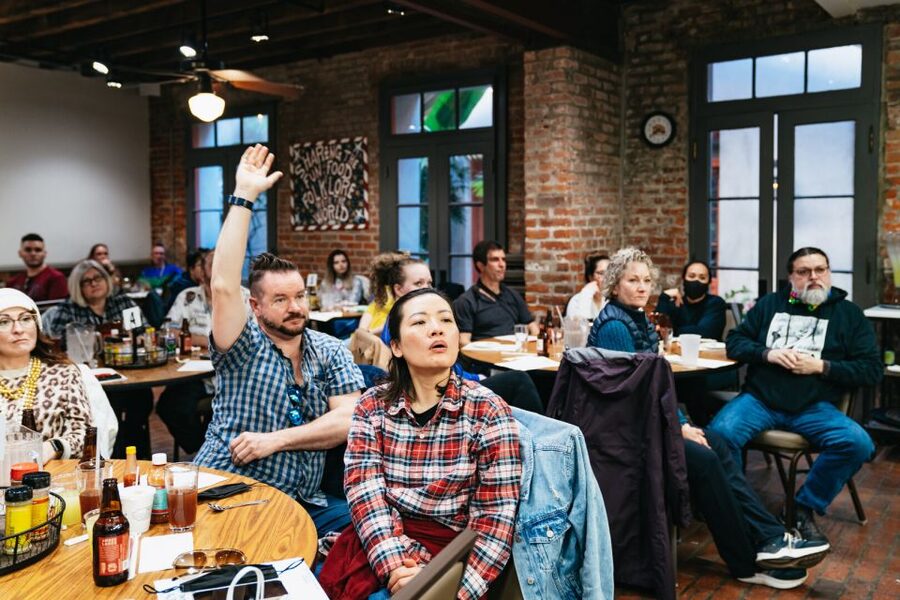
The afternoon class begins at 2 p.m. and usually includes iced tea, lemonade, and Dixie beer. Hot coffee is listed only for the 10 a.m. session.
Saturday’s afternoon menu includes crawfish etouffee, shrimp and artichoke soup, and pralines. Sunday and Tuesday bring corn and crab bisque, chicken etouffee, and pralines. Monday, Thursday, and Friday feature gumbo, jambalaya, and pralines. Wednesday combines gumbo, chicken creole, and pralines.
The afternoon format works well if you want to tour the French Quarter first and use the class as a late lunch. It can also become your main meal of the day. A class participant who attended the 2 p.m. session reported being satisfied enough to skip a full dinner afterward.
If you are sensitive to rich or filling food, plan your evening accordingly. You may prefer a light supper rather than another large restaurant meal. The class is good value partly because the meal is more than a token sample, but that can also make the schedule feel heavy if you have dinner plans soon afterward.
Gumbo, jambalaya, and the dishes worth watching
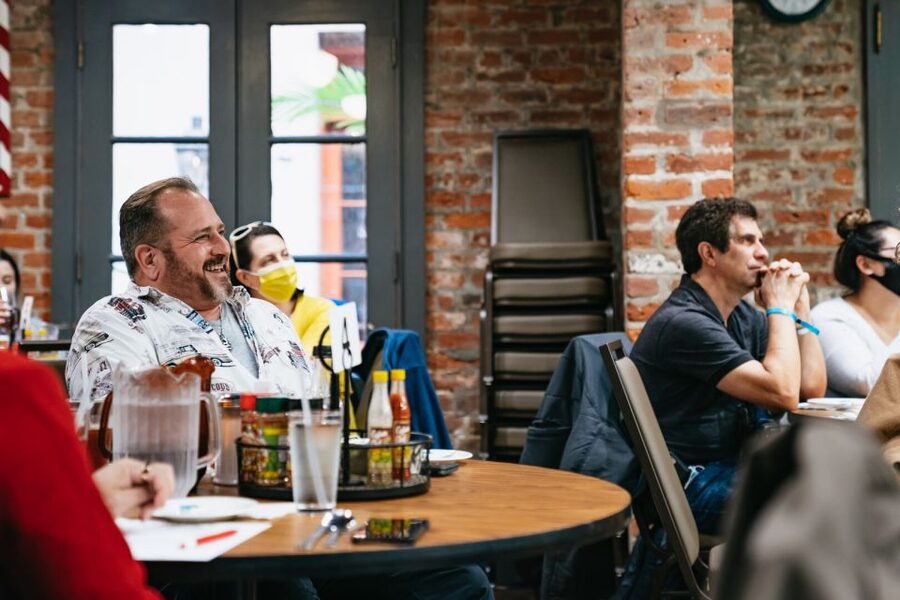
Gumbo is often the star. It gives the chef a chance to explain the base, seasoning, texture, and patient cooking that make the dish work. Many people come away especially impressed by the gumbo, and it is a sensible choice if you want one dish that captures the spirit of the region.
Jambalaya offers a different lesson. The rice, meat, seafood, and seasoning come together in one pot, making it a useful example of practical Louisiana cooking. Watching the chef build the dish helps you understand how timing and moisture affect the final result.
Etouffee, shrimp creole, red beans and rice, and soups expand the picture beyond the two dishes most often associated with New Orleans. Crawfish etouffee shows the buttery, saucy side of the cooking, while shrimp creole brings a brighter tomato-based profile. Corn and crab bisque and shrimp and artichoke soup are good reminders that local food is not limited to gumbo.
Dessert is not an afterthought. Pralines appear on every listed menu, giving you a sweet, nutty taste of a New Orleans classic. Bread pudding, pecan pie, and bananas Foster change by day. Pralines also travel well, which explains why the store is a popular stop after class.
Drinks, portions, and dietary questions
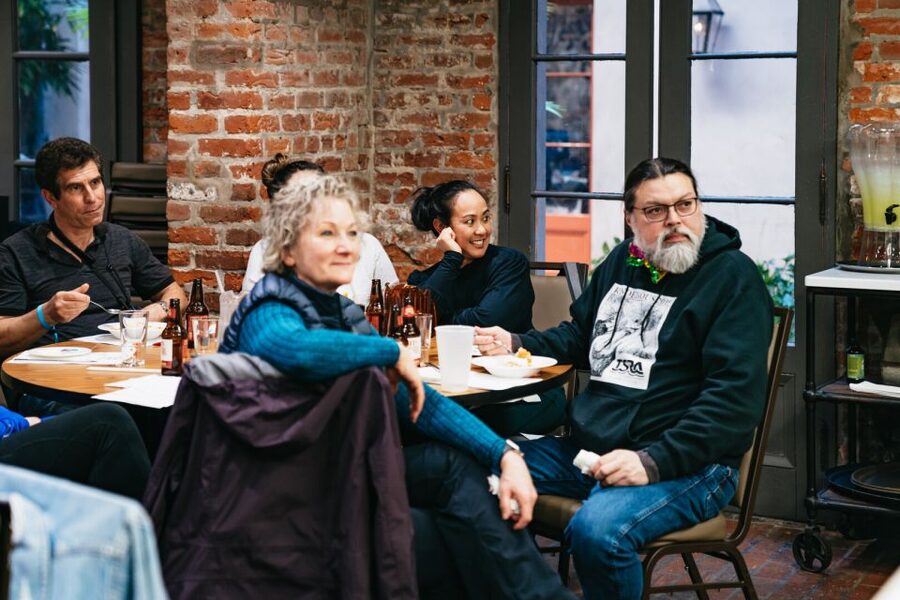
Included drinks are Dixie beer, iced tea, and lemonade. The 10 a.m. class also includes hot coffee. These drinks help make the session feel like a hosted meal rather than a food sample at the end of a lecture.
You are not allowed to bring drinks into the activity. The included options are part of the class, so plan to leave outside beverages behind.
Food portions are commonly described as generous. You may receive each course while the chef continues preparing the next one. That keeps the meal active and prevents the class from turning into a long wait between bites.
Allergy questions deserve attention before you book. At least one chef has prepared alternatives for people with shellfish allergies, and a vegetarian alternative has also been praised. Still, the available substitutions can depend on the chef and menu, so contact the provider before the class if you need a specific accommodation. Do not assume every listed dish can be changed.
The recipes and the general-store coupon
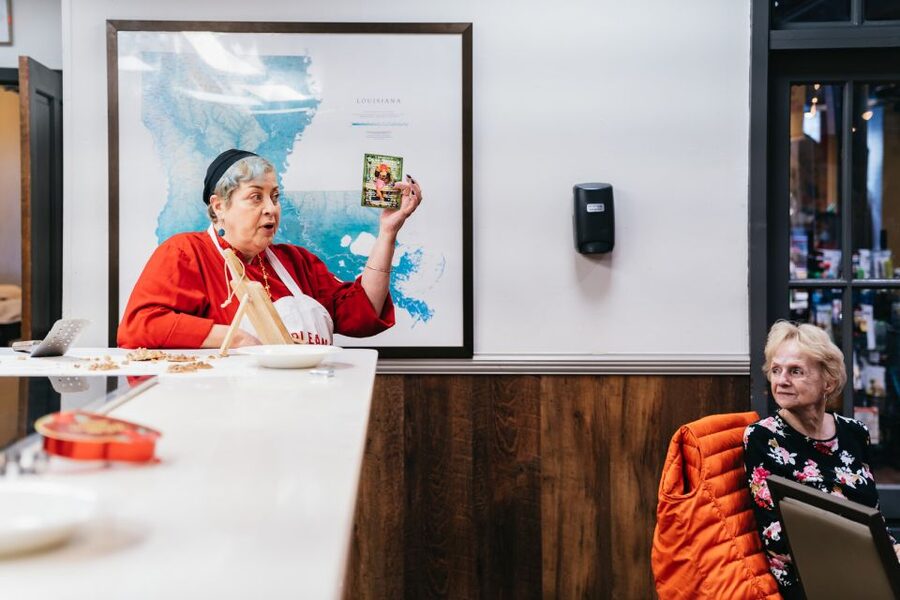
At the end, you receive copies of the recipes. This is where the demonstration earns extra value. You can enjoy the meal in New Orleans, then try to reproduce it for friends and family instead of leaving the flavors behind.
The recipes are especially useful because the chef explains the logic behind the dishes while cooking. You hear how the ingredients fit together, then take home written guidance to refresh your memory later. You may still need to adjust seasoning to your own taste, but you have a workable starting point.
The coupon for the general store adds another practical benefit. You can use it on products sold there, including Joe’s Stuff Creole Seasoning and other locally sourced goods. Buying seasoning is an easy way to extend the experience, though remember that purchases are optional and not part of the $40 price.
Is the $40 price good value?
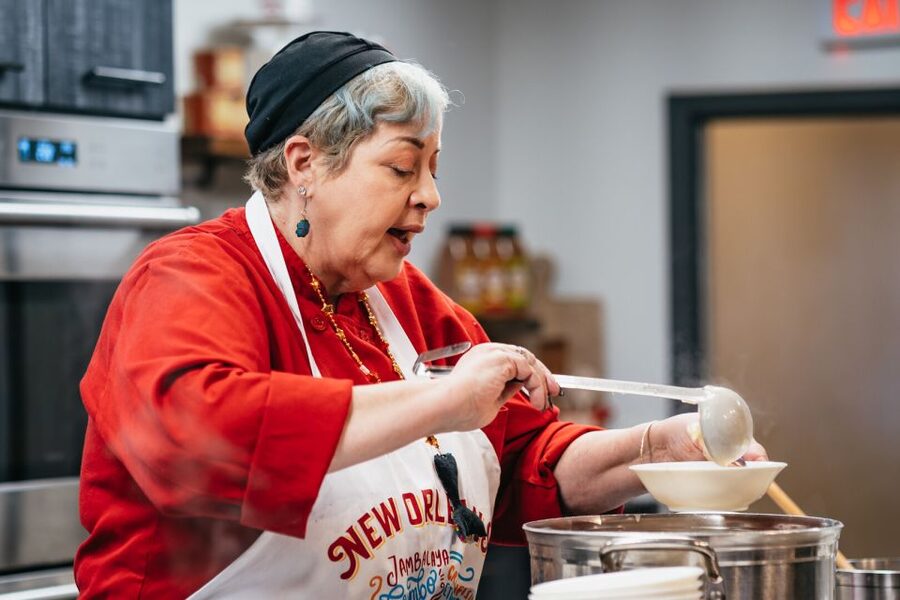
At $40 per person, this experience is priced below many hands-on cooking workshops and includes more than a short demonstration. You get a chef instructor, a three or four-course meal, beer and nonalcoholic drinks, recipes, and a store coupon.
The value depends on what you want. If you measure a cooking class by how much time you spend holding a knife or stirring a pot, this may feel less satisfying. You are paying for the chef’s instruction, stories, meal, and setting rather than personal kitchen practice.
If you would otherwise pay for lunch and a separate French Quarter food lesson, the price looks much better. You also save time by combining eating and learning in one two to two-and-a-half-hour activity. The exact duration is listed as two hours to 150 minutes, so leave room in your schedule rather than planning a tight connection afterward.
The class is wheelchair accessible. It is taught in English, and hotel transportation is not provided. You can cancel up to 24 hours ahead for a full refund, and the reserve-now, pay-later option helps if your New Orleans plans are still changing.
Who should book this experience?
I would recommend it to first-time visitors who want a clear introduction to New Orleans food without spending a full day on a formal culinary program. It also suits couples, families, food-minded groups, and anyone who prefers watching a skilled chef to working in a busy kitchen.
It is a good rainy-day plan and a useful first-day activity. The history and food give you a quick sense of the city’s culture, while the recipes help you keep learning after you leave.
You should think twice if your main goal is hands-on cooking. Look for an experience that explicitly says you prepare the dishes yourself. This class is better for eating, listening, asking questions, and enjoying the chef’s personality.
Should you book the New Orleans cooking class?
Yes, if you want a relaxed and filling introduction to Cajun and Creole food. The strongest reasons to book are the generous portions, entertaining chefs, local stories, changing menus, and recipes you can take home.
Before paying, check the menu for your chosen day and remember that the class is a demonstration. Choose the morning if you want coffee and a traditional lunch schedule. Choose the afternoon if you prefer sightseeing first and a late, substantial meal.
For about $40, I think this is one of the better-value cultural activities in the French Quarter. Just arrive hungry, keep your expectations clear, and save room in your suitcase for seasoning.
FAQ
Is this a hands-on cooking class?
No. The experience is primarily a cooking demonstration. You watch the chef prepare the dishes, hear explanations, ask questions, and eat the finished meal.
How much does the class cost?
The listed price is $40 per person.
How long does the experience last?
The duration is listed as two hours to 150 minutes.
Where do I check in?
Enter the New Orleans School of Cooking General Store and check in at the register.
What food is served?
The menu changes by day and may include gumbo, jambalaya, crawfish etouffee, chicken creole, shrimp creole, red beans and rice, soups, bread pudding, pecan pie, bananas Foster, and pralines.
Are drinks included?
Yes. Dixie beer, iced tea, and lemonade are included. Hot coffee is included with the 10 a.m. class only.
Do I receive the recipes?
Yes. Recipe copies are provided so you can recreate the dishes at home.
Is transportation from my hotel included?
No. Hotel pickup and drop-off are not included.
Can I cancel the booking?
Yes. You can cancel up to 24 hours in advance for a full refund. You can also reserve now and pay later.
Recently added around New Orleans
- New Orleans French Quarter Photo Shoot★ 5.0 · 462 reviews
- New Orleans: 2-Hour Ghosts & Vampires Walking Tour★ 4.5 · 465 reviews
- New Orleans: Sunday Steamboat Jazz Cruise + Optional Brunch★ 4.3 · 470 reviews
- Garden District Home and History Walking Tour★ 5.0 · 470 reviews
- New Orleans Jazz History and Music Walking Tour★ 4.5 · 477 reviews
- Small-Group Manchac Swamp Kayak Tour with Local Guide★ 5.0 · 480 reviews
- New Orleans: Garden District Tour★ 4.8 · 480 reviews
- New Orleans: Voodoo Queen Tour of French Quarter★ 4.7 · 482 reviews
Workshops, compared.
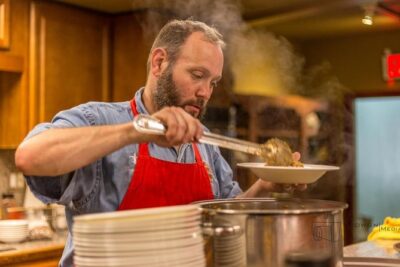
New Orleans Demonstration Cooking Class with Meal
Read our review →
Instructor-Led Line Dancing Class with Souvenir Video
Read our review →
New Orleans Hands-On Cooking Class with Meal
Read our review →
Undiscovered Charleston: Half Day Food, Wine & History Tour with Cooking Class
Read our review →


Browse the lists this tour appears in