
Reviewed · WORKSHOPS
New Orleans Demonstration Cooking Class with Meal
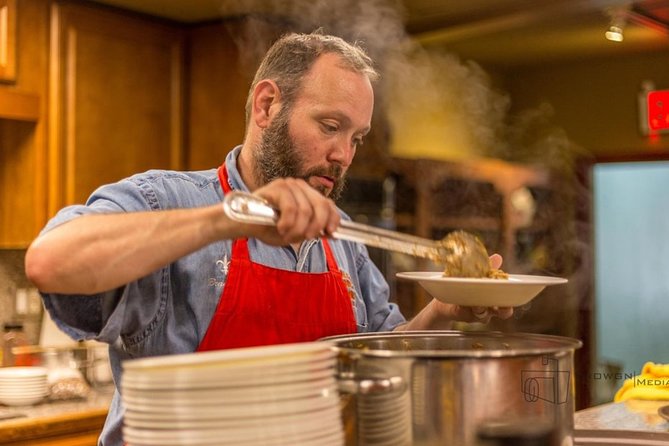
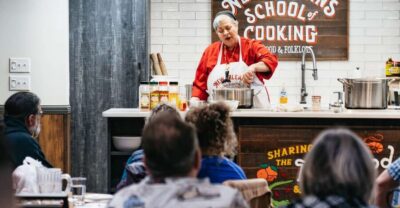
New Orleans puts its history in a bowl. At the New Orleans School of Cooking, you watch a local chef prepare Creole favorites in a converted 19th-century molasses warehouse, then eat the results. I like the generous meal-sized tastings and the way chefs connect recipes to Louisiana culture. The recipes and cooking tips give you something useful to take home, too. The main drawback is the class size, which can reach 68 people and may feel more like a food show than a small cooking lesson.
This two-hour experience costs $43 per person, including the food, one local beer, iced tea, coffee, water, and recipe copies. I also like that you do not need to cook in front of anyone. You simply watch, ask questions, and eat. If you want hands-on practice or a quiet, intimate class, this is not the right format.
In This Review
- Five things to know before booking
- A cooking show in a former molasses warehouse
- The opening lesson: Cajun, Creole, and New Orleans on a plate
- Why the roux lesson matters
- Gumbo, jambalaya, and the main tasting
- Dessert brings the theatrical finish
- What you get for $43
- The group size changes the experience
- Dietary restrictions and practical planning
- Who will enjoy this class most
- Should you book the New Orleans cooking class?
- FAQ
- How long does the New Orleans cooking class last?
- Where does the class begin and end?
- Is this a hands-on cooking class?
- What food might be prepared?
- Are drinks included?
- Can dietary restrictions be accommodated?
- How many people can attend?
- What is the cancellation policy?
Five things to know before booking
- The roux is the star lesson: You learn why gumbo depends on patient preparation and how seasoning shapes Louisiana cooking.
- You receive a full meal, not a token taste: Several hearty portions are served after the chef prepares them.
- The chefs make the history entertaining: Lynn, Eric, Dianne, Austin, Vivian, Rene, and Terri are among the instructors praised for humor, warmth, and clear explanations.
- The class takes place in a historic setting: The school occupies a converted 19th-century molasses warehouse at 524 St Louis Street in the French Quarter.
- This is demonstration-only: You will not chop, stir, or cook during the session, but you can ask questions as the dishes come together.
A cooking show in a former molasses warehouse
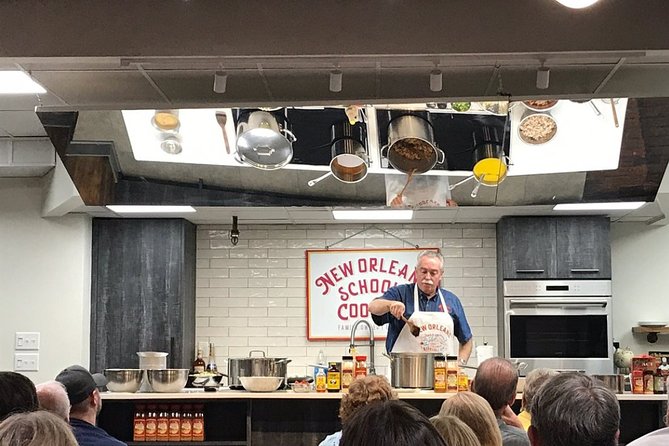
The New Orleans School of Cooking sits at 524 St Louis Street, right in the French Quarter. The address puts you in a handy part of central New Orleans, close to public transportation and within the atmosphere of the Quarter. The setting matters: you are not learning Louisiana food in a generic hotel room, but in a building tied to the city’s old food and shipping economy.
The class lasts about two hours and begins and ends at the school. You take a seat with other food lovers while the chef cooks in front of the room. The setup is social and relaxed, with food moving from the demonstration to your plate.
This is not a hands-on workshop. You will not receive a cutting board or prepare your own roux. Instead, you watch the entire process, listen to the explanations, and taste the dishes soon after they are made. I see that as a good trade for visitors who want a comfortable introduction without spending an afternoon doing kitchen work.
The size deserves a clear warning. The maximum is 68 people, and one recent session had 48. That means the room can feel lively, but it also means side conversations may make it harder to hear. Sit where you can see and listen well, and do not expect the close attention you would get in a private lesson.
A few more US trips worth a look
- New Orleans Hands-On Cooking Class with Meal
★ 5.0 · 1,183 reviews - New Orleans: Cajun and Creole Cooking Class
★ 4.9 · 730 reviews - Undiscovered Charleston: Half Day Food, Wine & History Tour with Cooking Class
★ 5.0 · 948 reviews
The opening lesson: Cajun, Creole, and New Orleans on a plate
The chef begins with the food culture behind the recipes. Louisiana cooking reflects several cultural influences, and the class explains how Cajun and Creole traditions differ. The distinction is not treated as a dry lecture. Local stories, anecdotes, jokes, and family-style cooking wisdom keep the material moving.
This context gives the meal more meaning. Gumbo is not simply a thick soup, jambalaya is not just seasoned rice, and pralines are not merely a sweet ending. You learn how ingredients, technique, geography, and cultural exchange shaped the dishes associated with New Orleans.
The instructors receive especially strong praise for their delivery. Lynn is noted for combining cooking history with lively humor. Eric is described as both entertaining and serious about Cajun and Creole food. Austin is praised for answering questions while keeping the room engaged. Vivian, Dianne, Rene, and Terri are also singled out for warmth, storytelling, and strong presentations.
The exact chef and menu can vary. That is useful to know if you are hoping for one particular dish or instructor. The school may prepare different combinations from its collection of New Orleans classics, so consider the experience a broad introduction rather than a guaranteed menu.
Why the roux lesson matters
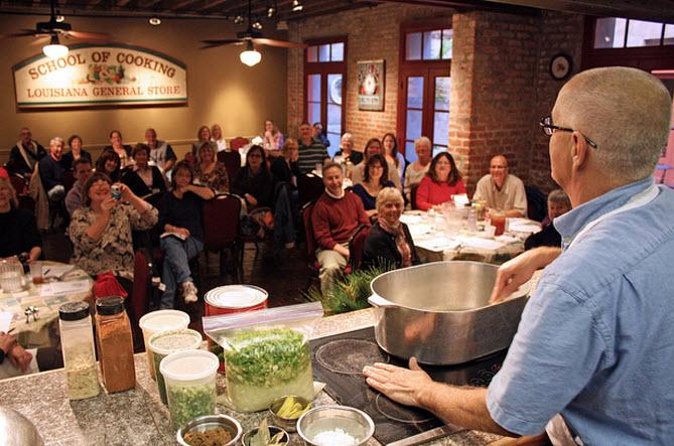
A central point is the roux, the cooked mixture of fat and flour used as a base in many Louisiana dishes. The chef shows how this foundation affects flavor and texture, then explains the spices and seasonings that give the finished food its character.
This is the sort of detail that can improve your cooking at home. You are not just handed a bowl of gumbo and told it is traditional. You hear the reasoning behind the method. The class also discusses seasoning choices, giving you a better sense of how to adjust a dish to your own taste.
One useful point for cautious eaters is that the food is not prepared extremely spicy. Seasonings such as Joe’s Stuff, Bayou Blend, and a hot blend are placed on the table so you can add more heat yourself. That approach makes sense in a large class, where people arrive with different preferences.
One person found the food a little bland, but the school explains that the recipes are intentionally kept approachable and can be seasoned at the table. If you want fire-breathing heat straight from the pot, you may find the prepared dishes gentle. If you prefer control, this is an advantage.
Gumbo, jambalaya, and the main tasting
The sample menu can include corn and crab bisque, gumbo, jambalaya, shrimp or chicken Creole, and crawfish étouffée. Not every session is guaranteed to include every item, but the format is designed around several substantial tastes rather than one finished dish.
Gumbo gives the chef a chance to explain the roux, broth, seasoning, and slow-building flavor. It is often the dish people most want to understand before attempting Louisiana cooking at home.
Jambalaya shows a different side of the cuisine. Rice absorbs the flavor of the seasoned ingredients, so the demonstration helps explain timing and balance. You see how a dish that looks simple can depend on getting several small steps right.
Shrimp or chicken Creole brings a sauce-based preparation into the lineup. The choice of protein may vary, which is another reason not to book with the expectation of one fixed plate.
Crawfish étouffée introduces a rich, spoonable preparation built around seafood and sauce. If crawfish is unfamiliar to you, this is a pleasant way to encounter it in a classic Louisiana form.
The portions are described as generous, and the combined samples amount to a full meal. Come hungry. This is not a class where you nibble twice and leave for dinner. The food is served after the chef demonstrates each item, so you can connect the finished taste to the technique you just watched.
A completely different kind of day out in New Orleans:
- New Orleans Premier Ghost, Voodoo and Vampire Walking Tour
★ 4.5 · 12,856 reviews - New Orleans Steamboat Natchez Jazz Cruise with Dinner Option
★ 4.0 · 7,533 reviews - Adults-Only New Orleans Ghost, Crime, Voodoo, and Vampire Tour
★ 5.0 · 6,545 reviews - New Orleans Food Walking Tour of the French Quarter with Small-Group Option
★ 5.0 · 6,118 reviews
Dessert brings the theatrical finish
The sweet menu may include bread pudding, bananas Foster, pralines, and pecan pie. The class does not treat dessert as an afterthought. These dishes offer another look at Louisiana cooking, especially the use of sugar, nuts, fruit, and warm sauces.
Bananas Foster is particularly fun because the preparation can include a flaming finish. That small bit of theater helps keep the two-hour presentation lively, especially for companions who are less interested in cooking than in eating.
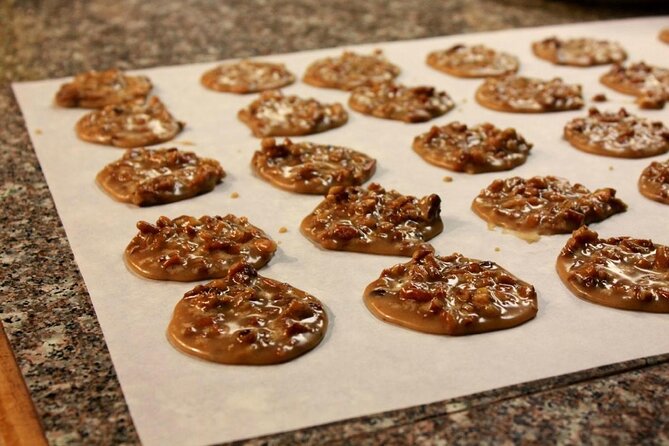
Pralines are useful to watch because they show the local fondness for pecans and candy-making. Bread pudding and pecan pie provide familiar Southern flavors in different forms. The menu can change, so think of these as possible highlights rather than promises.
By the end, you have tasted several savory dishes and multiple desserts. That variety is a major reason the experience feels like good value at $43.
What you get for $43

The price includes the demonstration, the full set of prepared samples, coffee, iced tea, water, and one local beer. You also receive copies of the recipes. A 15 to 20 percent gratuity is recommended and is not included, so add that to your budget.
I consider the price strong for three reasons. First, the food replaces a meal. Second, you receive instruction and cultural background rather than paying only for a restaurant plate. Third, the recipes let the experience continue after you leave New Orleans.
The beer adds a local touch, though only one beer is included. If you do not drink alcohol, iced tea, coffee, and water are available. The drinks also help make the class feel like a shared meal instead of a lecture followed by a tiny sample.
The class is especially good value for couples and families with mixed interests. A serious cook can take home technique and recipes, while a reluctant companion can enjoy the stories, drinks, and food without touching a pan. One participant who expected the class to suit a cooking enthusiast found that the non-cook in the group enjoyed it just as much.
The group size changes the experience
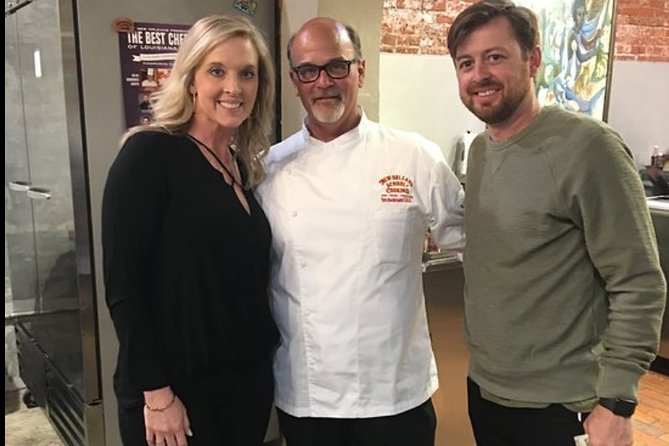
The school welcomes a large audience, with as many as 68 people. This helps explain the reasonable price and the lively atmosphere. It also means the experience has the feel of a demonstration theater rather than a private culinary studio.
A strong chef makes a big difference in this format. The most praised instructors keep the room moving with humor, questions, and stories. Still, a large class depends on everyone listening. Side conversations can become distracting, particularly if you are seated far from the cooking area.
I would choose this class for its content, food, and atmosphere, not for personal coaching. If you want the chef to correct your knife grip or watch you build a roux, book a hands-on workshop elsewhere. Here, your job is to pay attention, taste, and write down the tips that matter to you.
The school gives you recipes, and you may submit photos of dishes you prepare at home to receive a diploma. That is a charming extra for people who enjoy carrying a small souvenir of the experience into their own kitchen.
Dietary restrictions and practical planning
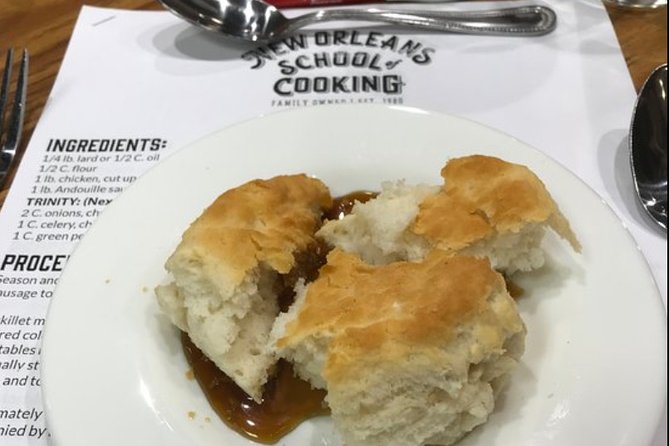
The school can accommodate some dietary restrictions, but you must call the reservations line after booking and tell the staff at check-in. For a $5 charge paid at check-in, you can receive gumbo z’herbes and Creole z’herbes as substitutions. These dishes are vegan, gluten-free, and nut-free.
Those replacement dishes are discussed but not demonstrated, and you receive copies of the recipes. The recipes prepared during the demonstration cannot be altered for individual diets. Depending on your restriction, you may be able to eat the soup, the entree, or neither of the demonstrated dishes.
This makes advance notice important. Do not assume that every part of the meal can be adjusted on the spot. If your diet is strict, contact the school before arrival and confirm exactly what you can eat.
The class is offered in English, and confirmation arrives at booking. It is near public transportation, making the French Quarter location fairly practical for a city visit. Since the activity ends where it begins, you do not need to arrange a separate return transfer.
The experience requires good weather and a minimum number of participants. If poor weather or low enrollment causes cancellation, you are offered another date or experience, or a full refund.
Who will enjoy this class most
I would recommend it to anyone who wants a useful, food-centered introduction to New Orleans. It works particularly well for:
- First-time visitors who want cultural context with their meal
- Couples looking for an easy evening or midday activity
- Families with older children who enjoy stories and tasting
- Home cooks who want gumbo, jambalaya, and dessert recipes
- People who like food but do not want to cook in public
- Repeat visitors who want to try a different menu on another visit
It is less suitable for you if you need a private setting, hands-on instruction, or a guaranteed list of dishes. It may also disappoint if you expect restaurant-level spice in every pot. The school keeps the food broadly accessible and lets you add seasoning yourself.
The class also makes sense early in your New Orleans visit. After learning about roux, seasoning, and local dishes, you can recognize those ideas on restaurant menus around the city. You may even return home with enough confidence to attempt gumbo or red beans and rice.
Should you book the New Orleans cooking class?
Book it if you want a meal, a show, and a lesson in one stop. The strongest part is the combination of generous food and entertaining instruction. The chefs bring personality to the room, and the history gives each dish a place in Louisiana culture.
At $43, the package is hard to fault for value. Just remember what you are buying: a large-group demonstration, not a hands-on class. Arrive ready to listen, expect the menu and instructor to vary, and contact the school early about dietary needs. For a first taste of New Orleans cooking, this is a smart and satisfying choice.
FAQ
How long does the New Orleans cooking class last?
The demonstration and meal last approximately two hours.
Where does the class begin and end?
It begins at the New Orleans School of Cooking, 524 St Louis Street, New Orleans, Louisiana 70130, and ends back at the same meeting point.
Is this a hands-on cooking class?
No. This is a demonstration-only class. You watch the chef prepare the dishes, ask questions, and eat the samples afterward.
What food might be prepared?
Possible dishes include gumbo, jambalaya, corn and crab bisque, shrimp or chicken Creole, shrimp and artichoke soup, crawfish étouffée, bread pudding, bananas Foster, pralines, and pecan pie.
Are drinks included?
Yes. The price includes coffee, iced tea, water, and one local beer.
Can dietary restrictions be accommodated?
Yes, but you must call the reservations line after booking and inform the staff at check-in. For a $5 upcharge, vegan, gluten-free, and nut-free gumbo z’herbes and Creole z’herbes substitutions are available. These substitutions are discussed but not demonstrated.
How many people can attend?
The activity can have a maximum of 68 participants. The size may vary by class.
What is the cancellation policy?
You can cancel at least 24 hours before the start time for a full refund. Cancellations or changes made within 24 hours are not refunded or accepted. If the class is canceled because of weather or insufficient enrollment, you are offered another date or experience, or a full refund.
Recently added around New Orleans
- New Orleans French Quarter Photo Shoot★ 5.0 · 462 reviews
- New Orleans: 2-Hour Ghosts & Vampires Walking Tour★ 4.5 · 465 reviews
- New Orleans: Sunday Steamboat Jazz Cruise + Optional Brunch★ 4.3 · 470 reviews
- Garden District Home and History Walking Tour★ 5.0 · 470 reviews
- New Orleans Jazz History and Music Walking Tour★ 4.5 · 477 reviews
- Small-Group Manchac Swamp Kayak Tour with Local Guide★ 5.0 · 480 reviews
- New Orleans: Garden District Tour★ 4.8 · 480 reviews
- New Orleans: Voodoo Queen Tour of French Quarter★ 4.7 · 482 reviews
Workshops, compared.

Instructor-Led Line Dancing Class with Souvenir Video
Read our review →
New Orleans Hands-On Cooking Class with Meal
Read our review →
Undiscovered Charleston: Half Day Food, Wine & History Tour with Cooking Class
Read our review →


Browse the lists this tour appears in