
Reviewed · PLANTATION TOURS
New Orleans: Whitney Plantation Tour with Transportation
History here is not polished for comfort. This five-hour plantation visit is valuable because Whitney Plantation focuses on enslaved people, not just the owners, architecture, or old plantation wealth. I like the thoughtful audio tour, which uses first-person narratives, and I like the easy round-trip transport from central New Orleans. The main drawback is that the visit is self-guided and some people may find the allotted time too short for every exhibit, memorial, and historic building.
The journey is part of the experience. A good driver can turn the ride into a useful introduction to Louisiana, pointing out sugar-cane country, nearby plantations, Hurricane Katrina, local wildlife, geography, and Cajun culture. Still, this is a serious and often painful visit, not a cheerful plantation outing, and the subject matter may leave you sad, angry, or quiet for the rest of the day.
In This Review
- Key points before you book
- Why Whitney Plantation feels different
- Meeting in the French Quarter area
- The drive along Louisiana’s plantation corridor
- Following the 14-stop audio tour
- Memorials, exhibits, and first-person accounts
- The Big House and working plantation buildings
- How much time you need at Whitney
- Adding the Manchac Swamp cruise
- Is the $89 price fair?
- Who should book this experience?
- Small details that make the day better
- Should you book the Whitney Plantation tour?
- FAQ
- Where does the Whitney Plantation tour leave from?
- How early should I arrive?
- Is the Whitney Plantation tour guided?
- Is transportation included?
- Is the plantation accessible by wheelchair?
- What does the swamp tour upgrade include?
Key points before you book

- The story centers on slavery: Whitney is Louisiana’s only plantation museum devoted entirely to the history of slavery.
- The audio tour is self-paced: You follow 14 stops with a handheld device or the Whitney Plantation app.
- Transport saves a major hassle: Round-trip bus service leaves from 400 Toulouse Street near the Steamboat Natchez dock.
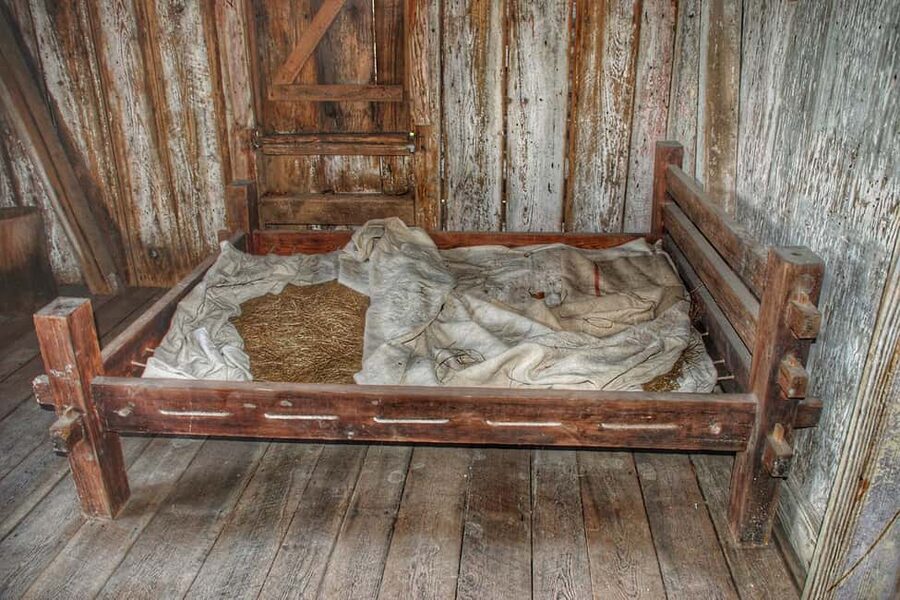
- The grounds contain more than a grand house: You see slave quarters, memorial artwork, museum exhibits, and working-plantation outbuildings.
- The ride adds local context: Drivers often explain New Orleans, the Mississippi River corridor, and the plantations passed on the way.
- The swamp upgrade changes the day: A 90-minute covered pontoon cruise at Manchac Swamp adds wildlife and Cajun culture to the history visit.
Why Whitney Plantation feels different
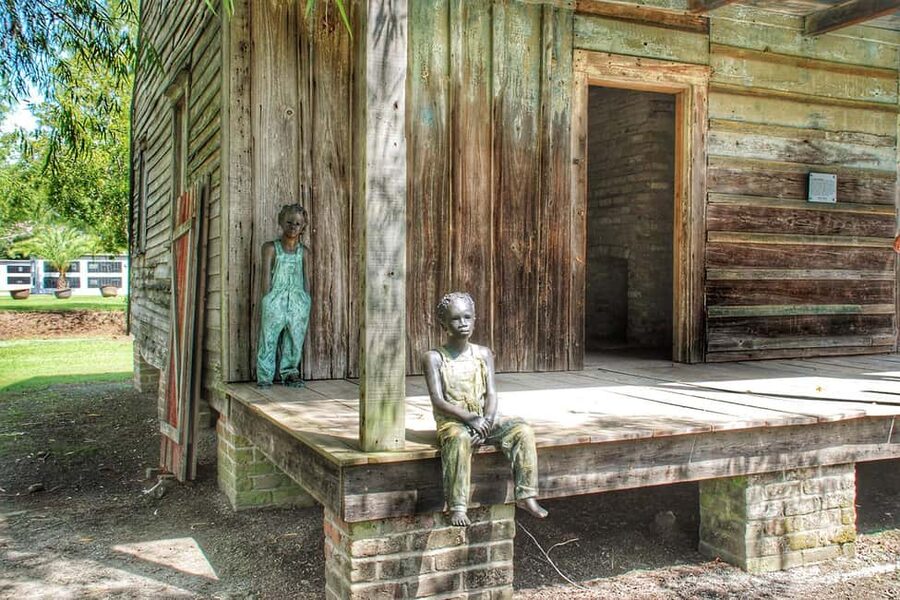
Many plantation tours put the Big House first. Whitney reverses that order in spirit, even though the main house remains an important part of the visit. The museum uses the site to tell what happened to the enslaved people who lived and worked there, with memorials and recorded accounts that make the subject personal rather than abstract.
That focus matters. You are not simply admiring a raised cottage or imagining an elegant dinner party. You are asked to think about the labor, violence, family separation, and loss that made plantation wealth possible.
Whitney opened to the public in 2014, after more than two centuries of private history. The property was first known as Habitation Haydel. Its early owners made money from indigo, then shifted to sugar in the early 1800s as the crop became more profitable in Louisiana.
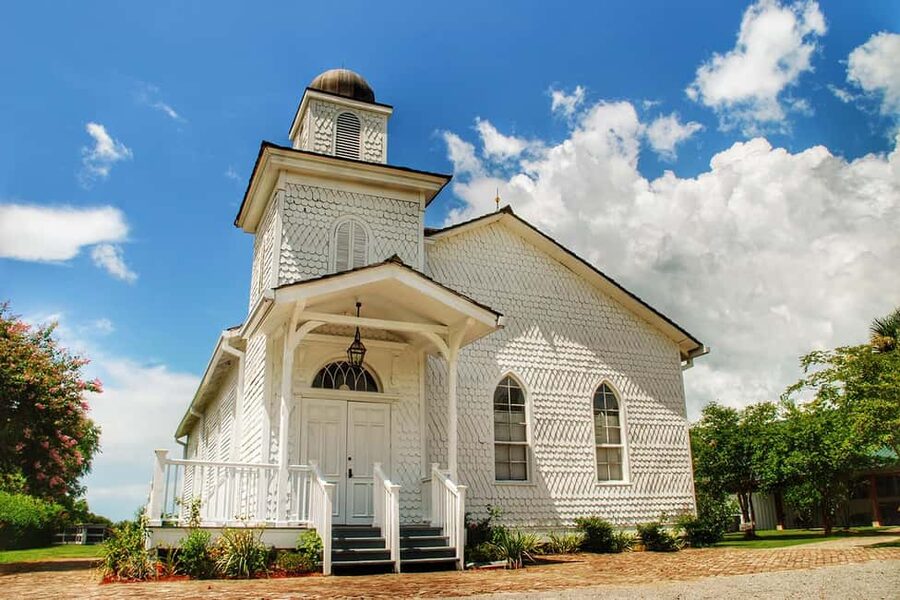
The plantation is listed on the National Register of Historic Places. Its importance comes not only from the Big House, but also from the number of surviving or restored outbuildings. Together, they show how a Louisiana working plantation operated and changed over time.
More plantation tours:
- Swamp Boat Ride and Oak Alley Plantation Tour from New Orleans
★ 5.0 · 3,303 reviews - Oak Alley Plantation Tour with Transportation from New Orleans
★ 4.5 · 1,747 reviews - Whitney Plantation Tour with Transportation from New Orleans
★ 4.5 · 1,351 reviews
Meeting in the French Quarter area
You meet at the Lighthouse Ticket Office at Toulouse Street and the Mississippi River, directly behind the JAX Brewery. This is also the Steamboat Natchez dock area, so allow enough time to find the right counter and display your barcoded voucher 15 minutes before departure.
The official departure address is 400 Toulouse Street, New Orleans, Louisiana 70130. This central location is handy if you are staying in the French Quarter or nearby, but you should not wait until the last minute. Riverfront streets can be busy, and several tours leave from this area.
Round-trip transportation is one of the strongest reasons to book this package. Whitney Plantation is outside New Orleans, and arranging your own transport would add cost and planning. The bus also gives you a chance to hear about the region before arriving.
The vehicle quality can vary. Many passengers describe a clean, comfortable, air-conditioned coach, while one account noted a rattling bus and weak air conditioning. That is a reminder that the ride is a practical service, not a luxury coach guarantee.
The drive along Louisiana’s plantation corridor
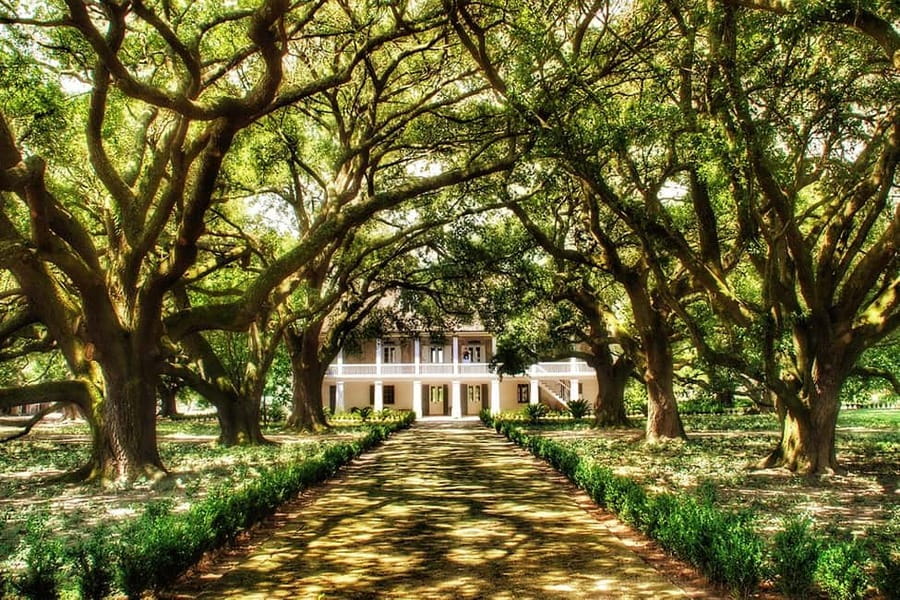
The trip passes a string of famous plantation properties along the Mississippi River, including Laura, Oak Alley, Evergreen, Felicity, and St. Joseph. You generally view these places from the road rather than tour them, but the drive helps explain how closely the plantations were grouped along the river.
The road journey also gives the driver room to add local information. Alton, Stacey, Melinda, Bryant, Robert D., and others have been praised for explaining New Orleans and Louisiana in an entertaining, useful way. Some drivers point out filming locations and pause for roadside photographs when conditions allow.
You might hear about sugar cane, cotton, indigo, the river, wildlife, Cajun traditions, fishing, hunting, and trapping. Hurricane Katrina and the region’s geography also come up during the ride. This commentary can make the bus feel like part of the tour rather than a simple transfer.
The quality depends on your driver. Some are warm, funny, and full of local facts. Others may speak quickly or have an accent that is harder to follow. If you have trouble understanding the narration, do not worry: the Whitney visit itself is built around a recorded audio program.
Following the 14-stop audio tour
At Whitney, you explore at your own pace. The plantation provides an audio device, and you can also use the Whitney Plantation app on a phone, tablet, or iPad. Downloading the app before you arrive is wise, especially if you prefer using your own device.
The audio route has 14 stops. Each one adds another piece to the story, and you can pause or replay sections when the subject needs more time. This format works well because you are not forced to stay with a large walking group or keep pace with a guide.
Several stops have seating, which is useful in hot weather and helpful if you want to listen carefully without standing. The paths include uneven gravel, so wear shoes that are comfortable for walking and easy to keep steady.
The self-guided format has a clear advantage: you can take a quiet moment at a memorial, then continue when you are ready. The disadvantage is that you must manage your own time. With about two hours commonly allowed at the property, you may need to choose between reading every panel, listening to every recording twice, exploring the grounds, and browsing the museum or gift shop.
A practical strategy is to begin outdoors. Walk the grounds and follow the route while you are still fresh. You can finish inside the museum, where air conditioning and seating offer a calmer place to absorb what you have seen.
A few more US trips worth a look
- New Orleans Premier Ghost, Voodoo and Vampire Walking Tour
★ 4.5 · 12,856 reviews - New Orleans Steamboat Natchez Jazz Cruise with Dinner Option
★ 4.0 · 7,533 reviews - Adults-Only New Orleans Ghost, Crime, Voodoo, and Vampire Tour
★ 5.0 · 6,545 reviews - New Orleans Food Walking Tour of the French Quarter with Small-Group Option
★ 5.0 · 6,118 reviews
Memorials, exhibits, and first-person accounts
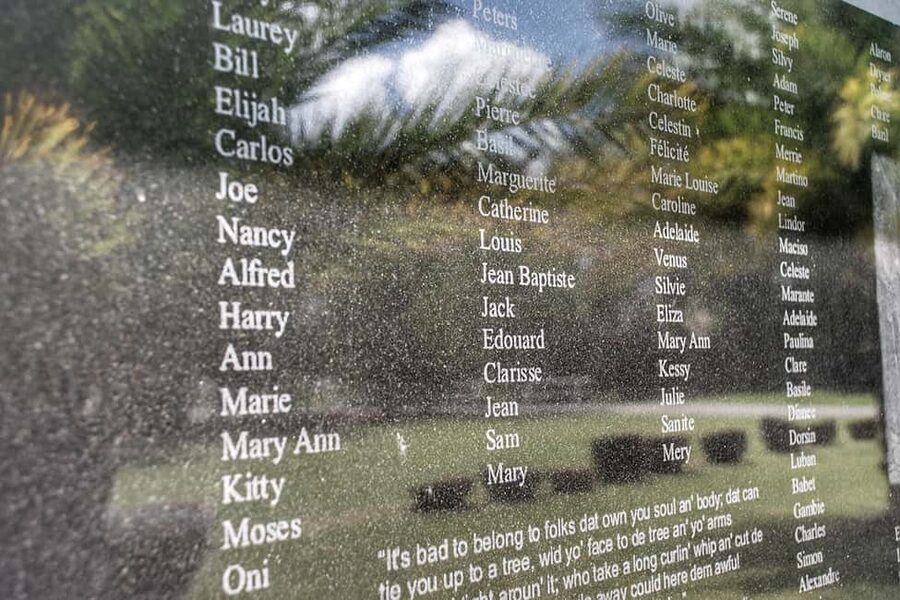
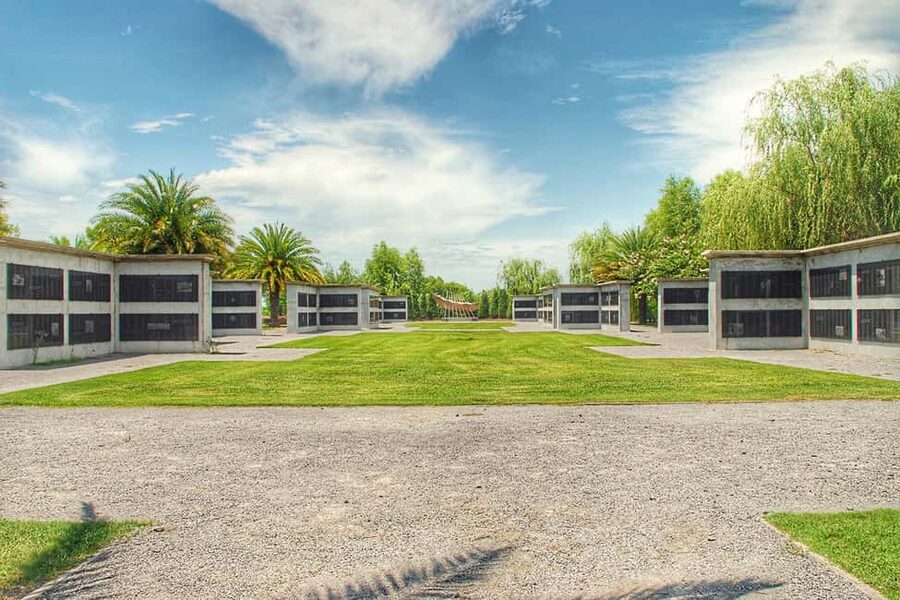
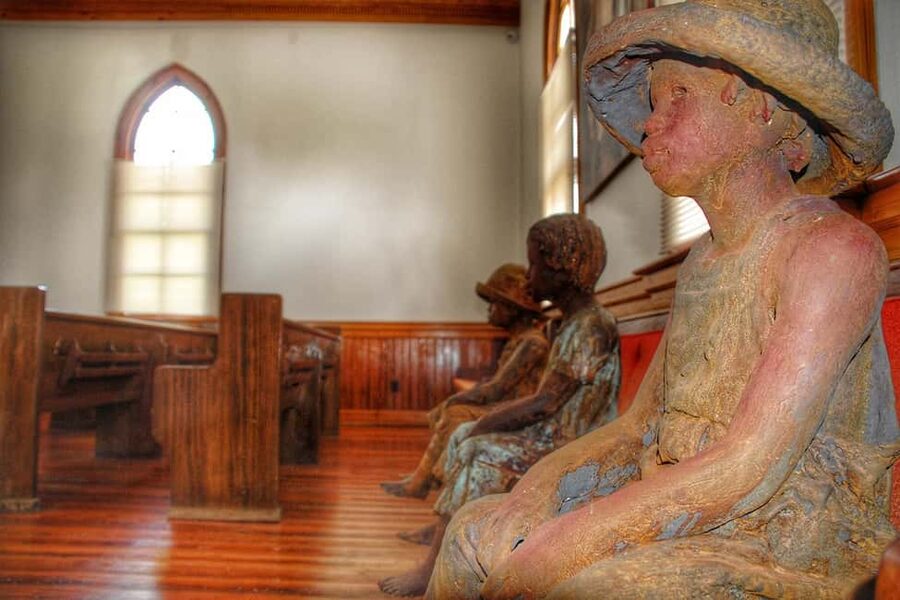
Whitney’s memorial artwork is central to the experience. The site honors the people enslaved at the plantation and also remembers enslaved people throughout the United States. It is designed as a place of memory and conscience, not as a celebration of plantation owners.
The first-person narratives are especially important. They move the subject away from general statements about slavery and toward individual lives. You hear about people as parents, children, workers, and members of communities, rather than as anonymous labor.
The museum exhibits add background to the outdoor route. Read the walls and displays if you have the time, but do not rush past the memorials just to reach the Big House. This is a place where a slower pace makes sense.
The emotional effect is real. The grounds can look peaceful, yet the information explains the cruelty that took place there. You may leave feeling heartbroken, angry, or humbled. That is not a flaw in the tour. It is part of Whitney’s purpose, though you should plan something gentle afterward rather than packing the day with another demanding attraction.
The Big House and working plantation buildings
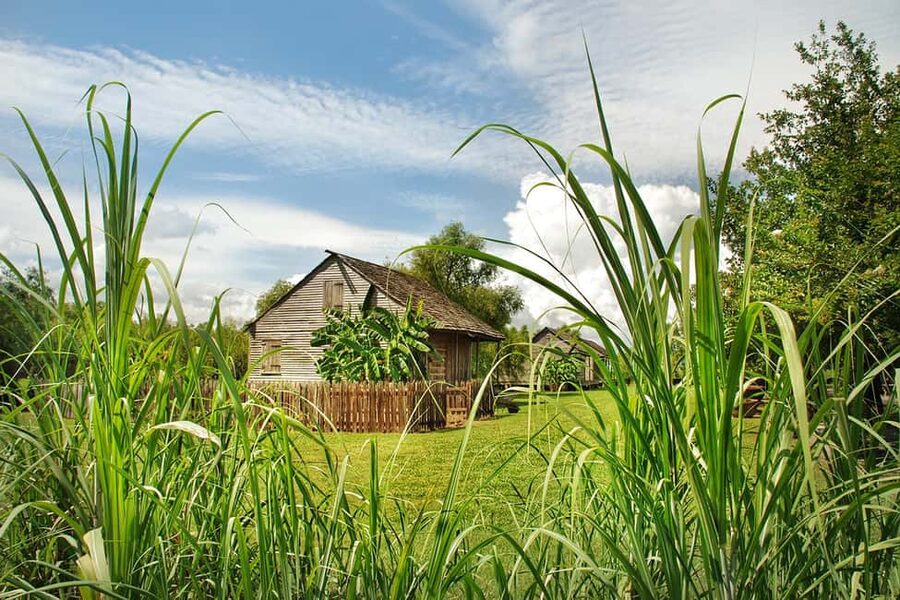
The Big House is one of the finest surviving examples of Spanish Creole architecture and one of Louisiana’s earliest raised Creole cottages. Its design helps you understand how houses adapted to the hot, wet conditions of the region.
Architecture is still only one part of the visit. Whitney does not let the elegant structure become the whole story. The contrast between the house and the quarters, work areas, and memorials makes the social order of the plantation harder to ignore.
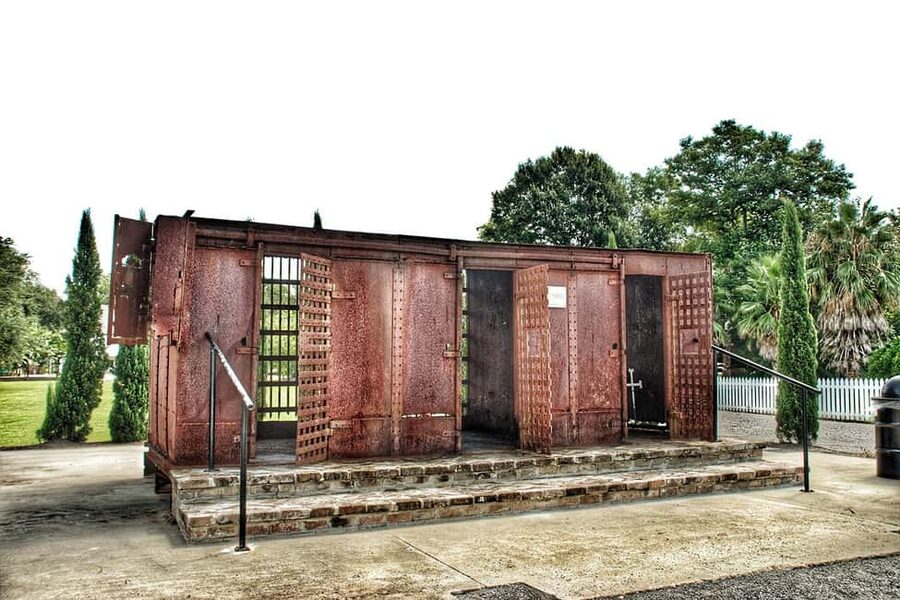
The historic outbuildings are another major strength. Their presence gives you a better sense of daily plantation operations than a tour limited to one restored residence. You see how the property functioned as a place of production, control, and forced labor.
Some outdoor structures can be viewed but not entered. Visitors using wheelchairs can reach the gift shop, restrooms, and museum, and the plantation grounds are accessible, but uneven gravel paths may make movement harder. The slave quarters are viewable, though wheelchair users cannot enter them.
How much time you need at Whitney
The visit is often described as roughly two hours at the plantation. That can be enough for the main audio route if you keep moving at a steady pace. It may not feel generous if you want to reread exhibits, pause at each memorial, ask staff questions, and spend time in the gift shop.
One useful approach is to listen to the full outdoor route first, then return to the museum. Another is to use the app so you can control the pace and replay sections without handling a separate device.
If you read slowly or need frequent breaks, this tour may feel rushed near the end. The bus departure is fixed, so keep an eye on the time. The visit rewards attention more than speed, and you do not want to spend the final minutes hurrying past material that deserves reflection.
The gift shop sells books and other items, including works about slavery and the Jim Crow era. If that interests you, leave a little time to browse. Food and drinks are not included, so bring or buy refreshments according to the operator’s arrangements, but do not count on the tour price covering a meal.
Adding the Manchac Swamp cruise
The optional upgrade combines Whitney Plantation with a 90-minute swamp tour at Manchac Swamp. After the plantation visit, you travel to a privately owned wildlife refuge and board a covered pontoon boat with a local captain.
This creates a useful change of mood. Whitney asks you to face a painful past. The swamp ride gives you time to process that experience while learning about Frenier and Cajun traditions connected to fishing, hunting, and trapping.
The wildlife element is simple and appealing: keep watch for alligators, which may rise for snacks. Sightings are never something you should treat as guaranteed, but the tour is designed to look for them in their natural setting.
The combo makes sense if you want a full day outside New Orleans and enjoy both history and wildlife. It is less suitable if you prefer to give Whitney your full attention or if a serious museum visit already feels like enough for one day.
Is the $89 price fair?
At $89 per person, the tour is not the cheapest way to spend a half-day. You are paying for round-trip transportation, access to Whitney, and the audio experience, while food and drinks are extra.
The value is strongest if you do not have a car. You avoid arranging a long-distance ride, and the bus commentary adds context about the plantations and the region. The price also removes the stress of driving back after an emotional visit.
If you are already renting a car and plan to visit several plantations, compare the total cost before booking. A separate car trip could offer more control over timing, but you would need to handle directions, parking, admission, and the responsibility of getting back safely.
The swamp upgrade adds a second attraction, not just a longer bus ride. If you want the wildlife cruise, it may be a sensible use of the extra time. If Whitney is your main reason for going, the basic option gives you a focused visit without adding another activity.
Who should book this experience?
I would recommend Whitney to anyone who wants to understand New Orleans beyond music, food, and architecture. It is especially useful for first-time visitors who want a clear introduction to plantation slavery and the forced labor behind Louisiana’s agricultural wealth.
The tour suits people who like to learn at their own pace. The audio route is detailed, repeatable, and easier to follow than a live talk if you need time to think or if spoken English is difficult to catch.
Families with older children and teenagers may find the site meaningful, but parents should prepare them for difficult material. This is not a light sightseeing stop. The subject includes dehumanization and violence, and the museum presents that reality directly.
You may prefer another option if you want a fully guided plantation visit with constant conversation. Staff can answer questions at Whitney, but the main route is self-guided. The bus guide may be excellent, yet that commentary does not replace a personal guide walking you through every building.
Small details that make the day better
Download the Whitney app before leaving New Orleans. Bring headphones if you prefer your own, and make sure your phone is charged.
Wear shoes suited to gravel paths. Louisiana heat can make the outdoor route tiring, so use the seating at the stops and save the indoor exhibits for a cooling break.
Give yourself a little time at the meeting point. Display the voucher 15 minutes early, and do not assume the riverfront departure area will be instantly obvious.
Listen closely on the bus. Drivers such as Alton, Stacey, Bryant, Melinda, Robert D., and Dominique have been singled out for their local commentary, patience, and care with passengers. The guide assignment changes, but the ride can add much more than a transfer.
Finally, leave emotional room afterward. Whitney is beautifully maintained, but its beauty does not soften the facts. You may want a quiet meal or a slow walk rather than another packed attraction.
Should you book the Whitney Plantation tour?
Yes, if you want a serious, slavery-focused historical experience with dependable transport from New Orleans. The audio tour, memorials, first-person narratives, and surviving plantation buildings give you far more than a quick look at an old mansion.
Book the basic tour if Whitney is your priority and you want time to think. Choose the swamp upgrade if you also want a 90-minute pontoon ride, alligator spotting, and an introduction to Cajun outdoor culture.
The one caution is time. Two hours can work, but careful readers may wish for longer. Go in with a plan, start outdoors, and keep the fixed departure in mind. At $89, it is a fair buy for visitors without a car, and the educational value makes it one of the more worthwhile plantation outings from New Orleans.
FAQ
Where does the Whitney Plantation tour leave from?
The tour leaves from 400 Toulouse Street in New Orleans, at the Lighthouse Ticket Office near the Mississippi River and Steamboat Natchez dock, directly behind the JAX Brewery.
How early should I arrive?
You should display your barcoded voucher 15 minutes before your scheduled tour time.
Is the Whitney Plantation tour guided?
The plantation visit is self-guided. You follow an audio tour with 14 stops using a provided handheld device or the Whitney Plantation app on your phone, tablet, or iPad.
Is transportation included?
Yes. The experience includes round-trip transportation from New Orleans. Food and beverages are not included.
Is the plantation accessible by wheelchair?
The grounds, museum, gift shop, and restrooms are accessible, but some paths are uneven gravel. Wheelchair users can view the slave quarters but cannot enter them.
What does the swamp tour upgrade include?
The upgrade includes a 90-minute Manchac Swamp tour in a covered pontoon boat through a privately owned wildlife refuge, with a local captain and opportunities to look for alligators.
Recently added around New Orleans
- New Orleans French Quarter Photo Shoot★ 5.0 · 462 reviews
- New Orleans: 2-Hour Ghosts & Vampires Walking Tour★ 4.5 · 465 reviews
- New Orleans: Sunday Steamboat Jazz Cruise + Optional Brunch★ 4.3 · 470 reviews
- Garden District Home and History Walking Tour★ 5.0 · 470 reviews
- New Orleans Jazz History and Music Walking Tour★ 4.5 · 477 reviews
- New Orleans: Garden District Tour★ 4.8 · 480 reviews
- Small-Group Manchac Swamp Kayak Tour with Local Guide★ 5.0 · 480 reviews
- New Orleans: Voodoo Queen Tour of French Quarter★ 4.7 · 482 reviews
Plantation Tours, compared.

Swamp Boat Ride and Oak Alley Plantation Tour from New Orleans
Read our review →
Oak Alley Plantation Tour with Transportation from New Orleans
Read our review →
Boone Hall Plantation All-Access Admission Ticket
Read our review →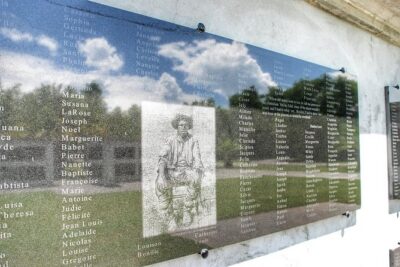
Whitney Plantation Tour with Transportation from New Orleans
Read our review →
Airboat and Plantations Tour with Gourmet Lunch from New Orleans
Read our review →
Bayou Swamp Tour and Oak Alley Plantation Tour
Read our review →
Oak Alley Plantation & Airboat Swamp Combo Tour
Read our review →Browse the lists this tour appears in