
Reviewed · MUSEUMS
The National WWII Museum Campus Pass plus 4-D Film
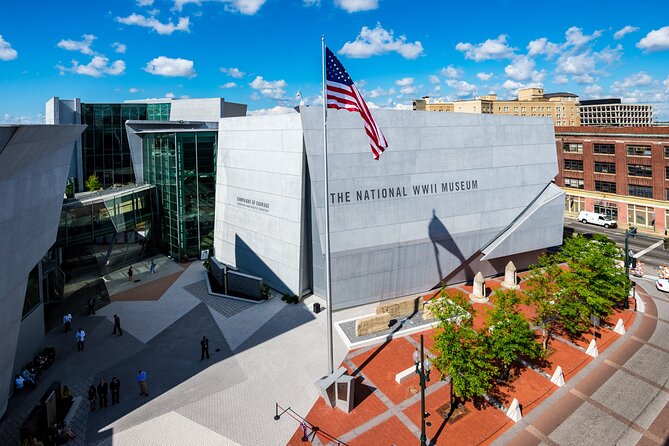
History hits hard here. The National WWII Museum fills a six-acre downtown campus with powerful exhibits, personal stories, live footage, and five separate pavilions. I like the freedom to enter before your scheduled film and the chance to follow a soldier through the museum with a digital dog tag. The main drawback is simple: this is a lot of walking, reading, and emotional material.
At $49.35, the pass is a fair buy if you can give the museum at least half a day. I especially like that it secures a time for the popular Beyond All Boundaries 4D film, narrated by Tom Hanks, while letting you plan the rest of your visit around it. Families with very young children may find the serious subject matter, loud effects, and long exhibit texts difficult.
In This Review
- Key things to know before you go
- A six-acre museum that asks for your time
- Enter before the film and use your time wisely
- The five pavilions cover more than battles
- Why the Beyond All Boundaries film earns its place
- Walking, reading, and the reality of a full day
- What the $49.35 price really buys you
- The emotional weight is part of the experience
- Who will get the most from this pass
- Booking, timing, and cancellation advice
- Should you book the National WWII Museum Campus Pass?
- FAQ
- Where is the National WWII Museum located?
- What does the $49.35 pass include?
- Can I enter the museum before my film?
- What are the museum’s opening hours?
- How long should I plan for the visit?
- What happens during the 4D film?
- Is the film suitable for people with medical sensitivities?
- Can I cancel for a refund?
Key things to know before you go
- The film time controls your day: Your selected time is for Beyond All Boundaries, but you may enter the museum earlier.
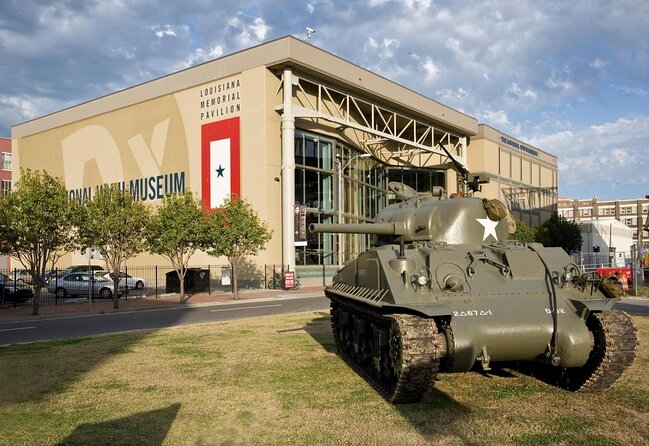
- This is a full campus, not one gallery: Five pavilions spread across six acres require plenty of walking and careful time management.
- The 4D effects are intense: Vibrating seats, sudden movements, loud sounds, flashing lights, fog, and moving scenery add drama.
- Plan for six hours or more: Many people see only part of the museum in four to five hours.
- The subject matter is serious: Images and stories from the Holocaust and wartime suffering can be upsetting.
- You explore independently: The pass includes admission and the film, but not a personal guide.
A six-acre museum that asks for your time
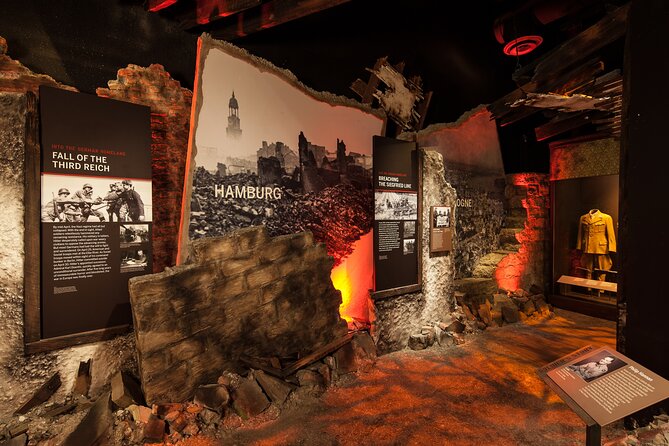
The National World War II Museum is not a quick stop between a po’boy and a stroll through the French Quarter. It is a large downtown campus with several buildings, multiple exhibition areas, films, personal accounts, and displays that take time to read.
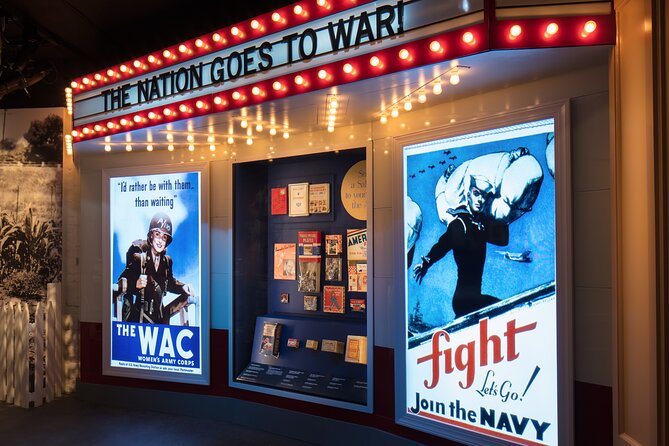
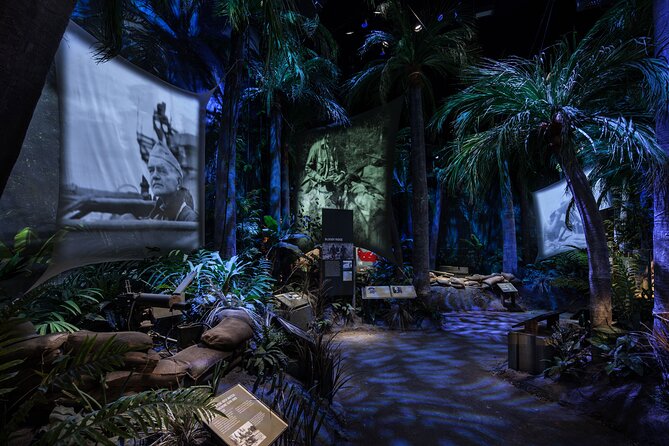
You will move through the war from different angles, including the European and Pacific theaters, the home front, the experience of service members, and life after the war. The museum also gives space to women, Black Americans, Native Americans, political leaders, and people from several countries. That range matters because World War II was not one story told from one viewpoint.
I would set aside a full day if you want to read carefully and watch the audiovisual presentations. Four hours can give you a strong introduction, but it will force choices. Even six or seven hours may not be enough to see every building in detail.
The museum is well suited to adults, older children, teenagers, veterans’ families, and anyone interested in military or social history. It is less suited to toddlers or children who need constant hands-on entertainment. One useful detail: several displays include interactive kiosks, but this is still primarily a museum of reading, listening, watching, and reflecting.
More museums:
- The National WWII Museum Admission Ticket New Orleans
★ 5.0 · 2,202 reviews - French Quarter Walking Tour With Comp 1850 House Museum Admission
★ 5.0 · 781 reviews - New Orleans: The National WWII Museum Ticket
★ 4.8 · 704 reviews
Enter before the film and use your time wisely
The museum is open daily from 9 a.m. to 5 p.m. Your chosen screening time is for the 4D film, not for museum entry. You can enter before the film and begin exploring, which is the best way to use this pass.
I would arrive early enough to get oriented, then begin with the areas that matter most to you. If you have a family connection to the war, look for the parts that help you trace individual service. The Follow A Soldier dog tag experience lets you follow a particular soldier through the museum, adding a personal thread to a very large subject.
If you arrive close to your film time, you may find yourself rushing through the opening galleries. The film is scheduled, while most of the museum is not, so protect that appointment first. Allow enough time to reach the Solomon Victory Theater before the screening begins.
The campus can be hard to cover in a straight line. Take a moment to look at the available galleries and buildings before setting off. You might prefer to finish one pavilion at a time rather than repeatedly crossing the campus.
The five pavilions cover more than battles
The museum’s five pavilions let you approach World War II from several directions. You will encounter military campaigns, personal accounts, political decisions, home-front life, and the consequences of the conflict.
The European theater receives careful attention, but the Pacific theater is also a major part of the experience. That balance is valuable for anyone who learned the war mainly through one side of the story. The museum also presents events before the war and the years after it, helping you see the conflict as part of a longer chain of events.
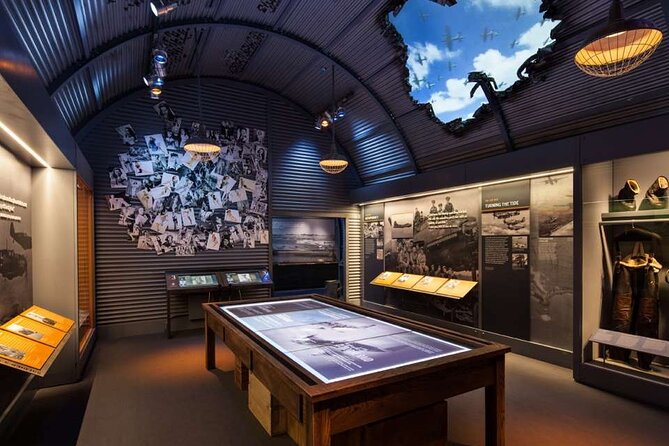
Expect a great deal of text. Bring your reading glasses if you need them, since many displays reward close attention. Live footage, recorded voices, and films break up the reading, but you should still plan for a mentally demanding day.
The Liberation area can be especially difficult. Material concerning Nazi persecution and the death camps is direct and painful. One section includes images that may be hard to view, so give yourself permission to pause or move on. This is not entertainment with a wartime theme. It is a memorial and an educational institution, and the tone is appropriately serious.
Some exhibits also address the experiences of groups whose stories are often left at the edge of military history. You will find material about women, Black Americans, Native Americans, and people from different nations. That broader view gives the museum more meaning than a simple display of uniforms, weapons, and battlefield maps.
Why the Beyond All Boundaries film earns its place
The included film is Beyond All Boundaries, shown in the Solomon Victory Theater and narrated by Tom Hanks. It uses a 4D presentation rather than a standard seated movie.
The theater adds vibrating seats, sudden chair movements, lighting and sound effects, fog, moving props, scenery, and layered projection. These effects are designed to make the war feel immediate and physical. For many people, this is the most memorable part of the ticket.
I think the film is worth adding if you want more than a conventional museum visit. It gives the conflict a broad narrative and adds a strong emotional center to the day. The scheduled time also helps organize your visit, since you have a fixed point around which to arrange the pavilions.
The effects are not right for everyone. Loud noises, flashing lights, fog, and sudden chair movements may aggravate certain medical conditions. Stationary seating is available, so ask at the theater if you need it. Assisted listening devices are also available through the Visitor Services desk in the Solomon Victory Theater.
The film is not closed captioned. If that affects your decision, ask about available assistance before the screening. Service animals are allowed at the museum.
A few more US trips worth a look
- New Orleans Premier Ghost, Voodoo and Vampire Walking Tour
★ 4.5 · 12,856 reviews - New Orleans Steamboat Natchez Jazz Cruise with Dinner Option
★ 4.0 · 7,533 reviews - Adults-Only New Orleans Ghost, Crime, Voodoo, and Vampire Tour
★ 5.0 · 6,545 reviews - New Orleans Food Walking Tour of the French Quarter with Small-Group Option
★ 5.0 · 6,118 reviews
Walking, reading, and the reality of a full day
The most repeated practical lesson is not to underestimate the size of the place. You might imagine a three-hour museum visit, then discover that the exhibits keep pulling you onward.
One family spent about four hours and still found the visit worthwhile. Other visits lasted six, seven, or eight hours, with plenty left unseen. I would treat three hours as the minimum for a short visit that includes the film, and six hours as a sensible target for a fuller experience.
You will walk between buildings and spend long periods standing or moving slowly through displays. Wear comfortable shoes. The museum has a place to eat, which helps if you plan to stay through the middle of the day. A food break can also give you a needed pause before the most emotional galleries.
The museum is clean and staffed, with people available to help when needed. Navigation may not feel obvious in every area, so do not worry if you need to stop and work out where to go next.
A one-day pass does not mean you must see everything in one pass. If the museum becomes too much, focus on the theaters and the sections most connected to your interests. A second-day pass may be available for $15, according to the information provided with the experience, which can make sense if you want to return rather than race through.
What the $49.35 price really buys you
At $49.35 per person, this is not a cheap attraction. The value depends almost entirely on how long you stay and how much you engage with the exhibits.
If you spend only two hours, the price will feel high. If you stay for five to eight hours, watch the film, use the kiosks, read the personal accounts, and visit several pavilions, the cost becomes easier to justify. You are paying for access to a large museum campus plus a reserved place in the 4D theater.
The pass also saves you from buying admission at the museum and secures a film time in advance. That matters during a short New Orleans visit, when losing time in a ticket line or finding the desired screening unavailable can disrupt your plans.
I would recommend the pass for anyone who already knows the museum is a priority. It is less compelling for someone who wants a quick overview of World War II before moving on to another attraction.
The museum’s scale gives it value, but only if you respect the clock. A full day here means giving up other New Orleans plans. For a serious history visit, that is a fair trade. For a packed weekend itinerary, it may be too much.
The emotional weight is part of the experience
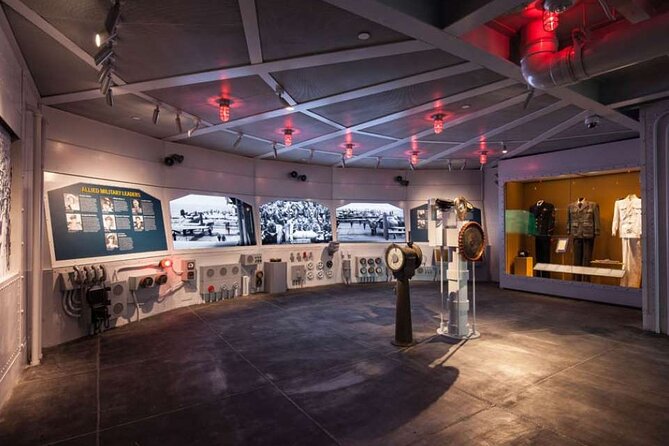
The museum honors Allied service members, but it does not turn war into a clean story of victories and medals. You will encounter loss, fear, persecution, civilian suffering, and the long cost of combat.
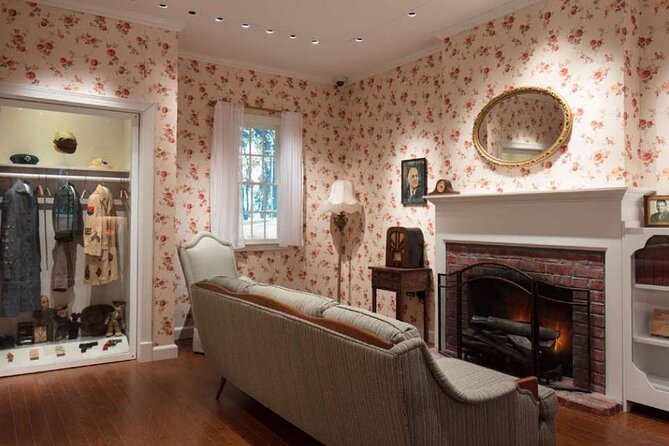
The result can be moving even if you arrive prepared. The recorded voices from the period are particularly effective because they connect large events to individual lives. A family member’s wartime service may make the visit even more personal, and the museum includes ways to follow an individual soldier through the displays.
Some material is difficult for adults and may be too intense for younger children. Loud effects and startling images appear in the film and some presentations. Ear plugs may help if you are sensitive to sound.
I would talk with teenagers beforehand about what they may see. Older children who enjoy history may find the museum powerful and motivating, but the setting requires patience and maturity. This is a place for thoughtful questions, not a fast-moving family attraction.
Who will get the most from this pass
I would choose this experience for:
- Couples who want a serious cultural day in New Orleans
- Military history enthusiasts
- Families tracing a relative’s World War II service
- Teenagers and older children who enjoy history
- Visitors who want both museum exhibits and a major film presentation
- Anyone willing to spend at least half a day on one attraction
I would think twice if you have limited mobility and are uncomfortable with extensive walking, although the information does not specify a full accessibility plan. Contact the museum directly with questions about seating, routes, or other needs.
I would also reconsider if you dislike loud theater effects, flashing lights, fog, or sudden movement. You can ask for stationary seating for the film, but the museum’s audiovisual material may still be intense.
This is not a guided walking tour. You explore on your own, which gives you control over pace and subject. If you want a guide to explain every exhibit or provide local context, this pass may feel incomplete. If you prefer choosing your own route, it works well.
Booking, timing, and cancellation advice
You receive confirmation when you book, and the ticket is mobile, so keep it ready on your phone. The selected time is for the 4D film. You may enter the museum any time before that screening during opening hours, 9 a.m. to 5 p.m.
The experience is commonly booked about 20 days ahead. That suggests you should reserve early if your New Orleans dates are fixed, especially if you want a particular film time.
Free cancellation is available until 24 hours before the experience begins. Cancel at least 24 hours ahead for a full refund. Changes or cancellations inside that window are not accepted and are not refunded. Cutoff times use local time.
The experience requires good weather, and poor weather may lead to a different date or a full refund. Since the museum is indoors, confirm the provider’s instructions if conditions look uncertain.
Should you book the National WWII Museum Campus Pass?
Book it if you want a serious, moving, carefully presented look at World War II and can spare most of a day. The 4D film is worth including, both for its production and because it gives your visit a memorable center.
Do not book it as a quick filler activity. The campus is large, the reading is extensive, and the emotional material deserves time. My best advice is to enter well before your film, wear comfortable shoes, plan a meal break, and accept that you will not see everything.
For history-minded visitors, families with older children, and anyone honoring a wartime relative, this is one of New Orleans’ strongest museum experiences. At $49.35, it delivers good value only when you give it the time it asks for.
FAQ
Where is the National WWII Museum located?
The museum is in downtown New Orleans on a six-acre campus.
What does the $49.35 pass include?
It includes admission to the National WWII Museum and timed entry to the Beyond All Boundaries 4D film in the Solomon Victory Theater.
Can I enter the museum before my film?
Yes. You may enter the museum any time before your selected film screening.
What are the museum’s opening hours?
The museum is open Monday through Sunday from 9 a.m. to 5 p.m.
How long should I plan for the visit?
Plan at least half a day, although six hours or more may be needed to see several buildings in detail. Some people could spend a full day or longer.
What happens during the 4D film?
The film uses vibrating seats, sudden chair movements, loud sounds, flashing lights, fog, moving props and scenery, special lighting, and layered projection. Tom Hanks narrates the film.
Is the film suitable for people with medical sensitivities?
Some effects may aggravate certain medical conditions. Stationary seating is available, and you can ask Visitor Services about it before the screening.
Can I cancel for a refund?
Yes, if you cancel at least 24 hours before the experience begins. Cancellations or changes made less than 24 hours ahead are not refunded or accepted.
Recently added around New Orleans
- New Orleans French Quarter Photo Shoot★ 5.0 · 462 reviews
- New Orleans: 2-Hour Ghosts & Vampires Walking Tour★ 4.5 · 465 reviews
- New Orleans: Sunday Steamboat Jazz Cruise + Optional Brunch★ 4.3 · 470 reviews
- Garden District Home and History Walking Tour★ 5.0 · 470 reviews
- New Orleans Jazz History and Music Walking Tour★ 4.5 · 477 reviews
- New Orleans: Garden District Tour★ 4.8 · 480 reviews
- Small-Group Manchac Swamp Kayak Tour with Local Guide★ 5.0 · 480 reviews
- New Orleans: Voodoo Queen Tour of French Quarter★ 4.7 · 482 reviews
Museums, compared.

Empire State Building Tickets – Observatory & Museum
Read our review →

9/11 Memorial, Ground Zero Tour with Optional 9/11 Museum Ticket
Read our review →
All-Access 9/11: Ground Zero Tour, Memorial and Museum, One World Observatory
Read our review →
Browse the lists this tour appears in